Botswana safari tour from desert to Delta and Falls
Price
£5085To£8645 excluding flights
Duration
10 Days
Countries
Botswana, Zimbabwe
Type
Tailor made

Description of Botswana safari tour from desert to Delta and Falls
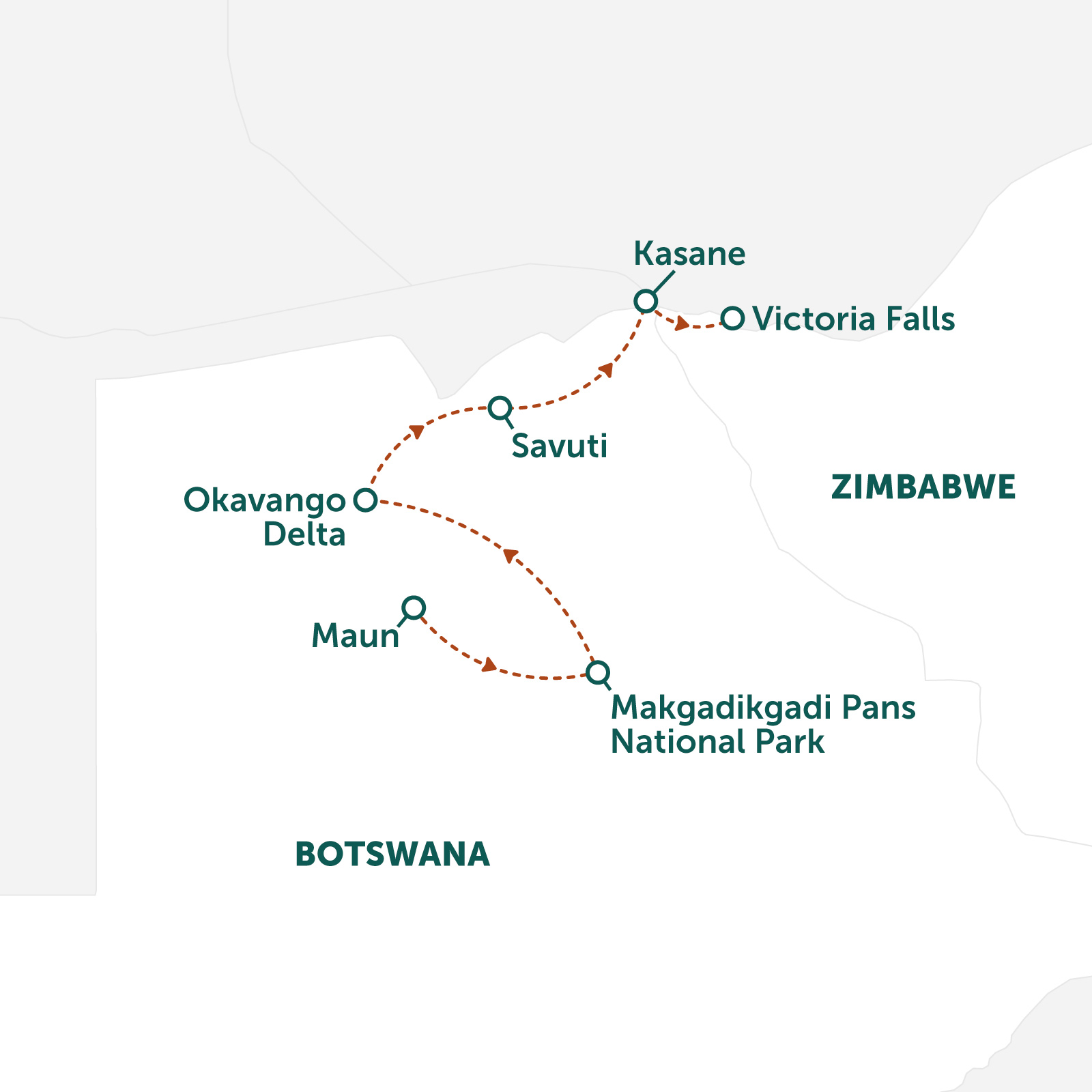
Map
Price information
£5085To£8645 excluding flights
Departure information
This trip can be tailor made throughout the year to suit your requirements
Travel guides
Find out more about combining two Southern African countries in a single trip.
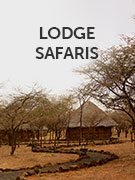
Returning to a revitalising hot shower after a long, dusty safari - that's the beauty of staying in a lodge.
Vacation information
Dietary requirements:
We can cater for vegetarian and vegan diets.
Responsible Travel
As the pioneers of responsible tourism, we've screened this (and every) vacation so that you can travel knowing we've worked to maximise the benefits of your vacation to local people and places, and minimise any negative impacts.
Planet
CARBON REDUCTIONOperating in some of the world’s most precious and pristine environments, the suppliers take their responsibility to minimise human impact seriously. Guided by a 'CARES' philosophy, they safeguard entire ecosystems, embracing not only wildlife and landscapes, but also culture, community, history, economy, and everything that makes Botswana extraordinary. CARES is uniquely holistic, and their sustainability impact reflects this. In facing tourism’s greatest challenges, they have worked alongside industry experts and pioneered new solutions. With the dedication of every team member, they remain steadfast in their promise: to protect, preserve, and empower for generations to come.
As an example, in the Chobe riverfront area, riverside game viewing is done from the lodges full fleet of solar-electric powered safari boats offering silent safaris on Botswana’s renowned Chobe River.
Vegetarian and vegan meals available throughout.
ENVIRONMENT AND WILDLIFE
Every aspect of our operation is monitored in terms of its environmental impact, and we work hard to maintain high standards of environmental care.
Any combustible litter is burnt in a controlled area while all glass, plastic and cans are stored in animal-proof cages and removed by road to Maun for recycling.
Our primary waste-water flows into a series of above-ground, sealed water-treatment tanks. The end product is potable water that we use to irrigate our lawns and gardens. This water is tested on a regular basis.
Our energy requirements are met by a diesel generator, housed in a sound-proofed room built from fire-resistant materials. The exhaust runs through an underground drum in order to reduce emissions, and we limit our running hours as much as possible in order to reduce noise pollution. Our hot-water systems and kitchen stoves use gas, which is brought to the lodge by road in 48 kg cylinders. Batteries are stored and packaged separately, and waste oil is used to fuel a furnace, which heats water for the staff village.
Our water supply – for showering, washing and cooking – is drawn directly from the Okavango Delta, passed through a filter and is then ready to use! A naturally well-balanced ecosystem over the Kalahari sand, like this one, acts as an enormous filter that provides us with a natural source of pure water. Its quality is continually monitored and it is entirely safe to drink.
Bottled drinking water used to be brought in by truck from Maun, but to reduce our environmental footprint we now purify our borehole water with a recently installed state-of-the-art Reverse Osmosis (RO) system. The RO system runs this already safe and naturally filtered water through an additional set of filters to further purify it. The end result is water with TDS (total dissolved solids) of less than 5 ppm. In comparison, bottled mineral water is around 10 ppm, and the Okavango Delta river water is around 20 ppm. The level below which water is considered safe to drink is 500ppm. The tap water in the average American home has a TDS of around 350ppm.
Our continuous supply of hot water is provided by electric geysers.
We ask our guests to refill their water bottles (provided) as required from the water coolers in camp.
In terms of guarding the wildlife that lives in our environment, we abide by the rules set out for Botswana's wildlife preservation, including:
Game drives in the Okavango Delta follow strict conservation and safety rules to protect both wildlife and visitors. While exact regulations vary slightly by concession or reserve, the core principles are consistent:
• Off-road driving is limited — Only permitted in some private concessions and only when tracking specific sightings; otherwise, vehicles must remain on designated routes to protect fragile habitats.
• Speed limits apply — Guides must drive slowly, especially near wildlife, water channels, and thick vegetation.
• No disturbing wildlife — Vehicles cannot crowd animals, block their path, follow too closely, or provoke movement for a better view.
• No loud noise — Guests must keep voices low and avoid sudden movements.
• No leaving the vehicle — Except in designated safe areas and only with guide permission.
• No littering or feeding animals — Food and waste must remain inside the vehicle.
• Respect for other vehicles — Guides take turns at sightings and avoid overcrowding the animal(s)
These rules help maintain the Delta’s pristine environment, promote responsible tourism, and ensure animals behave naturally in one of Africa’s most sensitive ecosystems.
People
LOCAL ECONOMYThe safari lodges' locally based procurement programme purchases from local producers or from local distributers wherever possible. The Lodge group are fortunate in having many long-serving staff. All their guides are local Batswana, recruited from nearby villages. The company invests in education, community empowerment, research, and conservation, which directly impact the lives of the people they work with and the lands they cherish. This means actively giving back to the communities and environments that sustain us in every way we operate.
In response to the HIV/AIDS pandemic, they have developed a far-reaching and integrated policy in partnership with various government agencies. This policy focuses on prevention, treatment and support as well as stigma reduction and community outreach. All staff who require ARV drugs are enrolled in the government’s comprehensive treatment programme. The Wellness Program was initiated in 2002. The program began as an HIV/Aids Policy to assist those affected by this devastating disease. In 2004 the company was invited to partner with the International Labour Organisation, which is part of you United Nations, along with 13 other enterprises from a variety of industries in a pilot programme to address HIV workplace interventions. At the end of this programme the ILO recognised the safari company as one of the best performing companies in the country in this vital area.
EMPLOYMENT, INCLUSIVITY & DIVERSITY
The Safari Company's commitment to opportunity, inclusion, female empowerment, and personal growth is unwavering, reaching every person, every colleague, across their family. This isn’t about ticking boxes. It’s about building a legacy of empowered, skilled individuals who are shaping the future.
The company is 100% Botswana-owned, and has been operating for over 32 years. ??Their view is that their people are what holds themtogether as a company, and play a formidable role in the delivery of services to guests. The company has progressed in certain key areas which today stand out above the rest with regard to service delivery. These include staff wellness and citizen development strategies – training and promoting key staff members from within the company to fulfil vital management roles.
This is a special company as it embraces – not through lip service but through the actions of its people – the fundamentals of sustainable Eco-tourism. This story, an effort to introduce the company and its values to the guest, is told by the staff – the people on the ground who actually run the company.
They have developed training programmes that have produced numerous leaders from the local community who are now employed in management positions throughout company.
With more than 400 citizen staff the company has over time made its mark on the Botswanan tourism industry as a trusted and quality-driven lodge operator.
Popular similar vacations
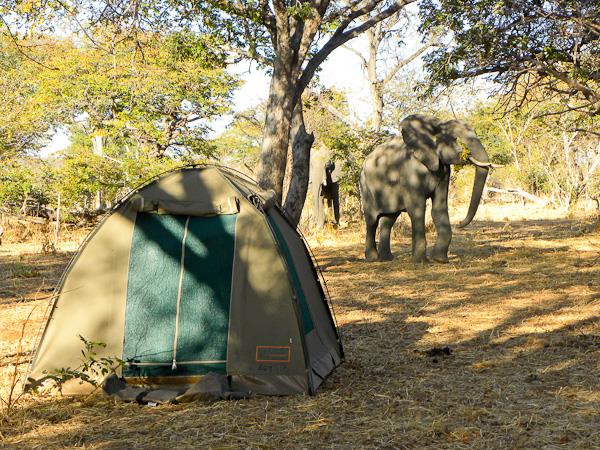
Botswana camping safaris
From US $2385 - US $2630 14 days excluding flights
Botswana's premier game parks, Okavango Moremi Savuti Chobe
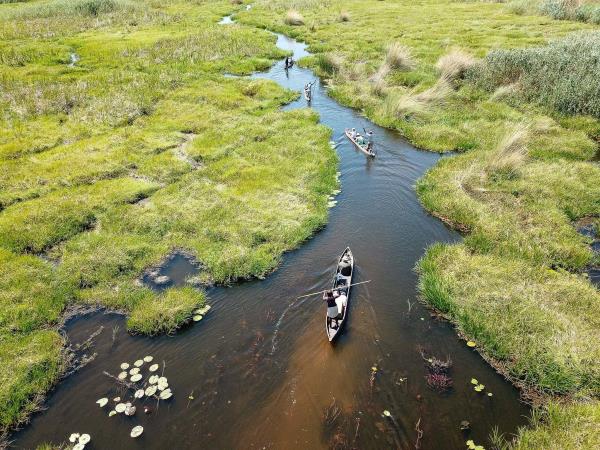
Botswana safari and wild camping
From US $2325 - US $2395 13 days excluding flights
Botswana's premier game parks, Okavango Moremi Savuti Chobe
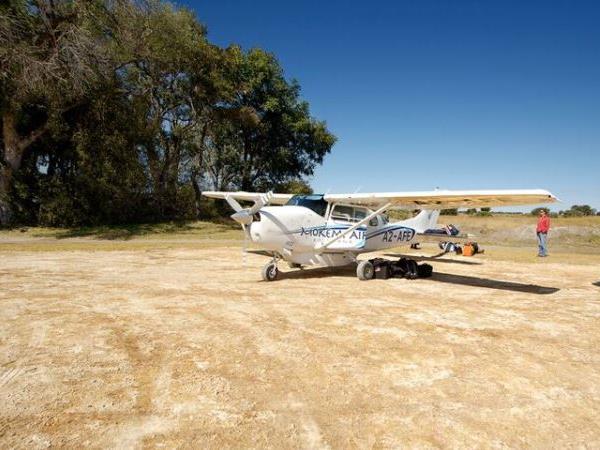
Botswana fly-in safari vacation
From £3355 7 days excluding flights
Experience Botswana on a 6 night fly-in Safari adventure