Bhutan festival vacation for women
Price
£3595 excluding flights
Duration
12 Days
Type
Small group
More info
Price includes Accommodation • transfers • guiding (We ONLY use LOCAL FEMALE GUIDES) • meals as shown • Maximum group size 12 • Single Supplement from £400 •

Description of Bhutan festival vacation for women
Price information
£3595 excluding flights
Price includes Accommodation • transfers • guiding (We ONLY use LOCAL FEMALE GUIDES) • meals as shown • Maximum group size 12 • Single Supplement from £400 •
Check dates, prices & availability

Travel guides
We unlock the secrets of the dzongs, Druk Path trek and Buddhist festivals in our Bhutan travel guide.

Responsible Travel was built out of a love of solo travel, and we want to share the joy of it with you.
Vacation information
Diet:
We can cater for vegetarians on this vacation. Sadly we cannot offer vegan food.
Responsible Travel
As the pioneers of responsible tourism, we've screened this (and every) vacation so that you can travel knowing we've worked to maximise the benefits of your vacation to local people and places, and minimise any negative impacts.
Planet
CARBON REDUCTIONEfforts have been made to minimise avoidable internal flights during this journey. After arrival into Paro International Airport, all travel within Bhutan is undertaken by road using shared group vehicles rather than domestic flights. Bhutan’s mountainous terrain means road travel is the most practical and efficient way to move between regions such as Thimphu, Punakha, Bumthang and Phobjikha Valley, while also reducing the carbon footprint per traveler compared with individual transport arrangements.
Shared local transport is used throughout the itinerary, with the group traveling together in one vehicle and with a single guide and driver team. This reduces overall emissions per person and avoids the need for multiple vehicles operating on the same routes.
Human powered travel is an important part of the programme. Several days include walking or hiking activities, including the Khamsum Chorten hike in Punakha, the Paro heritage walk, exploration within valleys and villages, and the pilgrimage hike to Tiger’s Nest Monastery. These experiences reduce reliance on vehicles while allowing travelers to experience Bhutan’s landscapes and communities at a slower and more environmentally responsible pace.
Vegetarian food is widely available throughout Bhutan and is included regularly during the tour. Bhutanese cuisine traditionally includes many vegetarian dishes, particularly those based on vegetables, chilli, cheese and seasonal produce, meaning travelers are able to choose lower carbon meal options throughout the journey. Meals are typically prepared using locally sourced ingredients, reducing transport emissions and supporting regional agriculture.
Customers are also encouraged to consider the environmental impact of their international flights and are provided with guidance on how to reduce the carbon impact of their travel where possible, including choosing efficient flight routes and minimising unnecessary baggage.
ENVIRONMENT AND WILDLIFE
Accommodation providers used on this itinerary are small locally run hotels or guesthouses rather than large international chains. Many operate with naturally low environmental impact due to Bhutan’s national sustainability policies and building regulations. Properties typically incorporate traditional architecture, natural ventilation and locally sourced construction materials, reducing energy consumption and environmental impact. Plastic reduction and waste management policies are increasingly common across Bhutan’s tourism sector.
The itinerary includes time in protected natural landscapes such as Phobjikha Valley, one of Bhutan’s most important conservation areas and the winter habitat of the endangered black necked crane. Visitor awareness and controlled tourism in the valley contribute to conservation efforts and support community based protection of the cranes and their wetland ecosystem.
Nature and cultural heritage are closely linked throughout Bhutan, and many of the monasteries and pilgrimage sites visited are located within forested or rural landscapes that are protected under Bhutan’s national conservation framework. Bhutan maintains more than 70 percent forest cover and constitutionally protects a minimum of 60 percent forest, ensuring the long term preservation of biodiversity across the country.
Local guides accompany travelers throughout the journey, providing interpretation about Bhutan’s natural landscapes, wildlife habitats and environmental traditions. These guides are Bhutanese nationals with professional guiding licences and play an important role in educating visitors about responsible behaviour in fragile environments.
Visitors are also encouraged to follow low impact travel practices, including staying on designated trails during hikes such as the Tiger’s Nest pilgrimage and the Khamsum Chorten walk, avoiding disturbance to wildlife, and respecting Bhutan’s strict environmental protection regulations. These measures help ensure that tourism contributes to conservation awareness while minimising environmental disturbance.
People
LOCAL ECONOMYAll accommodation used on this itinerary is locally owned and operated rather than part of international hotel chains. Properties such as Pelyang Boutique in Thimphu, Zhingkham in Punakha, Kaila Guest House in Bumthang, Dewachen in Phobjikha Valley and Olathang Cottages in Paro are Bhutanese owned establishments that employ local staff and source goods locally where possible. These smaller properties help ensure tourism revenue remains within the country and supports local families and communities.
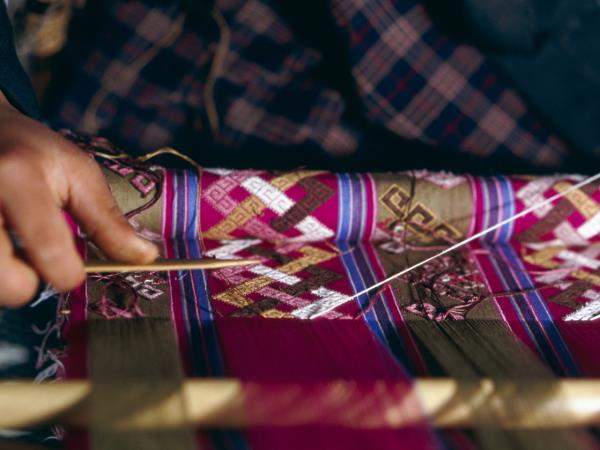
The itinerary includes several experiences that directly support community livelihoods and small scale enterprises. In Punakha, lunch and a Bhutanese cooking class are hosted at Aum Toeb Zam Homestay, a female owned local business where guests learn traditional cooking techniques and participate in cultural activities. In Bumthang, the visit to Zungney village allows travelers to observe women weaving traditional yathra textiles, a craft that remains an important source of income for rural households.
Other opportunities to support local economies include visiting the Craft Bazaar in Thimphu, where stalls are run by Bhutanese artisans selling handmade crafts, and meeting a local beekeeper cooperative that promotes sustainable agriculture while generating income for farmers. The programme also includes meetings with local women entrepreneurs, including the founder of Bhutan Herbal Tea, whose business supports Bhutanese farmers and promotes locally cultivated organic products.
Local guides accompany the group throughout the journey, and services such as drivers, cooks and support staff are all recruited locally, ensuring that tourism spending benefits Bhutanese communities across multiple regions visited on the itinerary.
EMPLOYMENT, INCLUSIVITY AND DIVERSITY
The vast majority of people employed in the delivery of this trip are Bhutanese nationals. Bhutan’s tourism regulations require that licensed local guides accompany international visitors, and drivers, hotel staff and hospitality teams are all recruited locally. This ensures that tourism directly supports employment within Bhutan and contributes to the livelihoods of communities in Thimphu, Punakha, Bumthang, Phobjikha and Paro.
The itinerary intentionally includes experiences that create economic opportunities for women. These include meetings with representatives from RENEW, a Bhutanese organisation working to support women and families, a cooking experience with a female homestay owner in Punakha, observation of women weaving traditional textiles in Bumthang, a visit to Sangchhen Dorji Lhuendrup Nunnery which supports education and spiritual training for women, and a meeting with a female entrepreneur producing Bhutan Herbal Tea. These encounters help highlight women’s roles in Bhutanese society while supporting female led enterprises and community initiatives.
Our ground operating partners pay staff in accordance with Bhutan’s national labour laws and minimum wage regulations. Tourism is an important source of stable employment in the country, and professional guides, drivers and hospitality staff are paid competitive wages within the sector.
The operating partners maintain a workplace policy that supports equal employment opportunities without discrimination on the basis of gender, ethnicity, religion or nationality. Increasing numbers of women are now working within Bhutan’s tourism sector as guides, entrepreneurs and hospitality professionals, and this itinerary actively highlights and supports these developments.
Bhutan is generally considered welcoming and respectful toward international visitors from diverse backgrounds. While local cultural norms remain conservative, travelers of all identities are treated with respect, and the trip is suitable for LGBTQ+ travelers who are comfortable traveling within a traditional cultural context.
Due to Bhutan’s mountainous terrain, uneven paths and the inclusion of hikes such as the Tiger’s Nest pilgrimage and the Khamsum Chorten walk, the itinerary is not particularly suitable for travelers with limited mobility. However, alternative arrangements or reduced walking options may be possible for some activities depending on individual circumstances.
Popular similar vacations
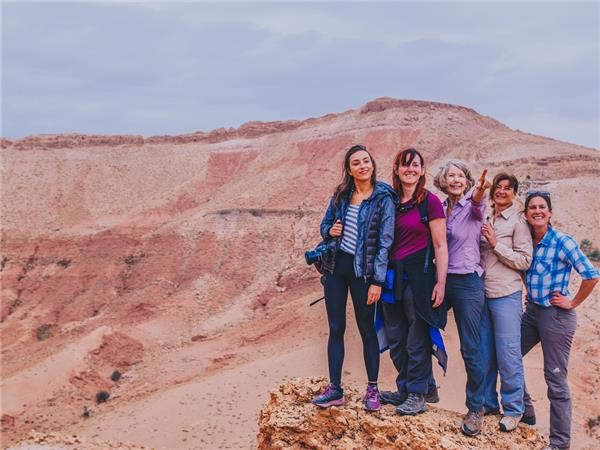
Women only tour in Morocco
From US $1193 - US $1695 8 days excluding flights
Stray from the beaten path in Morocco on an all-female trip
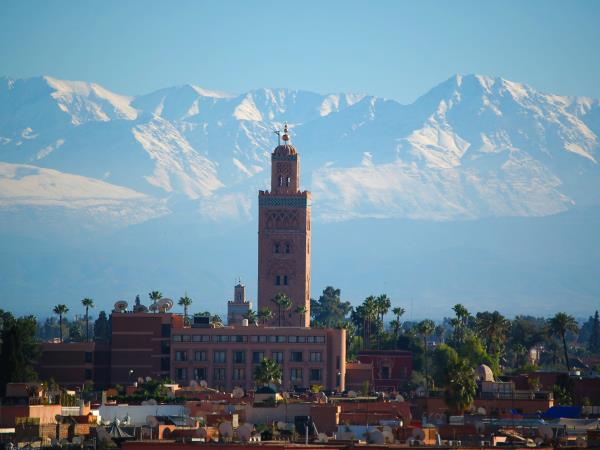
Morocco group tour for women
From €1600 8 days excluding flights
Marrakesh and Atlas Mountains tour for women, celebrating women
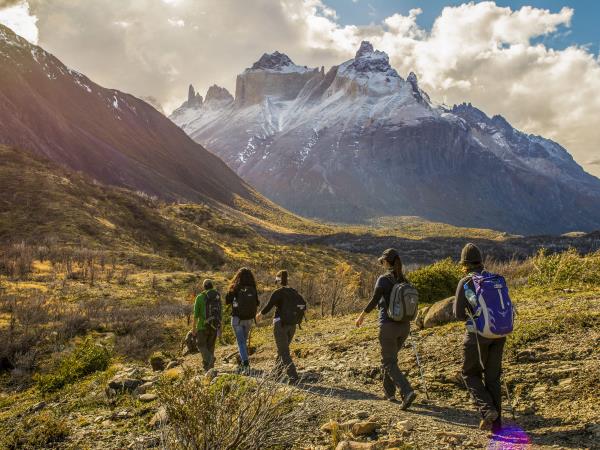
Patagonia women only group tour
From US $2785 7 days excluding flights
Women's guided trip through the highlights of Patagonia