Provence small group tour, vineyards & lavender fields, France
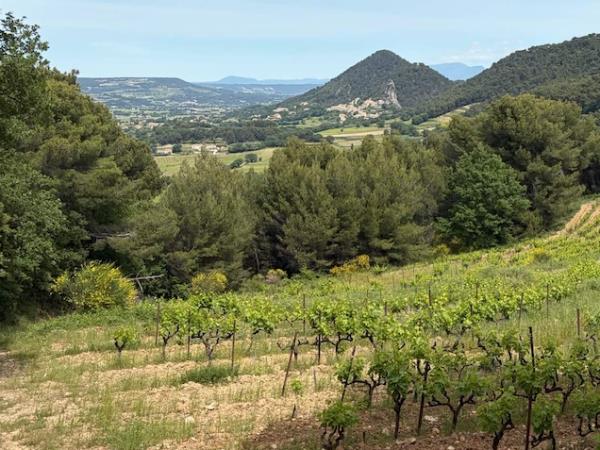
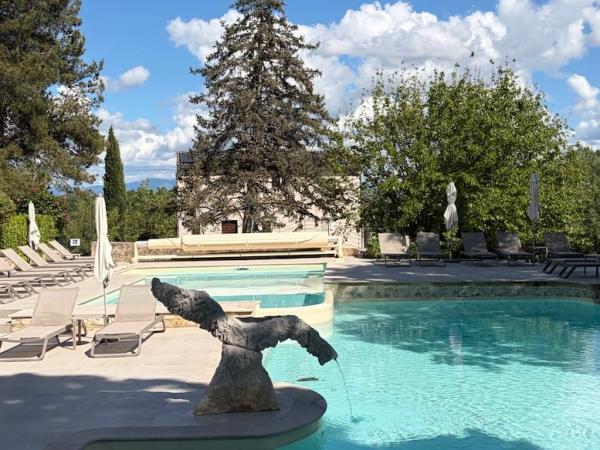
Price
£3149 excluding flights
Duration
9 Days
Type
Small group
Group size
6-12

Description of Provence small group tour, vineyards & lavender fields, France
Price information
£3149 excluding flights
Check dates, prices & availability

Travel guides
If you want to discover the real Provence it’s best to head further inland, away from the busy Côte d’Azur.

With its expert advice, our guide will prove far more useful than anything you’ll hear on the grapevine.
Vacation information
Dietary requirements:
We can cater for vegetarian and vegan diets.
Responsible Travel
As the pioneers of responsible tourism, we've screened this (and every) vacation so that you can travel knowing we've worked to maximise the benefits of your vacation to local people and places, and minimise any negative impacts.
Planet
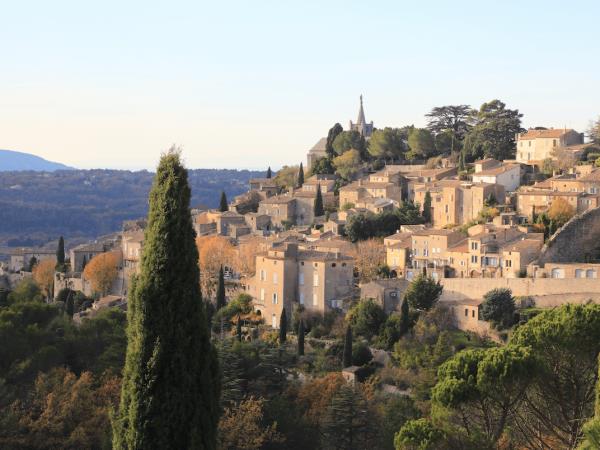
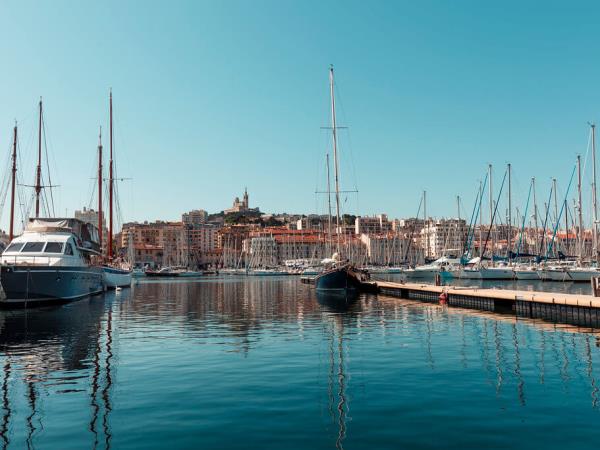
Carbon ReductionThis itinerary travels through regional France, connecting rural Provencal valleys, lavender plateaus, and coastal corridors where thoughtful route planning reduces carbon emissions compared to standard high-transit European travel. The trip is structured to minimise unnecessary transit while granting access to idyllic countryside landscapes, historic hilltop villages, and coastal limestone calanques.
Internal ground transport is shared across the group using mini-vans, maximizing passenger capacity to reduce per-person emissions. Ground routes across Provence and the Cote d'Azur are structured as efficient continuous loops or linear connections, preventing unnecessary backtracking and ensuring every journey directly advances the itinerary.
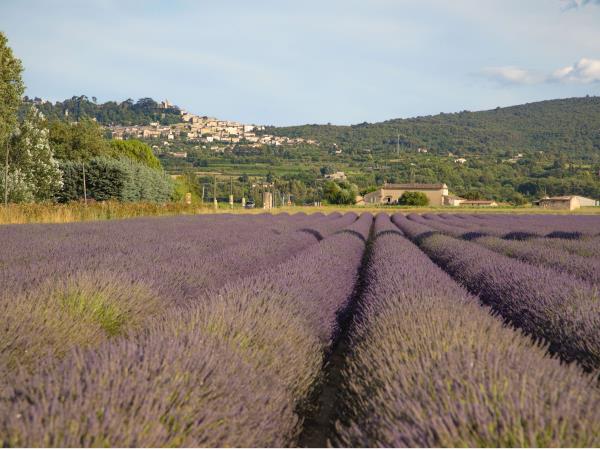
Human-powered exploration is built into the experience whenever possible. Walking through historic market towns, hiking along coastal trails in the Calanques National Park, exploring the ochre trails of Roussillon, and walking through lavender fields replace vehicle use for short distances. These activities encourage a slower, low-impact engagement with Provence’s landscapes and historic villages.
Accommodation across the journey prioritises low-energy setups. Nightly stays feature small-scale, family-run guesthouses, historic boutique hotels, and locally operated agritourisms that operate with modest energy footprints and traditional regional heating and cooling practices.
Food is all locally sourced (why wouldn't you!). Across Provencal villages and coastal towns, meals are prepared using regional French ingredients, seasonal produce from local markets, regional olive oils, and local wines, avoiding high-mileage food imports. Vegetarian and plant-based options are readily integrated into daily menus.
Travelers are briefed prior to departure on packing lightly and bringing reusable water bottles to utilize France’s safe tap water network. Reducing single-use plastics and unnecessary packaging at the source remains a top priority across all excursions and market visits.
Environment And Wildlife
This journey traverses delicate Mediterranean ecosystems, fragile lavender plateaus, limestone coastal habitats, and protected heritage sites where environmental impact must be rigorously controlled. Group walking and minibus transfers are strictly confined to designated roads and established walking trails to prevent soil erosion, protect delicate floral displays, and preserve vulnerable flora.
All group activities follow a strict "Leave No Trace" ethos. Self-contained day excursions ensure all litter, organic waste, and non-biodegradable trash are packed out of natural reserves, parks, and coastal trails and returned to town recycling and waste disposal hubs.
During visits to historical landmarks and UNESCO-designated cultural sites—including historic abbeys, Roman ruins, and ancient hilltop villages—activities focus on quiet, non-invasive observation. Guides ensure travelers stay on designated footpaths to prevent stone erosion or accidental physical contact with historic masonry and archaeological features.
Regional Mediterranean fauna and flora, including coastal marine life, migratory birds, and native insects across lavender fields, are observed strictly from a respectful distance without baiting, feeding, or habitat disruption.
No captive or exploitative wildlife activities are included. The focus remains on appreciating how traditional agriculture, human history, and natural ecosystems intersect in Provence, with local guides providing expert interpretation on regional land conservation and sustainable farming practices.
People
Local EconomyThis itinerary is designed to ensure tourism revenue directly supports local communities, independent agricultural producers, and family-owned businesses across Southern France. Accommodation throughout the journey relies on locally owned hotels, traditional regional guesthouses (chambres d'hôtes), and community-rooted country inns.
The trip relies on licensed French guides, regional mountain leaders, local drivers, and site-specific historians. Their intimate knowledge of Provencal traditions, heritage sites, and local ecology is central to the trip, ensuring skilled employment and fair compensation remain within the local economy.
Engagement with local farming and artisanal communities, such as independent lavender distillers, olive oil pressers, and small-scale winemakers, is conducted respectfully and ethically. Visits are integrated naturally into daily routines, ensuring economic benefits go directly to host families and local producers without disrupting daily agricultural rhythms.
Meals feature traditional Provencal cuisine prepared with ingredients bought directly from village markets, local bakeries, and small agricultural producers. This provides ongoing financial support to regional farming and small-scale food artisans.
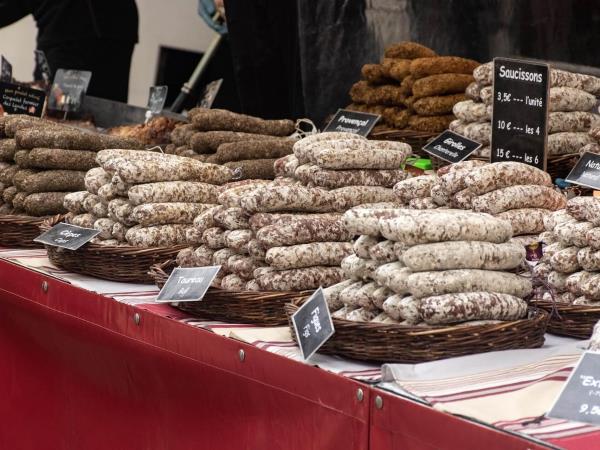
Visits to local village weekly markets, and artisan workshops offer direct opportunities for fair economic exchange. Travelers are encouraged to purchase traditional handicrafts, lavender products, soaps, and regional delicacies directly from local craftspeople, promoting sustainable livelihoods.
Employment, Inclusivity And Diversity
The execution of this adventure depends on a regional French team of drivers, leaders, and cultural guides. Wherever possible, staff are hired from the specific departments visited—such as local Provencal guides and regional drivers—ensuring economic benefits reach local municipal communities.
Employment extends beyond core crew roles to include local site custodians, vineyard hosts, market vendors, and domestic hospitality staff. Interactions are structured to be equitable, collaborative, and dignified.
Women participate actively across hospitality management, culinary roles, artisan production, and guiding initiatives along the route. Working with local suppliers who practice fair employment ensures women benefit directly from tourism revenue.
All personnel receive fair wages above national industry benchmarks, along with proper equipment and work schedules suited to regional tour conditions. The itinerary's pacing balances transfer days with sufficient rest for both travelers and support staff.
The trip welcomes travelers from diverse backgrounds, providing pre-trip guidance on local customs and environmental guidelines to foster mutual respect. Due to walking on cobbled streets, uneven vineyard paths, and coastal hiking trails, the trip requires reasonable physical mobility; clear pre-departure details ensure participants can accurately assess suitability.
By prioritizing local employment, fair working conditions, and respectful cultural engagement, the trip creates meaningful, shared value for both travelers and host communities in Southern France.
Popular similar vacations
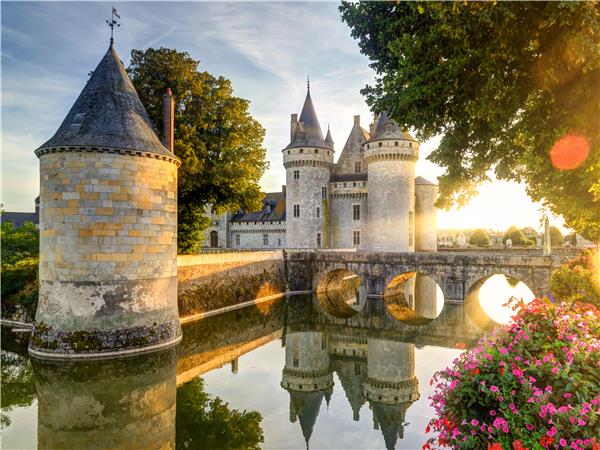
Loire Valley walking and wine vacation
From US $4550 7 days excluding flights
Discover regal estates & fine wines in the Garden of France
French Alps self guided walking vacation
From £720 8 days excluding flights
Catered Chalet Based Walking Vacation in the Giffre Valley
Brittany coastal walking vacation in France
From €1095 - €1645 8 days excluding flights
Discover the unique setting of the Gulf of Morbihan