The problem with plastic free vacations
Too many travelers are applying their home country’s fixation on eliminating plastic waste to their vacations. But sustainable travel isn’t just about buying a reusable water bottle.
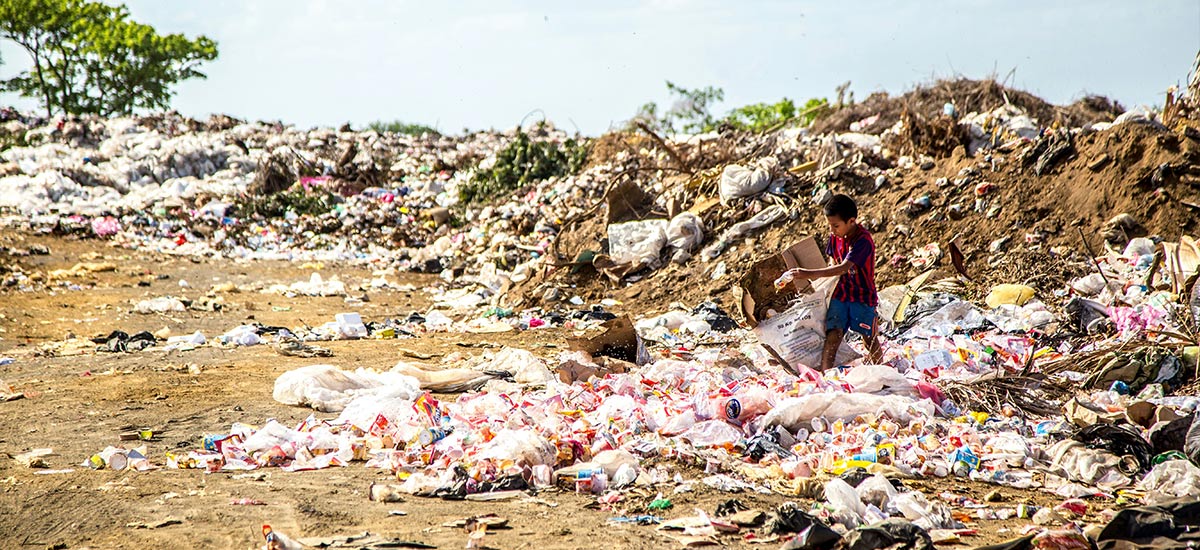 Plastic pollution in Nicaragua
If you cross from Uganda to Rwanda by road, it may take a while to realise what’s missing. “When you cross the border, after about 10 minutes’ driving you think… something’s different,” says Leonie Taylor, travel specialist at our partner Wayfairer Travel, who lives in Kampala.
Rwanda banned plastic bags back in 2008; they’re confiscated from your luggage when you enter the country.
In many countries roadside plastic waste, caught on fences alongside highways, is a common sight. Not so here. Alongside the plastic ban, Rwanda has a mandatory community service called Umuganda, where one Saturday a month everyone picks litter together.
Rwanda is not alone. Kenya banned plastic in 2017. Yet these countries are exceptions. Currently, two billion people worldwide do not have their own drinking water on tap – meaning that they need to collect it from a communal source or use bottled water. Either way, plastic is often the lightest, cheapest way to carry and consume water – and the safest.
Africa produces five percent of the world’s plastic – but imports billions of dollars of plastic waste every year from other nations.
Polymer-shaming is rife because plastic fills our lives: its rise has been astronomical. In 1950 we had produced only two million tonnes of it; by 2017 we were producing 348 million. By 2040 the industry is projected to be twice as big.
Producing plastic for our needs contributes to greenhouse gas emissions. Burning it when we no longer need it does so again.
Since plastic takes some thousands of years to break down naturally, it’s a wonderfully permanent substance, that we utilise in the most impermanent situations.
The dangers of plastics are partially known: microplastics harm our health whilst large plastic nets entrap sea life.
Covid set us back in the battle to reduce it. Suddenly, hygiene came at any cost – and in a tide of latex gloves, elasticated masks and disposable wipes.
There is not enough money being put into research on the effects of plastic in the environment. However, global leaders from 175 countries have now agreed to draw up a United Nations treaty – the first of its kind – on how to deal with plastic waste.
Our war on plastic is one of many environmental struggles in the world. But it is one that is very visible. Whether you see it charring in piles on the side of a road, or caught in a tree on your travels, it’s hard to ignore. But are we making too much fuss about it?
“In many parts of the Middle East plastics are not recycled properly or at all, and it’s common for example to see plastic bags blowing everywhere in fields and nature.”
“The archaeological sites in Sudan can be full of rubbish – it’s hard to keep the rubbish out – it comes in the wind, there’s nowhere to put it.”
“I feel it’s a desperately urgent issue and I do not know what the solution is.”
Our partners, travelers and colleagues all have strong opinions about plastic on vacation.
The Croatian coast is a good example: “The coastline is not covered in rubbish, the sea is not full of plastic, and the reason for that is that the people rely on tourism for their livelihood and so they keep it pretty clean,” says Powell Ettinger, founder of our partner The Small Cruise Ship Collection, which runs cruises on small, locally owned and operated boats around Croatia’s islands.
“Local people just assume foreigners need bottled water and constantly produce it,” explains Mary King, who runs Vistas, our sketching and painting vacation partner with trips in Italy, Morocco, Sri Lanka, Scotland and the Canary Islands. Tourists can help challenge this perception by using reusables and drinking tap water when they can.
On a recent Responsible Travel vacation in India, I was given packed lunches of egg chapatis wrapped in paper, tied up with string, stacked neatly in an origami newspaper bag: not a scrap of plastic in sight.
From providing plastic free water sources, to clever packed lunches, many of our partners have made fantastic strides towards removing plastic from their vacations.
Some of our friends in destinations have better facilities for recycling than their neighbours and take in waste for their community. Others – like Mystic Blue, our sailing specialists in Greece, help clean up their local beaches in their off season.
Responsible Travel launched a plastic free travel guide and campaigned to ban microbeads in 2016. And our partners’ continued efforts give us hope for further change.
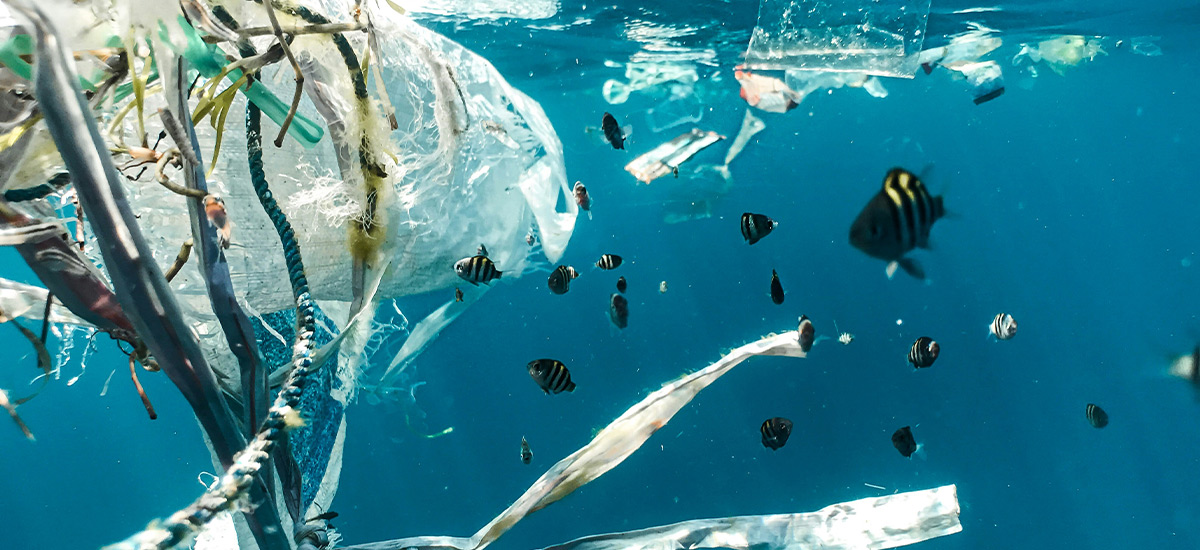 Plastic pollution and juvenile fish, Indonesia
“The lack of local infrastructure to deal with plastic waste is the main barrier,” say Encounters Travel, our adventure tour partner.
“Visitors notice plastic waste on local islands, as refillable glass bottle water delivery is only currently available in the capital area,” says Ruth Franklin, co-founder of our Maldives experts Secret Paradise. Their tours visit local islands inhabited by Maldivians, which lack the infrastructure of the capital and the resort islands.
In Sri Lanka, where visitors regularly complain about plastic waste, our expert partners Tikalanka identify several barriers to cleaning the island, among them “government apathy, lack of alternative plastic free products, and poor knowledge of plastics in the environment”.
“There aren’t municipal tips in Thailand and many parts of the country don’t have government refuse collection,” explains Bruce Haxton, founder of our partner The Tuk Tuk Club.
Fighting against this system isn’t something that tourism companies always can – or should do. “Whilst we do talk to our accommodation providers and other partners, we don’t believe it’s right for us to dictate their plastic use,” says Bruce. “In many cases it’s about ease of supply.”
On a recent Responsible Travel vacation in rural India I was struck by the complete lack of plastic in tribal villages. Subsistence communities simply couldn’t afford to use it. Their picturesque lifestyles – wooden bowls, metal water pails, covers made from leaves and woven bamboo – were the result of desperate poverty. And climate change was creating unseasonal rain, meaning that their harvest, stacked in the open, was at risk of rotting away. For communities like this, plastic is a luxury.
We are critical of visible plastic, but the plastic problem is everywhere. The plastic microfibres that shed from our clothes and enter our water every time we wash them are another – massive – subject all together.
It’s worth noting that some of the cleanest places in the world are the result of their inhabitants being the subject of somewhat draconian rules: Singapore, with its severe consequences for littering, or Rwanda, with its strict Umuganda.
Some of the world’s cleanest regions are in the global north: Switzerland, Germany, Scandinavia. Their municipal cleanliness has many origins – a government with a reliable waste disposal set up and a civic-minded population that enjoys the wealth – and the luxury of time that this brings – to recycle, to name but two.
The West displaces its shame. Plastic is sent overseas, then tourists travel overseas and express distaste that it spoils the view.
The global north has its own enormous issues with plastic waste. The US and UK produce the most plastic per capita in the world. For all its resources, the UK hasn’t made much dent in its polymer problem beyond exhorting the public to denounce plastic straws (0.025 percent of marine plastic waste). The UK ships 60 percent of its waste to other countries for recycling, such as Turkey and Malaysia.
Plastic cannot be recycled ad infinitum; the recycling process eventually breaks down its structure, rendering it unusable. Lots of ‘recycled’ plastic ends up burnt or buried. Not all of it enters the recycling plant in the first place. The global north displaces its shame – we pay countries to take our plastic, then tourists travel overseas and express distaste that it spoils the view.
It’s a cultural clash, explains Robert Moran from our partner Inside Tours: “Japan has a culture of hospitality – or omotenashi – where every effort is made to ensure everything is clean, convenient and just right for the customer. Unfortunately, this leads to a large reliance on plastic – plastic gloves at breakfast buffets, plastic wrapping of fruit, or individual plastic wrapping of snacks inside a multi-bag. Japanese people often see this as very thoughtful and considerate, to preserve strict hygiene and cleanliness standards, whereas many of our staff and customers see it as extremely wasteful.”
By all accounts, too, Tokyo citizens are fastidious recyclers.
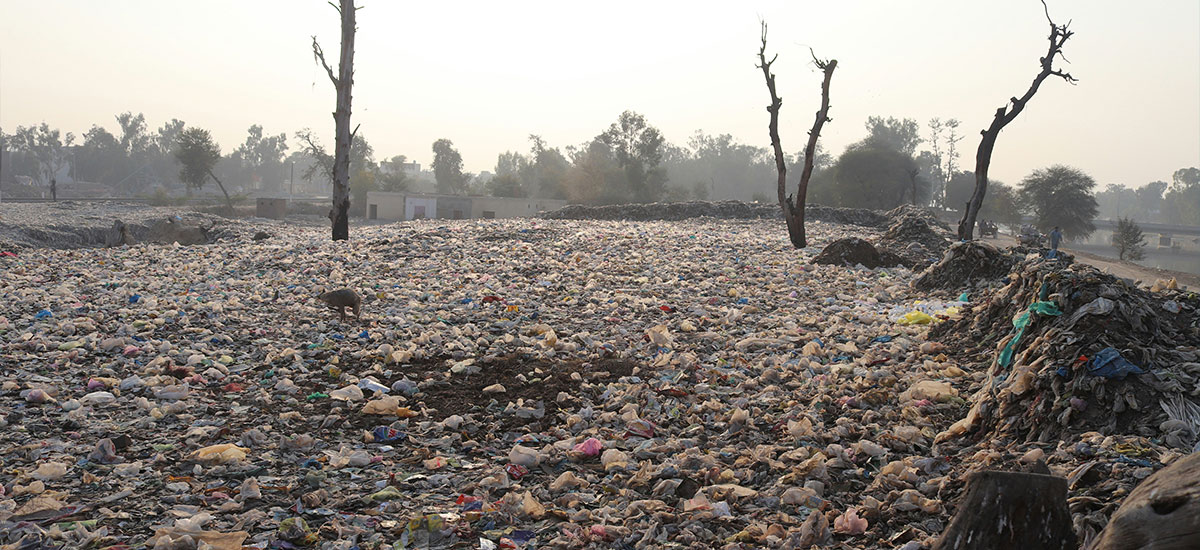 A huge garbage dumping point near the canal near Sahiwal Jhal Road, Pakistan.
“I think it’s important that travelers have a clear understanding that the priorities of people in different countries are often different,” says Bruce, from The Tuk Tuk Club in Thailand.
“Compared to most areas we visit on our trips, travelers have incredibly luxurious lives and have both the time and money to focus on things other than tomorrow’s meal. This doesn’t mean that people in Thailand don’t care about plastic – far from it, many do and the number is getting bigger every year.
“But there’s a different set of priorities in life when there isn’t a safety net of the state, where most don’t have savings, and where life isn’t quite as comfortable.
“Don’t rush to judge a community. Step back and think about those peoples’ priorities. The plastic free campaign in the global north has been ongoing for many years but you still see people bulk-buying water.”
At home, recycling is a short term solution, and we must keep putting pressure on multinationals – who make huge profits from cheap packaging – to change their ways.
Where we have choices, we should keep using alternatives and recycling, but remember that the biggest thing that we can do is to vote for parties with green policies, and choose to keep our finances – from pensions to savings – in banks that are making green investments.
Have you ever found a fortune telling fish in a Christmas cracker? This slippery red slip of polythene curls and dances on your hand for all of five minutes, before being swept into the bin with the rest of the post-dinner detritus.
While our plastic problem is huge, it is a symptom. And it’s becoming a curling, contorting red herring from the biggest problem of all – carbon.
If you cross from Uganda to Rwanda by road, it may take a while to realise what’s missing. “When you cross the border, after about 10 minutes’ driving you think… something’s different,” says Leonie Taylor, travel specialist at our partner Wayfairer Travel, who lives in Kampala.
Rwanda banned plastic bags back in 2008; they’re confiscated from your luggage when you enter the country.
In many countries roadside plastic waste, caught on fences alongside highways, is a common sight. Not so here. Alongside the plastic ban, Rwanda has a mandatory community service called Umuganda, where one Saturday a month everyone picks litter together.
Rwanda is not alone. Kenya banned plastic in 2017. Yet these countries are exceptions. Currently, two billion people worldwide do not have their own drinking water on tap – meaning that they need to collect it from a communal source or use bottled water. Either way, plastic is often the lightest, cheapest way to carry and consume water – and the safest.
Africa produces five percent of the world’s plastic – but imports billions of dollars of plastic waste every year from other nations.
The war on plastic
Responsible tourists hate plastic. We ask our travelers ‘Did you feel that your vacation benefited local people, reduced environmental impacts or supported conservation?’ when they return from a Responsible Travel trip. Many are quick to call out single-use plastic.Polymer-shaming is rife because plastic fills our lives: its rise has been astronomical. In 1950 we had produced only two million tonnes of it; by 2017 we were producing 348 million. By 2040 the industry is projected to be twice as big.
Producing plastic for our needs contributes to greenhouse gas emissions. Burning it when we no longer need it does so again.
Since plastic takes some thousands of years to break down naturally, it’s a wonderfully permanent substance, that we utilise in the most impermanent situations.
The dangers of plastics are partially known: microplastics harm our health whilst large plastic nets entrap sea life.
Covid set us back in the battle to reduce it. Suddenly, hygiene came at any cost – and in a tide of latex gloves, elasticated masks and disposable wipes.
There is not enough money being put into research on the effects of plastic in the environment. However, global leaders from 175 countries have now agreed to draw up a United Nations treaty – the first of its kind – on how to deal with plastic waste.
Our war on plastic is one of many environmental struggles in the world. But it is one that is very visible. Whether you see it charring in piles on the side of a road, or caught in a tree on your travels, it’s hard to ignore. But are we making too much fuss about it?
Rubbish views
“It’s one of the most dirty in terms of plastic countries I’ve ever been in my life – on the outskirts of Amman, the sea of plastic is constant as you drive out of the city.”“In many parts of the Middle East plastics are not recycled properly or at all, and it’s common for example to see plastic bags blowing everywhere in fields and nature.”
“The archaeological sites in Sudan can be full of rubbish – it’s hard to keep the rubbish out – it comes in the wind, there’s nowhere to put it.”
“I feel it’s a desperately urgent issue and I do not know what the solution is.”
Our partners, travelers and colleagues all have strong opinions about plastic on vacation.
How tourism can help cut plastic pollution
If wealthy tourists want to go somewhere, roads get built which everyone can use. In the same way, if tourists are put off by plastic waste, the waste gets cleaned up and everyone benefits.The Croatian coast is a good example: “The coastline is not covered in rubbish, the sea is not full of plastic, and the reason for that is that the people rely on tourism for their livelihood and so they keep it pretty clean,” says Powell Ettinger, founder of our partner The Small Cruise Ship Collection, which runs cruises on small, locally owned and operated boats around Croatia’s islands.
“Local people just assume foreigners need bottled water and constantly produce it,” explains Mary King, who runs Vistas, our sketching and painting vacation partner with trips in Italy, Morocco, Sri Lanka, Scotland and the Canary Islands. Tourists can help challenge this perception by using reusables and drinking tap water when they can.
On a recent Responsible Travel vacation in India, I was given packed lunches of egg chapatis wrapped in paper, tied up with string, stacked neatly in an origami newspaper bag: not a scrap of plastic in sight.
From providing plastic free water sources, to clever packed lunches, many of our partners have made fantastic strides towards removing plastic from their vacations.
Some of our friends in destinations have better facilities for recycling than their neighbours and take in waste for their community. Others – like Mystic Blue, our sailing specialists in Greece, help clean up their local beaches in their off season.
Responsible Travel launched a plastic free travel guide and campaigned to ban microbeads in 2016. And our partners’ continued efforts give us hope for further change.
Drops in the ocean
But there are limits to what a vacation company can do when plastic waste is a systemic problem in a country.“The lack of local infrastructure to deal with plastic waste is the main barrier,” say Encounters Travel, our adventure tour partner.
“Visitors notice plastic waste on local islands, as refillable glass bottle water delivery is only currently available in the capital area,” says Ruth Franklin, co-founder of our Maldives experts Secret Paradise. Their tours visit local islands inhabited by Maldivians, which lack the infrastructure of the capital and the resort islands.
In Sri Lanka, where visitors regularly complain about plastic waste, our expert partners Tikalanka identify several barriers to cleaning the island, among them “government apathy, lack of alternative plastic free products, and poor knowledge of plastics in the environment”.
“There aren’t municipal tips in Thailand and many parts of the country don’t have government refuse collection,” explains Bruce Haxton, founder of our partner The Tuk Tuk Club.
Fighting against this system isn’t something that tourism companies always can – or should do. “Whilst we do talk to our accommodation providers and other partners, we don’t believe it’s right for us to dictate their plastic use,” says Bruce. “In many cases it’s about ease of supply.”
On a recent Responsible Travel vacation in rural India I was struck by the complete lack of plastic in tribal villages. Subsistence communities simply couldn’t afford to use it. Their picturesque lifestyles – wooden bowls, metal water pails, covers made from leaves and woven bamboo – were the result of desperate poverty. And climate change was creating unseasonal rain, meaning that their harvest, stacked in the open, was at risk of rotting away. For communities like this, plastic is a luxury.
Are we asking too much?
Perhaps we should interrogate what we’re thinking when we see plastic waste on vacation. We’re understandably disappointed that a great view is being spoiled, but we’re also imposing a particular expectation – and a judgement – on communities who may not have had to deal with plastic waste before, or seen it as a problem on the scale of the other challenges they face. We do not always express the same disappointment when we see a large cattle farm, or a power station, though these do their own enormous environmental harms.We are critical of visible plastic, but the plastic problem is everywhere. The plastic microfibres that shed from our clothes and enter our water every time we wash them are another – massive – subject all together.
It’s worth noting that some of the cleanest places in the world are the result of their inhabitants being the subject of somewhat draconian rules: Singapore, with its severe consequences for littering, or Rwanda, with its strict Umuganda.
Some of the world’s cleanest regions are in the global north: Switzerland, Germany, Scandinavia. Their municipal cleanliness has many origins – a government with a reliable waste disposal set up and a civic-minded population that enjoys the wealth – and the luxury of time that this brings – to recycle, to name but two.
The West displaces its shame. Plastic is sent overseas, then tourists travel overseas and express distaste that it spoils the view.
The global north has its own enormous issues with plastic waste. The US and UK produce the most plastic per capita in the world. For all its resources, the UK hasn’t made much dent in its polymer problem beyond exhorting the public to denounce plastic straws (0.025 percent of marine plastic waste). The UK ships 60 percent of its waste to other countries for recycling, such as Turkey and Malaysia.
Plastic cannot be recycled ad infinitum; the recycling process eventually breaks down its structure, rendering it unusable. Lots of ‘recycled’ plastic ends up burnt or buried. Not all of it enters the recycling plant in the first place. The global north displaces its shame – we pay countries to take our plastic, then tourists travel overseas and express distaste that it spoils the view.
Why does Japan have so much plastic waste?
Japan is notorious among responsible tourists, who are often dismayed by the amount of plastic swaddling groceries in Tokyo’s shops. Fresh fruit is often imported and needs to be protected on its journey.It’s a cultural clash, explains Robert Moran from our partner Inside Tours: “Japan has a culture of hospitality – or omotenashi – where every effort is made to ensure everything is clean, convenient and just right for the customer. Unfortunately, this leads to a large reliance on plastic – plastic gloves at breakfast buffets, plastic wrapping of fruit, or individual plastic wrapping of snacks inside a multi-bag. Japanese people often see this as very thoughtful and considerate, to preserve strict hygiene and cleanliness standards, whereas many of our staff and customers see it as extremely wasteful.”
By all accounts, too, Tokyo citizens are fastidious recyclers.
The blame game
The war on plastic does not benefit all communities. It might deprive them of dignity. In countries like India, climate change is challenging the water security of rural villages, whilst in Senegal you’ll visit villages that are reliant on wells. There might be an influx of plastic bottles in their futures, for which they shouldn’t be shamed.“I think it’s important that travelers have a clear understanding that the priorities of people in different countries are often different,” says Bruce, from The Tuk Tuk Club in Thailand.
“Compared to most areas we visit on our trips, travelers have incredibly luxurious lives and have both the time and money to focus on things other than tomorrow’s meal. This doesn’t mean that people in Thailand don’t care about plastic – far from it, many do and the number is getting bigger every year.
“But there’s a different set of priorities in life when there isn’t a safety net of the state, where most don’t have savings, and where life isn’t quite as comfortable.
“Don’t rush to judge a community. Step back and think about those peoples’ priorities. The plastic free campaign in the global north has been ongoing for many years but you still see people bulk-buying water.”
The red herring
Plastic pollution is a massive global issue, but its presence is not a reliable indicator of local attitudes. There are political, societal and practical reasons why reducing plastic waste around the world will take a long time. Untangling the mess that is global usage is far more complicated than simply telling people not to use plastic bottles.At home, recycling is a short term solution, and we must keep putting pressure on multinationals – who make huge profits from cheap packaging – to change their ways.
Where we have choices, we should keep using alternatives and recycling, but remember that the biggest thing that we can do is to vote for parties with green policies, and choose to keep our finances – from pensions to savings – in banks that are making green investments.
Have you ever found a fortune telling fish in a Christmas cracker? This slippery red slip of polythene curls and dances on your hand for all of five minutes, before being swept into the bin with the rest of the post-dinner detritus.
While our plastic problem is huge, it is a symptom. And it’s becoming a curling, contorting red herring from the biggest problem of all – carbon.
Tips
- Trust your vacation company about tap water.
- Ask your guide what the word for ‘plastic bag’ is in the languages of the places you visit, and how to say no when you are offered one. Our partner Montenegro Eco Adventures teach their guests the Montenegrin phrase “ne treba kesa” (I don’t need a bag).
- Sometimes plastic is part of a local circular economy. Travelers can give their empty bottles to local people who sell them to recycling companies or clean them out and reuse them.
- Browse our selection of plastic free vacations.