Raja Ampat & Wakatobi snorkeling vacation

Price
US $13750 including domestic flights only
Duration
20 Days
Type
Small group
More info
Single supplement rates upon request.
All internal flights, transfers, meals and activities listed are included.
International ATOL protected flights available, please inquire.
We only have a solo female share space available for both the 30 Apr 2026 & the 2027 date.
All internal flights, transfers, meals and activities listed are included.
International ATOL protected flights available, please inquire.
We only have a solo female share space available for both the 30 Apr 2026 & the 2027 date.

Description of Raja Ampat & Wakatobi snorkeling vacation
Map

Price information
US $13750 including domestic flights only
Single supplement rates upon request.
All internal flights, transfers, meals and activities listed are included.
International ATOL protected flights available, please inquire.
We only have a solo female share space available for both the 30 Apr 2026 & the 2027 date.
All internal flights, transfers, meals and activities listed are included.
International ATOL protected flights available, please inquire.
We only have a solo female share space available for both the 30 Apr 2026 & the 2027 date.
Check dates, prices & availability
Travel guides
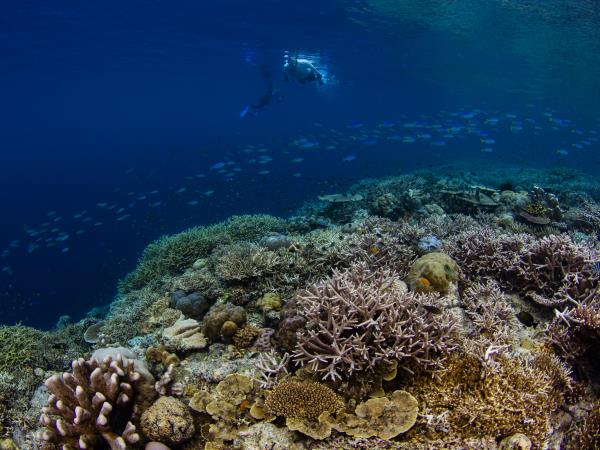
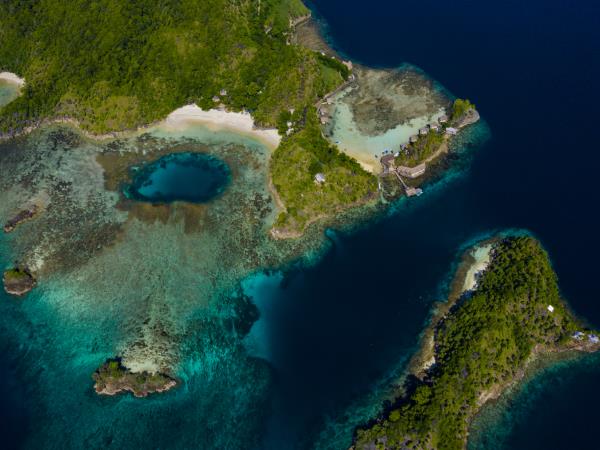
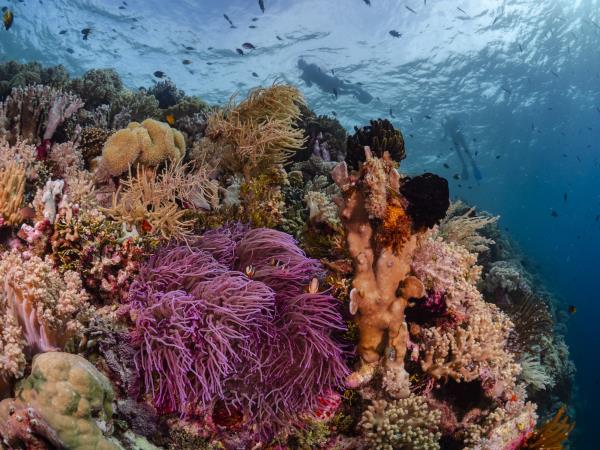
One of the most biodiverse marine environments in the world, Raja Ampat is a collection of 1,500 islands.
Find out what a snorkel safari vacation involves, and why Southeast Asia's Coral Triangle is the place to go.
Responsible Travel
As the pioneers of responsible tourism, we've screened this (and every) vacation so that you can travel knowing we've worked to maximise the benefits of your vacation to local people and places, and minimise any negative impacts.
Planet
CARBON REDUCTIONWhile it is tricky to reduce the amount of flying given the remote nature and limited transportation methods available to these destinations, we do make every effort possible to streamline our flight itineraries to reduce any unnecessary domestic flights between islands.
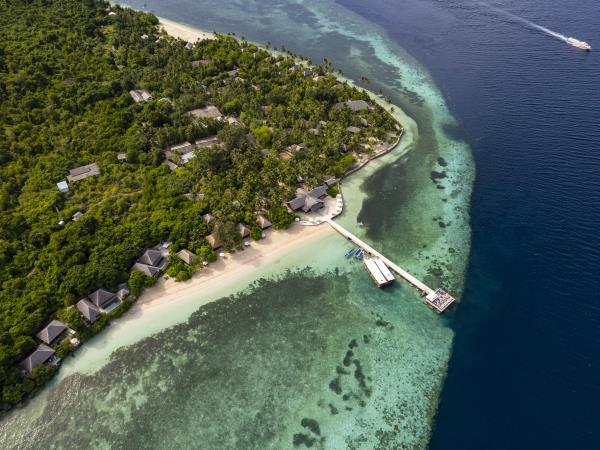
The resorts we will be visiting do a great job at reducing their carbon footprint as Misool has a maximum capacity of forty guests and Wakatobi can accommodate about eighty guests. These small group numbers help avoid the environmental impact associated with large-scale tourism operations. To add to that, both resorts are built with a minimal physical impact on the environment as each structure is placed in a location where there would not need to be any significant manipulation of the existing terrain or vegetation. The resort also treats its own sewage and inorganic waste so as to ensure that nothing harmful is introduced into the sea or surrounding environments. Misool resort also has its own water reclamation station as well as a solar farm that supplies the resort with the bulk of its power, while Wakatobi has its own desalination plant.
Prior to each tour, we send out a travel document in which a whole section is dedicated to how our guests can do their part to reduce their carbon emissions. We only allow reef-safe sun creams to be used on tour and encourage guests to use rechargeable batteries and reusable water bottles instead of single-use options. We also encourage guests to purchase carbon credits through Gold Standard while also providing them with the necessary online resources to help track their own carbon footprints.
At both resorts, vegan and vegetarian food is available at all meals, as long as enough notice is given prior to your arrival.
Both resorts make a big effort to use ingredients primarily from the local markets, farmers, and fishermen. All of the seafood offered is from the local fishermen who fish using sustainable fishing methods. With the exception of beef, all the meat is from local markets, as are the majority of the fruits and vegetables served at each meal. In the case of Misool, most of the vegetables are grown in the resort's own hydroponic garden.
ENVIRONMENT AND WILDLIFE
Both resorts do a great job of minimizing their impact on the local environment for a number of reasons. Neither resort has large manicured gardens requiring the use of pesticides or excessive amounts of water. The resort has essentially let the plants and trees grow as they normally would, with simple pathways built around them and not through them. While Wakatobi has small plunge pools, they are salt water pools so there is no real concern where water and chemicals are concerned. Where light pollution is concerned, all the exterior lights are low watts and minimal in numbers so as not to affect any wildlife at night. The resorts do not sell or distribute single-use plastic water bottles, instead, they provide every guest with their own personal water bottle.
Both Misool and Wakatobi are part of a larger marine protected area and as such they do require entry fees which help to protect the surrounding area and supplement the local economy. Wakatobi works side-by-side with the village they share the island with as well as the Wakatobi Collaborative Reef Conservation Program. These partnerships have helped provide education, jobs, and resources to the villages, but also helped curb destructive fishing habits like dynamite fishing and cyanide fishing.
Misool Resort also has its own foundation called the Misool Foundation which safeguards the most biodiverse reefs on Earth through the empowerment of local communities, providing a structure by which they are able to reclaim their traditional tenureship of reefs.
For each booking we receive for this tour, $100 USD will be donated to the Misool Foundation.
Prior to each trip, we send out an information packet with all the necessary travel information, but also relevant information about how our guests can reduce their impact on nature. We follow a strict “No Touch” policy with marine life and wildlife in general, whether it be with your hands or snorkeling fins. Our goal is to leave the marine life just as we found it.
While our tours are led—from start to finish—by a professional snorkel guide, we will also be accompanied by local snorkeling guides who will have had to pass at least a PADI or SSI Dive Master Certification. A big part of this certification is based on how not only to control yourselves in the water so you don't damage the reef, but also how to positively interact with the marine life.
People
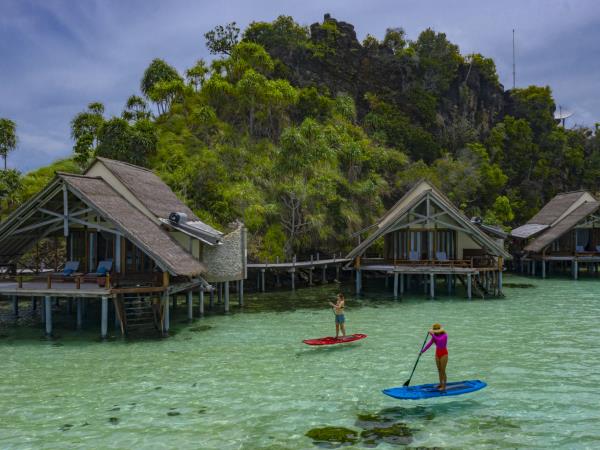
LOCAL ECONOMYMisool Resort is a remote boutique resort in southern Raja Ampat where nearly all of the resort's staff come from. The few that are not from the local villages are from other parts of Indonesia, like Sorong or Manado.
Wakatobi operates in a very similar way, only they are located in the south-east of Sulawesi.
EMPLOYMENT, INCLUSIVITY AND DIVERSITY
Aside from the owners and managers of the resort, every member of the resort's staff comes from the nearby villages or neighboring islands. The resorts employ around one hundred and sixty people to two hundred and fifty.
We are pleased to say that all of our ground operating partners pay at least a minimum wage in Indonesia.
Our workplace is small, we are a team of six operating mostly out of our home offices. Our ethos is snorkeling, traveling, and working hard, as long as you fit those requirements we don't care who you are.
Our tours are all people friendly, if you are fit enough to snorkel for a week or even a month, we don't care where you are in the alphabet.
Popular similar vacations
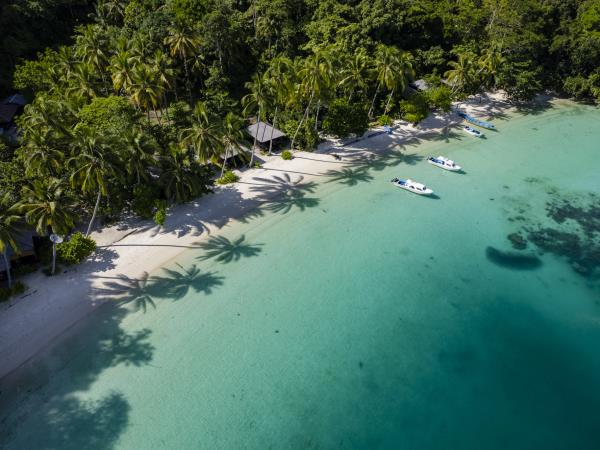
Snorkeling vacation in Triton Bay & Raja Ampat
From US $8400 13 days including domestic flights only
Snorkel with whale sharks mantas and beautiful reef fish
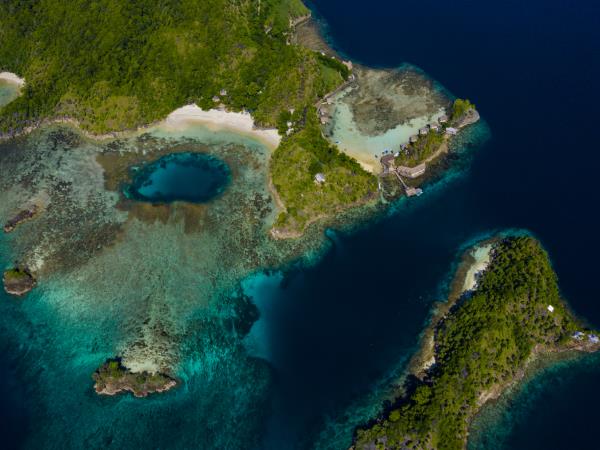
Southern Raja Ampat snorkelling vacation, Indonesia
From US $10565 15 days including domestic flights only
The most biodiverse reefs surrounding a stunning resort
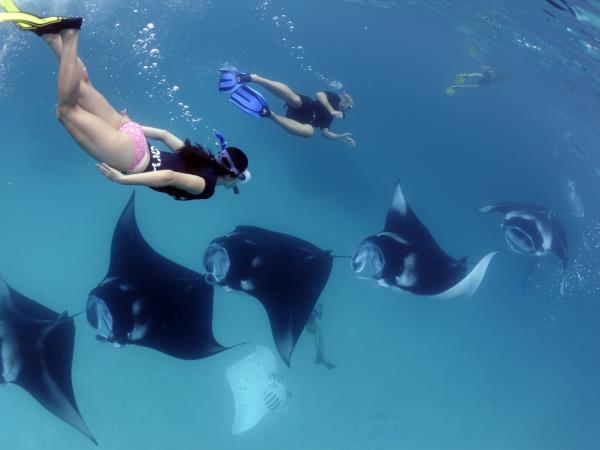
Maldives snorkelling cruise
From £1318 - £1465 8 days excluding flights
Snorkelling beautiful reefs aboard a Small Ship