Raja Ampat travel guide

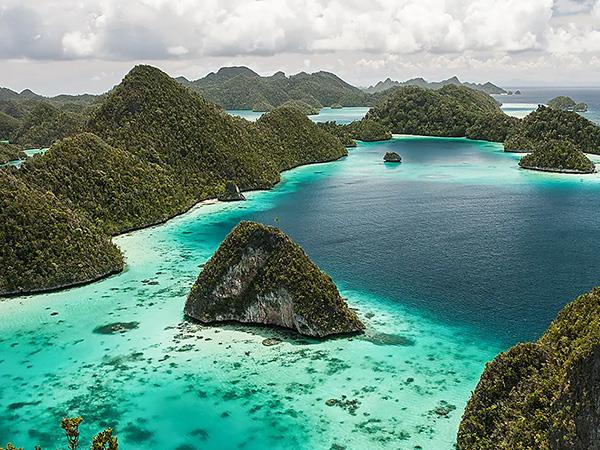
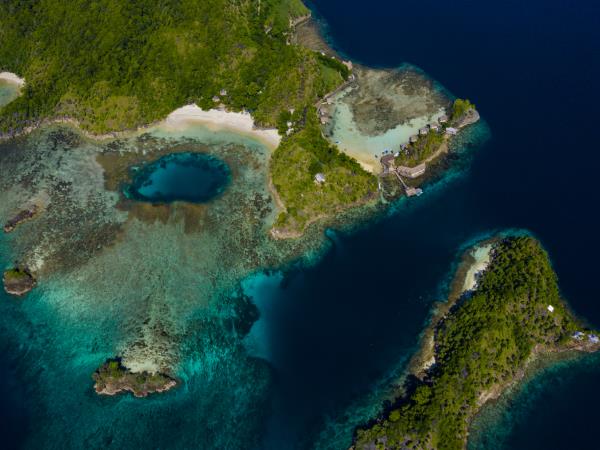
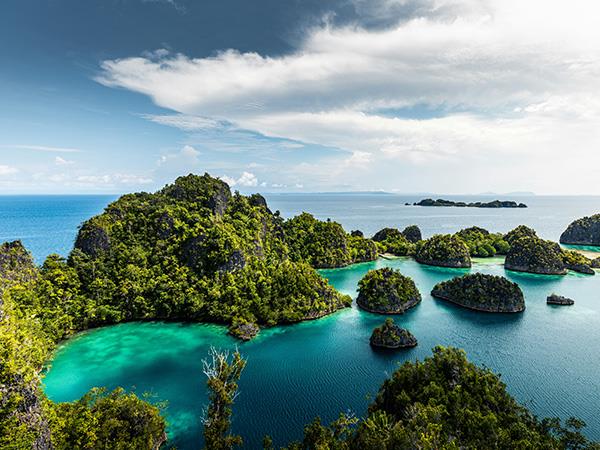
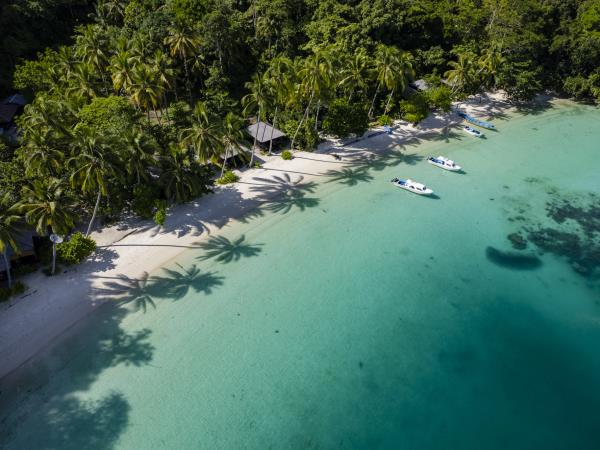
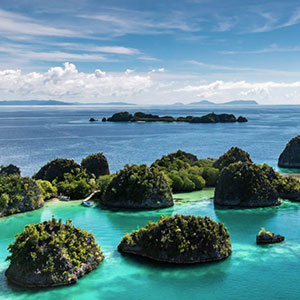
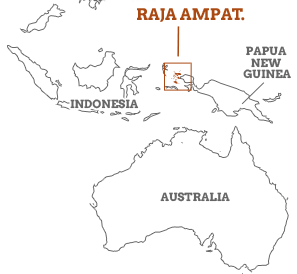
Although Raja Ampat’s 1,500 islands are carved with sandy bays and turquoise lagoons, most people who make the long journey to this remote part of East Indonesia don’t come to laze on the beach. They’re here to jump in – cruising, diving or snorkelling to observe the mind blowing marine diversity thriving in these waters, home to a massive 80 percent of the world’s coral species.
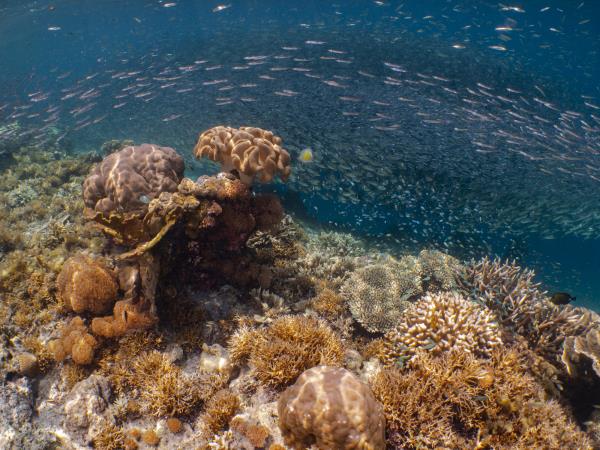
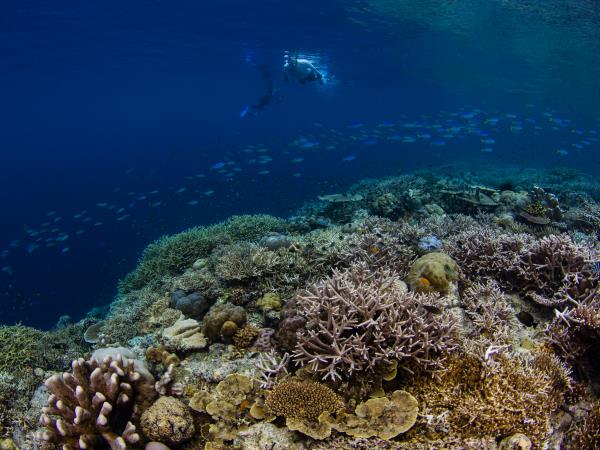
Things get busy below the waves, where coral reefs teem with life. Dive in!
Anyone with enough diving experience to tackle the sometimes strong currents can explore Raja Ampat’s 200 or more dive sites, discovering turtles galore, schooling fish and reef sharks, sperm whales feeding, manta rays freshening up at cleaning stations, tiny seahorses and gentle dugongs. Back on land, or aboard small cruise ships, the views ‘topside’ are exceptional, and island-hopping gives you the chance to spend time on the inhabited islands with local guides. Read more in our travel guide.
What to do in Raja Ampat…

The beautiful reefs of Raja Ampat are showing remarkable resistance to global marine issues such as climate change, coral bleaching and disease, and conservation projects aim to preserve the region’s exceptional biodiversity. You can help. Join a volunteer vacation, doing marine conservation research and survey dives, and working with the community to educate local people on environmental issues, sustainable fishing and the benefits of protecting marine areas. Explore beneath the waves – you’ll find some of the best diving in the world here. Reefs are healthy and plentiful, home to a dazzling array of fish, and on a single dive you can spot manta rays, giant clams and pygmy seahorses, schools of barracuda and even the endemic wobbegong shark. There’s also good muck diving to observe ‘macro’ life – small fish, molluscs and ‘critters’ – plus amazing snorkelling accessible from the beach. Read up on how to dive responsibly before you go though. Bring your binoculars and spot the exotic and abundant birdlife here. Around 160 species of birds live around Birie and Batanta Island. Look out for noisy cockatoos and parrots, beach kingfishers, hornbills and raja shelducks, and the two species of bird of paradise that are endemic to Raja Ampat, the Wilson’s and Red.

Contact Us

Responsible Travel, Travel Team

Call us for a chat about our vacations. We are happy to discuss your vacation and help in any way we can. No bots, queues or awful hold music.

Responsible Travel, Travel Team

What not to do in Raja Ampat…

Expect a multi activity vacation. Raja Ampat is very much a marine destination. Some islands have viewpoints, there are a few waterfalls and walking trails, but exploring inland is not easy as island interiors tend to be jungly and steep. Most life takes place underwater, on the water or by the water.
While the diving is exceptional in Raja Ampat, this isn’t the best place to come if you’re a beginner. This remote region attracts experienced divers who are prepared to pay top dollar to travel all the way here and can cope with the strong currents that swirl around some of the best sites. Beginner divers can be catered for, and resorts and volunteering vacations sometimes include PADI Open Water Diving certification, but new divers will miss out on the most thrilling sites and drift dives. Medical support services are extremely limited, too, and all divers need to take out comprehensive insurance which covers evacuation and treatment, in case of an accident.
Raja Ampat’s fragile environment can easily be damaged by products containing harmful agents. So don’t bring toiletries or sunscreens that are heavily perfumed or antibacterial; instead, seek out natural products. Limit the plastic you bring, too, remove excess packaging and don’t bring non rechargeable batteries, since waste disposal is challenging and recycling facilities limited.
Written by Joanna Simmons
Photo credits: [Page banner: Alexandra Rose] [Map Intro: bubusbubus] [Things to do: Ratha Grimes]