Benin cultural vacation

Price
US $2495 excluding flights
Duration
6 Days
Type
Tailor made
More info
We are the leading local responsible travel tour operator in the region as we give back to all the communities we visit, leaving nothing but positive footprints.

Description of Benin cultural vacation
Price information
US $2495 excluding flights
We are the leading local responsible travel tour operator in the region as we give back to all the communities we visit, leaving nothing but positive footprints.
Departure information
This trip can be tailor made throughout the year to suit your requirements
Travel guides
Our travel guide explores this little-visited West Africa nation, revealing stories of temples, villages and festivals.

From Moroccan souks to East Africa's savannah, our Africa travel guide reveals a continent that needs several lifetimes to explore.
Vacation information
Diet:
We can cater for vegetarians on this vacation. Sadly we cannot offer vegan food.
Responsible Travel
As the pioneers of responsible tourism, we've screened this (and every) vacation so that you can travel knowing we've worked to maximise the benefits of your vacation to local people and places, and minimise any negative impacts.
Planet
CARBON REDUCTIONThis itinerary has been designed as a compact overland cultural journey based primarily around southern Benin, reducing the need for domestic flights and long-distance internal transport. By focusing on Cotonou, Porto-Novo, Ouidah and Abomey within a manageable travel circuit, the programme minimises unnecessary transport emissions while allowing deeper cultural engagement with fewer hotel changes.
Shared ground transportation is used throughout the itinerary, reducing the environmental impact per traveler compared with independent transport arrangements. Transfers between destinations are planned efficiently to avoid unnecessary return journeys and excess fuel consumption.
Several experiences included in the programme are low-impact walking tours, including visits to markets, museums, historical districts, sacred forests and heritage areas in Porto-Novo, Ouidah and Abomey. These slower-paced cultural experiences encourage meaningful interaction with local communities without intensive use of motorised transport.
Meals throughout the itinerary prioritise locally sourced ingredients and traditional Beninese cuisine prepared by local restaurants and small businesses. Guests are encouraged to try seasonal dishes made from locally grown produce, fish, cassava, yams and vegetables sourced from regional markets, helping reduce reliance on imported foods.
Vegetarian dishes are widely available throughout the journey, particularly in local restaurants serving rice, beans, vegetables, sauces and cassava-based meals. Guests are encouraged to make lower-impact food choices where possible during the tour.
Locally owned accommodations and restaurants are prioritised where available, helping reduce dependence on international supply chains while ensuring tourism revenue remains within the local economy. Smaller-scale hotels used during the itinerary generally operate with lower resource consumption than large resort developments.
Guests receive guidance on reducing their environmental footprint while traveling, including limiting plastic waste, carrying reusable water bottles, supporting locally made crafts rather than imported souvenirs, conserving water and electricity, and respecting sacred natural and cultural heritage sites.
The itinerary also promotes sustainable purchasing practices by encouraging travelers to buy handmade products directly from local artisans and traders at markets and workshops rather than imported manufactured goods.
As the local tour operator, we have our own foundation that focuses on connecting communities to the conservation of their surrounding environment through ethical tourism. Profits from our trips are directed toward supporting the many conservation and community initiatives we have developed, including environmental education, community empowerment projects, cultural preservation initiatives and conservation-focused tourism programmes that encourage sustainable development within local communities.
ENVIRONMENT AND WILDLIFE
This itinerary promotes awareness of Benin’s cultural landscapes, sacred natural sites and traditional belief systems that have historically contributed to the protection of forests, wildlife and biodiversity. Several visits highlight the relationship between spirituality, conservation and community stewardship.
The Sacred Forest of Ouidah demonstrates how traditional belief systems have helped preserve important green spaces and biodiversity within urban areas. Local guides explain the cultural significance of the forest and how sacred protection has contributed to the conservation of trees and wildlife habitats over generations.
Visits to sacred and historical sites are conducted respectfully with guidance from local community members who educate visitors on cultural protocols and environmental sensitivity. This helps preserve the integrity of important spiritual and heritage locations.
The itinerary encourages low-impact tourism practices by focusing on cultural heritage, education and community engagement rather than environmentally damaging activities. Walking tours and small group experiences help reduce pressure on local infrastructure and sensitive sites.
Preference is given to accommodations and restaurants that employ local staff, minimise unnecessary waste and source food products locally where possible. Smaller locally operated properties generally have lower environmental impact and stronger community connections.
Guests are encouraged to reduce single-use plastics throughout the journey, particularly in coastal areas and markets where waste management systems may be limited. Responsible disposal of waste and respectful behaviour within sacred sites are emphasised by guides throughout the tour.
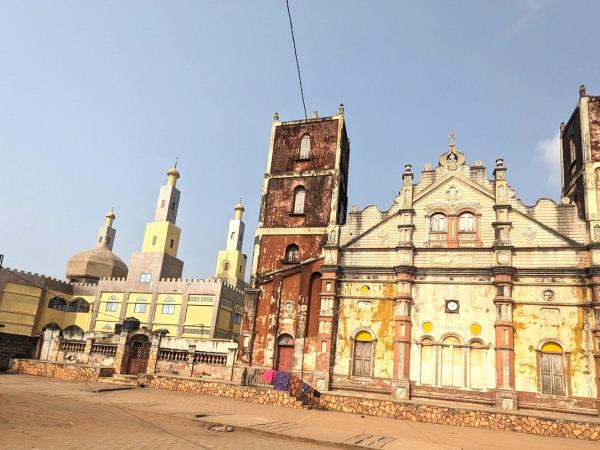
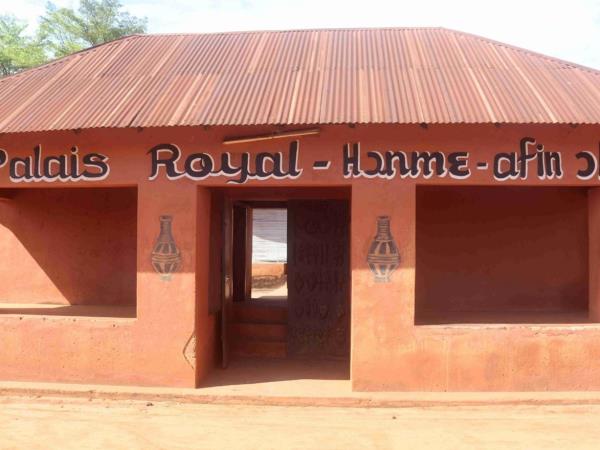
The programme supports preservation of historical and cultural heritage through entrance fees and guided visits to museums and UNESCO-recognised historical areas such as Abomey and Ouidah. Tourism revenue helps support maintenance, conservation and public awareness of these important heritage sites.
Local guides provide cultural interpretation rooted in community knowledge and lived experience, helping visitors better understand the historical relationship between local traditions, spirituality and environmental stewardship in Benin.
Through our foundation, we work alongside local communities to strengthen the connection between cultural preservation, environmental protection and ethical tourism. Revenue generated from our tours helps support conservation awareness programmes, community initiatives and sustainable tourism projects that encourage local people to protect and preserve their surrounding environments and cultural heritage.
People
LOCAL ECONOMYThe itinerary supports locally owned businesses throughout Benin, including accommodations, restaurants, craft markets, museums, transportation services and independent guides. Tourism spending is directed toward small and medium-sized local enterprises rather than international chains wherever possible.
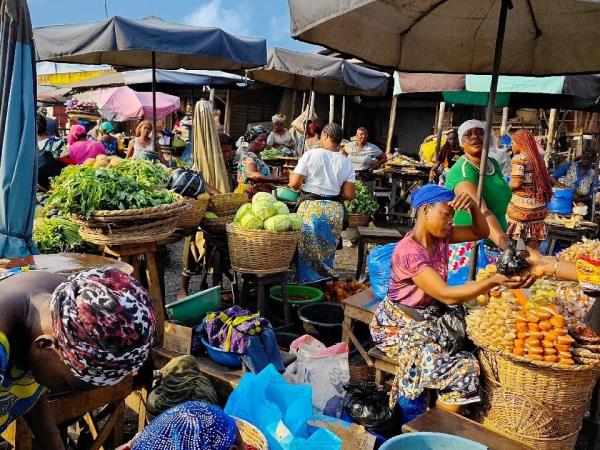
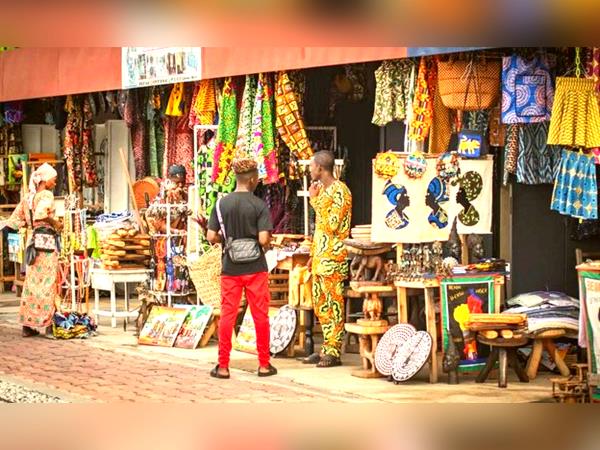
Visits to Dantokpa Market, artisan shops and traditional craft sellers create direct income opportunities for traders, textile sellers, craftspeople and market vendors. Guests are encouraged to purchase locally produced fabrics, artwork and handmade souvenirs directly from artisans.
The itinerary employs local guides and drivers throughout the programme, ensuring visitors benefit from authentic cultural knowledge while supporting employment opportunities within the communities visited.
Museum visits and entrance fees contribute toward preserving Benin’s cultural heritage while supporting local jobs linked to heritage management, guiding services and museum operations.
Meals are taken at locally owned restaurants serving traditional Beninese cuisine, supporting local food producers, market suppliers and hospitality workers while encouraging travelers to engage with regional culinary traditions.
Community interaction throughout the programme allows local people to benefit directly from tourism through storytelling, guiding, artisan workshops, transportation services and hospitality. The itinerary prioritises cultural exchange and locally led experiences rather than externally managed tourism models.
The programme also helps sustain traditional crafts and cultural practices, including textile production, wood carving and Afro-Brazilian artistic heritage, by creating demand for locally produced handmade goods.
As the local tour operator, our foundation reinvests profits from tourism into conservation and community initiatives developed in partnership with local communities. These projects support sustainable livelihoods, cultural preservation, environmental awareness and community development programmes designed to create long-term positive economic benefits through responsible tourism.
EMPLOYMENT, INCLUSIVITY AND DIVERSITY
The trip is operated primarily by Beninese staff, including guides, drivers, hotel employees, restaurant workers, artisans and market traders. Local employment is prioritised throughout the itinerary to ensure tourism directly benefits communities within Benin.
The itinerary supports income-generating opportunities for local artisans, market women, textile traders and small business owners through visits to markets, museums, workshops and cultural heritage sites. Women play a major role within Benin’s informal trading economy, particularly in markets such as Dantokpa.
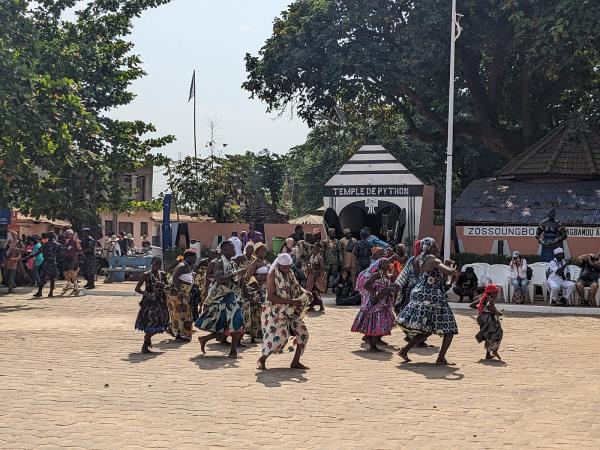
The programme promotes respectful cultural exchange and inclusivity by encouraging visitors to engage with local customs, traditions, religions and ways of life through community-led interpretation and guided experiences.
The itinerary contributes toward preserving cultural identity and traditional knowledge by supporting museums, historical sites and artisan communities that maintain important aspects of Beninese heritage and history.
Local guides are selected for their cultural knowledge and understanding of the historical significance of the destinations visited. Their role ensures visitors receive accurate interpretation while creating skilled employment opportunities within the tourism sector.
Where possible, accommodations and hospitality providers used during the programme aim to create welcoming environments for travelers from different backgrounds. The itinerary can be adapted for travelers with limited mobility in some locations, although certain heritage sites and market areas may present accessibility challenges due to uneven terrain and historical infrastructure.
The tour also encourages responsible visitor behaviour by promoting respect for sacred traditions, local communities and cultural sensitivities, helping foster positive interactions between visitors and host communities.
Through our foundation, we also support community-based initiatives that create educational opportunities, sustainable employment and conservation-focused tourism projects for local people. By linking tourism revenue to community development and environmental stewardship, we aim to ensure tourism contributes toward long-term social, cultural and environmental wellbeing within the destinations we operate.
Popular similar vacations
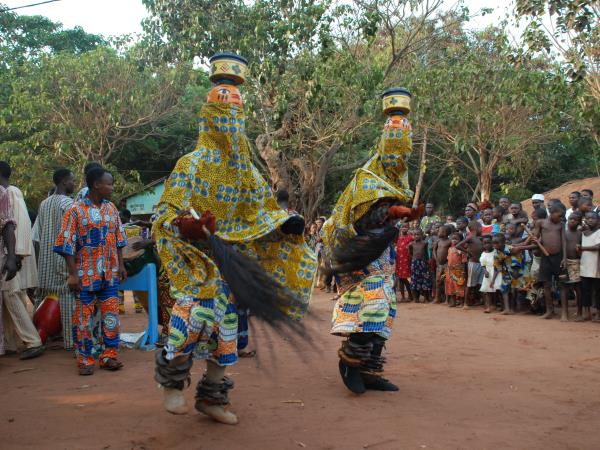
Ghana, Togo and Benin vacation, gold and magic
From £3699 - £4065 14 days excluding flights
Traditional villages and voodoo in Ghana, Togo and Benin
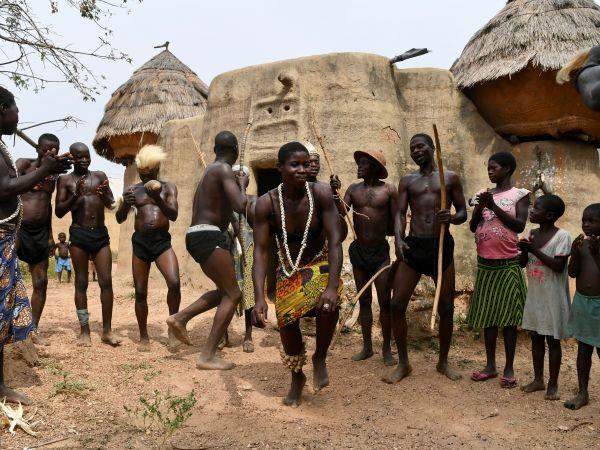
Togo and Benin vacation
From US $5444 - US $6617 14 days excluding flights
See voodoo, unique cultures & slave history in Togo & Benin
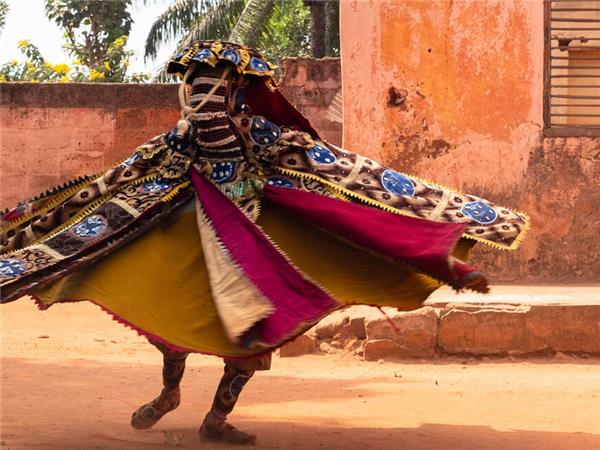
West Africa tour
From US $3880 - US $5000 14 days excluding flights
Discover two small, mighty West African countries