Bhutan royal highland festival vacation
Price
US $3799 excluding flights
Duration
9 Days
Type
Small group
More info
Not Included:
Alcoholic drinks
Tips
Souvenir items
Travel insurance

Description of Bhutan royal highland festival vacation
Map
Price information
US $3799 excluding flights
Not Included:
Alcoholic drinks
Tips
Souvenir items
Travel insurance
Check dates, prices & availability

Travel guides

Attending a local festival provides a fascinating insight into a culture – as well as being great fun.
We unlock the secrets of the dzongs, Druk Path trek and Buddhist festivals in our Bhutan travel guide.
Responsible Travel
As the pioneers of responsible tourism, we've screened this (and every) vacation so that you can travel knowing we've worked to maximise the benefits of your vacation to local people and places, and minimise any negative impacts.
Planet
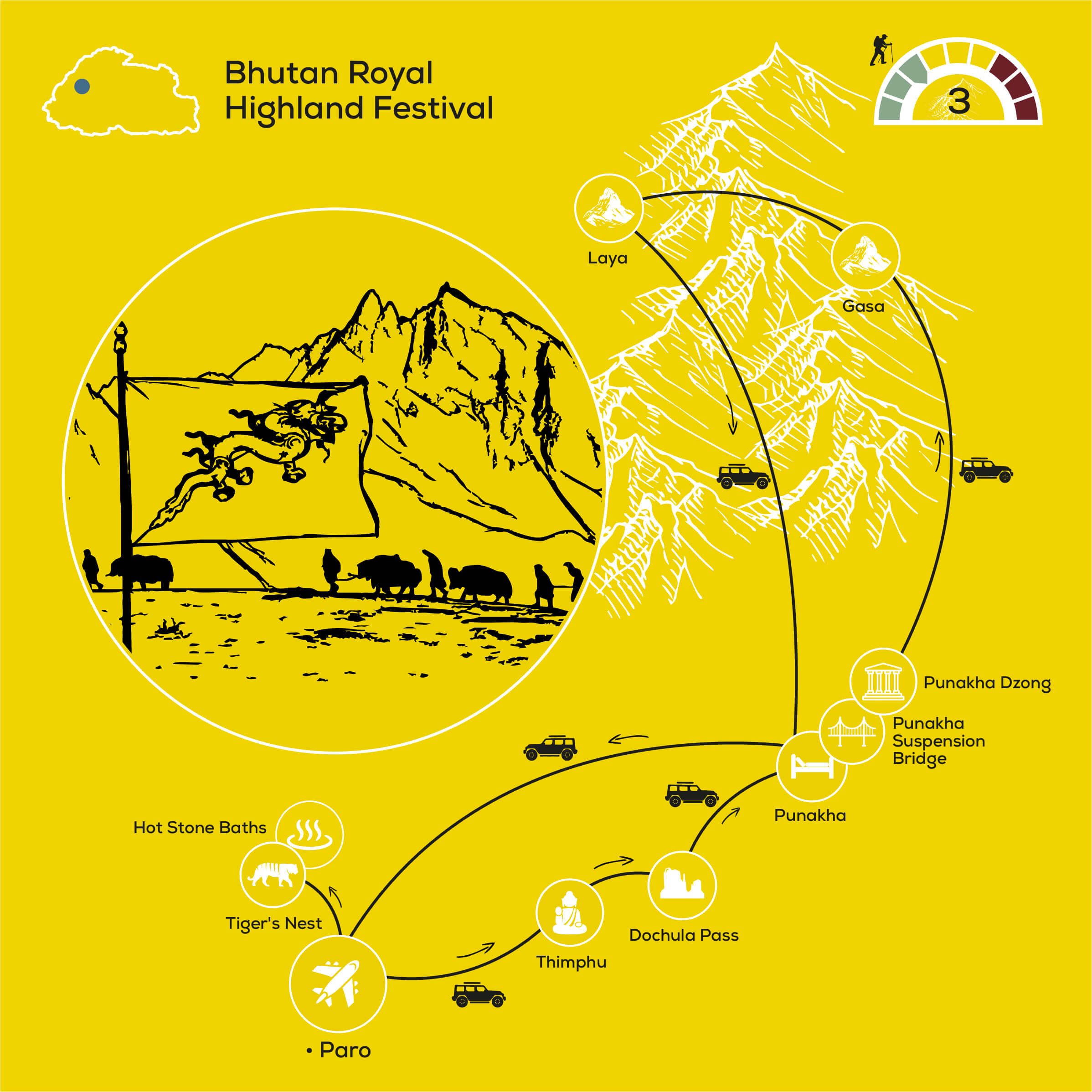
CARBON REDUCTIONThis journey has been designed to minimise operational carbon emissions while still providing access to some of Bhutan’s most remote and culturally significant regions. While international flights are unavoidable to reach Paro, the itinerary avoids internal flights entirely, with all in-country transfers conducted by shared vehicles. Travel between Paro, Thimphu, Punakha, and Gasa is completed overland.
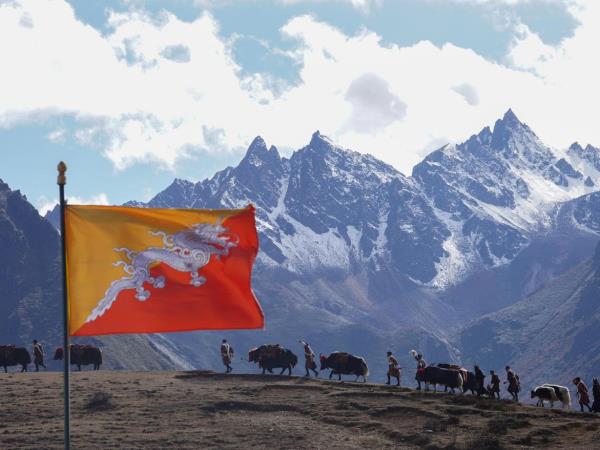
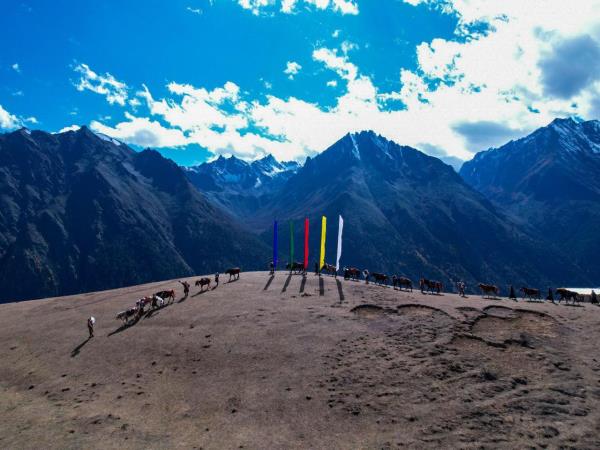
Within the highlands, the trip is primarily human-powered. Trekkers move on foot along established mountain trails, while any heavy equipment, camping supplies, and food are transported using pack animals managed by local herders. This approach reduces reliance on motorised transport in sensitive alpine and riverine environments, ensuring the trip operates with a minimal carbon footprint. Trekking over multiple consecutive days ensures that most of the journey is low-impact.
Accommodation choices are similarly guided by sustainability and low-impact principles. In urban centers, travelers stay in small, locally run hotels or boutique properties, which inherently consume less energy than large international chains. These hotels often rely on natural ventilation, energy-conscious lighting and regionally appropriate construction materials, helping reduce carbon use. In rural regions, overnight stays occur in farmhouses or temporary camping arrangements, which operate without permanent structures or extensive energy infrastructure. Farm stays and camps rely on existing local resources rather than generating additional energy demand.
Food provision emphasises locally sourced and seasonal produce, purchased directly from regional markets wherever possible. Meals include vegetarian options on a daily basis, reducing the carbon intensity of catering at high altitudes. Trekking crews manage cooking using portable, efficient systems.
Travelers are encouraged to use reusable water bottles, filtration systems and also to minimise the use of single-use plastics throughout the trip.
ENVIRONMENT AND WILDLIFE
Bhutan is recognised globally for its conservation framework, with over half the country designated as protected areas. The highlands visited on this trip are part of the Gasa and Punakha districts, which fall within biological corridors connecting national parks. Entry fees for trekking and festival participation directly support conservation management, including park rangers, wildlife monitoring and maintenance of critical habitats.
Trekking routes are carefully selected to reduce ecological impact. Campsites are established in designated locations, limiting erosion and avoiding sensitive alpine wetlands. Group sizes remain small, reducing trail pressure and potential disturbance to wildlife. The itinerary includes guidance on responsible viewing of native species, which may include Himalayan blue sheep, marmots and high-altitude birds. Pack animals are locally owned, accustomed to the terrain, and managed by experienced herders.
Waste management is strictly enforced. All non-biodegradable waste is carried back to settled areas for appropriate disposal.
Accommodation partners in urban and rural areas are carefully selected. While renewable energy infrastructure is still developing, small hotels and farm stays commonly implement water-saving measures, avoid single-use plastics and integrate local materials and low-energy building practices.
This combination of careful route planning, sustainable accommodation, responsible animal use and pre-trip guidance ensures that this journey maintains the integrity of Bhutan’s natural and cultural heritage, leaving the environments visited in a positive state for local communities and future visitors.
People
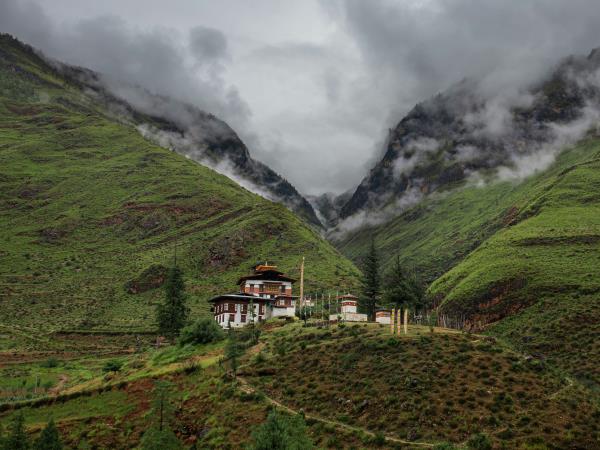
LOCAL ECONOMYThis itinerary ensures that tourism revenue flows directly to local communities. All transport, accommodation, guiding and catering are sourced from Bhutanese providers. Hotels in Thimphu, Punakha and Paro are locally owned and operated, retaining profits within the country. In the highlands, visitors stay in traditional farmhouses or temporary camps, providing income directly to Layap families and remote communities.
Trekking and festival operations employ local guides, cooks and porters, all of whom are drawn from nearby villages or regional centers. Horses and yaks used to carry equipment are owned by local herding families, whose seasonal contracts provide an essential source of income. Food for the trek and festival participation is purchased from local markets, supporting farmers and small traders along the route.
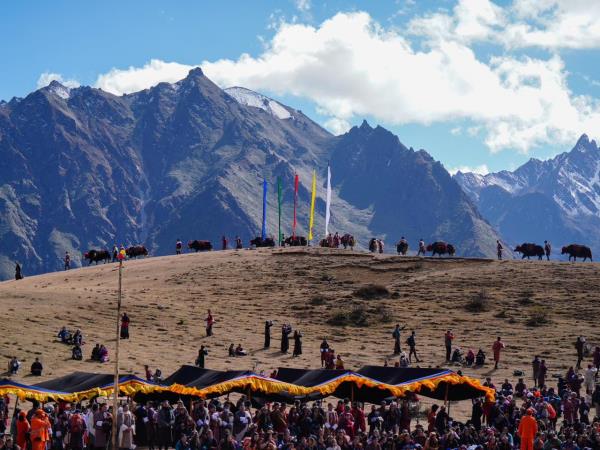
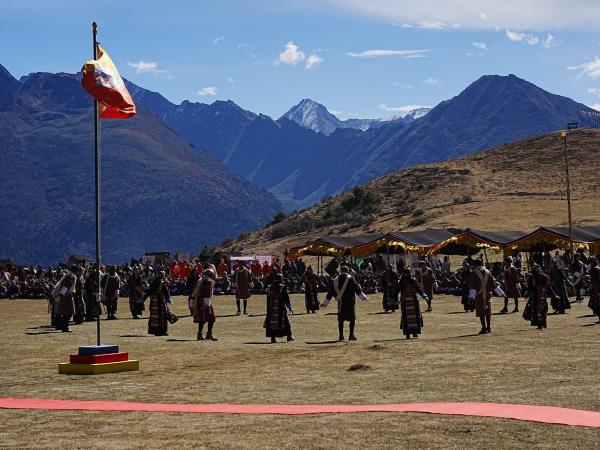
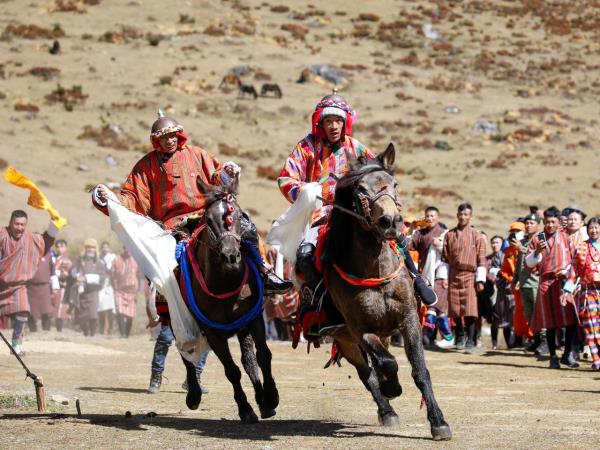
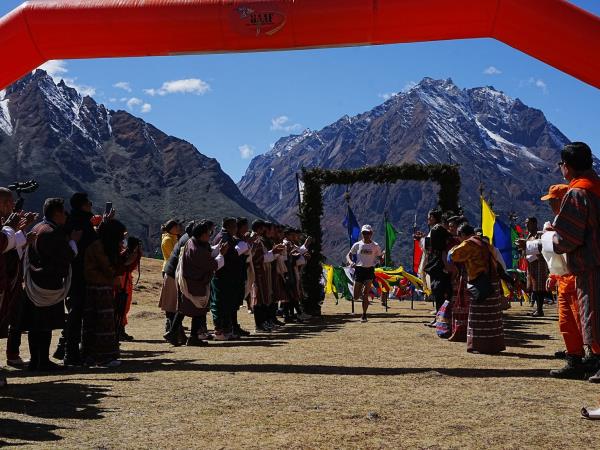
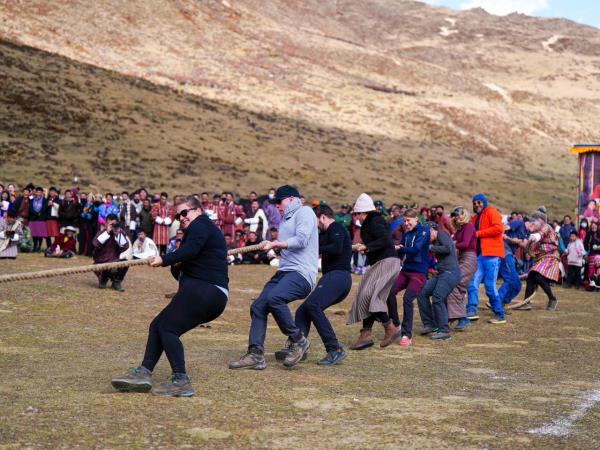
The Royal Highland Festival itself is a key economic driver for the highlands. Participation in competitions, display stalls, and handicraft markets ensures that festival income benefits the local economy. Travelers staying with host families engage in direct cultural exchange while contributing to the household economy through accommodation fees and meals.
Every stage of the journey has been designed to distribute economic benefit widely. By linking small-scale enterprises, seasonal livelihoods and festival activities to the trip, tourism revenue supports education, health and infrastructure in the communities visited.
EMPLOYMENT, INCLUSIVITY & DIVERSITY
The trekking and festival teams supporting this journey are almost entirely Bhutanese, drawn from local communities along the route or from Thimphu and Paro. Guides are formally licensed under Bhutanese tourism regulations, trained in first aid, environmental stewardship, cultural interpretation and high-altitude trekking. Many senior guides also mentor junior staff entering the sector, building long-term local expertise.
Support staff are employed in line with Bhutanese labour standards. These positions provide meaningful income for individuals from remote or nomadic communities who may otherwise have limited employment options. High-altitude herding families benefit from contractual work supplying pack animals and wool, reinforcing traditional livelihoods.
Gender inclusivity is promoted where possible. Female guides and hospitality staff are increasingly visible in urban hotels and cultural sites. While high-altitude trekking remains physically demanding and male-dominated, inclusive practices are encouraged among operating partners.
Visitors are provided with cultural guidance before and during the trip to ensure respectful interaction with local communities, religious sites and festival activities. Dress codes, photography guidelines and etiquette are explained to help maintain positive and culturally appropriate engagement.
The journey is open to all international travelers capable of managing moderate trekking and high-altitude conditions. While physically demanding sections may not be suitable for those with limited mobility, the trip does not exclude anyone based on gender, ethnicity, sexuality, or religion. Bhutan’s strong social values and local hospitality practices make it a safe and welcoming environment.
Popular similar vacations
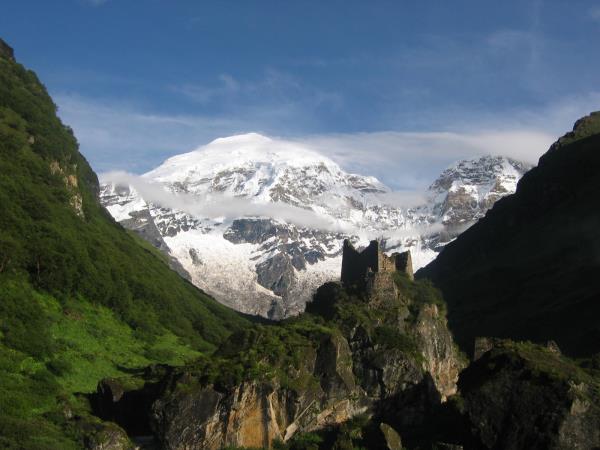
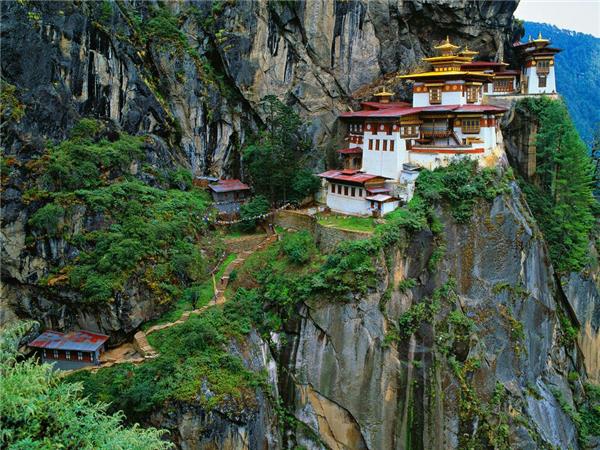
Small group tour to Bhutan
From US $3495 - US $4870 7 days excluding flights
Discover Bhutan's beauty, history and adventures
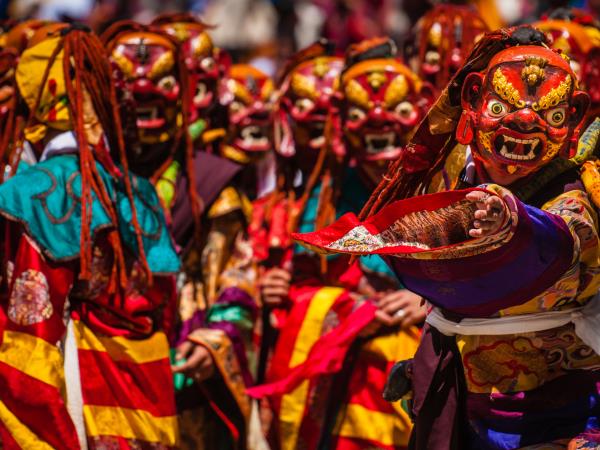
Buddhist Bhutan cultural tour, Black necked Crane Festival
From US $3775 11 days excluding flights
Discover Bhutan's highlights and rare black-necked cranes