Egypt and Jordan tour
Price
£3199To£3749 excluding flights
Duration
16 days
Countries
Egypt, Jordan
Type
Small group
Last minute
Late availability on these dates: 17 Oct, 31 Oct, 14 Nov, 28 Nov, 12 Dec, 19 Dec

Description of Egypt and Jordan tour
Map

Price information
£3199To£3749 excluding flights
Check dates, prices & availability

Travel guides
Not at all staid and boring, history tours bring the past to life, and cast modern destinations in new lights.
Reliable and useful information about this Middle Eastern marvel, featuring the Dead Sea, Petra and Mount Nebo.
Responsible Travel
As the pioneers of responsible tourism, we've screened this (and every) vacation so that you can travel knowing we've worked to maximise the benefits of your vacation to local people and places, and minimise any negative impacts.
Planet
CARBON REDUCTIONEfforts to Reduce Flying: We focus on utilizing alternative modes of transport for internal travel within our itineraries. For instance, on this tour, we minimize the need for flights by opting for the overnight sleeper train between Cairo and Aswan, which is a more eco-friendly travel option. Additionally, we incorporate boats and felucca cruises on the Nile, offering sustainable ways to explore these destinations while reducing the environmental impact of air travel. These alternatives allow guests to experience the destinations more intimately and with a smaller carbon footprint.
Renewable Energy in Accommodations:
While the accommodations on this tour do not all rely on renewable energy, many of the locations we use are committed to sustainable practices to help reduce their carbon footprint. In Jordan, we select 3- and 4-star hotels. In Wadi Rum, we stay in a Bedouin camp within the Wadi Rum Protected Area. Accommodation is in traditional goat-hair tents, which provide natural insulation, requiring less energy for heating or cooling. Guests also have the option to sleep under the stars, allowing for an even more eco-friendly experience. In Egypt, we use 5-star hotels, and for an authentic, low-impact experience on the Nile, we include an overnight felucca cruise. The felucca is a traditional sailboat powered solely by wind, offering a zero-emissions journey on the river. One night is also spent on a sleeper train, which is more energy-efficient than air travel for long distances.
Shared Local Transport: Shared local transport is part of this trip. In Egypt, we use the overnight sleeper train from Cairo to Aswan and from Luxor to Cairo. This public train service reduces CO? emissions per person compared to internal flights, providing an eco-friendlier option for long-distance travel.
Human-powered Transport:
Human-powered transport is an integral part of our tour, offering opportunities to explore destinations more intimately and sustainably. Specifically, human-powered activities, such as hiking and walking, are included on five days (days 3, 5, 7,13, and 14) of the tour, allowing you to immerse yourself in the local culture and natural landscapes:
• Day 3: Walking in Aswan’s markets and along the Nile Corniche.
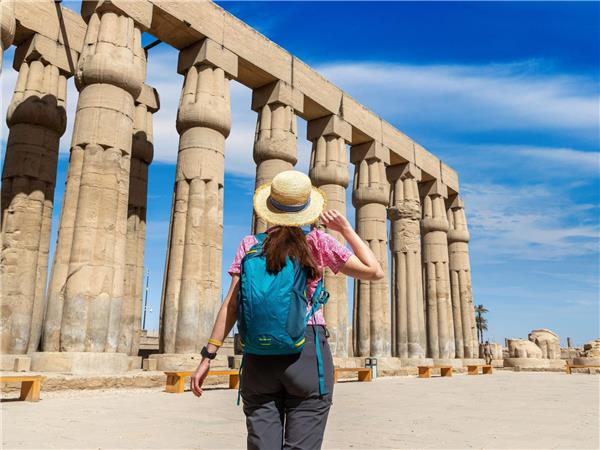
• Day 5: A walking tour of the smaller Luxor Temple, beautifully illuminated at night and situated in the heart of the town.
• Day 7: Guided walking tour through Cairo's historic backstreets and bazaars.
• Day 13: Scenic hike along the back route into Petra.
• Day 14: Adventurous hike through the Siq Trail in Wadi Mujib.
These activities provide immersive ways to explore cultural sites and natural landscapes on foot.
Customer Guidance on Carbon Reduction:
Airline Emissions Information: We understand that flights are often necessary for reaching your vacation destination. Our tour notes provide details on resources such as Google Flights and Skyscanner, where you can review airline CO2 emissions. This allows travelers to compare carriers and select options that minimize their environmental footprint.
Vegan and Vegetarian Options:
Vegetarian and vegan food options are available throughout the trip. In the Nubian village, a traditional lunch is served with vegetarian options, and on the Nubian boat, the crew will prepare meals that can be tailored to dietary preferences when requested. In Cairo, Egypt’s famous Kushari, a vegetarian dish made from rice, lentils, pasta, chickpeas, and tomato sauce, is an excellent option.
In Jordan, the Bedouin-style meal at the camp, traditionally including lamb and chicken, can be modified to suit vegetarian or vegan diets if requested in advance. Local restaurants in Cairo and Petra also offer a wide variety of vegetarian and vegan dishes, and refreshments at cafés along the journey can easily be adapted to your needs.
Throughout the trip, the crew and local partners are happy to accommodate vegetarian and vegan dietary preferences, ensuring a variety of options for every meal.
Locally-sourced and Seasonal Food Options:
Throughout the trip, a significant amount of food is locally sourced and seasonal, reflecting the culinary traditions of each destination. In Egypt and Jordan, many meals feature fresh, local produce such as vegetables, fruits, grains, and legumes that are in season. For instance, traditional dishes like Kushari in Egypt and Zarb in Jordan make use of locally grown ingredients, often harvested at their peak.
In the Nubian village, you'll experience meals made from fresh, local ingredients that reflect the region's agricultural practices. Similarly, the meals prepared on the Nubian boat often incorporate seasonal produce sourced from local markets.
When possible, meals are designed to showcase the flavours of the region using the freshest ingredients available, ensuring a connection to the land and culture of each area. Local sourcing not only supports local communities but also ensures that the food you enjoy is at its most flavourful and sustainable.
ENVIRONMENT AND WILDLIFE
Our tour promotes sustainable travel through several initiatives, although it does not directly contribute to rewilding or nature recovery projects.
Entrance Fees: The fees paid at various sites help with the preservation and management of historical and natural sites in both Jordan and Egypt. While these funds don't specifically support rewilding, they contribute to the overall conservation efforts of these sites, ensuring their protection for future generations.
Jordan Pass: This pass offers discounted entry to multiple sites in Jordan and includes a free tourist visa. The fees from the Jordan Pass go towards maintaining the country's archaeological and cultural heritage, including iconic sites like Petra. While it doesn't directly fund nature recovery, it plays a role in supporting sustainable tourism and site conservation.
Local Guides: By employing local Jordanian and Egyptian guides, the tour ensures that the economic benefits of tourism stay within the communities, supporting sustainable local development.
The guides are highly qualified and specialize in the regions they cover. In Jordan, specialist guides accompany tours in places like Jerash, Amman, and Petra.
For Egypt, professional Egyptologist guides are provided for tours in Cairo, Aswan, and Luxor. These guides are typically certified by relevant tourism authorities and have extensive training and expertise in the sites they lead visitors through, ensuring a safe and informative experience.
Water-to-Go Filter Bottles: In an effort to reduce plastic waste, we encourage travelers to use Water-to-Go filter bottles. These bottles provide a sustainable way to stay hydrated, minimizing reliance on single-use plastic bottles and contributing to environmental conservation.
People
LOCAL ECONOMYIn this tour, we place strong emphasis on supporting local businesses and cultures.
Overnight Sleeper Train: For the journey to Aswan, travelers stay on an overnight sleeper train, which is not a typical hotel accommodation but an alternative form of travel that supports local transportation businesses.
Traditional Nile Felucca: While sailing down the Nile, travelers stay on a traditional Nile felucca boat. This boat is staffed by a Nubian crew, and the experience is an opportunity to interact with and support the local Nubian community. The overnight stay on the boat, with mattresses and blankets provided, offers a unique and authentic experience of rural Egyptian life.
Wadi Rum Bedouin Camp: In Jordan, the group stays at a Bedouin camp in Wadi Rum, where the hosts are friendly local Bedouins. This camp provides a culturally immersive experience, and the food served, including traditional 'Zarb' (lamb and chicken cooked underground), showcases local culinary traditions.
Maximizing Local Economic Opportunities:
Local Guides: The tour employs local guides at various stages, such as the Nubian guides on the felucca and Bedouin guides in Wadi Rum. These guides offer valuable insights into their cultures and ways of life, directly supporting the local economy.
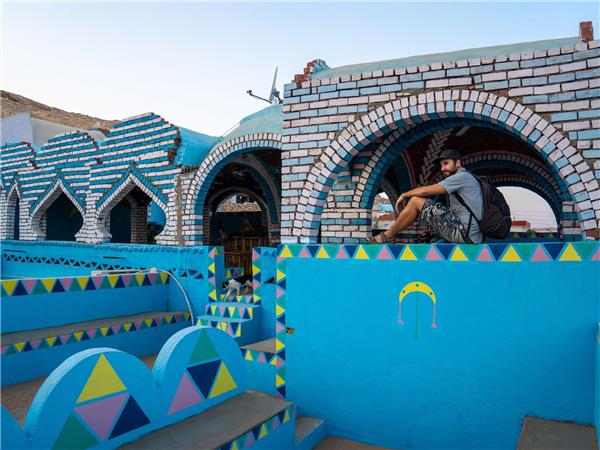
Village Visits: In Egypt, the tour includes a visit to a local Nubian village in Aswan, where travelers can experience the village's colourful houses and traditional way of life. This helps support the local Nubian community and promotes cultural exchange.
Markets: The tour includes visits to local markets in Aswan and Cairo, such as the spice and general markets in Aswan, and the Khan-el-Khalili bazaar in Cairo. These visits provide opportunities for travelers to buy locally made crafts and products, directly benefiting local artisans and vendors.
Bedouin Traditions: In Wadi Rum, the group participates in traditional Bedouin activities, including walking with a local shepherd, milking goats, grinding grains, and making bread. These experiences support local Bedouin traditions and offer travelers an authentic insight into Bedouin life while benefiting the local community.
EMPLOYMENT, INCLUSIVITY AND DIVERSITY
Local Employment: All our guides and representatives used in Egypt and Jordan are local, ensuring the employment of individuals from these countries.
Empowering Marginalized Communities and Promoting Diversity: The tour actively promotes inclusivity by creating opportunities for marginalized and underrepresented groups in both Egypt and Jordan.
In Wadi Rum, Jordan, the local Bedouin community plays a pivotal role in delivering key aspects of the experience. Bedouins provide cultural activities, such as shepherding demonstrations, traditional bread-making, and coffee roasting, which allow travelers to connect deeply with their nomadic heritage. They also host visitors in Bedouin-style camps and operate jeep safaris, ensuring tourism revenue directly supports their community. By offering these experiences, the Bedouins preserve their traditions while gaining sustainable income opportunities.
In Aswan, Egypt, the tour highlights the vibrant culture of the Nubian people, an indigenous and historically marginalized group. Nubian crew members manage the felucca cruises on the Nile, preparing meals, sharing traditional songs, and engaging with travelers. Visits to Nubian villages allow guests to experience their unique way of life, including their colourful homes and traditional meals. These efforts support Nubian families, help preserve their cultural heritage, and provide a platform for greater recognition and appreciation of their contributions.
LGBTQ+ Inclusivity: We welcome all travelers, including LGBTQ+ guests, on our tours. However, it's important to be aware that some destinations may have cultural norms or legal restrictions regarding same-sex relationships. We are committed to ensuring a respectful and inclusive environment for everyone, and our team will provide support and guidance to ensure all guests feel comfortable and respected throughout their journey.
Accessibility Considerations: This trip may be suitable for people with limited mobility, vision, hearing, or cognitive issues, depending on the severity of the condition and the level of assistance required. However, it is important to note that the tour includes a variety of physical activities, including walks and hikes that may be challenging for some travelers:
•Wadi Mujib: The Siq Trail includes walking through water and ascending small waterfalls using ladders and ropes. This requires a moderate level of mobility.
•Dana Biosphere Reserve: A short walk through rocky terrain is involved, but this is less strenuous and might be manageable for some with limited mobility.
•Petra: Significant walking is required, including ascents, descents, and steps. The back-route hike to the Monastery and the main Petra site is not particularly difficult, but it does require a minimum of 2-3 hours of walking and navigating sandy terrain. This might be challenging for those with limited mobility or endurance.
For the Egypt portion, access to feluccas requires climbing planks and steps, which may pose challenges for those with mobility issues.
Popular similar vacations
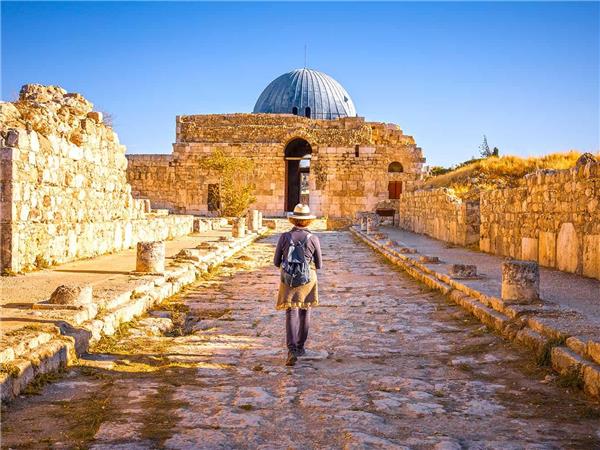
Jordan and Egypt small group tour
From £2899 - £3499 13 days excluding flights
Adventure, culture and history: Petra & the Nile
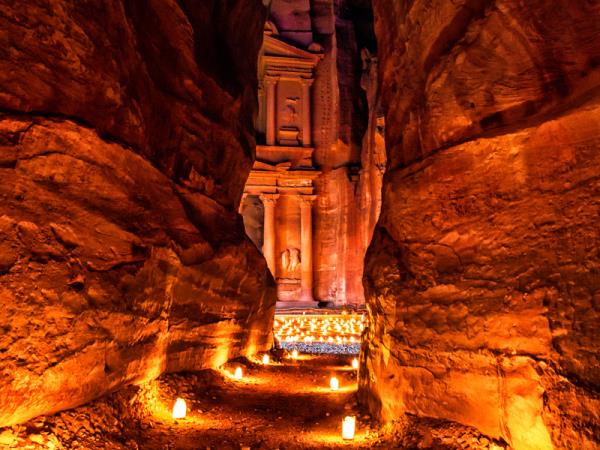
Egypt and Jordan tailor made tour
From £5319 15 days excluding flights
Magical Petra 'Rose City' to mesmerizing Pyramids
Jordan and Egypt budget vacation
From US $1488 - US $2176 9 days excluding flights
Adventure through historical landscapes of Jordan & Egypt