South Korea and Japan luxury vacation
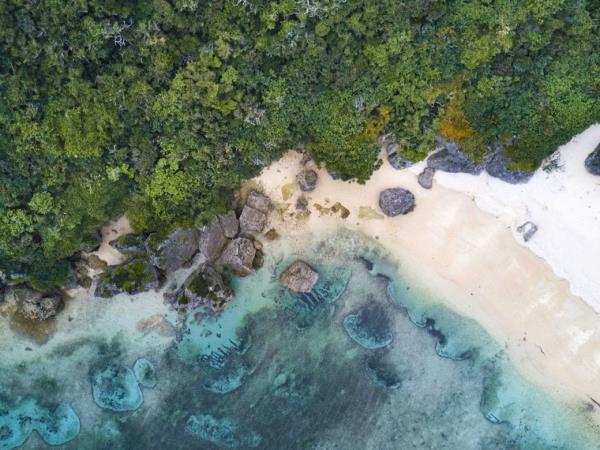
Price
£9645 excluding flights
Duration
21 Days
Countries
Japan, South Korea
Type
Tailor made
More info
Cost per person based on 2 or 4 sharing.
This itinerary is an example of our bespoke sabbaticals, and experiential trips blending active exploration with unpretentious luxury.

Description of South Korea and Japan luxury vacation
Map
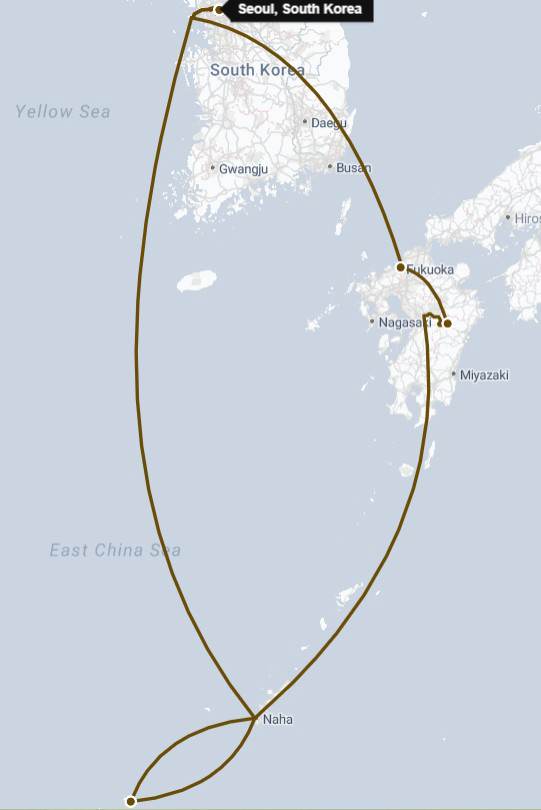
Price information
£9645 excluding flights
Cost per person based on 2 or 4 sharing.
This itinerary is an example of our bespoke sabbaticals, and experiential trips blending active exploration with unpretentious luxury.
Departure information
This trip can be tailor made throughout the year to suit your requirements
Travel guides
This guide reveals not only the most exquisite places to visit in terms of natural and cultural heritage, but also the ways to visit them in style...
From bullet trains to bubbling hot springs, we show you why Japan is such an interesting and unique country to visit.
Vacation information
Dietary requirements:
We can cater for vegetarian and vegan diets.
Responsible Travel
As the pioneers of responsible tourism, we've screened this (and every) vacation so that you can travel knowing we've worked to maximise the benefits of your vacation to local people and places, and minimise any negative impacts.
Planet
WHY SOUTH KOREA AND JAPAN ARE A RESPONSIBLE CHOICE:South Korea and Japan are increasingly recognised as excellent destinations for eco-conscious travel, yet remain relatively under the radar for many international travelers. Tourism to South Korea in particular has only opened up more widely in recent years, offering a timely opportunity to explore its rich cultural and natural heritage in a thoughtful and responsible way. Both countries are leaders in public transport, low-emission infrastructure, conservation, and community-based tourism, making this itinerary well suited to travelers seeking meaningful, lower-impact experiences.
CARBON REDUCTION
Renewable Energy & Hotel Emissions
While specific renewable energy usage is not detailed for all accommodations on this itinerary, several properties—particularly in Japan—are known for strong sustainability practices including energy efficiency, water conservation, and minimal-impact architecture. Traditional ryokan-style accommodations such as Sanso Warabino and Takachiho Shinsen typically use natural materials, local timber, and passive design to reduce energy use. Rosewood Miyako Jima has a strong sustainability focus, including energy efficiency and environmental stewardship initiatives.
Shared Local Transport
This itinerary makes excellent use of shared public transport, including:
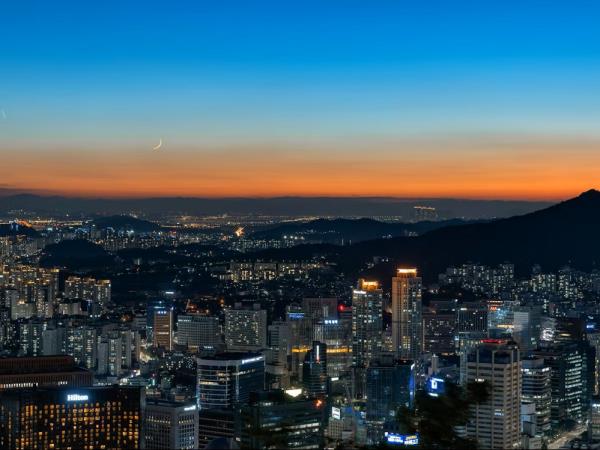
- Subway travel in Seoul (e.g. to Seoul Sky Observatory)
- Official military-operated shuttle buses at the DMZ
- Domestic flights within Japan and South Korea, which reduce overall travel time and internal emissions compared to long-distance road travel.
- Public transport in both countries is highly efficient and significantly reduces CO2 per person compared to private vehicles.
Human-Powered Transport features on multiple days:
- Guided walking tours in Seoul (Day 1, Day 3)
- E-bike tour in Bungoono (Day 6)
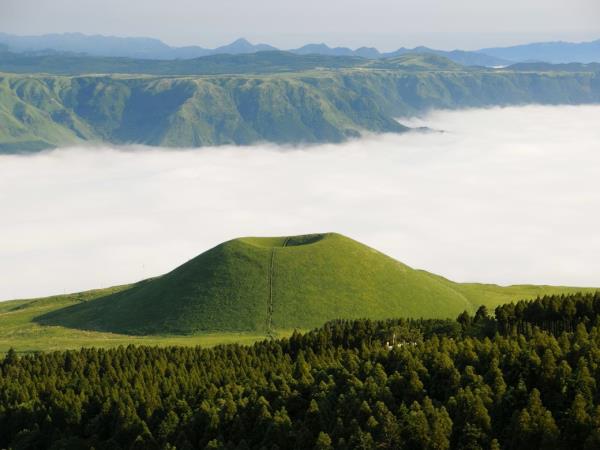
- Hiking at Mt. Aso (Day 7, optional)
- Hiking as part of the packrafting tour in Takachiho (Day 8)
- Cycling opportunities on Miyako-jima and across bridges (Days 10–13)
Advice on Reducing Carbon Impacts of Travel
Travelers are encouraged to use efficient public transport, take part in human-powered activities, and minimise internal flights where possible. We also recommend using tools such as Google Flights and Skyscanner’s emissions indicators to select lower-emission flights, packing light, and offsetting unavoidable emissions.
Electric or Low-Emission Transport
The e-bike tour in Bungoono (Day 6) uses electric bicycles, enabling low-impact exploration of rural landscapes. Japan’s car rental fleet increasingly includes hybrid and low-emission vehicles, reducing overall transport emissions.
Vegetarian and vegan options are widely available throughout the trip, particularly in:
- Seoul’s markets and restaurants
- Japanese ryokan, which can adapt kaiseki meals
- Resort dining at Rosewood Miyako Jima
- Special dietary requirements can be accommodated with advance notice.
Local & Seasonal Food Sourcing
This itinerary strongly supports local and seasonal food sourcing through:
- Gwangjang Market in Seoul (local street food & rice wine)
- Traditional ryokan meals in Yufuin and Takachiho using regional produce
- Okinawan cuisine in Miyako-jima, featuring local seafood, tropical fruit, and Miyako beef.
ENVIRONMENT AND WILDLIFE
Accommodation Environmental Policies
Many accommodations in Japan adhere to strict environmental standards, including:
- Water conservation
- Waste separation and recycling
- Minimal plastic use
- Energy-efficient construction
- Traditional inns such as Sanso Warabino and Takachiho Shinsen use natural materials and integrate with the surrounding landscape. Rosewood Miyako Jima has a strong environmental management approach, reflecting Okinawa’s fragile island ecosystem.
Nature Restoration at Accommodations
Properties in rural Kyushu and Miyako-jima are set within natural landscapes and contribute to habitat preservation through:
- Maintaining forested grounds
- Protecting coastal vegetation
- Supporting pollinator-friendly planting and low-impact landscaping.
Entry Fees to Parks or Protected Areas
- Bungoono Geopark Sites (Day 6)
- Mt. Aso Volcano area (Day 7)
- Takachiho Gorge (Day 8)
- Yabiji Coral Reef (protected marine area) (Days 10–13, optional activities)
Contribution to Nature Recovery / Rewilding
The itinerary contributes through:
- Use of local nature guides in Bungoono and Takachiho
- Entrance fees to protected areas and geoparks
- Guided marine activities in protected reef systems in Miyako-jima
- These directly support conservation management and local stewardship.
Visitor Education on Reducing Impacts on Nature
Travelers receive guidance on:
- Respecting wildlife and coral reefs (no touching, no collecting)
- Staying on marked trails while hiking
- Minimising waste and plastic use
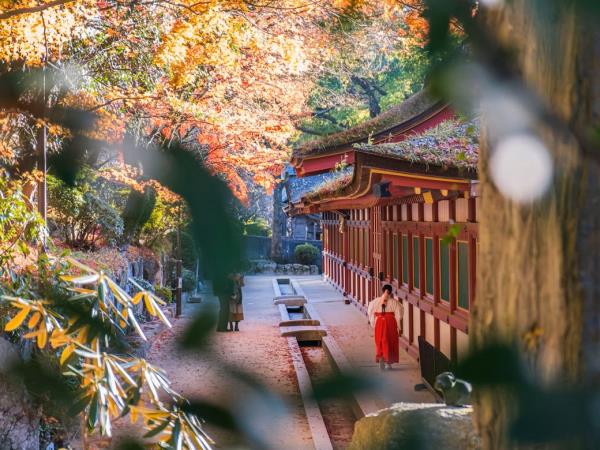
- Cultural etiquette at shrines and sacred sites
Expert Nature Guides
- Local, qualified guides for the Bungoono e-bike tour
- Professional adventure guides for packrafting in Takachiho
- Local cultural guides in Seoul and Japan
- These guides are from the local community and trained in environmental and cultural interpretation.
People
LOCAL ECONOMYLocally Owned Accommodations
Several accommodations are locally owned or regionally operated, particularly:
- Sanso Warabino (Yufuin region)
- Takachiho Shinsen
- These traditional inns directly support rural communities.
Local Guides & Community Experiences
This itinerary maximises local economic benefit through:
- Local English-speaking guides in Seoul
- Local cycling guides in Bungoono
- Local adventure guides in Takachiho
- Visits to Insadong, Gwangjang Market, Mameda-Machi, Yunotsubo Kaido
- Artisan craft experiences in Miyako-jima
- Local breweries and izakaya visits
- These ensure tourism spend stays within the community.
EMPLOYMENT, INCLUSIVITY AND DIVERSITY
Local Employment
The majority of guides, drivers, hospitality staff, and activity providers used on this trip are from the local community in South Korea and Japan.
Support for Women & Traditional Crafts
- Artisan craft workshops (weaving, pottery)
- Market visits and small local businesses
- Many of these are run by women and family enterprises.
Fair Wages
All operating partners are required to comply with local labour laws and minimum wage standards.
Workplace Diversity Strategy
We and our partners support equal opportunity employment without discrimination based on race, gender, nationality, or sexual orientation.
LGBTQ+ Friendly
Both South Korea and Japan (especially Seoul, Tokyo/Osaka transit, and resort areas) are considered LGBTQ+ friendly, and this itinerary is suitable for LGBTQ+ travelers.
Accessibility
Partially. Major cities (Seoul, Fukuoka) and large hotels are accessible for travelers with limited mobility. However, rural areas, hiking, packrafting, and traditional inns may not be suitable for those with significant mobility, vision, or cognitive impairments.
Popular similar vacations
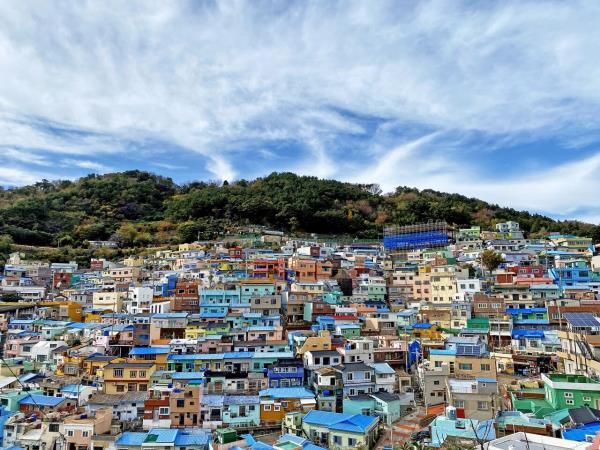
South Korea Highlights tour
From US $4100 - US $5500 8 days excluding flights
Discover South Korea’s culture, cuisine, history and charm
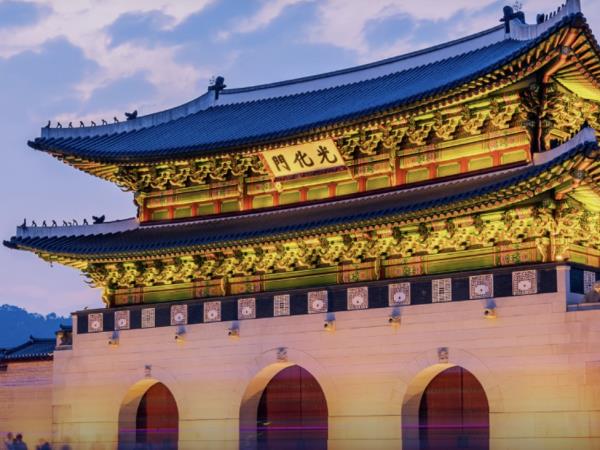
South Korea vacation
From £1899 - £2059 12 days excluding flights
Discover the gems of South Korea in 12 Days
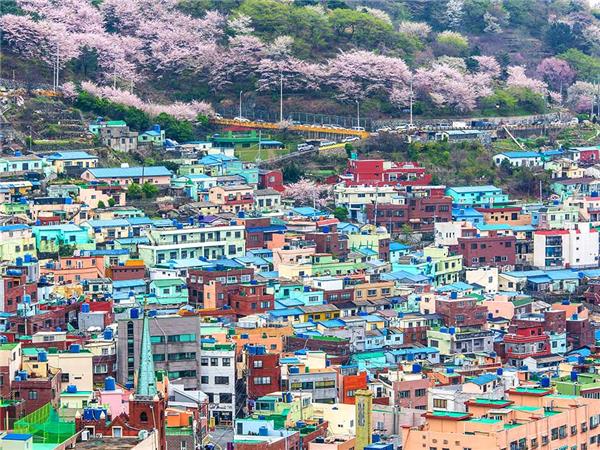
South Korea small group vacation
From US $3385 - US $4430 9 days excluding flights
Mesmerising cityscapes, culinary delights and rich culture