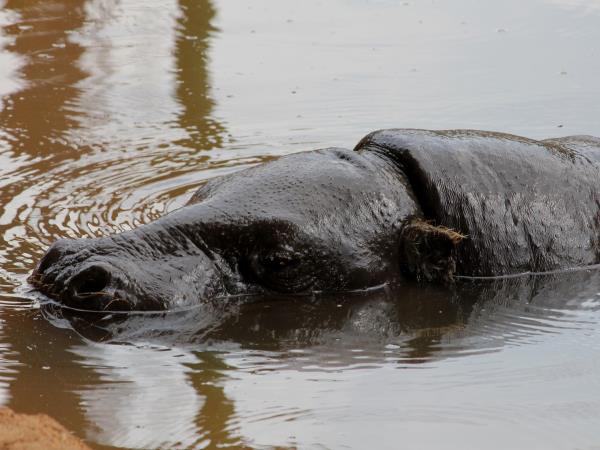
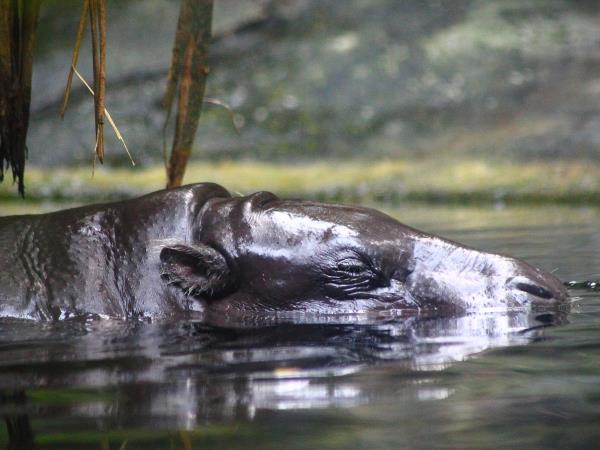
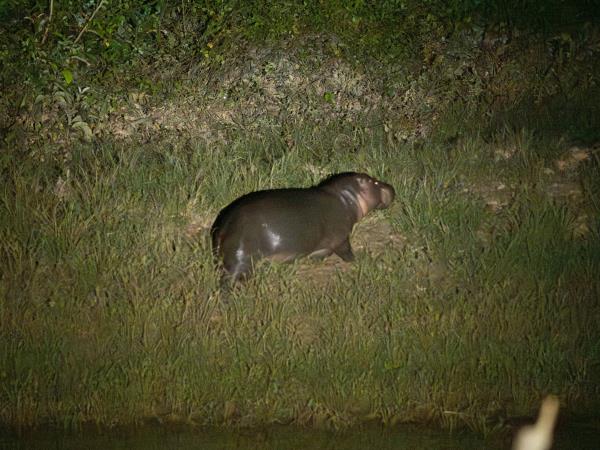
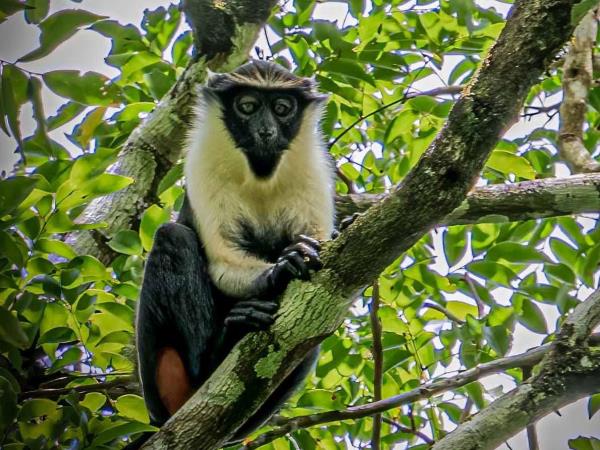
Ivory Coast Pygmy Hippo expedition
Price
£4995 including domestic flights only
Duration
11 Days
Type
Small group
More info
Inc.
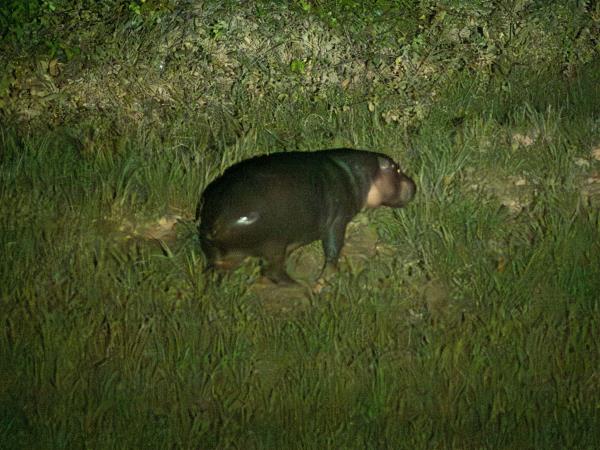
local naturalist guides, all meals as mentioned, transfers & wildlife excursions including staking out areas known for pygmy hippos & domestic flights; excluding.
international flights, visas and some meals in Adibjan, alcohol & personal items
local naturalist guides, all meals as mentioned, transfers & wildlife excursions including staking out areas known for pygmy hippos & domestic flights; excluding.
international flights, visas and some meals in Adibjan, alcohol & personal items

Description of Ivory Coast Pygmy Hippo expedition
Price information
£4995 including domestic flights only
Inc.
local naturalist guides, all meals as mentioned, transfers & wildlife excursions including staking out areas known for pygmy hippos & domestic flights; excluding.
international flights, visas and some meals in Adibjan, alcohol & personal items
local naturalist guides, all meals as mentioned, transfers & wildlife excursions including staking out areas known for pygmy hippos & domestic flights; excluding.
international flights, visas and some meals in Adibjan, alcohol & personal items
Check dates, prices & availability

Travel guides
Our Ivory Coast travel guide takes you down deep red roads, through evergreen forest, along swathes of golden coastline and to the crisp, clear highla...

Responsible Travel was built out of a love of solo travel, and we want to share the joy of it with you.
Vacation information
Dietary requirements:
We can cater for vegetarian and vegan diets.
Responsible Travel
As the pioneers of responsible tourism, we've screened this (and every) vacation so that you can travel knowing we've worked to maximise the benefits of your vacation to local people and places, and minimise any negative impacts.
Planet
CARBON REDUCTIONIn Ivory Coast (as with everywhere we go) we carefully choose accommodation, suppliers and transportation that either minimise their effect on the environment or that help to contribute to its sustainable development.
On this trip we drive in one vehicle when making ground transfers, so to reduce emissions by not using more than one vehicle and when in the forest (which is the majority of the trip we do not use any vehicle), there are only two long road journeys on this trip, so our fuel footprint is small.
The accommodation we use outside of the capital is a locally owned private ecologde located just inside Tai Forest National Park. This lodge is run by a local family and the manager is trained in eco tourism from years working in Central Africa and runs the lodge in conjunction with sustainable practices such as water recycling, purchasing food and supplies from the local communities and using solar power and battery banks for electricity. He also runs a small camp within the forest which is completely free from external power sources and uses only rain water for washing.
This Ecotel (as it is called) also conducts guide training and informal patrols of the park (forest and river) nearby the lodge grounds. This includes confiscating snares and illegal gold mining equipment, destroying them and providing them to the official park rangers.
Nearly all food is locally sourced where throughout the trip and vegetarian and vegan meals can be provided on request.
ENVIRONMENT AND WILDLIFE
As touched on above, we visit spend a large proportion of the trip (8 of the 10 days) inside Tai National Park and due to the remote nature of the lodge and camp only local people are hired to work here and all resources which are used daily and weekly are supplied from nearby villages.
The owner of the ecotel in Tai is heavily involved in conservation around Tai, including anti-poaching patrols as well as training of local guides and rangers. He uses his own money (generated from visitors staying at the accommodation) to bring in guides from other parts of Africa to provide expertise and training to the local guides and rangers.
By bringing people here with a professional naturalist as well as professional local guides we aim to showcase the environment in full but also to allow you to learn about the problems facing the ecosystems here and highlight the ways that continued development and human exploitation are affect the species and how cutting edge research is countering the problems as well as showing you examples of success stories. We also keep a record of all the great sightings we see on each tour and record the environmental factors, this data is used by ourselves but also given to the researchers who are working on many of these species. All the information collected in invaluable as the knowledge of some of the animals that live here are little understood. We also donate our pictures to the researchers to aid in their photo identification studies where species can be individually identified.
People
LOCAL ECONOMYOutside of the capital (where we stay on arrival and departure days) the accommodation we use is a locally owned and family run eco-lodge. Meaning that all of the money for these stays enters and stays in the local economy.
With any of our tours throughout Africa or elsewhere in the world we always employ local guides and drivers. We also do our best to employ as many local guides as possible, so that we can share the money from tourism around more than one regularly used guide.
On this trip our main guides are from the villages local to the forest edges and in most cases they used to be poachers. This is a classic example of poacher turned game keeper and is one of the most successful forms of reducing hunting pressure and other exploitation of the forest.
This not just helps in supporting the local people with income direct from wildlife tourism but these local people often have much better local knowledge of the wildlife.
We spend a long time in one place (Tai Forest) and as a result we build good and deep ties with the local villages. As tourism is low here there is not much of a souvenir industry in the area, but this is increasing and we make a point of encouraging the local staff of the lodge and at the villages around the lodge that our tourists would love to purchase locally produced handicrafts and that this is a way of adding income to sectors of the society (women and older people) who do not always have their own economic means.
EMPLOYMENT, INCLUSIVITY & DIVERSITY
All of the people employed as part of this trip are from Ivory Coast and many of the local guides and rangers we employ are from the local communities we are visiting for wildlife.
The owner of the lodge we use, is involved in guide and ranger training and whilst on our trips we make a point of helping the rangers out in collecting any snares and other illegal exploitation equipment (fishing, gold mining etc) in the park from the park and updating the park authorities with what we have found.
This trip is LGBTQ+ friendly.
A lot of the trip is on foot, walking along forest trails which are uneven, these hikes are also done in extreme heat and humidity. So people with severe mobility issues will struggle, the trip is not wheelchair safe.
Popular similar vacations
The Ivory Coast vacation
From US $3670 - US $4380 13 days excluding flights
Explore the rainforest and culture of Ivory Coast
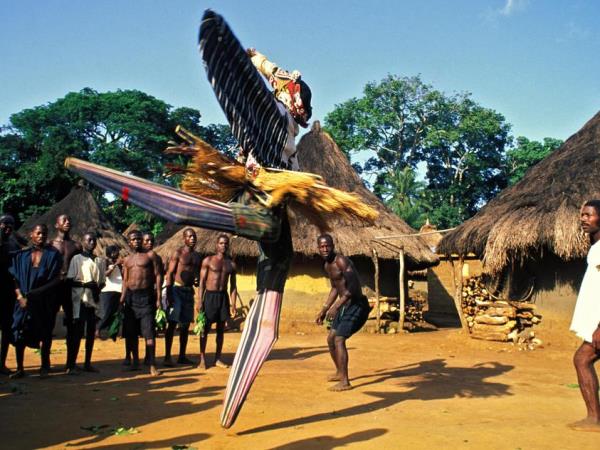
Ivory Coast small group tour
From £5495 13 days excluding flights
Explore the little known but welcoming Ivory Coast
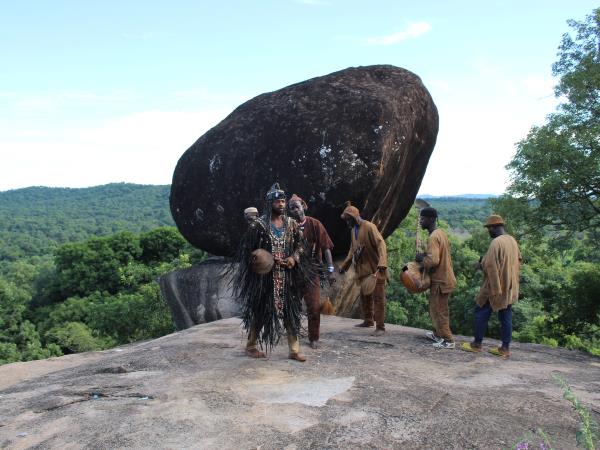
Cultural tour of the Ivory Coast
From US $3750 6 days excluding flights
Discover Ivory Coast’s culture, history & vibrant cities