Tanzania and Zanzibar luxury tailor made tour

Price
£6500 including domestic flights only
Duration
14 Days
Type
Tailor made

Description of Tanzania and Zanzibar luxury tailor made tour
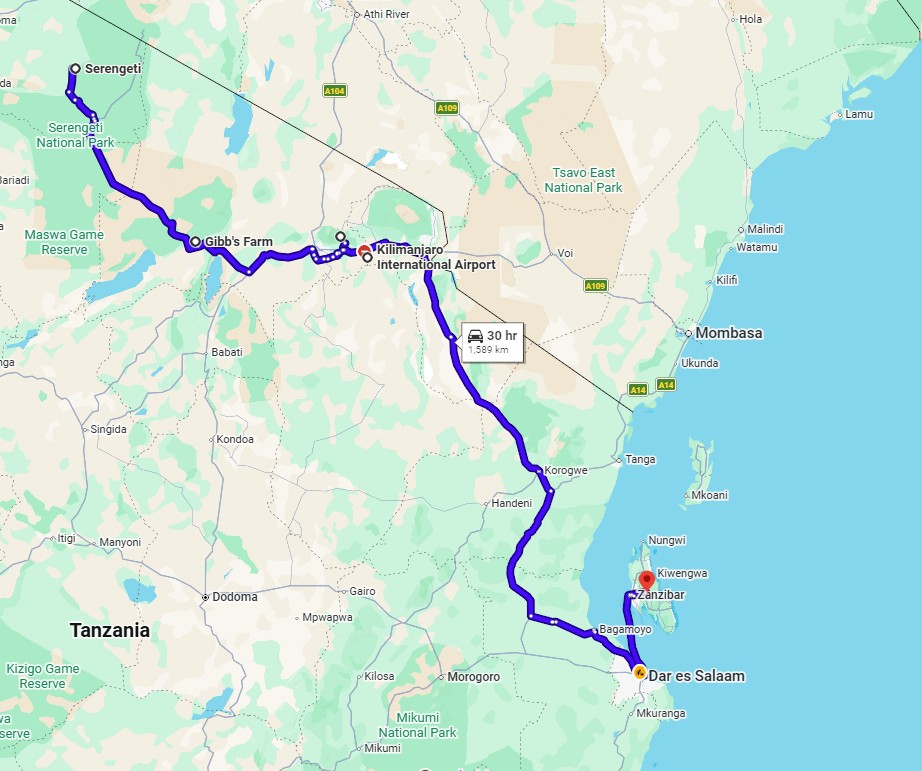
Map
Price information
£6500 including domestic flights only
Departure information
This trip can be tailor made throughout the year to suit your requirements
Travel guides
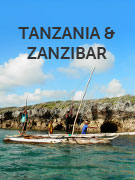
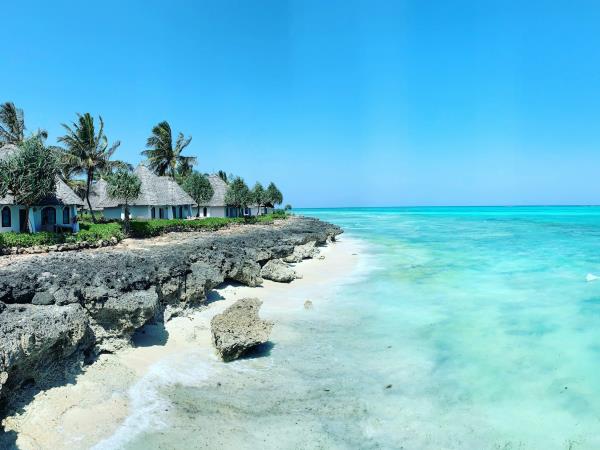
Our guide takes you across the great plains of the Serengeti to the underwater coral cities of Zanzibar’s Indian Ocean reefs.
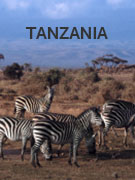
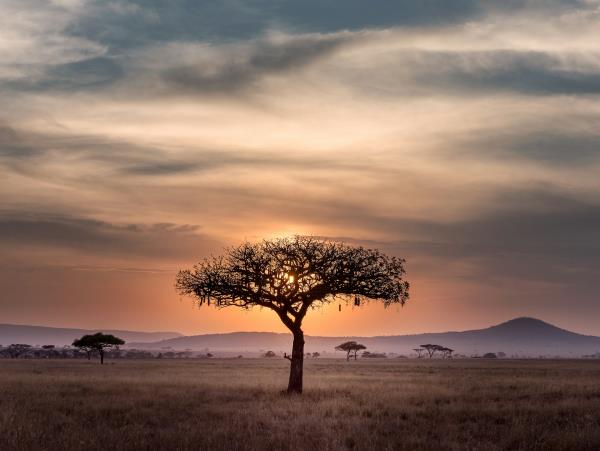
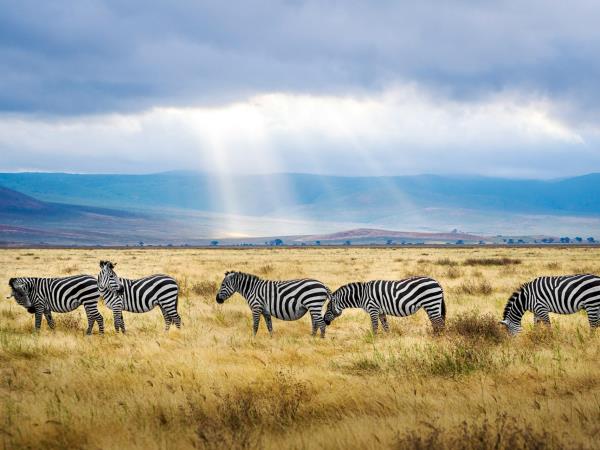
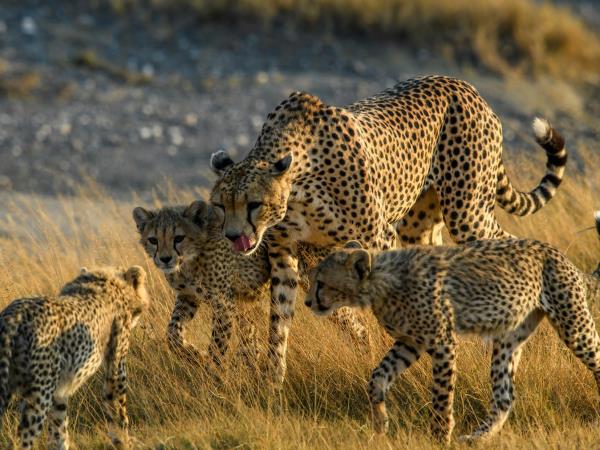
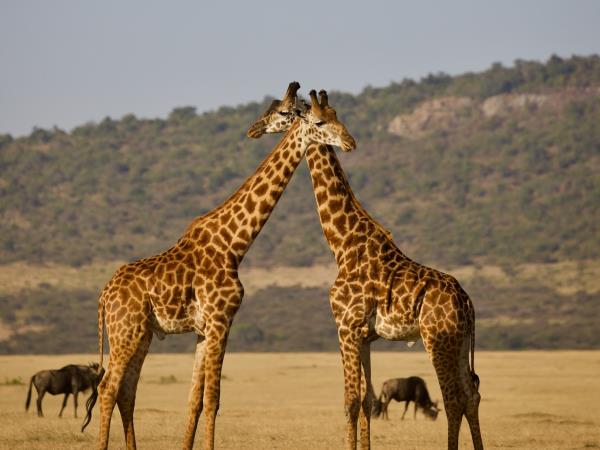
Tanzania plays host to some of Africa's most iconic sights: the plains of the Serengeti and the Wildebeest Migration.
Vacation information
Dietary requirements:
We can cater for vegetarian and vegan diets.
Responsible Travel
As the pioneers of responsible tourism, we've screened this (and every) vacation so that you can travel knowing we've worked to maximise the benefits of your vacation to local people and places, and minimise any negative impacts.
Planet
Why Tanzania is a responsible choiceTanzania is one of Africa's most important conservation success stories. More than a third of the country is protected through national parks, conservation areas, forest reserves and wildlife management zones. Tourism plays a vital role in funding wildlife conservation, supporting rural communities and creating economic incentives to protect natural habitats. This itinerary combines iconic wildlife areas such as the Serengeti and Ngorongoro with meaningful cultural encounters and low-impact nature experiences, while also including time in lesser-visited areas such as Arusha National Park and Karatu, helping to spread tourism benefits beyond the country's most famous destinations.
CLIMATE & CARBON
Renewable energy and hotel emissions
While renewable energy usage varies between properties, several of the lodges on this itinerary operate in remote areas where careful resource management is essential. Safari camps and lodges typically employ measures to reduce energy and water consumption, minimise waste, and operate with a lower environmental footprint than conventional hotels.
Human-powered transport
Human-powered activities are an important part of this itinerary and provide a lower-impact way to experience Tanzania's landscapes and wildlife.
Included activities include:
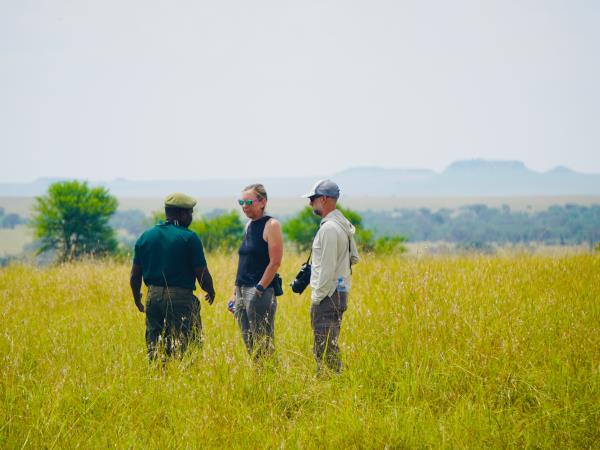
Guided walking safari in Arusha National Park
Walk to Tululusia Waterfalls
Canoeing on Momella Lake
Village walks in Karatu
Optional Maasai-guided walks from Gibbs Farm
Optional cycling excursions around Karatu
Walking tour of Stone Town
These experiences allow travelers to engage more closely with nature and local communities while reducing reliance on motorised transport.
Advice on reducing carbon impacts
Travelers are encouraged to travel with reusable water bottles where appropriate, minimise single-use plastics, conserve water and electricity during their stay.
Vegetarian and vegan food
Vegetarian meals are widely available throughout the itinerary. Many lodges source fresh produce from their own gardens or nearby farms. Vegan requirements can generally be accommodated with advance notice.
Local and seasonal food sourcing
The itinerary places a strong emphasis on local food production. At Gibbs Farm, guests can participate in farm-based activities including vegetable harvesting, coffee roasting and livestock care, providing a direct connection to local food systems. Produce served at many safari lodges is sourced locally where possible, reducing food miles and supporting nearby farming communities.
ENVIRONMENT & WILDLIFE
Accommodation environmental policies
Many safari lodges and camps operate within environmentally sensitive areas and employ measures to reduce waste, manage water consumption and minimise disturbance to wildlife. Accommodation throughout the itinerary is selected for its close integration with surrounding landscapes and conservation priorities.
Nature restoration and biodiversity
This journey spends the majority of its time within or adjacent to some of Africa's most important ecosystems, including:
Arusha National Park
Ngorongoro Conservation Area
Serengeti National Park
Zanzibar's coastal and marine ecosystems
These areas protect globally significant biodiversity and support populations of endangered and threatened species.
Parks and protected areas
The itinerary includes visits to several internationally recognised protected areas:
Arusha National Park
Ngorongoro Conservation Area (UNESCO World Heritage Site)
Serengeti National Park (UNESCO World Heritage Site)
Stone Town (UNESCO World Heritage Site)
Park fees paid by visitors contribute directly towards conservation management, wildlife protection, ranger programmes and community development initiatives.
Contribution to nature recovery
Tourism revenue generated through visits to Tanzania's protected areas plays a crucial role in funding anti-poaching operations, habitat protection, ecological monitoring and wildlife conservation programmes. Responsible safari tourism creates economic value from living wildlife, providing a powerful incentive for conservation.
Environmental and wildlife conservation support
The national parks and conservation areas visited on this itinerary are managed by organisations including Tanzania National Parks (TANAPA) and the Ngorongoro Conservation Area Authority, both of which play vital roles in protecting wildlife and habitats.
Visitor guidance on protecting nature
Travelers are encouraged to follow wildlife viewing regulations, remain on designated tracks, avoid disturbing animals, minimise waste, and respect local conservation guidelines. Responsible behaviour helps ensure these fragile ecosystems remain protected for future generations.
Expert nature guides
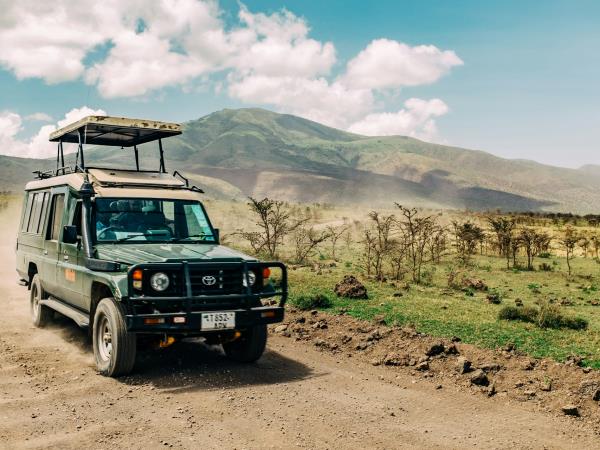
Throughout the safari portion of the itinerary, travelers are accompanied by professional Tanzanian guides with extensive knowledge of wildlife behaviour, ecology, tracking and conservation. Their expertise greatly enhances the visitor experience while supporting skilled local employment.
People
LOCAL ECONOMYLocally owned accommodation and enterprises
Several properties included in the itinerary have deep roots within their local communities and economies. Gibbs Farm is particularly notable for its working farm model, supporting local agriculture, employment and cultural preservation.
Supporting rural communities
The visit to the Iraqw community in Karatu provides direct economic benefits to local families while helping preserve cultural traditions and indigenous knowledge. Travelers gain insight into traditional architecture, farming practices and community life through respectful cultural exchange.
Local guides and community experiences
The itinerary creates employment for a wide range of local people including:
Professional safari guides
Armed walking safari rangers
Community guides from Iraqw villages
Maasai guides leading cultural and village walks
Hospitality staff
Farmers and coffee producers
Drivers and logistics teams
Supporting local agriculture
Coffee experiences in Karatu support local producers and provide insight into one of Tanzania's most important agricultural sectors. At Gibbs Farm, guests engage directly with farm production activities including harvesting, coffee roasting and livestock care, strengthening connections between tourism and local food production.
Tourism supporting conservation livelihoods
Tourism across northern Tanzania provides important economic alternatives to activities that may otherwise threaten wildlife habitats. Revenue generated by visitors supports jobs linked directly to conservation and sustainable land management.
EMPLOYMENT, INCLUSIVITY AND DIVERSITY
Local employment
The vast majority of staff involved in delivering this itinerary are Tanzanian nationals, including guides, rangers, drivers, lodge teams, hospitality staff, farmers and community representatives. Tourism remains one of the country's most important sources of employment and income generation.
Supporting indigenous and rural communities
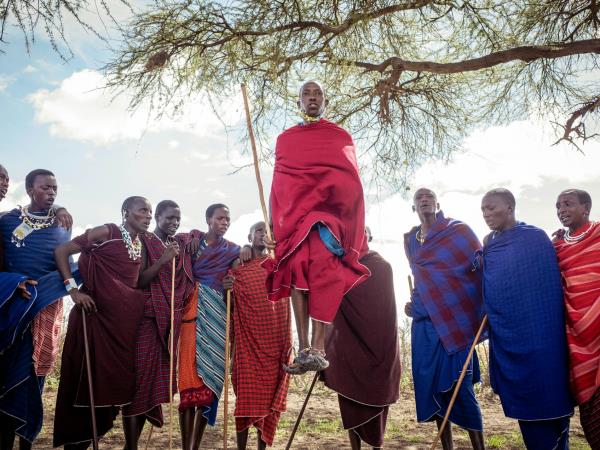
This itinerary includes meaningful engagement with both Iraqw and Maasai communities. These experiences provide additional income streams for local people while helping preserve cultural traditions, languages and traditional knowledge systems.
Supporting women and local livelihoods
Properties such as Gibbs Farm support a wide range of local employment opportunities across hospitality, agriculture, guiding and craft production. Tourism in these regions helps create economic opportunities in rural communities where employment options can be limited.
Fair pay and working conditions
LiNGER works with established local partners who are expected to comply with Tanzanian labour legislation and provide fair employment conditions for their staff.
Diversity and inclusion
Tanzania is home to more than 120 ethnic groups, each contributing to the country's rich cultural heritage. This itinerary actively celebrates that diversity through community visits, cultural exchanges and engagement with local traditions.
Popular similar vacations
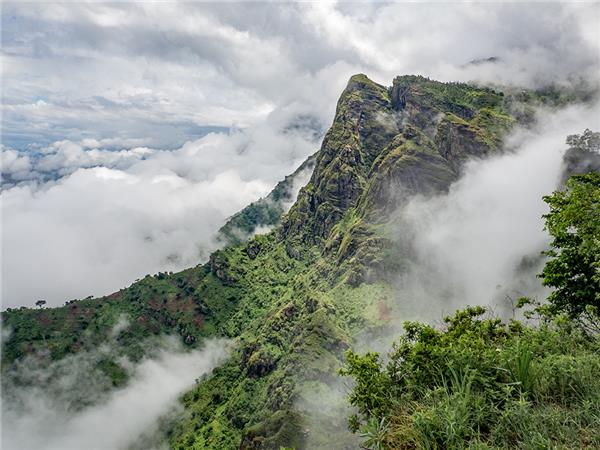
Tanzania small group safari
From US $2236 - US $3030 12 days excluding flights
Experience the beauty of Africa from Nairobi to Zanzibar
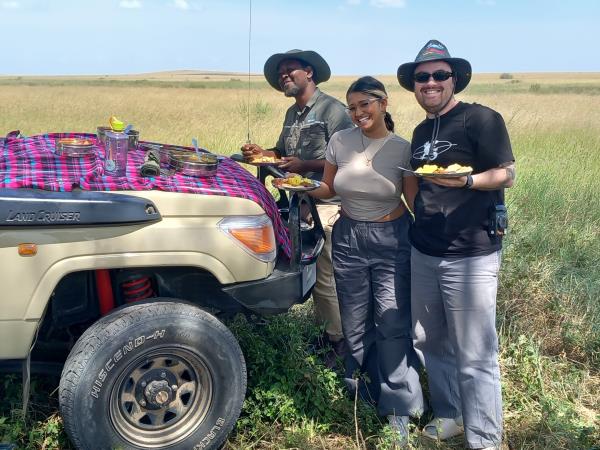
Serengeti vacation in Tanzania, the big five
From US $2570 - US $3500 5 days excluding flights
The best National parks of Tanzania northern circuit
Tanzania tour with Kilimanjaro day trek
From US $4500 - US $6270 12 days excluding flights
Kilimanjaro, 5 national parks and Zanzibar beach break