Umbria travel guide

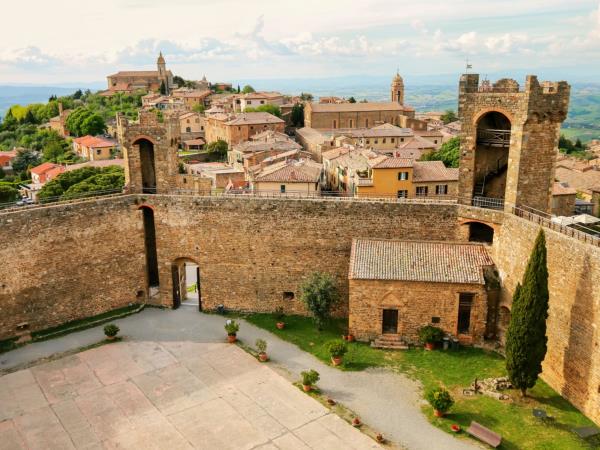
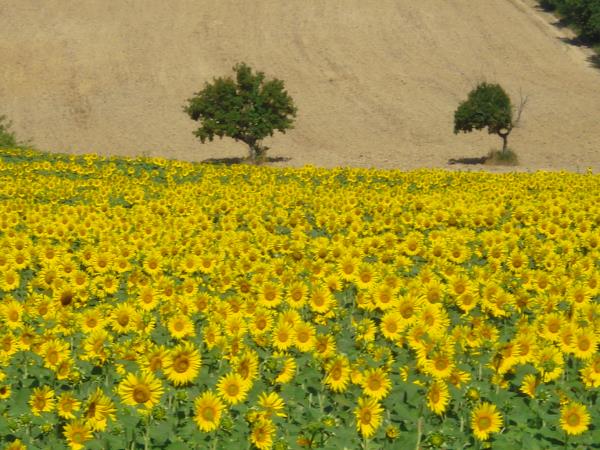
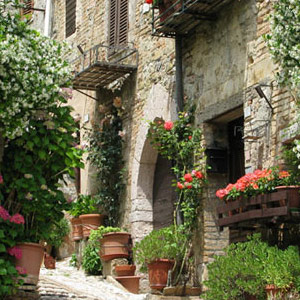
Atmosphere is everything in Umbria, and although Tuscany may have better marketing and more visitors, Umbria certainly matches it for untouched Etruscan landscapes and traditional hillside towns. Assisi, Spoleto and Orvieto showcase the region’s obsession with saints and cathedrals whilst smaller towns, such as Bevagna and Spello, are as medieval as mead and jousting. Thanks to the secluded setting this is a pocket of Italy that has withstood outside influence and only just opened its first airport.
Umbria is the missing piece of the central Italian jigsaw and well worth putting in the picture before you’ve started on the easier outer edges.
Again, bucking the Tuscan trend, Umbria is best known for its white wine and if you can find the time to sit and stare over a glass of something crisp and peachy then there’s not much more to add, other than, perhaps, a slab of pecorino or dollop of fresh ricotta drizzled in raw honey. Read on in our Umbria travel guide.
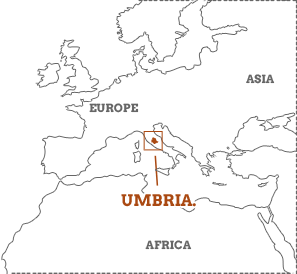
Umbria is…

a welcome alternative to yet another trip to Tuscany.

Umbria isn’t…

overcrowded, fast-paced or anything other than authentic.

Things to do

A while back, the Perugia council started building a roundabout but they had to stop because they found an Etruscan tomb. As there was no money to keep the tomb open all year round a key was given to the local grocer who now proudly lets visitors inside, all they have to do is ask. Asking questions in Umbria, such as ‘posso provare?' at the market always unlocks a few doors as well as a chance to practise your Italian. Walking in Umbria takes you over waves of wooded hills and valleys with Monte Subasio and the Sibellini Mountains providing endless paths and trails amongst Italy’s Central Apennines. Poppies, peonies and peaceful piazzas provide a seemingly permanent companion to a rural walk in Umbria with hilltop towns, such as Montefalco, Bevagna and Cannara, on the Topino River, highlighting the region’s dedication to art, religion and preserving the past. There’s no way you can contemplate Italy without mentioning the ‘c word’ and if you’re longing to cycle to the lakes, vineyards and Gothic cathedrals of Italy’s only landlocked region then go for it but don’t underestimate the undulations. Poggio delle Corti to Perugia, Assisi to Bevagna, Tessino Canyon, Mount Luco, the Nera and Tiber Rivers; Umbria does more than rival its nearest neighbours, it pedals past them to a point of no return.

Contact Us

Responsible Travel, Travel Team

Call us for a chat about our vacations. We are happy to discuss your vacation and help in any way we can. No bots, queues or awful hold music.

Responsible Travel, Travel Team

Things not to do in Umbria…

Forget to unwind. Opting to stay at a rural farmhouse or B&B is one of the best ways to unwind in Umbria. Lazy breakfasts ruminating over fresh coffee, cornetti and brioche, blissful mornings exploring dappled pine woods, or high energy games of ping pong prior to plunging into the pool. The ability to enjoy not doing very much is an art form that's wished for by many but achieved by very few.
Be overly strict with your diet. Seriously, you can't come to Umbria and count the calories or watch your waistline; it's just not good for your health. However, you might be pleased to learn that the region has an excellent reputation for olive oil, organic honey, cured meat, chickpeas and beans which makes the everyday diet of the local people actually very healthy. But hey, you’re on vacation, so dive into the closest trattoria or gelateria and to hell with the scales.
Compare Umbria to Tuscany. Although sharing the same ancient Etruscan soil, Umbria and Tuscany are completely separate regions and both well worth visiting on their own merits. The lack of big city, shimmering coastline, motorway and international air links may be viewed as a problem by some although, for others, Umbria opens up an untouched vision of the past bereft of crowds and overinflated tourist prices.
Written by Chris Owen
Photo credits: [Page banner: LianeM]