Annapurna base camp trek, Nepal
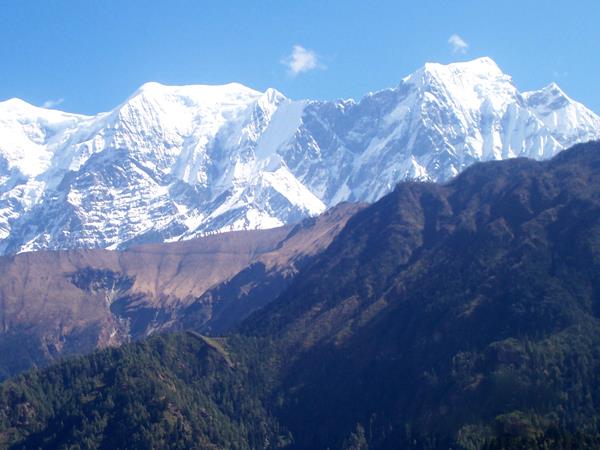
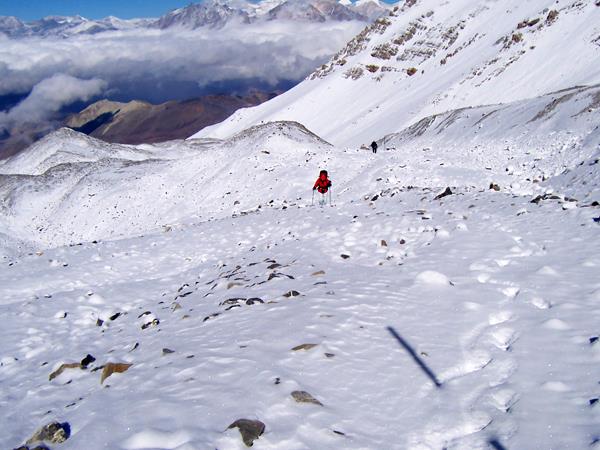
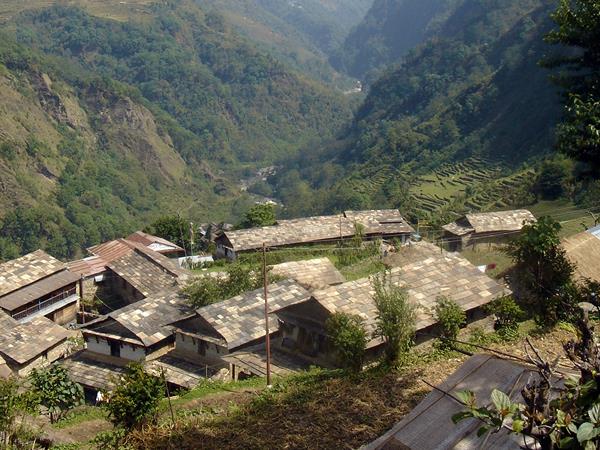
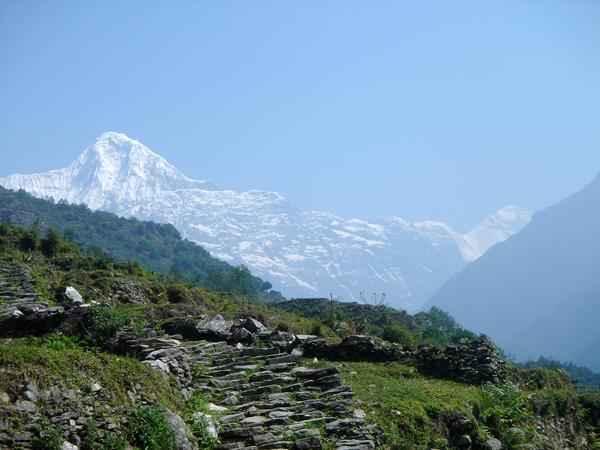
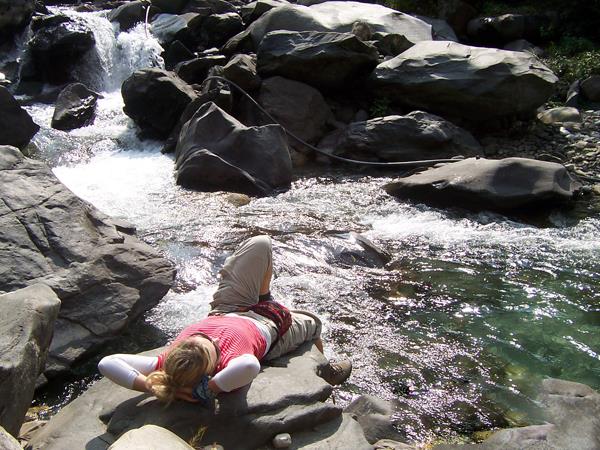
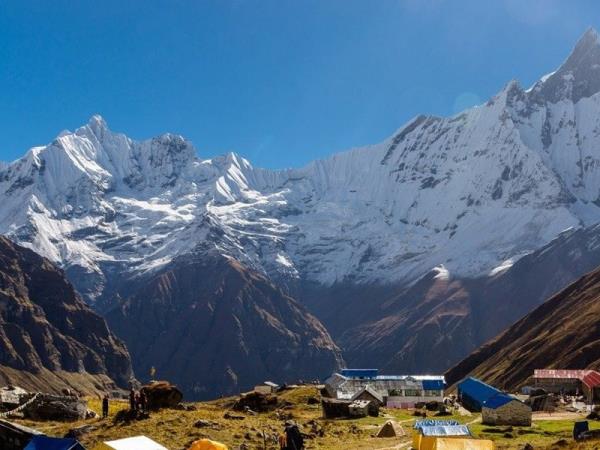
From Himalayan peaks and terraced paddy fields to rhododendron forests and sub-tropical valleys, there is no better way to explore Nepal’s diverse landscapes than on foot.
Kathmandu (full day valley sightseeing) Patan city Pokhara (lakeside hotel) Nayapul – Ghandruk trek (5-6 hours) Ghandruk – Chhomrong (5-6 hrs) Chhomrong – Dovan ( 6-7 hours) Sinuwa village – bamboo village (lunch) Dovan - Annapurna Base Camp 6-7 hours) Annapurna Sanctuary Annapurna Base Camp – Sinuwa (6-7 hours) Annapurna Base Camp – Sinuwa (6-7 hours) Sinuwa - Jhinu Danda – Landruk (6-7 hours) Landruk - Phedi – Pokhara (5 – 6 hours) Modi Khola valley Dhampus village
Price
US $1020ToUS $1160 excluding flights
More info
Twin share accommodation with Breakfast, Lunch & Dinner during the Trek, 01 Guide, 01 porter on each 02 trekkers, All transfers, Sightseeing Tours/Trekking with English speaking guide, Entrance fees & Conservation Permit, TIMS card.
Minimum 2 people.
Minimum 2 people.

Description of Annapurna base camp trek, Nepal
Price information
US $1020ToUS $1160 excluding flights
Twin share accommodation with Breakfast, Lunch & Dinner during the Trek, 01 Guide, 01 porter on each 02 trekkers, All transfers, Sightseeing Tours/Trekking with English speaking guide, Entrance fees & Conservation Permit, TIMS card.
Minimum 2 people.
Minimum 2 people.
Departure information
This trip can be tailor made throughout the year to suit your requirements
Travel guides
Discover whether a walk in the Himalayas is for you with our guide to the ups and downs.
Otherworldly landscapes, epic views and summit sunrises await on the world’s most lofty trails.
Reviews
1 Reviews of Annapurna base camp trek, Nepal
5 out of 5 stars
Reviewed on 02 Oct 2017 by Johnny Sciortino
1. What was the most memorable or exciting part of your vacation?
The kindness of the Nepalese people and my guide, the blue of the mountains sitting on top of the green grass...
2. What tips would you give other travelers booking this vacation?
Don't go early september! Its too hot and the leeches are not amazing. Late september is when the good festivals and weather are.
3. Did you feel that your vacation benefited local people, reduced environmental impacts or supported conservation?
Yes! So much. I got really int supporting the local economy in Nepal - everyone is so gracious an happy to have you visiting so it was nice to return the favor
how I could.
4. Finally, how would you rate your vacation overall?
I will go back every year from now on - it was perfect.
Responsible Travel
As the pioneers of responsible tourism, we've screened this (and every) vacation so that you can travel knowing we've worked to maximise the benefits of your vacation to local people and places, and minimise any negative impacts.
Planet
We have always believed in tourism that aims to have a low impact on the natural environment and local culture while generating income and employment for local people and promoting the conservation of local ecosystems. This is responsible tourism that is both ecologically and culturally sensitive.Local communities have a major role to play in sustainable tourism by participating actively and taking responsibility within the industry. We encourage local people to sell handmade handicrafts or simply interact with tourists to give them an authentic understanding of the local culture.
Our guide will provide important information on how to protect the environment, such as not dropping litter, disposing of garbage in designated bins, establishing proper fire points during camping treks and tours, and, where possible, giving food waste to domestic animals. We also encourage trekkers to pay a small extra amount to porters to bring back non-disposable items in duffel bags. Bathing or washing clothes in streams should be avoided to help preserve the natural water sources.
We take only small groups, with a maximum of 16 people, to help minimise our impact on the environment.
During this trek, trekkers will also have the opportunity to make donations to the Annapurna Conservation Area Project, which plays a vital role in environmental protection and community development in the Annapurna region.
The Annapurna Conservation Area Project supports a high diversity of flora and fauna species. The area is home to rare and endangered wildlife such as the Snow leopard, Musk deer, Tibetan argali, Himalayan monal (Impeyan pheasant), and Western tragopan.
The Annapurna Conservation Area Project provides a large protected area with an entire habitat gradient ranging from subtropical Sal forests to perennial snow, helping to maintain the biodiversity and ecological integrity of the central Himalayas.
People
We strive to maximise our contribution to the local community by hiring experienced local guides and porters who are familiar with the region and have in-depth knowledge of the local culture. We encourage all our clients to hire porters, as this is a great way of providing employment to local people and directing money straight back into the local economy.Our porters are not allowed to carry more than 25 kg to ensure fair and responsible working conditions.
During this trek, we stay at local lodges and teahouses operated by local people. These lodges and teahouses help minimise the impact on the environment by using kerosene or gas fuel instead of firewood.
We are in partnership with the registered charity organisation Chhahari Group Nepal. The organisation has been serving Nepalese society since 2001. Most of its projects directly benefit local communities that have been affected by natural disasters or political issues.
Many other projects also directly or indirectly support our citizens, such as orphanage homes, community schools, health camps, and scholarship programs.
A current project involves helping to run a free community school for children from very poor families who cannot afford to send their children to school.
Popular similar vacations
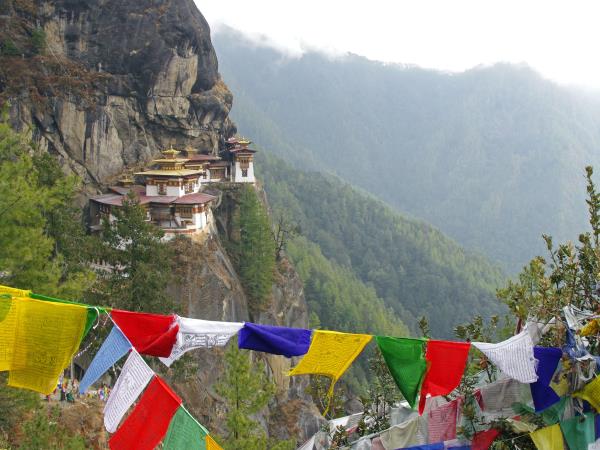
Nepal and Bhutan express tour
From US $2100 7 days excluding flights
Become one with culture and nature in Bhutan and Nepal tour
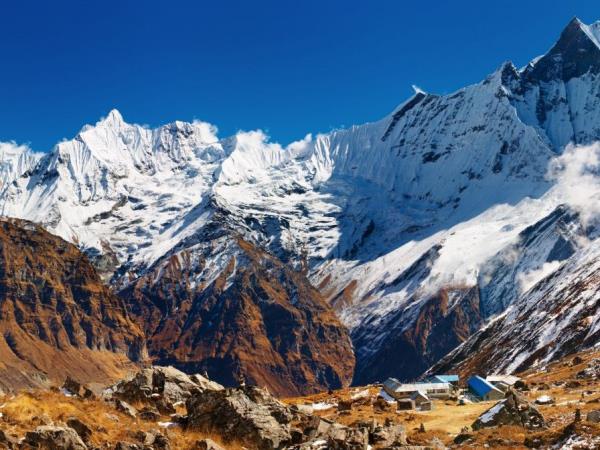
Annapurna Base Camp trekking vacations
From US $1135 - US $1550 8 days including domestic flights only
Most popular, legendary and classical trek in the world
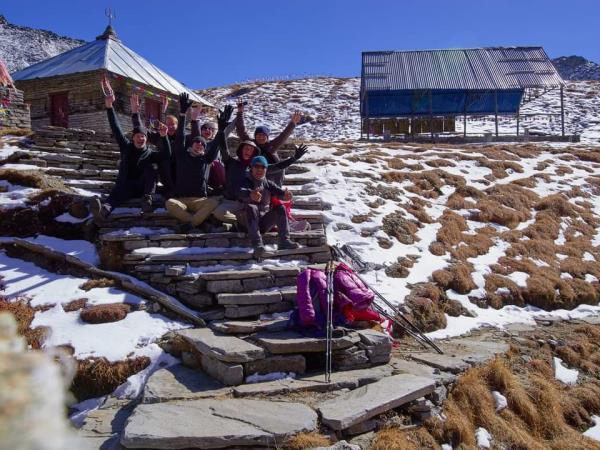
Khopra Danda trekking vacation in Nepal
From US $1230 - US $1750 9 days including domestic flights only
This is a moderate,off-the-beaten-track adventure