Gokyo Ri Valley trek in Nepal
Price
US $2150ToUS $2420 including domestic flights only
Duration
15 Days
Type
Small group
More info
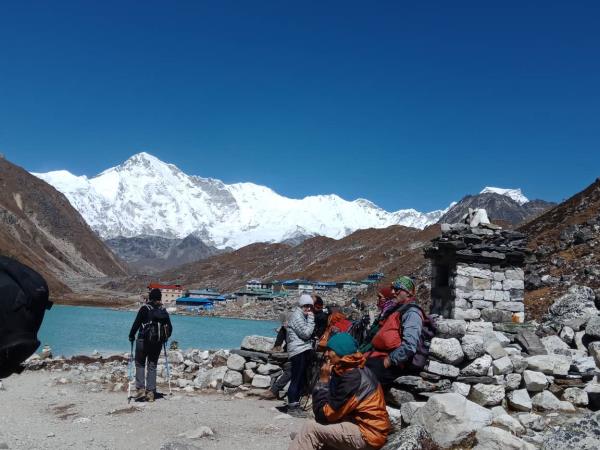
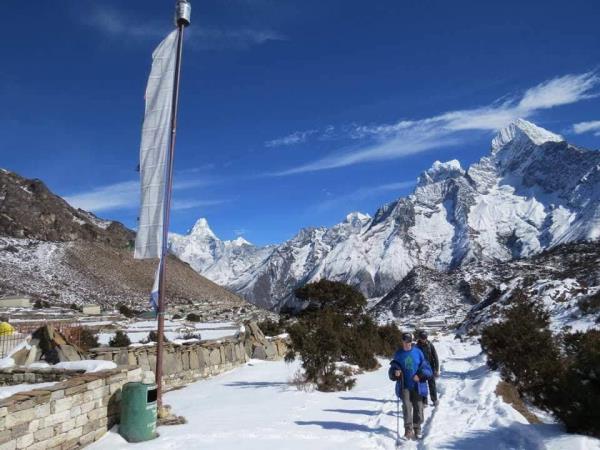
Less traveled trail around Everest! Join one of our small group or let us customise your tour.
The best time to visit is in autumn and spring.
The best time to visit is in autumn and spring.
Offers
$45 off per person on the Oct 31st departure. Limited seats available - contact us today to book.

Description of Gokyo Ri Valley trek in Nepal
Price information
US $2150ToUS $2420 including domestic flights only
Less traveled trail around Everest! Join one of our small group or let us customise your tour.
The best time to visit is in autumn and spring.
The best time to visit is in autumn and spring.
Check dates
2026: 16 Oct, 27 Oct, 10 Nov, 12 Nov, 24 Nov, 9 Dec
Travel guides
Discover whether a walk in the Himalayas is for you with our guide to the ups and downs.
Be part of a pack on your next outing. These small group walks promise fun and friendship on the trail.
Responsible Travel
As the pioneers of responsible tourism, we've screened this (and every) vacation so that you can travel knowing we've worked to maximise the benefits of your vacation to local people and places, and minimise any negative impacts.
Planet
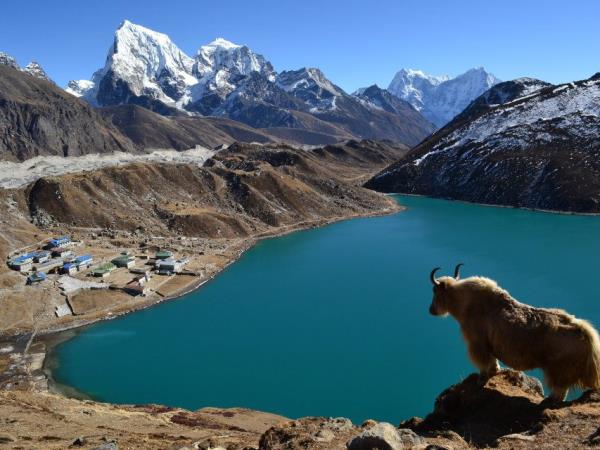
Yaks on the TrailYaks (Bos grunniens) are the primary pack animal of the Khumbu, carrying loads of up to 130kg between villages at elevations where wheeled transport is impossible. They are generally calm, but their size (adult males weigh 300–400kg) and the narrow cliff-edge trails make proximity dangerous for both animal and trekker. When a yak train approaches, step to the uphill side of the trail, stay still, and let the animals pass. Never position yourself on the outer edge of a switchback or cliff path to make way for them; the inner wall is always the safer option.
Plastic-Free Policy
Swotah Travel operates a strict no-single-use-plastic policy on all Khumbu treks. Do not bring plastic bags, travel-size shampoo bottles, or disposable cosmetic kits. Any plastic you carry in, you carry out until you reach a designated waste facility in Namche Bazaar or Kathmandu. Your guide will cover this policy in the Day 1 briefing. When buying fruit or snacks from trail-side vendors, decline plastic bags and use your pack instead.
Water on the Trail
Designated water refill points are available at tea houses throughout the Khumbu route. A BPA-free bottle and water purification tablets (iodine or chlorine-based) are all you need; buying mineral water in plastic bottles is unnecessary and contributes directly to the waste problem above the snowline. Most guides carry spare purification tablets.
Energy and Charging
All lodges and tea houses on the Gokyo Valley route run on solar power. Charging your devices costs a small fee per hour at most tea houses (typically NPR 200–300). Bringing a portable solar panel or power bank extends your independence on rest days away from lodges.
Supply Chain
Every guide, porter, tea house, lodge, and restaurant in our Gokyo network is selected partly on environmental criteria: active plastic reduction, solar installation, and use of yak transport in preference to helicopter supply where feasible. All food served on the trail is sourced within Nepal; imported goods are economically non-viable at these altitudes, so the supply chain is local by necessity as much as by policy.
Diet on the Trek
Trekking above 4,000m places real demands on digestion. Dal bhat (lentil soup with rice), noodle soup, Sherpa stew, and tsampa porridge are the staples of the Khumbu diet and are well-suited to high-altitude energy needs. Vegetarian and vegan trekkers are well catered for throughout the route; meat becomes less reliable above Dole (4,038m) due to supply logistics, so a plant-based approach is both practical and encouraged.
No Motorized Transport
This is a walking trek from start to finish. No buses, jeeps, or vehicles are used between Lukla and the return to Kathmandu. All transfers within the mountains are on foot.
People
Local Guides and PortersEvery Swotah Travel trek is staffed entirely by locals. All guides and porters are recruited from Sherpa communities in the Khumbu region, where trekking employment is one of the few reliable sources of income in villages without road access or year-round agriculture. Hiring locally is not a marketing position; it is the operating policy, applied to every departure regardless of group size.
Working Conditions
All Swotah staff, guides and porters alike, receive a fixed daily wage meeting or exceeding the Nepal Tourism Board's minimum trekking staff rates, full trekking insurance, appropriate equipment (including cold-weather gear and sleeping bags for high-altitude stages), and covered meals and accommodation for the duration of the trek. These are non-negotiable conditions, not perks extended at the operator's discretion.
Tipping
Tipping is not included in the package price and is never mandatory, but it is meaningful. In the Khumbu and Gokyo Valley, a significant portion of annual household income arrives during the two trekking seasons (March–May and October–December). A standard guideline is USD 10–15 per trekker per day, split between the guide and porter, though any amount given directly and personally is appreciated. Your guide will not ask; the decision is entirely yours.
Artisans and Cultural Economy
Swotah Travel actively routes time toward local craft markets, thanka painters, wood carvers, and handloom cooperatives, where itineraries allow. Purchasing directly from makers, rather than from airport gift shops, keeps more of the transaction in the producing community. In Kathmandu, if the schedule permits, visits are arranged to women's cooperatives working on economic inclusion and vocational training for women from remote hill districts.
Spending Time, Not Just Passing Through
The Khumbu has no mobile signal above Namche Bazaar on most networks, and that absence is worth something. On the trail, take the time to greet people in Nepali: Namaste opens most conversations. Sit for tea in a local kitchen rather than only in tourist tea houses. Listen more than you speak. The communities along this route are predominantly Hindu and Buddhist, socially conservative, and built around systems of mutual obligation that predate tourism by centuries. Modest clothing, quiet behaviour near monasteries and mani walls, and basic respect for local customs cost nothing and are noticed. The exchange that happens when two people from opposite sides of the world sit down over a cup of butter tea is, practically speaking, the whole point of being here.
Popular similar vacations
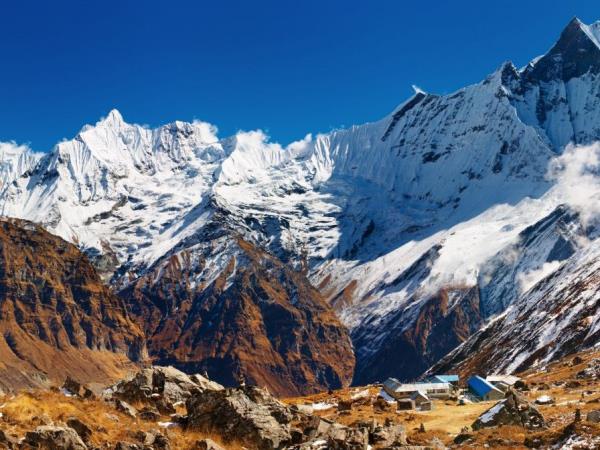
Annapurna Base Camp trekking vacations
From US $1135 - US $1550 8 days including domestic flights only
Most popular, legendary and classical trek in the world
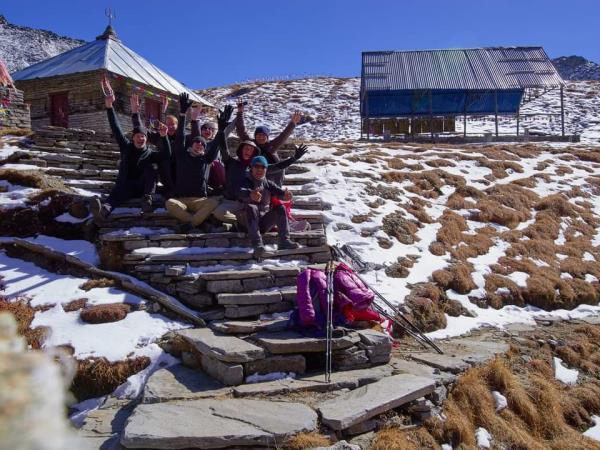
Khopra Danda trekking vacation in Nepal
From US $1230 - US $1750 9 days including domestic flights only
This is a moderate,off-the-beaten-track adventure
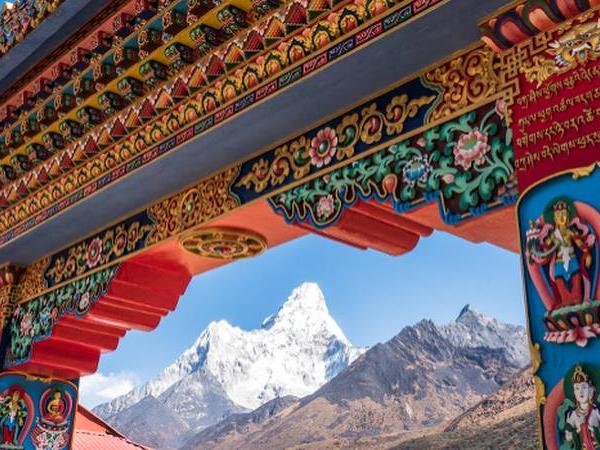
Everest Base Camp & Kala Pattar trek for over 50s
From US $3390 - US $3560 21 days excluding flights
Everest Base Camp & Kala Pattar with eco camps