Zimbabwe wildlife vacations
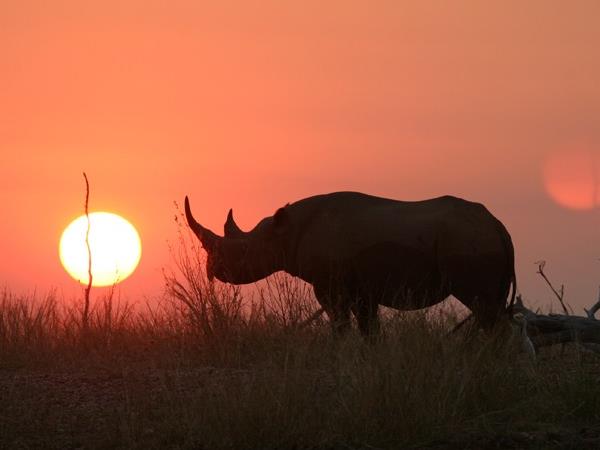
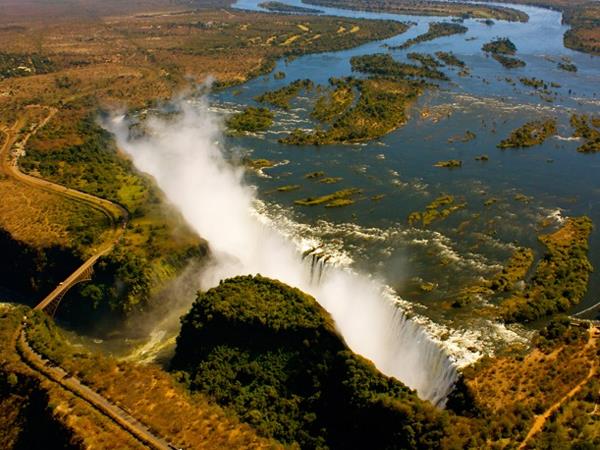
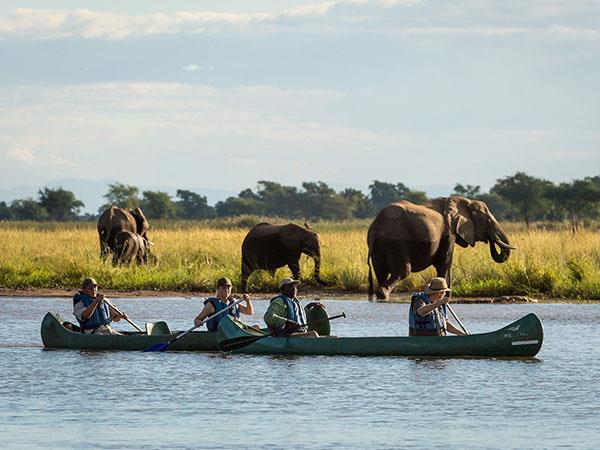
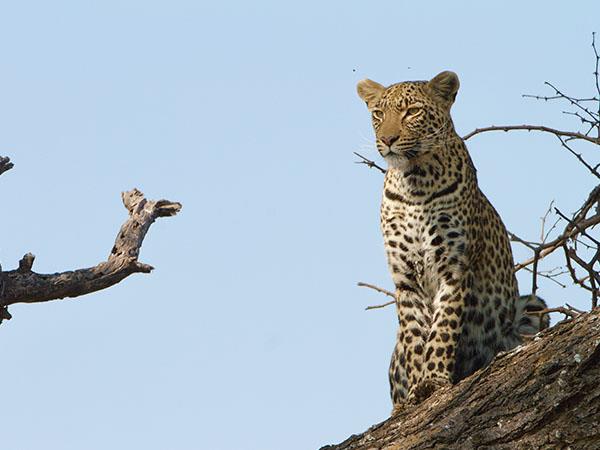
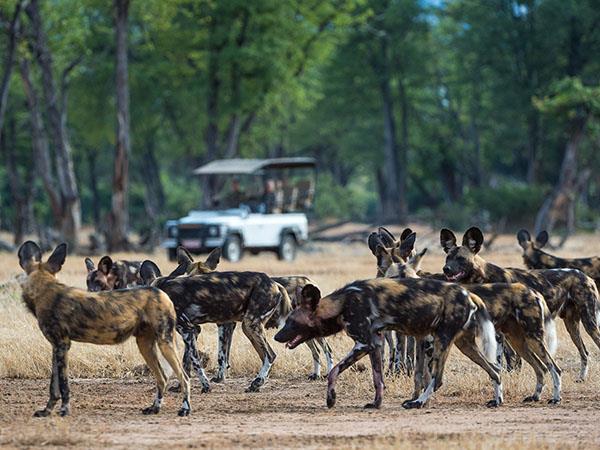
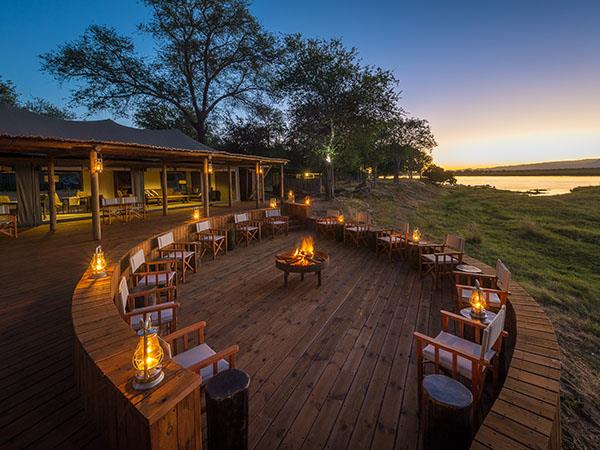
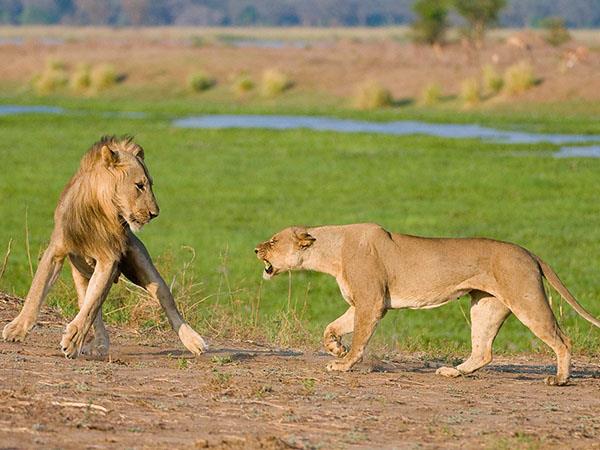
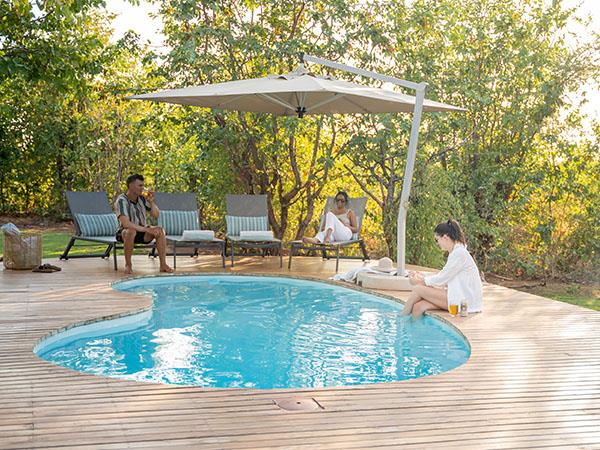
Zimbabwe’s unforgettable landscapes and incredible wildlife in 11 days, from Victoria Falls to Mana Pools, staying at lodges and camps in unique locations.
Victoria Falls guided tour Hwange National Park Matusadona National Park Mana Pools walking safaris, game drives, game viewing from hides, boat cruises, canoeing, birding, cultural visits, fishing and dinosaur fossil trips accommodation in tented camps, lodges and authentic bush camps
Price
US $14586ToUS $14845including domestic flights only
Duration
12 Days
Type
Tailor made
More info
Price includes fully inclusive accommodation, excursions, park fees and transfers & flights as shown in itinerary.
Price does not include international flights but these can be arranged as part of your package.
Tour operates between April & December
Price does not include international flights but these can be arranged as part of your package.
Tour operates between April & December

Description of Zimbabwe wildlife vacations
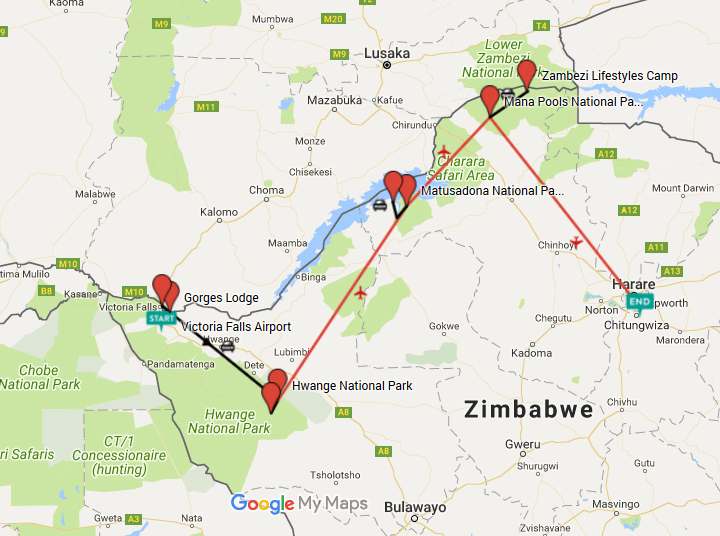
Map
Price information
US $14586ToUS $14845including domestic flights only
Price includes fully inclusive accommodation, excursions, park fees and transfers & flights as shown in itinerary.
Price does not include international flights but these can be arranged as part of your package.
Tour operates between April & December
Price does not include international flights but these can be arranged as part of your package.
Tour operates between April & December
Departure information
This trip can be tailor made throughout the year to suit your requirements
Travel guides
Zimbabwe has been turned upside down and inside out since gaining independence in the 1980s.
Learn what we rate and what we don’t when it comes to African safaris, as well as plenty of useful advice.
Vacation information
Dietary requirements:
Vegetarian/vegan options on all included meals available on request.
Responsible Travel
As the pioneers of responsible tourism, we've screened this (and every) vacation so that you can travel knowing we've worked to maximise the benefits of your vacation to local people and places, and minimise any negative impacts.
Planet
PLANET:On this fantastic trip to Zimbabwe you will witness the remarkable scenery and landscapes that make this country such a pull for visitors across the world, and it is a priority to ensure that your trip not only causes as little disruption as possible to these environments, but also creates a positive impact. Before and throughout your tour you will be offered advice on how you can travel in Zimbabwe in an environmentally responsible manner. The ecosystems of Zimbabwe have often been under threat from drought, so you will be given information on responsible usage of water, as well as advice on recycling and appropriate waste disposal. We also ensure that the lodges and camps you will be visiting have responsible environmental practices and processes in place.
This is particularly evident in the accommodation used throughout this itinerary. Wilderness Linkwasha Camp in Hwange National Park operates entirely on solar power, reducing its reliance on fossil fuels in this remote wilderness environment. Wilderness also maintains 14 solar or solar-hybrid pumped waterholes across its Linkwasha-Makalolo conservation area, providing essential water for wildlife during Hwange’s long dry season.
At Fothergill Island in Matusadona National Park, approximately 95% of the property’s energy requirements are provided by solar power. Sustainability is incorporated throughout the operation and the lodge supports the work of the Matusadona Conservation Trust, which is working to restore and protect the national park through wildlife conservation, law enforcement, community engagement and the reintroduction of indigenous species.
Mpala Jena Camp in Zambezi National Park is also powered entirely by a solar plant and battery system. During its construction, materials and design elements were selected with the aim of reducing embodied energy and unnecessary transportation, while the use of natural thatch, canvas and other sympathetic materials helps the camp sit lightly within its riverside environment.
Wilderness Ruckomechi, on the edge of Mana Pools, also operates with a light environmental footprint, using a hybrid energy system incorporating solar power. Solar technology is additionally used within the guest accommodation and for heating water, helping to reduce dependence on generators and fossil fuels in this remote location.
As well as our commitment to ensuring that your tour is run in as environmentally friendly a way as possible, we firmly believe that environmental responsibility starts at home and in the workplace. We encourage recycling of waste as a company and as individuals. Where possible for business use we use public transport. We are also heavily involved with a project to recycle used or damaged binoculars, which are then sent to conservation projects across the world.
Alongside the remarkable landscapes that Zimbabwe is famous for, one of the standout features of the country is the abundance of wildlife that roams free throughout its wilderness areas and national parks. As wildlife conservation advocates, it is imperative to us that tourism contributes positively to the protection of these habitats and species. Throughout your tour you will gain insights into the conservation work taking place, and we ensure that the owners and operators of the lodges and camps you will be staying in are actively involved in protecting the environments on which their tourism depends.
Wilderness Linkwasha is closely involved in conservation within Hwange National Park. Wilderness has supported the Scorpion Anti-Poaching Unit for many years in partnership with the Zimbabwe Parks and Wildlife Management Authority. The unit undertakes patrols, removes snares and works to combat poaching throughout this important wildlife area, while Wilderness provides financial, logistical and operational support.
Fothergill Island contributes financially to the Matusadona Conservation Trust and works alongside the conservation authorities responsible for the park. The Trust, a partnership between African Parks and Zimbabwe Parks and Wildlife Management Authority, is working to restore Matusadona’s wildlife populations and habitats, strengthen law enforcement and reduce human-wildlife conflict. Recent conservation work within the park has included the reintroduction of locally extinct species and the strengthening of anti-poaching operations. Fothergill also assists with anti-poaching efforts under the direction of African Parks and follows strict controls for fishing and other water-based activities.
At Mpala Jena, tourism also directly supports conservation within Zambezi National Park. The camp and other stakeholders have been involved in establishing the Zambezi Parks Support Foundation, which works alongside Zimbabwe Parks and Wildlife Management Authority to strengthen conservation and anti-poaching operations. Projects have included the deployment of scouts, improved anti-poaching infrastructure, logistical support and the provision of a riverboat to assist with patrols along the Zambezi.
Wilderness Ruckomechi is located within a private conservation area adjoining Mana Pools National Park, helping to maintain an important buffer for wildlife along the Zambezi River. Wilderness’ wider conservation activities in Zimbabwe have also supported wildlife research and monitoring, alongside long-term investment in protecting wilderness areas and the communities living around them.
As a company we support many wildlife organisations worldwide. Further to this, the ground handlers that we use for this trip are committed to ensuring the ongoing protection of wildlife by supporting conservation initiatives throughout southern Africa.
The pre-departure briefing on this tour will also include information on respecting the wildlife which you will encounter, including keeping a safe distance and ensuring not to encroach upon their habitats or do anything which may put an animal under unnecessary stress or danger. Our local partners and expert guides will ensure that the measures in place to conserve these habitats and protect wildlife are carefully observed throughout your safari.
People
Helping the people of the countries we visit to sustain the revenue streams created from tourism is exceptionally important to us. We take every step necessary to ensure that the tours we provide create a positive impact on the communities of the regions we visit. As a company we believe in promoting tourism as a sustainable natural resource with the power to conserve, protect and improve lives, and this is particularly relevant on our Zimbabwe itineraries.Solely using local agencies to provide the elements of your tour means we have up-to-date and relevant local information that we can pass on to you. This includes information on ongoing initiatives and community efforts that we actively encourage our customers to learn about, information on cultural etiquette and advice on how to engage respectfully with local communities. We offer first-hand advice on creating meaningful relationships between tourists and residents and suggest local areas and communities to visit, along with advice on where to buy souvenirs, eat and drink so that tourism spending can benefit local businesses and individuals.
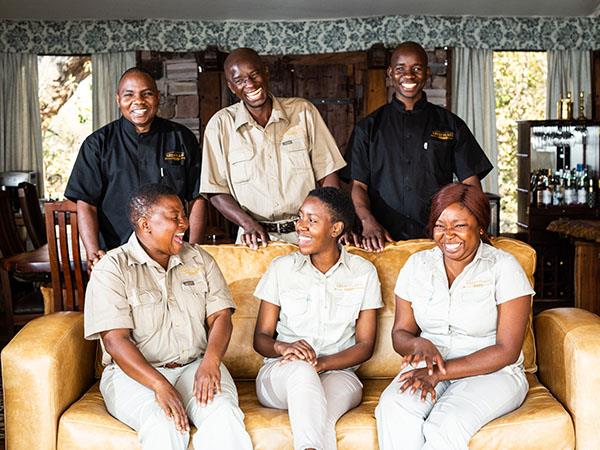
The local providers that we use are also passionate about protecting the communities, wildlife and landscapes of this remarkable country. They are committed to creating and upholding transparent and respectful relationships with local communities and suppliers. We use knowledgeable local management companies so that they not only hold an intimate understanding of the regions in which they operate, but also help ensure that tourism creates employment, training and economic opportunities within Zimbabwe.
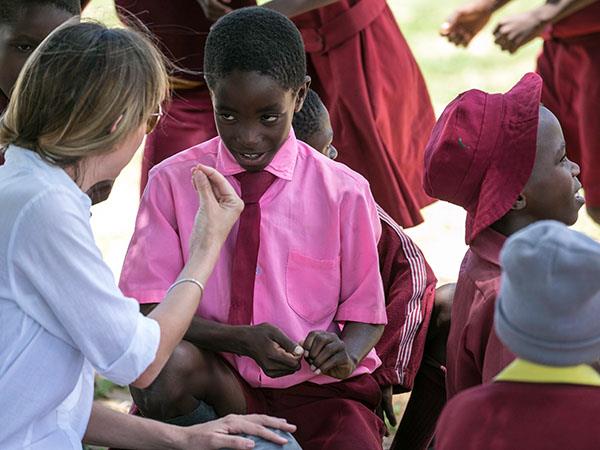
This commitment is particularly evident at Wilderness Linkwasha in Hwange National Park, where more than 90% of staff come from local communities. Wilderness’ non-profit partner, Children in the Wilderness, also works extensively with communities and schools surrounding Hwange. Linkwasha provides logistical and operational support for the programme, which includes Eco-Clubs providing conservation education, teacher training, educational facilities and equipment, and a nutritional programme supplying meals to schools bordering the park.
Close to Linkwasha, Wilderness has also established the Ngamo Livestock Farm & Vocational Centre. This project provides young Zimbabweans with fully funded vocational training in areas including animal husbandry, conservation agriculture and sustainable crop production. Produce grown through the project can be purchased by Wilderness camps, creating an additional income stream while teaching skills designed to provide sustainable livelihoods and reduce pressure on natural resources.
At Fothergill Island, creating employment and developing skills locally is an important part of the lodge’s approach. Young people are offered apprenticeships and practical training, with opportunities to develop skills in areas ranging from hospitality and cookery to boating and technical roles. The aim is to equip team members with transferable skills and provide opportunities to build long-term careers within Zimbabwe’s tourism sector.
Fothergill’s support for the Matusadona Conservation Trust also contributes to a much wider programme of community development surrounding the national park. Initiatives include environmental education, bursaries for disadvantaged students, wildlife clubs, support for schools, income-generating projects and measures designed to reduce conflict between communities and wildlife. Sustainable livelihood projects around Matusadona include honey production, sewing, agriculture and regulated fishing, helping local people benefit economically from the protection and recovery of the park.
Wilderness Ruckomechi also forms part of Wilderness’ wider community work surrounding Mana Pools. Through Children in the Wilderness, Eco-Clubs operate in schools within the neighbouring Hurungwe District, giving local children regular environmental education and helping to develop an understanding of the value of wildlife and protected areas. Teacher training and conservation education programmes further strengthen these links between tourism, local communities and the long-term protection of Mana Pools.
Through these partnerships, a stay at the camps and lodges included on this itinerary helps support employment, training, education and conservation across several different regions of Zimbabwe, allowing tourism revenue to provide benefits not only for visitors but also for the communities living alongside some of the country’s most important protected areas.
As a company we are proud of our principle-based values which our community can always depend on. We support several home and overseas charities, organisations and campaigns including AfriCat, Worldwide Fund for Nature (WWF), the Wildfowl and Wetlands Trust (WWT), Save the Albatross, South Georgia Habitat Restoration Project, Wader Trust, Wildlife SOS India and sponsorship of individual and underprivileged children in many countries. We are committed to ethically working with overseas partners who employ and support local communities and local guides who know and love their region like no other, are delighted to share their knowledge and are dedicated to looking after our valued passengers.
Popular similar vacations
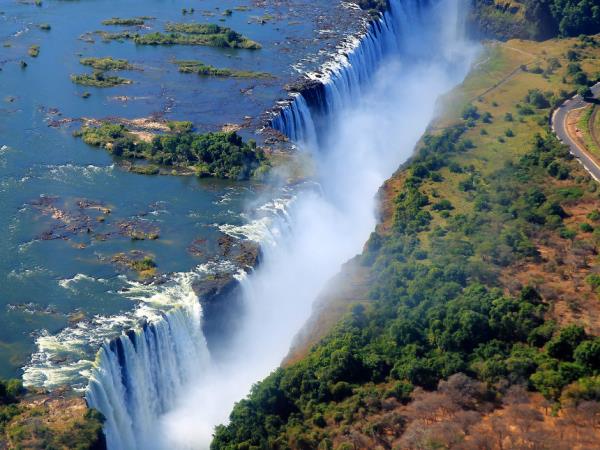
Zimbabwe tailor made vacations
From £7376 11 days including domestic flights only
A journey through Zimbabwe's most iconic wildlife habitats
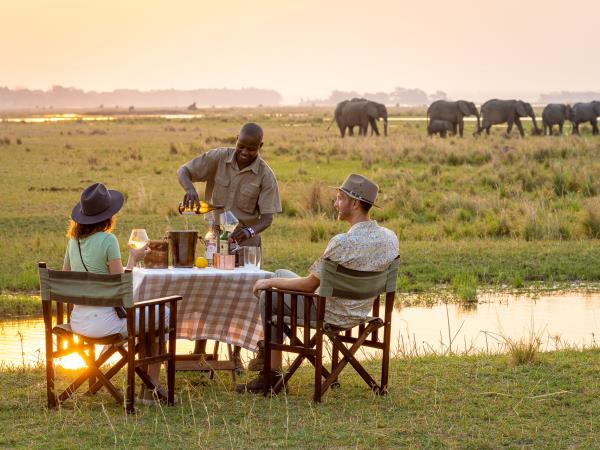
Zimbabwe safari vacation, tailor made
From £5550 - £6995 9 days excluding flights
Safari combining some of the most diverse areas of Zimbabwe
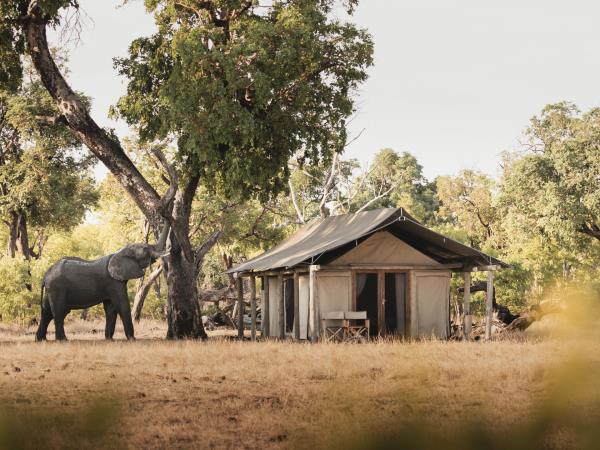
Botswana and Zimbabwe highlights tour
From £5555 - £6795 11 days excluding flights
Great value Victoria Falls, Hwange, Chobe & Okavango Delta