Georgia walk & wine tour
Price
US $1999 excluding flights
Duration
9 Days
Type
Tailor made
More info
Includes:
8 nights based on twin sharing
All transfers and guides
Suitable for most abilities as city walking and steady hiking

Description of Georgia walk & wine tour
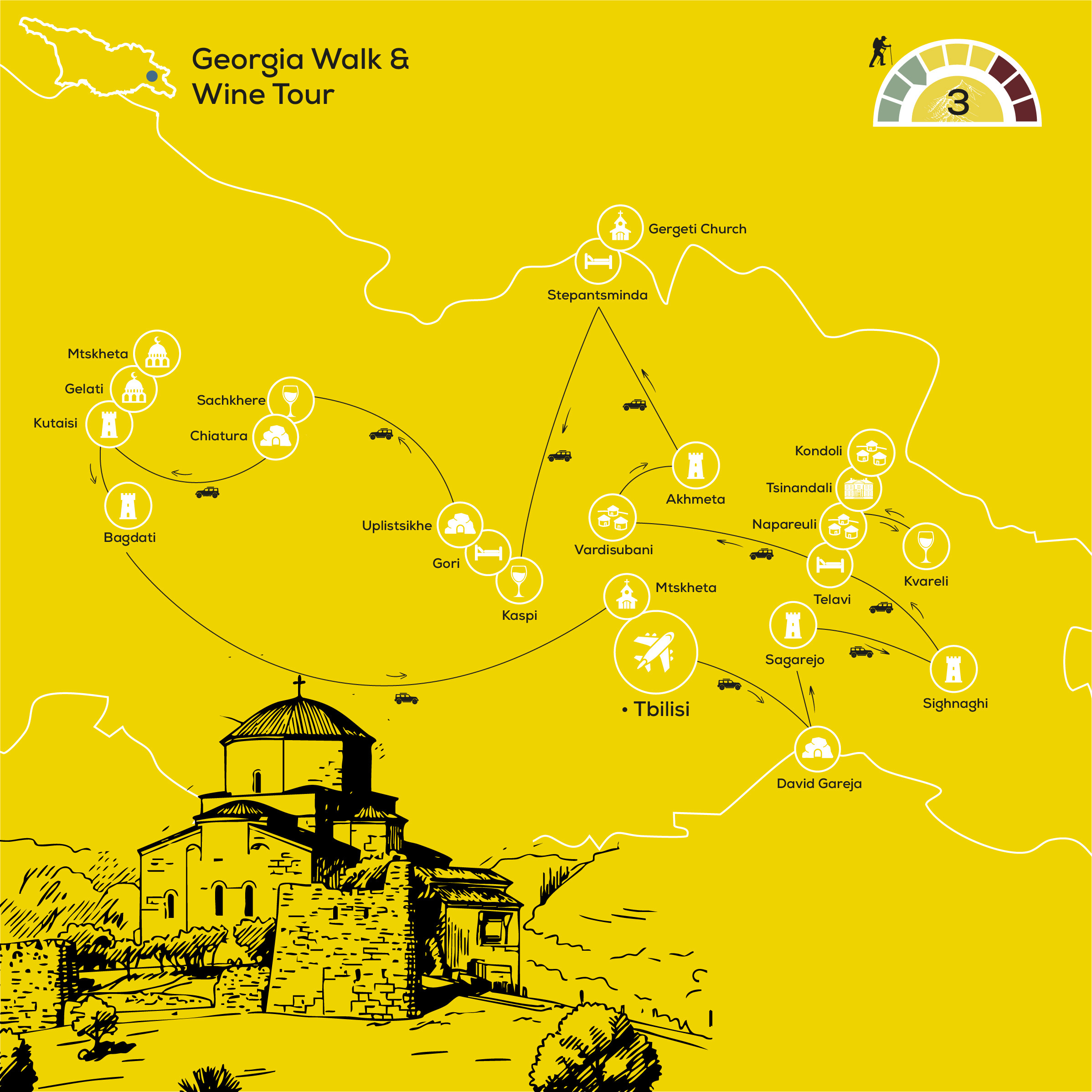
Map
Price information
US $1999 excluding flights
Includes:
8 nights based on twin sharing
All transfers and guides
Suitable for most abilities as city walking and steady hiking
Departure information
This trip can be tailor made throughout the year to suit your requirements
Travel guides

With its expert advice, our guide will prove far more useful than anything you’ll hear on the grapevine.

A crossroads of civilisations, the birthplace of wine, bordered by the Caucasus and the Black Sea - Georgia has a long history.
Responsible Travel
As the pioneers of responsible tourism, we've screened this (and every) vacation so that you can travel knowing we've worked to maximise the benefits of your vacation to local people and places, and minimise any negative impacts.
Planet
Carbon ReductionThis itinerary has been designed to minimise unnecessary emissions while still allowing access to Georgia’s more remote regions. There are no internal flights included in the trip, with all travel taking place overland by shared vehicle. While distances between regions such as Kakheti, the Greater Caucasus and western Georgia are significant, traveling by road avoids the higher emissions associated with domestic aviation and allows for a more gradual, lower-impact journey through the country.
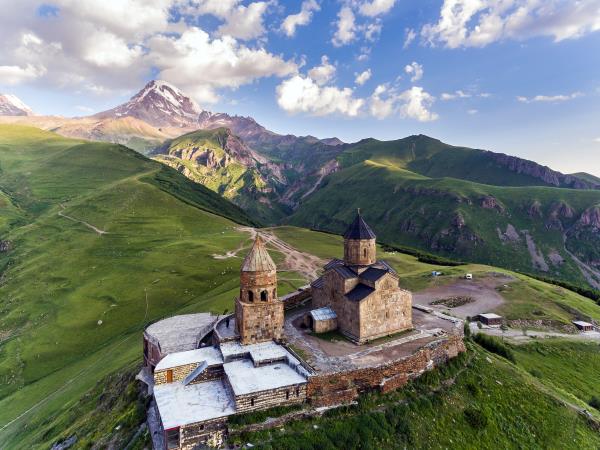
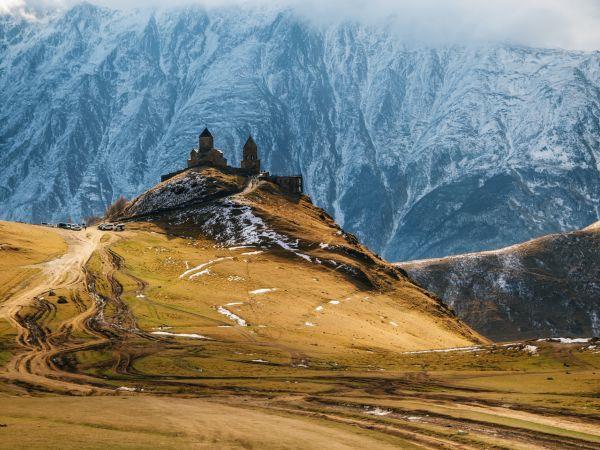
Walking plays a meaningful role throughout the itinerary, particularly during the hike to Gergeti Trinity Church near Stepantsminda, as well as shorter exploratory walks through towns, markets and historical sites. While this is not a continuous trekking itinerary, these human-powered elements reduce reliance on vehicles where possible and allow travelers to engage more closely with their surroundings without additional environmental cost.
Transport is shared across the group, reducing per-person emissions compared to individual travel. Journeys are planned efficiently, linking destinations in a logical sequence to avoid unnecessary backtracking. Where long drives are required, such as between eastern and western Georgia, these are balanced with extended stays in each region to reduce the frequency of travel days.
Accommodation is locally owned and generally small-scale. While Georgia’s tourism infrastructure is still developing and renewable energy use varies, many properties reduce their environmental impact through low-density design, limited energy consumption and use of locally sourced materials. Heating and cooling demands are typically modest, and energy use reflects local standards rather than high-consumption resort models.
Food throughout the trip is largely seasonal and locally sourced. Meals in family homes and small wineries rely on ingredients grown nearby, significantly reducing food miles. Vegetarian options are widely available across Georgia and are included in many traditional dishes such as vegetable stews, breads, cheeses and salads.
Travelers are also advised prior to departure on practical ways to reduce their impact including traveling with reusable water bottles and packing efficiently. While Georgia does not yet widely support electric transport infrastructure for tourism, the emphasis on shared travel, local sourcing and reduced flying contributes to a lower overall carbon footprint for the trip.
Environment And Wildlife
This journey takes place across a diverse range of landscapes, from semi-desert regions near David Gareja to the alpine environments of the Greater Caucasus and the fertile valleys of Kakheti. The itinerary is designed to engage with these environments responsibly, ensuring that visits do not place unnecessary strain on fragile ecosystems.
Accommodation partners are selected based on their local ownership and their approach to managing environmental impacts. Many properties minimise waste through reduced plastic use, provide filtered or boiled water for refilling bottles and operate with an awareness of water and energy conservation. In rural areas, waste management infrastructure can be limited, so careful handling and reduction of waste is essential.
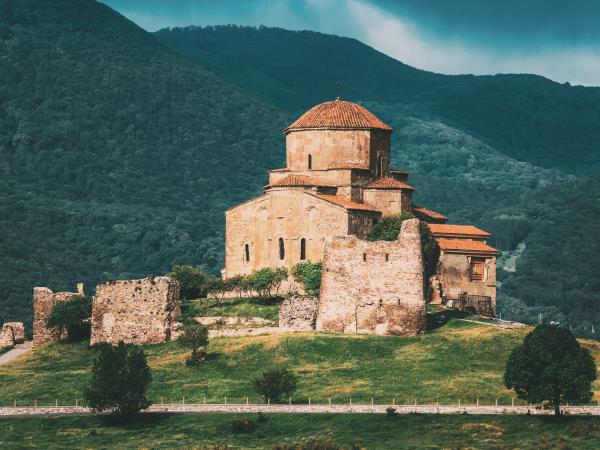
Visits to natural and cultural sites, including areas such as the Kazbegi region and the surroundings of Gelati and Mtskheta, are conducted with a focus on preservation. Walking routes follow established trails to prevent erosion and habitat disruption and guides ensure that group movement remains controlled and respectful. The hike to Gergeti Trinity Church, for example, uses a well-established path that minimises environmental impact while still allowing access to this significant location.
Local guides provide context on how communities interact with their environment, from agricultural practices in Kakheti to the challenges of maintaining biodiversity in mountainous regions.
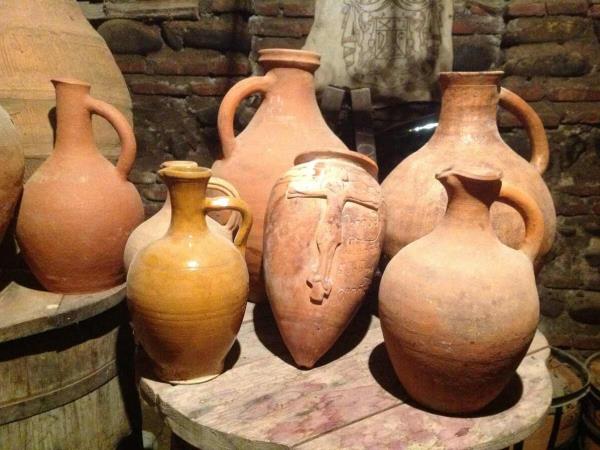
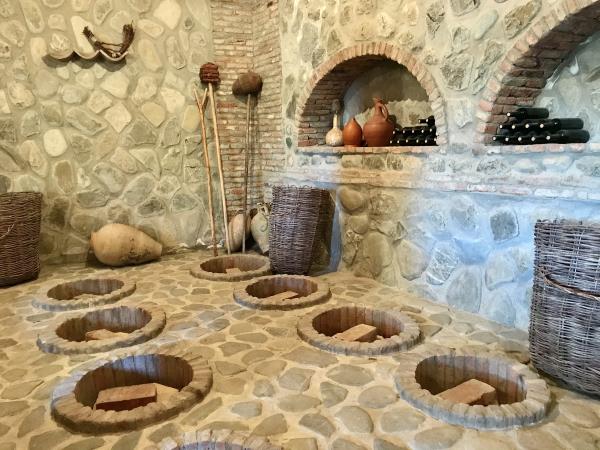
Wine production, a key part of this trip, is also approached from an environmental perspective. Many of the small wineries visited use traditional, low-intervention methods such as qvevri fermentation, which rely less on industrial processes and preserve indigenous grape varieties. Supporting these producers helps maintain agricultural biodiversity and protects heritage techniques that are more sustainable than mass production methods.
Through small group sizes and careful planning, the trip aims to ensure that tourism contributes positively to the preservation of Georgia’s landscapes rather than detracting from them.
People
Local EconomyThis itinerary is built around locally owned businesses and community-based experiences, ensuring that the economic benefits of tourism remain within Georgia. All accommodations used throughout the trip are locally operated, from boutique hotels in Tbilisi to small guesthouses in regional towns such as Telavi, Stepantsminda and Kutaisi. These properties employ local staff and source goods and services from nearby suppliers, helping to sustain regional economies.
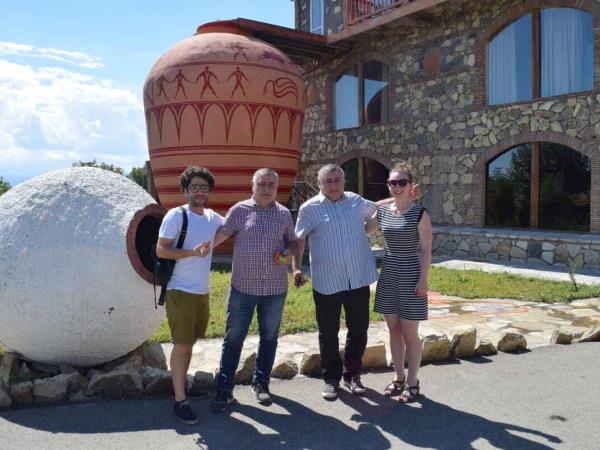
A significant portion of the experience centers around visits to family-run wineries and households. In Kakheti and beyond, guests are welcomed into private homes and small-scale wine cellars, where they share meals, learn traditional cooking techniques and take part in tastings. These interactions provide direct income to families and help preserve cultural practices that might otherwise be lost to larger commercial operations.
Local markets, such as the farmers’ market in Telavi, offer further opportunities to support small producers. Travelers are encouraged to engage with vendors selling seasonal produce, cheeses and handmade goods, creating informal but meaningful economic exchanges. Visits to craft traditions, including qvevri making in Vardisubani, also contribute to sustaining specialised skills that are unique to the region.
Entrance fees to cultural and historical sites, including monasteries, museums and UNESCO-listed landmarks, contribute to their maintenance and conservation.
By prioritising local ownership, small-scale producers and direct community engagement, the trip ensures that tourism revenue supports those who are most closely connected to the places being visited.
Employment, Inclusivity And Diversity
The delivery of this trip relies heavily on local expertise, with guides, drivers and hospitality staff predominantly from Georgia, many of whom are from the regions included in the itinerary. This ensures that employment opportunities are created within the country and that travelers benefit from authentic, lived knowledge of the destination.
Guides are trained to provide both cultural and practical insight, supporting travelers throughout the journey while also acting as a bridge between visitors and local communities. Their role is central to creating respectful and meaningful interactions, particularly during visits to homes, religious sites and rural areas.
The itinerary naturally supports a wide range of employment opportunities, including those in agriculture, hospitality, transport and traditional crafts. Women are actively involved in many aspects of the experience, particularly in hosting meals, managing guesthouses and participating in local food production. These roles provide important sources of income and help sustain community structures.
The use of small, locally owned businesses helps ensure that wages and working conditions reflect community standards rather than external pressures from large-scale tourism operations.
Georgia is generally welcoming to international visitors, and while cultural norms should be respected, the trip is open to travelers from a wide range of backgrounds. Clear communication is provided to help guests understand local customs and expectations, supporting a respectful and inclusive environment for both visitors and hosts.
Due to the inclusion of walking and some uneven terrain, the trip is not suitable for those with limited mobility, and this is communicated transparently in advance. This ensures that participants can make informed decisions and that the experience remains safe and enjoyable for all involved.
Popular similar vacations
Short tour in Georgia, private departure
From £995 5 days excluding flights
Short break in Georgia for time-limited travelers
Georgia cultural vacation
From US $2194 - US $2712 9 days excluding flights
Fascinating cultural tour of Georgia
Classic Georgia tour, tailor made
From £1525 8 days excluding flights
A short journey in fascinating and beautiful Georgia