Lemosho trek up Kilimanjaro
Price
US $3450US $3240ToUS $4260 excluding flights
More info
Prices based on 2 adults sharing.
Single supplement from $230 - $280.
Mimimum age 16.
Single supplement from $230 - $280.
Mimimum age 16.
Offers
Up to US $210 off selected dates.
Late availability on these dates: 22 Oct
Late availability on these dates: 22 Oct

Description of Lemosho trek up Kilimanjaro
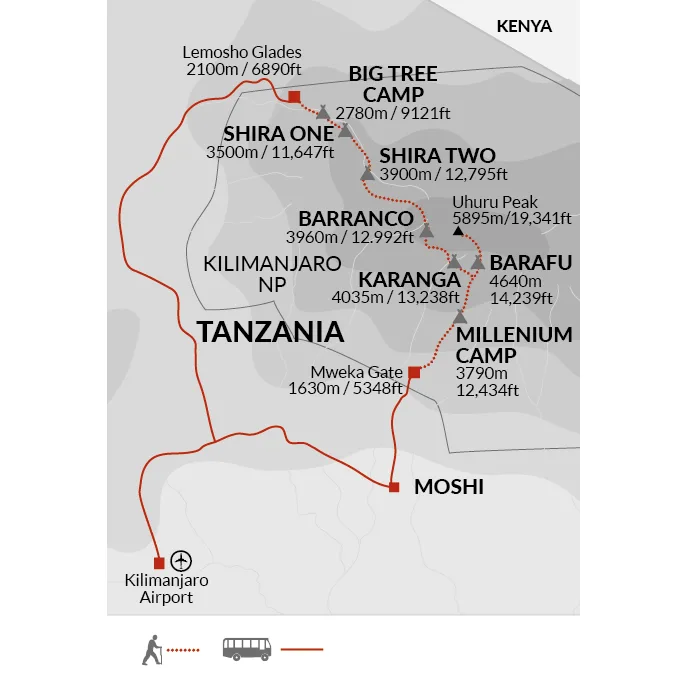
Map
Price information
US $3450US $3240ToUS $4260 excluding flights
Prices based on 2 adults sharing.
Single supplement from $230 - $280.
Mimimum age 16.
Single supplement from $230 - $280.
Mimimum age 16.
Check dates, prices & availability

Travel guides
Be part of a pack on your next outing. These small group walks promise fun and friendship on the trail.
Otherworldly landscapes, epic views and summit sunrises await on the world’s most lofty trails.
Vacation information
Small group tour, ideal for solos & couples:
Small group travel is not large group travel scaled down. It is modelled on independent travel – but with the advantage of a group leader to take care of the itinerary, accommodation and tickets, and dealing with the language. It’s easy to tick off the big sights independently – but finding those one-off experiences, local festivals, traveling markets and secret viewpoints is almost impossible for someone without the insider knowledge gained from years in the field. Those with a two-week vacation, a small group tour will save valuable planning time.
Reviews
1 Reviews of Lemosho trek up Kilimanjaro
5 out of 5 stars
Reviewed on 02 Sep 2023 by Paul Watling
1. What was the most memorable or exciting part of your vacation?
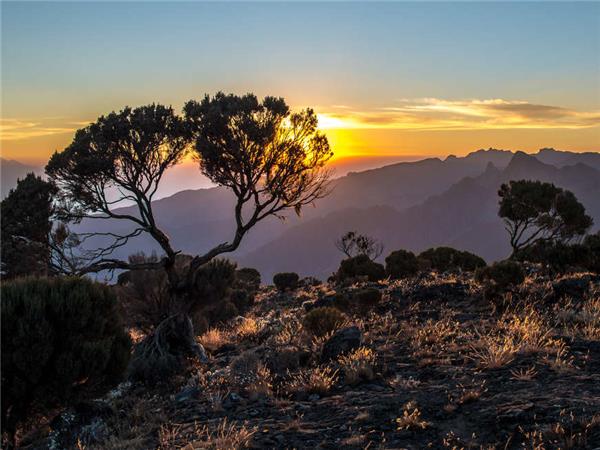
There are too many to mention. But I would say Shira Cathedral point was pretty impressive and the sunset at Shira 2 camp.
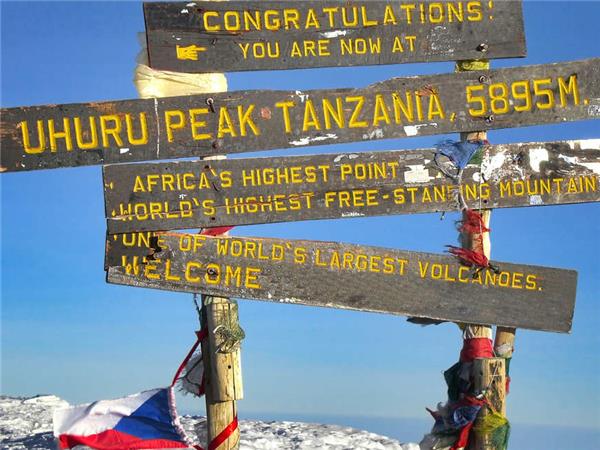
The guides and the team that got us there were outstanding. Reaching the summit was special but, be warned, you’re pretty out of it when you’re there.
2. What tips would you give other travelers booking this vacation?
This isn’t a vacation. It’s a commitment that demands hard work and will-power. Understand that, be committed and go for it.
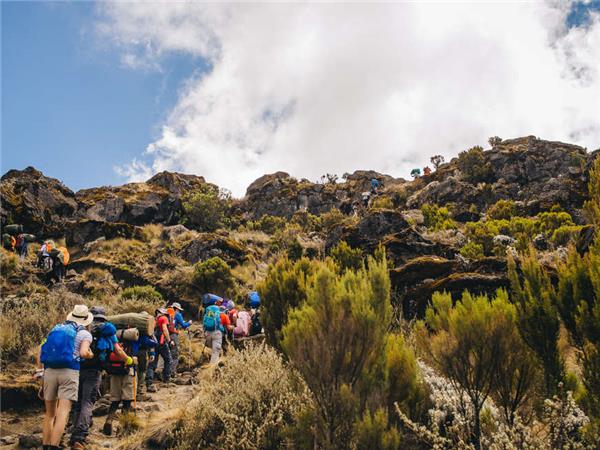
Having said that, days 1-5 offer walking that is occasionally tough but generally pleasant with some great views. It’s only the final ascent (Ben Nevis starting at 15,500 ft) that is really tough. Anybody that finds it easy is either used to it or lying.
Consider taking diamox tablets for altitude. The guides were surprised that we weren’t using it. One of our party struggled with altitude, but nevertheless made it. Knowing what I know now, I think I’d probably recommend it.
3. Did you feel that your vacation benefited local people, reduced environmental impacts or supported conservation?
I hope it benefited local people. We really enjoyed our interaction with the team of guides, chef, camp manager, porters, etc.
They were terrific and could not have been more helpful or attentive. They looked after us and were concerned for our welfare throughout. There were 15 of them to 4 of us. We understood there had to be a minimum of 6, but were delighted to have a ‘private’ trip. You need to tip - 250USD per traveler. We gave a bit more than that. Still not enough. They are worth every cent.
Not sure about the environment and conservation. When we were there, the guides reckoned there were 2,000 people on the mountain each day. Can that be good?
4. Finally, how would you rate your vacation overall?
Outstanding. It’s been on my list of to-dos for 30 years and I did it with my 2 sons and my daughter-in-law. A really special achievement and experience. But I wouldn’t want to do it again! Be under no illusion.
Responsible Travel
As the pioneers of responsible tourism, we've screened this (and every) vacation so that you can travel knowing we've worked to maximise the benefits of your vacation to local people and places, and minimise any negative impacts.
Planet
CARBON REDUCTIONAs a travel company we are acutely aware of our impact on the environment. All of our tours display a carbon footprint, and we strive to reduce our emissions by regularly reviewing our tours and embracing low-impact styles of travel such as trains, public buses or walking – which offer the added benefit of getting a closer connection with the destination and local community. The vast majority of this tour is taking place on foot, either slowly hiking up the mighty Kilimanjaro or descending back down from the summit. Walking - has a minimal carbon footprint.
Food throughout the trek is locally sourced, our local mountain crew cooks, plan and prepare meals that are nutritious and suited to the physical exertion of the Kilimanjaro trek. The fruit and vegetables are as fresh as they can be and have all been grown and harvested locally - supporting farmers and the local economy as well as having a low carbon footprint. The food is often one of the biggest surprises for trekkers; meals are hearty and flavoursome.
ENVIRONMENT & WILDLIFE
On this trek we look at our impacts at every level - from using eco-friendly toilets and biodegradable soap when at camp to establishing a relationship with the community and culture of our porters. Trekkers and support teams alike are not able to bring single-use plastic into Tanzania. In order to reduce the amount of waste on the trail, all rubbish is weighed at the entry to Kilimanjaro National Park as well as at the end to ensure that all waste is taken away. There's no refuse collection on the mountain so anything that goes with you must come back off the trail - either with you or as part of the porters' rubbish.
We strive to support nature and biodiversity through protection and regeneration projects, and for every customer that travels with us we make a donation to Rewilding Britain and Cool Earth.
We encourage customers to avoid single-use plastic on tour, and our leaders give advice on refill points each day. Where tap water isn't safe to drink we recommend Water-to-Go bottles, a filtration bottle allowing you to drink water from any source.
People
LOCAL ECONOMYOur leaders are the heart of tours. They bring passion and unrivalled knowledge of the destinations and communities that we visit. Their guidance ensures we observe the cultural norms in a destination, they act as a bridge between travelers and the local community and ensure that tourism is a positive experience for both host and guest. We believe in supporting local; staying in locally-run hotels, exploring markets, buying snacks from street vendors, and by doing this we add money to the local economy and enhance our connection with the local community.
The villages around Kilimanjaro survive solely on two things - tourism and agriculture. All our porters are from the villages near the Londorossi Gate and the vast majority of the food we bring onto the mountain is from the local village markets.
EMPLOYMENT, INCLUSIVITY & WILDLIFE
We believe that diversity is to be celebrated and as a Certified B Corp we're committed to championing equity and inclusion throughout our entire supply chain. We believe that an inclusive approach is essential, and that the best results occur when contributors have different opinions, experiences and backgrounds to bring to the table.
100% of the guides, staff and porters on this tour, are local Tanzanians, most of them are directly local to the specific route in which they work. Our ground operator is based in the small town of Moshi and are members of both ATTA, KIATO and TATO, local organisations dedicated to provide the best possible working conditions for all employees.
Popular similar vacations
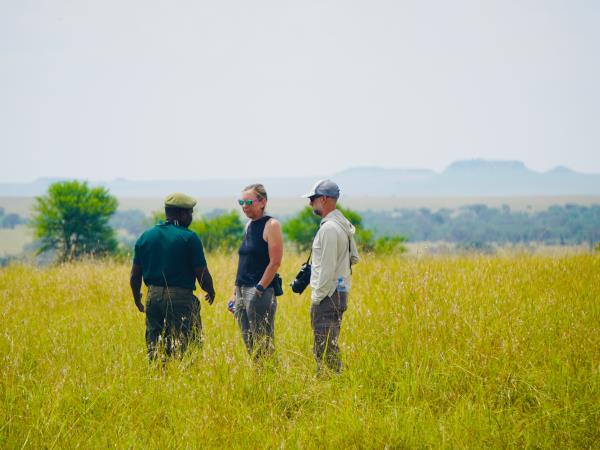
Tanzania tour with Kilimanjaro day trek
From US $4500 - US $6270 12 days excluding flights
Kilimanjaro, 5 national parks and Zanzibar beach break
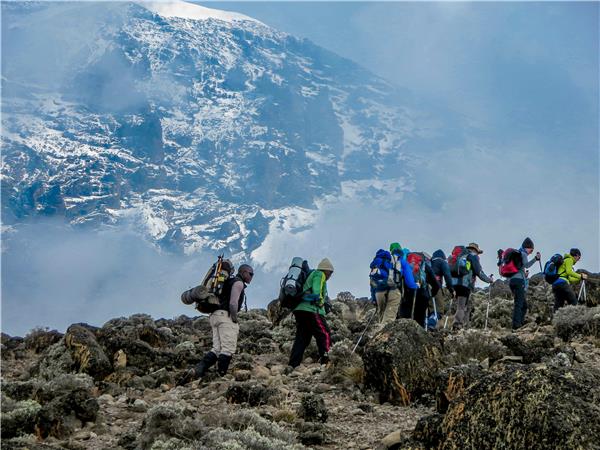
Lemosho Route Kilimanjaro Climb
From US $5380 - US $6605 10 days excluding flights
Eight days of trekking on Africa's highest mountain
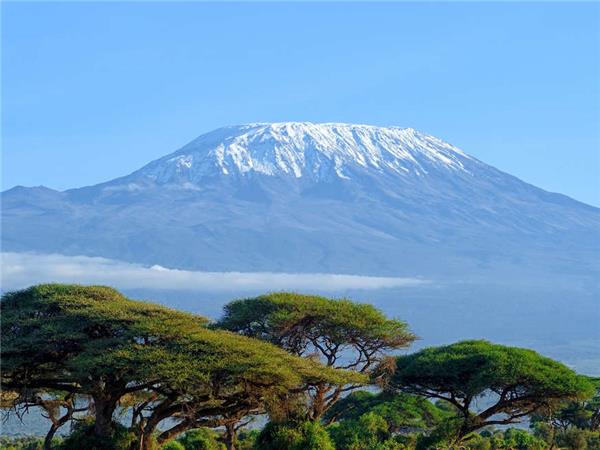
Kilimanjaro Lemosho trek and safari in Tanzania
From US $4710 - US $6180 13 days excluding flights
Challenging trek to the summit of Mount Kilimanjaro