Nepal, Bhutan and Tibet Tour
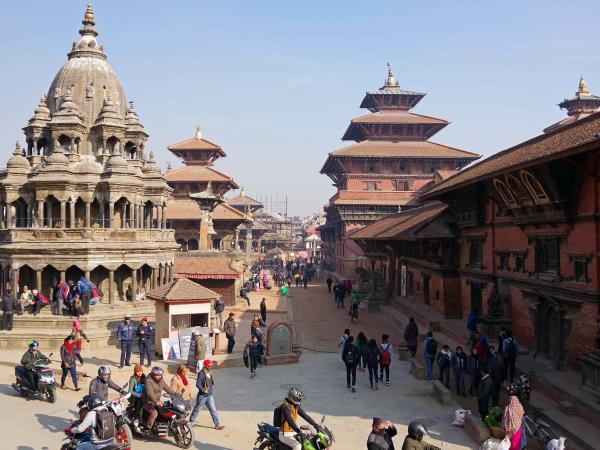
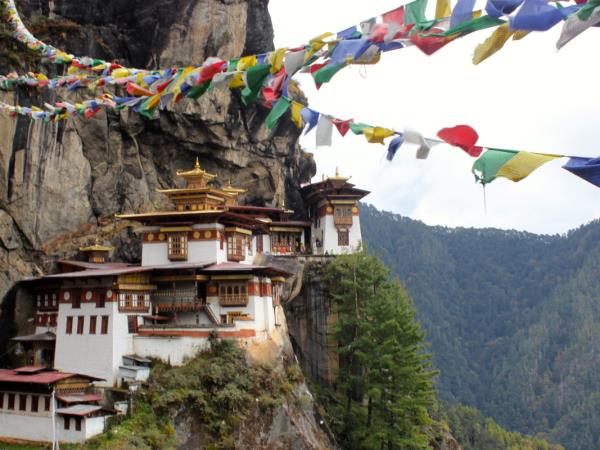
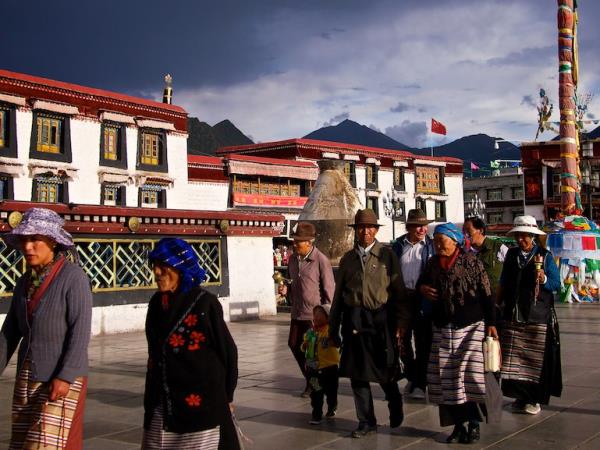
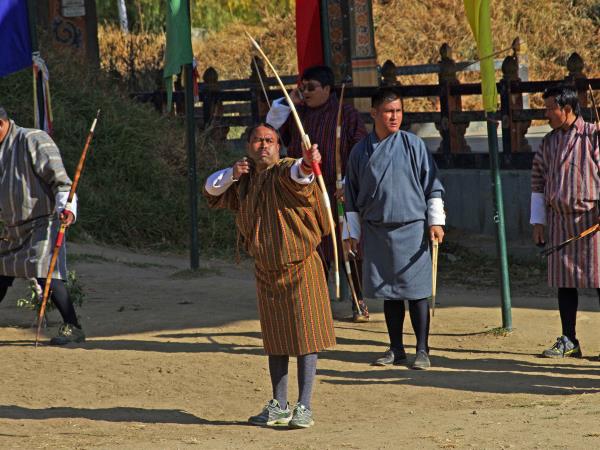
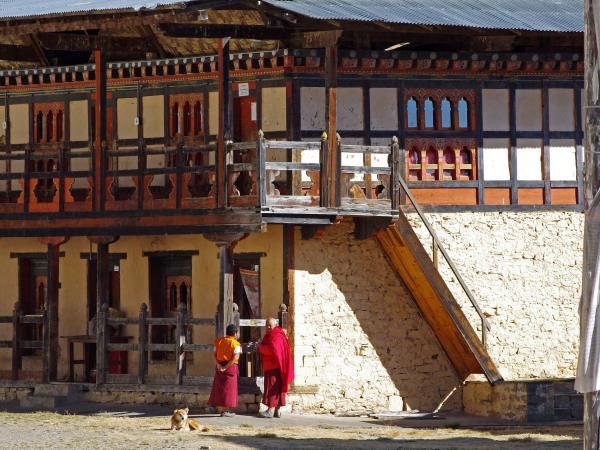
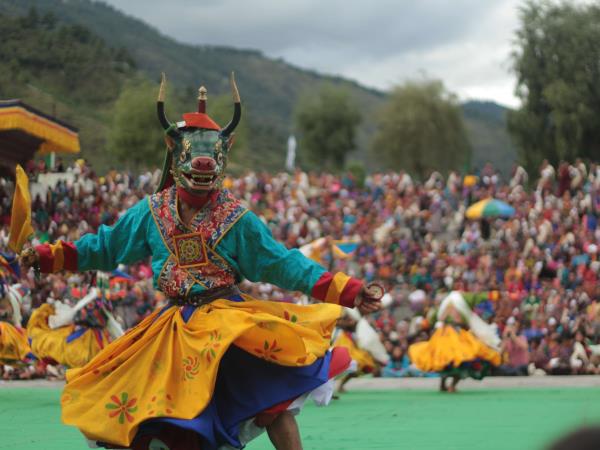
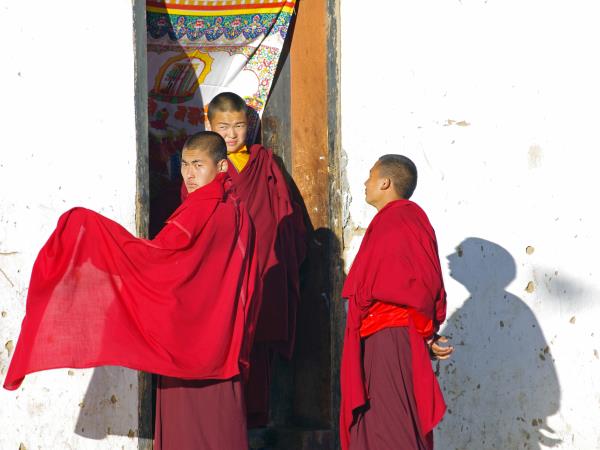
Embark on a three-week, three-country vacation taking in first Bhutan, then Nepal, and finally Tibet. In the company of local guides, this is a fantastic opportunity to explore in depth the religion, culture and landscapes of the Himalayan region with a tailor made tour.
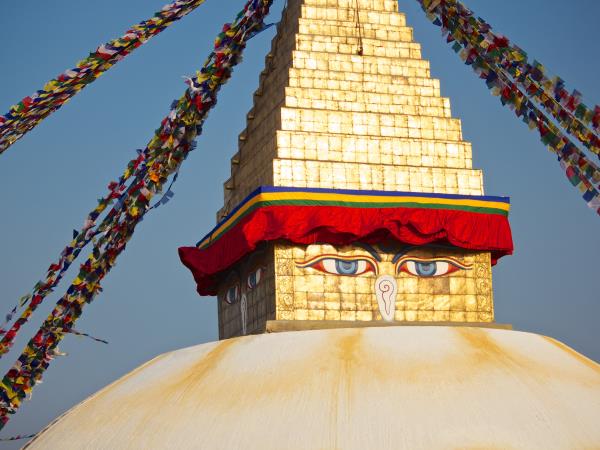
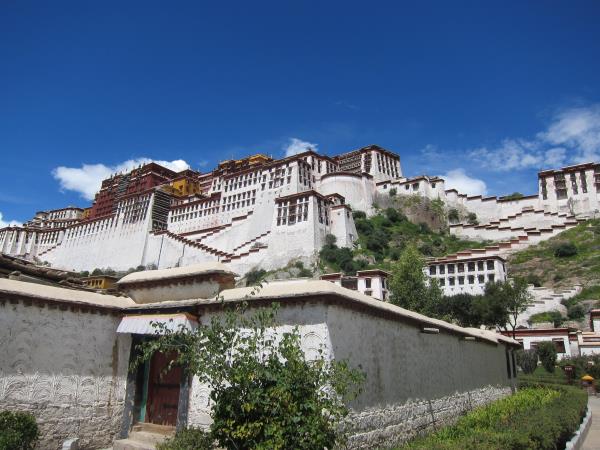
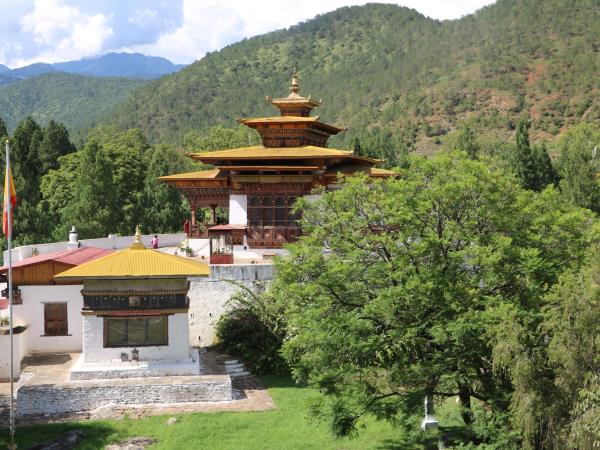
Thimphu Paro Simtokha Dzong Punakha Dzong Taktsang (Tiger’s Nest) Monastery Kathmandu Boudhanath Temple Safari in Chitwan National Park Visit an elephant sanctuary Pokhara Tingri and a sighting of Mount Everest Shigatse Gyantse Potala Palace, Jokhang Temple and Barkhor in Lhasa
Price
US $3600 excluding flights
More info
Join our small group or contact us for complete customisation of the trip to meet your expectations!

Description of Nepal, Bhutan and Tibet Tour
Price information
US $3600 excluding flights
Join our small group or contact us for complete customisation of the trip to meet your expectations!
Departure information
This trip can be tailor made throughout the year to suit your requirements
Travel guides
We unlock the secrets of the dzongs, Druk Path trek and Buddhist festivals in our Bhutan travel guide.
Get into your stride with our guide, and find out what to do and how to travel like a local on your Nepal vacation.
Reviews
2 Reviews of Nepal, Bhutan and Tibet Tour
5 out of 5 stars
Reviewed on 17 Jun 2025 by Ruth Humphreys
1. What was the most memorable or exciting part of your vacation?
The most memorable part was the interactions with guides and local people, including the support provided by the Nepal based agent who organise the tour and connect with other local agents in Bhutan and Tibet. The most exciting part was seeing places like the Potala Palace in Lhasa, walking up to the Tiger's Nest Monastery in Bhutan and feeding elephants in Chitwan!
2. What tips would you give other travelers booking this vacation?
Recognise there is a lot of time - sometimes 8 hours a day - spent traveling, especially in Tibet. Side trips to Chitwan and Pokhara also involved 8 hour bus
journeys. This is clear from the description, but travel sickness would not enhance the experience. As a retiree, I'd have found a rest day in Kathmandu between countries helpful, as I didn't have enough time to explore the city, or even the area Thamel near the hotel, independently. But this would make the tour longer and slightly more expensive so it would depend on the individual. Other advice would be investing in some Diamox in case of altitude sickness, as the Tibet tour involves travel to altitudes over 5,000 metres, and most of the small group were impacted by this (headaches, rapid respiration, and dizziness) even though we weren't doing anything strenuous. Impact were mild, however, and the tour transport carries oxygen in case people are more seriously affected. In terms of clothing, you will need to be prepared for some cool weather and chilly nights, as well as hot weather and some steamy nights (at least during aMay/June tour).
3. Did you feel that your vacation benefited local people, reduced environmental impacts or supported conservation?
Yes to some extent given hotels were locally owned rather than 'international' and clients are advised on the level of tips (for guides and drivers) which is obviously cash in hand. I was aware that the season during which guides (in Kathmandu, for example) can earn money from guiding is quiet over the wet season so tips are a valuable source of income. I don't think tourism of any kind can not have some environmental impact - but higher end tourism in Tibet, for example, usually includes some flying or helicopter travel - so this level of tour had less impact and guide and driver were Tibetan. I’d just comment also about plastic. I’m aware there is one plastic recycling facility in Nepal, but all over the countryside, plastic is used and sometimes reused but discarded everywhere. Because there is (some) recycling, people think it isn’t a problem – but uses of recycled plastic are limited and recycling is not a solution that means plastic is OK. Some hotels (Bhutan & Nepal) had water in rooms in glass bottles – more of this type of intervention would be good.
4. Finally, how would you rate your vacation overall?
I thought this three week tour of Nepal, Bhutan and Tibet was great - it did what it said on the tin! Yes, there was a lot of overland travel - but it was necessary to
cover the vast distances in the time available and clear in the description. It was an amazing opportunity to have a glimpse of three different countries in a
brief break from work. It was great that all the visas were handled by this operator in Nepal, so all I had to do was book my flight, pay and turn up!
Reviewed on 15 Oct 2024 by Leah Stolte-Doerfler
1. What was the most memorable or exciting part of your vacation?
So many things…. The amazing hospitality of the folks along the way….a truly remarkable landscape….foods that delighted.
2. What tips would you give other travelers booking this vacation?
Make a good plan and then be flexible. Floods and landslides were part of the story during my recent visit. Just when I thought there was no way, the company helped find one.
3. Did you feel that your vacation benefited local people, reduced environmental impacts or supported conservation?
Taxes for overnight visitors and fees to visit significant sites, various guides made a point of the positive financial impact of tourism. Yes, I was also aware of how well I was treated and fed along the way. This has to be hard on the average citizen.
4. Finally, how would you rate your vacation overall?
Fantastic.
Responsible Travel
As the pioneers of responsible tourism, we've screened this (and every) vacation so that you can travel knowing we've worked to maximise the benefits of your vacation to local people and places, and minimise any negative impacts.
Planet
These are some of the most beautiful countries on earth, and that beauty is precisely what brings travelers to them. Keeping it that way is the whole job. Our guides are trained to leave nowhere worse than they found it — not only in the obvious tourist spots, but everywhere we go — and to gently encourage the communities we pass through to do the same. Litter, and plastic in particular, is the battle we care about most. We won't pretend it's won: Nepal has very little recycling capacity, and discarded plastic still turns up across otherwise pristine countryside. But every bottle not bought is a small victory, and changing habits — ours and our hosts' — is how a real tradition of caring for the land takes root.That's why we ask you to forget bottled mineral water for the duration of the trip. Water has never been scarce in the Himalayas; our guides know where to find clean spring sources to refill your bottle, and carry purification tablets for anything that needs treating. In the larger cities, where bottled water is sometimes unavoidable, your guide will show you how to dispose of the plastic responsibly rather than simply adding it to the pile.
Wildlife across the region is increasingly well looked after, and the populations of several rare species are slowly recovering. The Buddhist outlook — a belief in harmony and balance with all living things — does a great deal of quiet good here, and many of the national parks and sanctuaries you'll visit are funded almost entirely by responsible tourism. We do not run, promote or support any activity that harms or exploits animals. We also ask you never to feed wildlife or leave food where they can reach it: it spreads sickness, makes animals dangerously reliant on people, and can turn a wild creature into a risk to the very villages we're trying to support.
Where we can, we keep our footprint light. Many of the teahouses and guesthouses along the route run entirely on solar power, and a panel makes a perfectly good way to keep your own devices charged on the go — a small reminder that, up here, the simplest solutions are often the best ones.
People
We're a local company, and that shapes everything about how we run a trip. Wherever we can, we put your money into local hands: family-run homestays that give households a welcome second income, locally owned guesthouses and teahouses rather than the international chains, and food bought from the organic smallholders who grow it. It's a small economy, and small choices move it.We'll always nudge you towards the local kitchen, too. Order a Western dish and, more often than not, you're paying for imported ingredients and a supply chain that bypasses the people around you. Order dal bhat and you're eating what the country actually eats — and it's a revelation how much it changes from one valley to the next, one household to the next, the same name carrying a hundred different flavours, all washed down with sweet masala tea. Our gentle challenge to you is this: for twenty-one days, live as a local. Eat what we eat, sleep where we sleep, and travel humbly. You learn far more about a place by stepping into its life than by watching from the outside.
We also believe these cultures are worth protecting on their own terms, without being reshaped by the outside world. So when a festival or a ritual falls during your trip, we don't keep you at arm's length behind a camera — we invite you in. Take part, share the moment, and join the celebration respectfully, as a guest rather than a spectator.
And we keep our groups small. Small groups tread more lightly, build real connections with the people who host them, and let us tailor each journey to the travelers on it — which is better for you, and better for everyone who welcomes you along the way.
Popular similar vacations
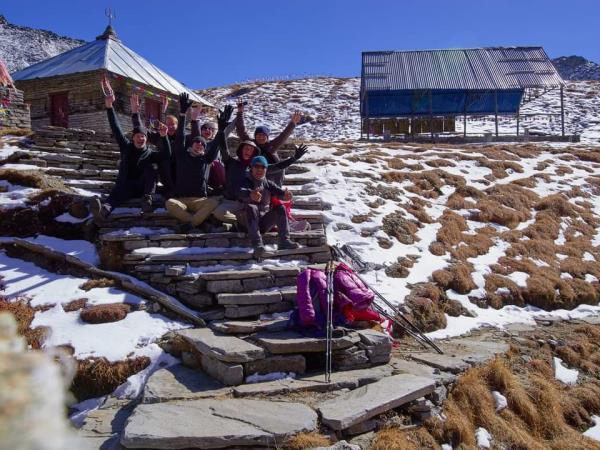
Khopra Danda trekking vacation in Nepal
From US $1230 - US $1750 9 days including domestic flights only
This is a moderate,off-the-beaten-track adventure
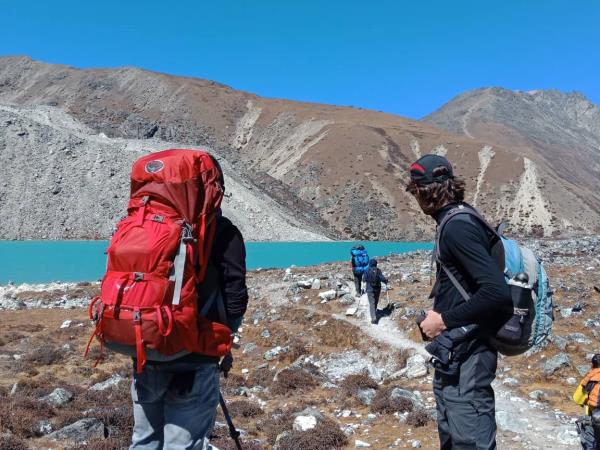
Gokyo Ri Valley trek in Nepal
From US $2150 - US $2420 15 days including domestic flights only
Gokyo Valley Trek: A Scenic Alternative to Everest Base Camp
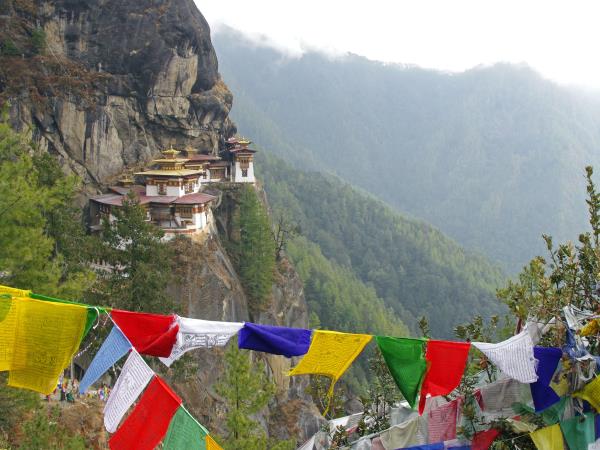
Nepal and Bhutan express tour
From US $2100 7 days excluding flights
Become one with culture and nature in Bhutan and Nepal tour