Elephant family conservation vacation, Sri Lanka
Price
£895 excluding flights
Duration
7 Days
Type
Small group
More info
1-12 weeks.
Available for families with children aged 9 years +.
£250 discount for each child under 16 joining with parent(s)
Available for families with children aged 9 years +.
£250 discount for each child under 16 joining with parent(s)
Last minute
We still have some spaces our volunteer project. Inquire today and we'll help you plan your trip!

Description of Elephant family conservation vacation, Sri Lanka
Price information
£895 excluding flights
1-12 weeks.
Available for families with children aged 9 years +.
£250 discount for each child under 16 joining with parent(s)
Available for families with children aged 9 years +.
£250 discount for each child under 16 joining with parent(s)
Check dates
2026: 27 Sep, 4 Oct, 11 Oct, 18 Oct, 25 Oct, 1 Nov, 8 Nov, 15 Nov, 22 Nov, 29 Nov, 6 Dec, 13 Dec, 20 Dec, 27 Dec
2027: 3 Jan, 10 Jan, 17 Jan, 24 Jan, 31 Jan, 7 Feb, 14 Feb, 21 Feb, 28 Feb, 7 Mar, 14 Mar, 21 Mar, 28 Mar, 4 Apr, 11 Apr, 18 Apr, 25 Apr, 2 May, 9 May, 16 May, 23 May, 30 May, 6 Jun, 13 Jun, 20 Jun, 27 Jun, 4 Jul, 11 Jul, 18 Jul, 25 Jul, 1 Aug, 8 Aug, 15 Aug, 22 Aug, 29 Aug, 5 Sep, 12 Sep, 19 Sep, 26 Sep, 3 Oct ...
2027: 3 Jan, 10 Jan, 17 Jan, 24 Jan, 31 Jan, 7 Feb, 14 Feb, 21 Feb, 28 Feb, 7 Mar, 14 Mar, 21 Mar, 28 Mar, 4 Apr, 11 Apr, 18 Apr, 25 Apr, 2 May, 9 May, 16 May, 23 May, 30 May, 6 Jun, 13 Jun, 20 Jun, 27 Jun, 4 Jul, 11 Jul, 18 Jul, 25 Jul, 1 Aug, 8 Aug, 15 Aug, 22 Aug, 29 Aug, 5 Sep, 12 Sep, 19 Sep, 26 Sep, 3 Oct ...
Travel guides

Fantastic for families – fancy an impromptu game of cricket on the beach? Sri Lanka has it all.
A staple of vacations in Asia, and a problematic one.
Responsible Travel
As the pioneers of responsible tourism, we've screened this (and every) vacation so that you can travel knowing we've worked to maximise the benefits of your vacation to local people and places, and minimise any negative impacts.
Planet
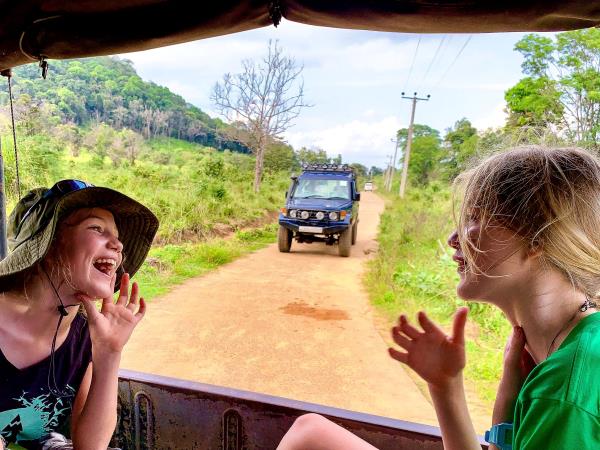
CARBON REDUCTIONVolunteers are encouraged to take the train from the city back to the capital for their international flight. Volunteers use public transport to travel from the city to the project. Volunteers are also encouraged to take the train from the city back to the capital for their international flight.
The project runs a special bus for the local community to help them safely travel through elephant corridor forests. The team install solar-powered electrical fences for local farmers to help them protect with crops from elephant damage.
We encourage our volunteers to combine volunteering with a vacation to explore the country so that it reduces the number of flights that they do. We encourage flying direct, as indirect flights use more fuel. Volunteers are asked reduce the amount of plastic they use on vacation but taking reusable bags, water bottles, straws and cutlery as well as taking shampoo and conditioner bars rather than in plastic bottles.
When on the trip volunteers are asked to use water carefully, switch off all electric devises when they leave rooms and use public transport to explore.
ENVIRONMENT AND WILDLIFE
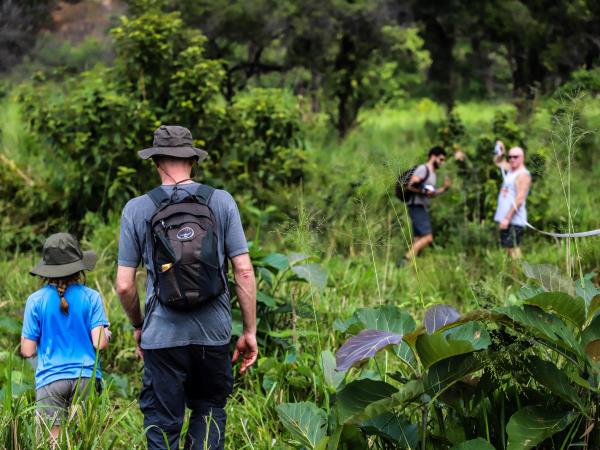
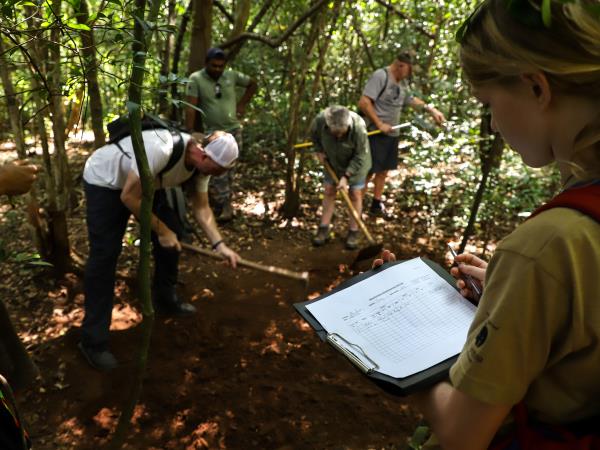
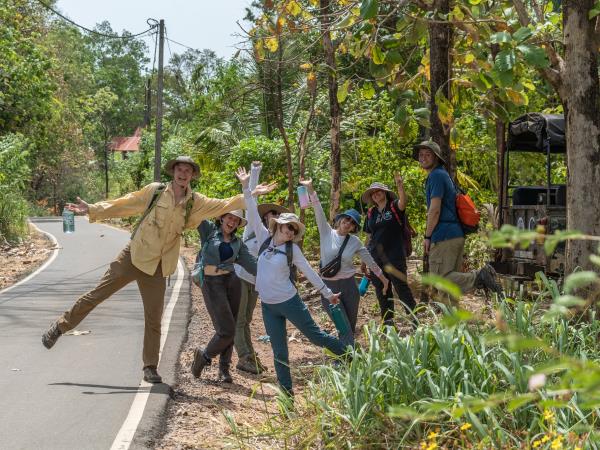
The project is located a 10 minute drive from Wasgamuwa National Park and research is conducted in the surrounding communities. Volunteers often walk for up to 5km a day to reach the research sites.
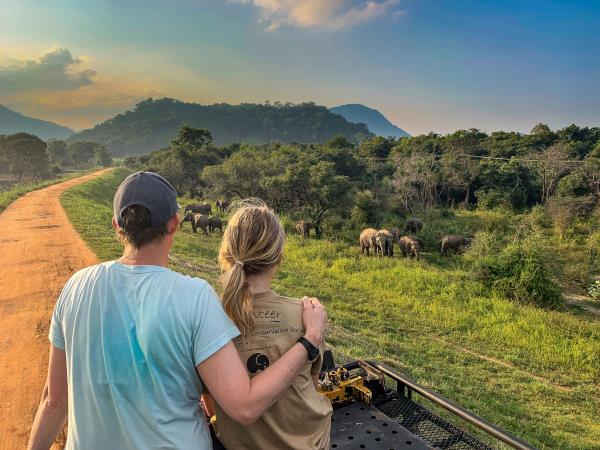
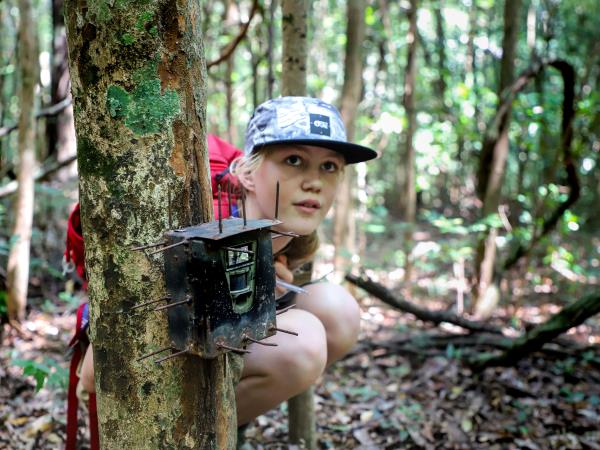
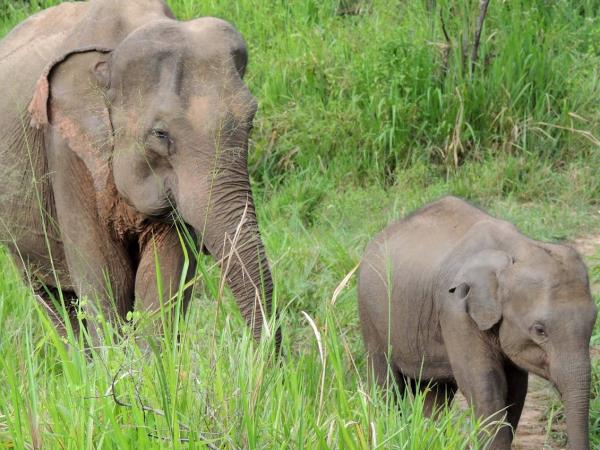
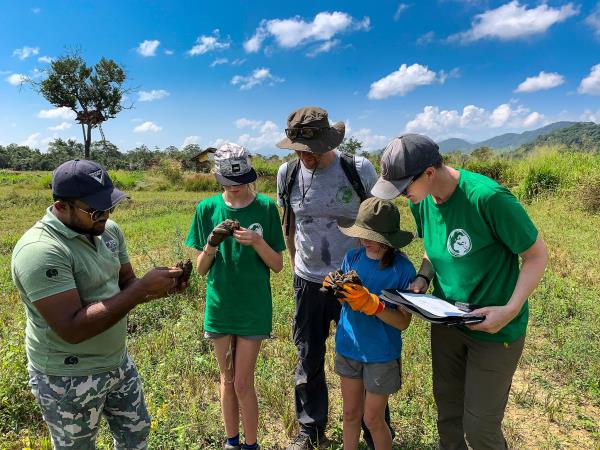
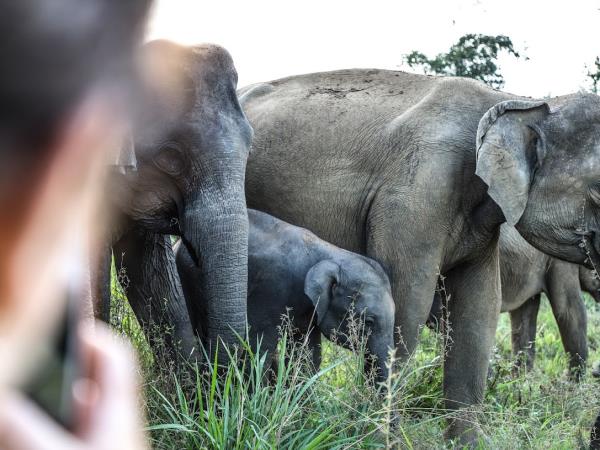
Volunteers work alongside the local team to support their initiatives to help elephants and communities live together in harmony. You will assist their research to increase the understanding and knowledge of the 300+ elephants and other wildlife including sloth bears, leopards and jungle cats, living in the surrounding area, which helps to protect them for the future.
Volunteers help to maintain a butterfly sanctuary. Volunteers work alongside leading conservation scientists in Sri Lanka.
People
LOCAL ECONOMYVolunteers can opt to stay in a locally owned guesthouse or in the main research base. The main onsite staff (guides, scientists, cleaners, cooks and drivers) are from Sri Lanka and the local community. Volunteers visit locally run shops to support the community.
EMPLOYMENT, INCLUSIVITY AND DIVERSITY
The project has also addressed a range of interconnected socioeconomic issues such as sustainable land use, capacity building, and gender equality by promoting agroforestry and home garden development, and by extending access to new technologies and microcredit.
The main onsite staff (guides, scientists, cleaners, cooks and drivers) are from Sri Lanka and the local community.
The orange tree planting project mask the smell of crops stored in homes and provide a natural deterrent that helps prevent elephants from raiding farms, therefore reducing the chance of conflict between the farmers and elephants.
Not only does the project protect elephants from violence in retaliation for damaging crops, but it also provides a sustainable, supplementary income for the farmers. The project uses an orange variety with the highest demand in Sri Lanka, which is supplied to the largest supermarket chain thereby creating an additional income to support the farmers and make up for any crop losses, if crop raiding does occur.
Popular similar vacations
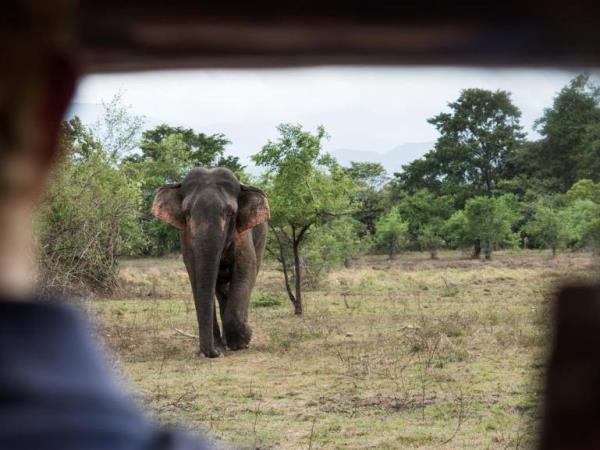
Elephant & wildlife conservation volunteering in Sri Lanka
From £895 7 days excluding flights
Help wild elephants & wildlife in Sri Lanka
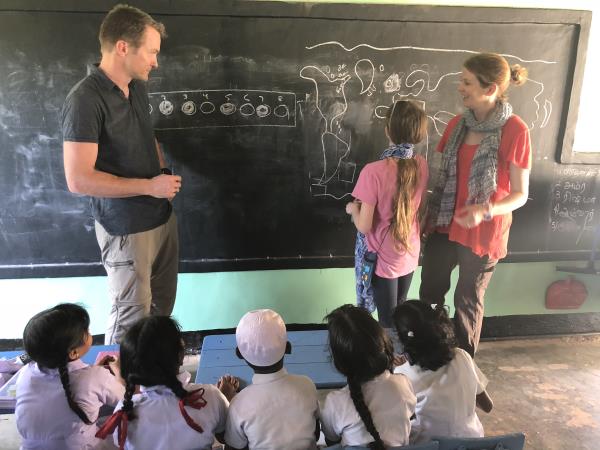
Family volunteering in Sri Lanka
From US $1050 7 days excluding flights
Family Volunteer Vacation in tropical paradise of Sri Lanka
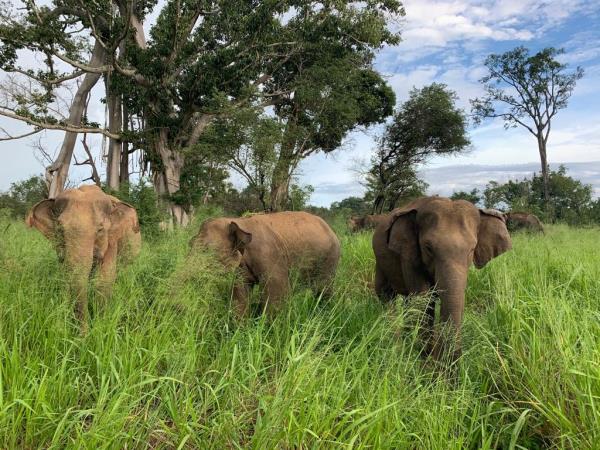
Sri Lanka elephant conservation vacation
From US $1600 7 days excluding flights
Experience Sri Lanka with Elephant Conservation