Northern Tanzania luxury guided vacation
Price
£3835To£5450 excluding flights
Duration
9 Days
Type
Small group
More info
Can also be provided on a privately guided basis departing on any day, subject to camp/lodge availability.
Lower cost represents travel in low season (April); higher cost for peak season (Jul / Aug 2027)
Lower cost represents travel in low season (April); higher cost for peak season (Jul / Aug 2027)

Description of Northern Tanzania luxury guided vacation
Price information
£3835To£5450 excluding flights
Can also be provided on a privately guided basis departing on any day, subject to camp/lodge availability.
Lower cost represents travel in low season (April); higher cost for peak season (Jul / Aug 2027)
Lower cost represents travel in low season (April); higher cost for peak season (Jul / Aug 2027)
Check dates
2026: 27 Sep, 4 Oct, 11 Oct, 18 Oct, 25 Oct, 1 Nov, 8 Nov, 15 Nov, 22 Nov, 29 Nov, 6 Dec, 13 Dec, 20 Dec, 27 Dec
2027: 3 Jan, 17 Jan, 31 Jan, 14 Feb, 28 Feb, 14 Mar, 28 Mar, 11 Apr, 25 Apr, 9 May, 23 May, 6 Jun, 20 Jun, 4 Jul, 18 Jul, 1 Aug, 15 Aug, 29 Aug, 12 Sep, 26 Sep, 10 Oct, 24 Oct, 7 Nov, 21 Nov, 5 Dec, 19 Dec
2027: 3 Jan, 17 Jan, 31 Jan, 14 Feb, 28 Feb, 14 Mar, 28 Mar, 11 Apr, 25 Apr, 9 May, 23 May, 6 Jun, 20 Jun, 4 Jul, 18 Jul, 1 Aug, 15 Aug, 29 Aug, 12 Sep, 26 Sep, 10 Oct, 24 Oct, 7 Nov, 21 Nov, 5 Dec, 19 Dec
Travel guides
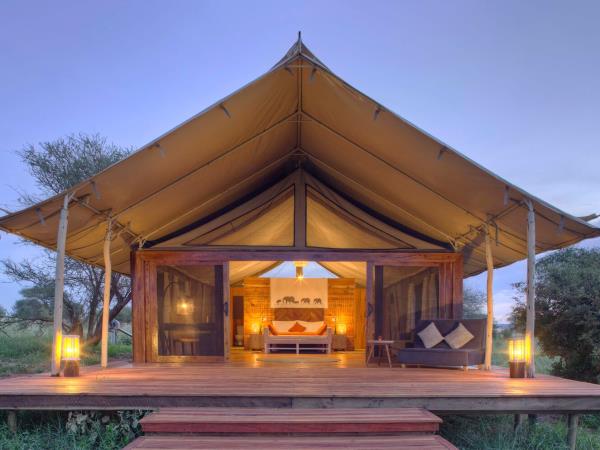
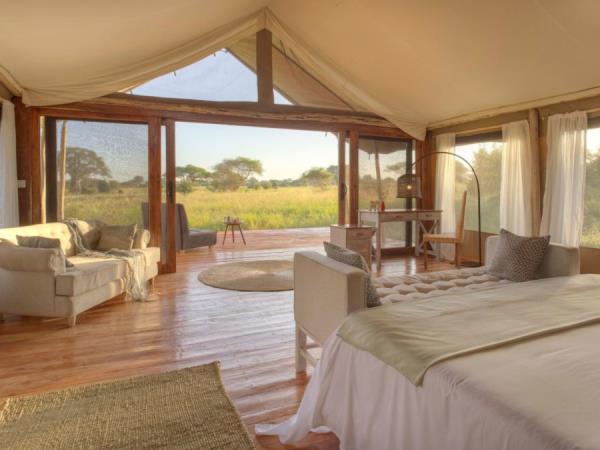
Returning to a revitalising hot shower after a long, dusty safari - that's the beauty of staying in a lodge.
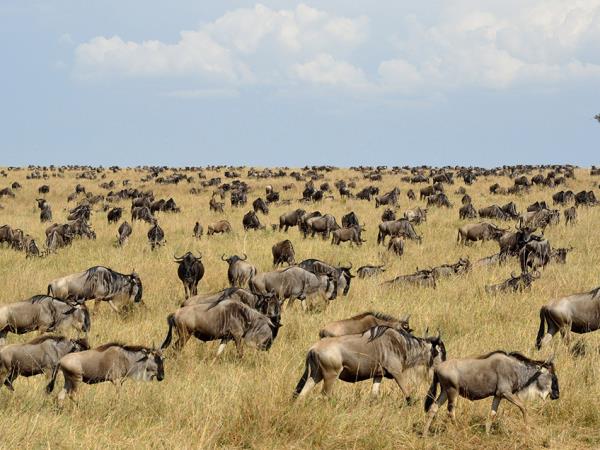
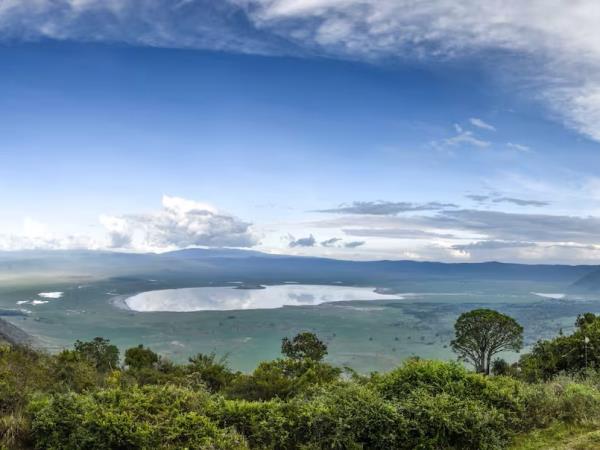
Tanzania plays host to some of Africa's most iconic sights: the plains of the Serengeti and the Wildebeest Migration.
Responsible Travel
As the pioneers of responsible tourism, we've screened this (and every) vacation so that you can travel knowing we've worked to maximise the benefits of your vacation to local people and places, and minimise any negative impacts.
Planet
CARBON REDUCTIONThe shared transport nature of this small group trip reduces CO2 emissions on a per person basis.
In Tarangire, the Lodge runs solar power 24hrs a day for electrical charging.
In Tarangire, the lodge prides itself their chefs, who are the creators of fine bush cuisine, using fresh produce from all over Tanzania.
In Ngorongoro, the lodge manages energy use in the heat transmission in machinery using a modern infrared system. 95% of products used in the lodge are purchased in nearby towns and villages. The lodge produces its own drinking water at a local bottling plant that processes local water and uses no plastic.
ENVIRONMENT AND WILDLIFE
In the Serengeti, the lodge has been designed to be self sufficient in energy, with a pioneering sustainability model that began with the construction of the hotel, using materials with a lower carbon footprint as well as other sustainable features including efficient window glazing, ceiling fans, use of rainwater, efficient electronic equipment and monitoring and control of energy use.
Park fees in Tanzania are used to train park rangers to focus on wildlife protection, intelligence gathering operations to prevent poaching ,and to invest in modern intelligence and security equipment.
Park fees in Tanzania are also used to monitor the diverse habitats and eco systems which support the wildlife populations. This includes wildlife censuses which are carried out regularly in the parks to establish population sizes, trends and distribution, in order that actions can be taken to preserve the forage for herbivores.
Park fees in Tanzania are used to provide financial support to communities bordering national parks for projects including education, health, transportation and water supply. One project includes contributing to poverty alleviation for the communities living around the national parks, whilst gaining the community’s support for conservation.
People
LOCAL ECONOMYThe Camp in Tarangire plays a vital role in the long-term conservation of environment: people from villages bordering the park are employed in the camp, advising on the authenticity and environmental impact of the camp, and income from the camp goes towards their community development commitments in education and employment.
EMPLOYMENT, INCLUSIVITY AND DIVERSITY
By encouraging self-awareness and good leadership at a focused, grass-roots level, the camp owners envision that their partner communities will pull themselves out of poverty. This will therefore achieve sustainability for their local projects and at the same time, the communities will become stable, imaginative and progressive contributors to the preservation of the country’s wildlife, ancient cultures and wilderness.
The accommodations in this trip support thousands more through community health, education and food programs. Together they have built classrooms, libraries, toilets and wells with pumpstations for clean water. The have also provided clinic facilities, meals, books and laptops for schools.
Popular similar vacations
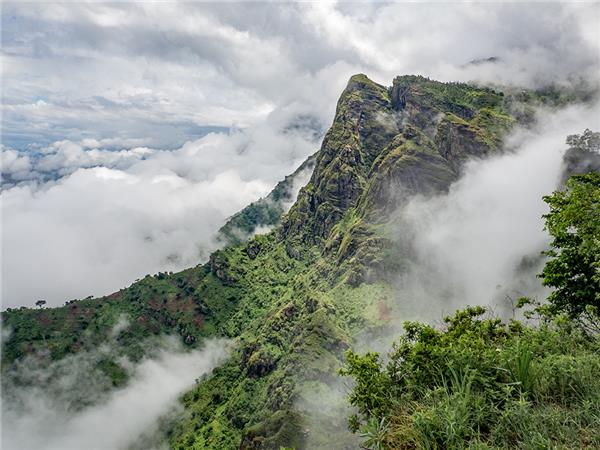
Tanzania small group safari
From US $2236 - US $3030 12 days excluding flights
Experience the beauty of Africa from Nairobi to Zanzibar
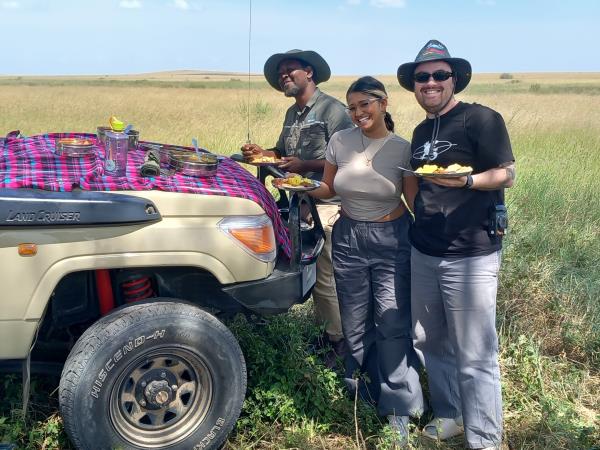
Serengeti vacation in Tanzania, the big five
From US $2570 - US $3500 5 days excluding flights
The best National parks of Tanzania northern circuit
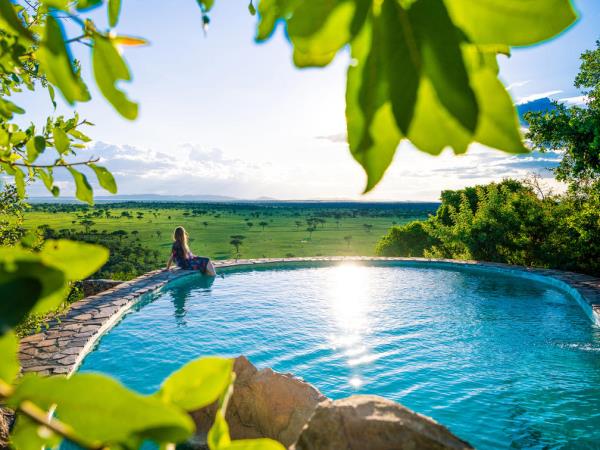
Tanzania northern circuit safari vacation
From £3535 9 days including domestic flights only
Stunning landscapes & unique wildlife experience