Kalahari game reserve and Okavango safari, Botswana
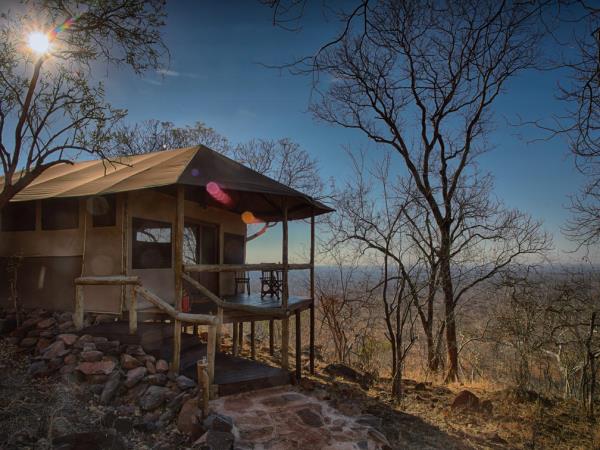
Price
US $9790 excluding flights
Duration
9 Days
Type
Tailor made

Description of Kalahari game reserve and Okavango safari, Botswana
Price information
US $9790 excluding flights
Departure information
This trip can be tailor made throughout the year to suit your requirements
Travel guides
The Okavango Delta floods life into Botswana. It's a waterhole on an epic scale.
If you’re looking to travel to southern Africa, our travel guide is the best place to start your journey.
Vacation information
Dietary requirements:
We can cater for vegetarian and vegan diets.
Responsible Travel
As the pioneers of responsible tourism, we've screened this (and every) vacation so that you can travel knowing we've worked to maximise the benefits of your vacation to local people and places, and minimise any negative impacts.
Planet
CARBON REDUCTIONThe Okavango Delta & Kalahari Discovery safari is designed with sustainability in mind, minimizing carbon emissions through strategic choices in transport and accommodations. To reduce the carbon footprint of internal travel, the itinerary relies on light aircraft charter flights for transfers between Maun, Tau Pan, Khwai, Setari, and Ghoha Hills, which are more fuel-efficient per person compared to road travel across Botswana’s vast terrain. These flights are optimized to avoid unnecessary trips, ensuring direct routes between camps.
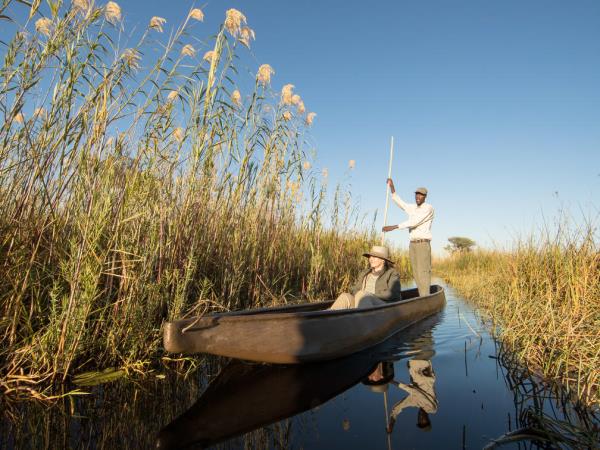
All accommodations, including Tau Pan, Khwai Expeditions Camp, Setari Camp, and Ghoha Hills Savuti Lodge, prioritize renewable energy and eco-friendly practices. For instance, Ghoha Hills operates entirely on solar power, significantly reducing reliance on fossil fuels, while Tau Pan uses environmentally sensitive materials to maintain a low carbon footprint. Human-powered transport is integral to the experience, with mokoro excursions (traditional dugout canoes) on Days 4 and 6 in the Okavango Delta, offering two full days of emission-free exploration through serene waterways.
Vegetarian and vegan meal options are available daily at all camps, with menus emphasizing locally sourced, seasonal ingredients to minimize food miles. For example, Setari Camp’s chefs source fresh produce from nearby villages, and all camps have policies to reduce food waste, ensuring sustainable dining practices that align with Responsible Travel’s goals.
ENVIRONMENT AND WILDLIFE
The Okavango Delta & Kalahari Discovery is designed to actively support biodiversity protection and restoration, aligning with global goals to halt nature’s decline by 2030. This safari creates positive impacts through sustainable practices, contributions to conservation, and community engagement, ensuring that tourism benefits Botswana’s ecosystems.
Environmental Policies of Accommodations
All accommodations—Tau Pan, Khwai Expeditions Camp, Setari Camp, and Ghoha Hills Savuti Lodge—are vetted for environmental responsibility. Each camp implements measures to reduce environmental impacts:
Pollution Reduction: Camps use biodegradable cleaning products and enforce strict waste management to minimize solid waste. Noise pollution is mitigated by limiting generator use and maintaining quiet hours during wildlife-sensitive times. Water Conservation: Setari Camp employs rainwater harvesting systems, collecting water during the rainy season to reduce reliance on local water sources. Tau Pan uses low-flow fixtures to conserve water in the arid Kalahari. ustainable Materials: Ghoha Hills was constructed using locally sourced, eco-friendly materials like reclaimed wood, reducing the carbon footprint of building processes. Setari Camp incorporates recycled materials, such as metal from local collections, into its structures. Plastic Reduction and Recycling: All camps have banned single-use plastics, providing reusable water bottles to guests. Khwai Expeditions Camp partners with local recycling initiatives in Maun to process waste.
Nature Restoration Initiatives
The accommodations actively contribute to restoring nature on their properties: Khwai Expeditions Camp: Maintains bird boxes and pollinator-friendly gardens to support local avian species and insects, critical to the Okavango Delta’s ecosystem. They also participate in a reforestation project, planting native trees to combat soil erosion. Setari Camp: Has established a small wetland restoration project near the camp, enhancing habitats for aquatic species like frogs and waterbirds, which supports the Okavango Delta’s biodiversity. Ghoha Hills: Engages in a landscape-level project to restore savanna grasslands by removing invasive plants and reseeding with native species, benefiting herbivores like zebras and antelopes.
Entry Fees to Parks and Protected Areas - The trip includes entry fees to the following protected areas, directly supporting their conservation efforts:
Chobe National Park: $15 per person per day, contributing to anti-poaching patrols and habitat management. Moremi Game Reserve: $12 per person per day, funding wildlife monitoring and community coexistence projects. Okavango Delta: $20 per person for a one-time entry, supporting the UNESCO World Heritage Site’s preservation and ranger programs.
Contributions to Nature Recovery and Rewilding - The safari contributes to nature recovery in several ways: Entrance Fees: Fees paid to Chobe National Park and Moremi Game Reserve directly fund rewilding efforts, such as reintroducing endangered species like the black rhino in Moremi.
Donations: A portion of the trip’s proceeds is donated to the Ecoexist Project, which mitigates human-elephant conflict through tools like chili pepper deterrents, fostering coexistence in the Okavango Delta.
Support for Environmental and Wildlife NGOs - The trip supports the following Botswana-based NGOs focused on conservation, with a particular emphasis on threatened and endangered species:
Elephants Without Borders: Receives donations to support research and conservation of African elephants, a keystone species facing habitat loss and poaching threats.
Cheetah Conservation Botswana: Supported for its work in protecting cheetahs, a vulnerable species, through community education and conflict mitigation.
Botswana Predator Conservation Trust: Contributions aid research and conservation of endangered predators like African wild dogs and lions.
Invasive Species Threats and Mitigation - Invasive species like Prosopis glandulosa in the Kalahari and Salvinia molesta in the Okavango Delta threaten ecosystems by outcompeting native plants and altering habitats. To address this: Awareness: Guides educate guests on identifying and avoiding spreading invasive species during activities. Camp Initiatives: Ghoha Hills and Khwai Expeditions Camp participate in invasive plant removal programs, collaborating with local conservationists to clear Prosopis and restore native vegetation. Guest Guidelines: Travelers are advised to clean boots and equipment before moving between regions to prevent seed dispersal.
People
LOCAL ECONOMYThe Okavango Delta & Kalahari Discovery maximizes economic benefits for Botswana’s communities by prioritizing locally owned accommodations and services. All four camps—Tau Pan, Khwai Expeditions Camp, Setari Camp, and Ghoha Hills Savuti Lodge—are operated by Botswana-based companies, ensuring profits remain within the country rather than flowing to international chains. Notably, Khwai Expeditions Camp is deeply tied to the Khwai Community Area, channeling revenue directly into local development projects like schools and clinics. Setari Camp offers a unique homestay-like experience, with guests dining on traditional meals prepared by local families, fostering cultural exchange and direct economic support.
The itinerary enhances local economic opportunities through:
Cultural Visit to Jao Village (Day 6): Travelers engage with artisans at a cooperative market, purchasing handmade baskets and jewelry, directly supporting small-scale entrepreneurs.
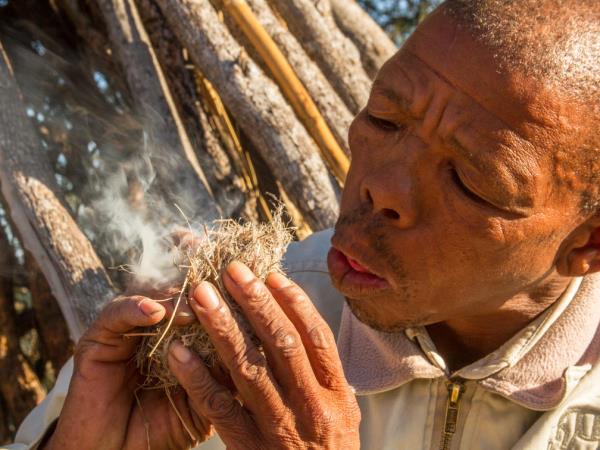
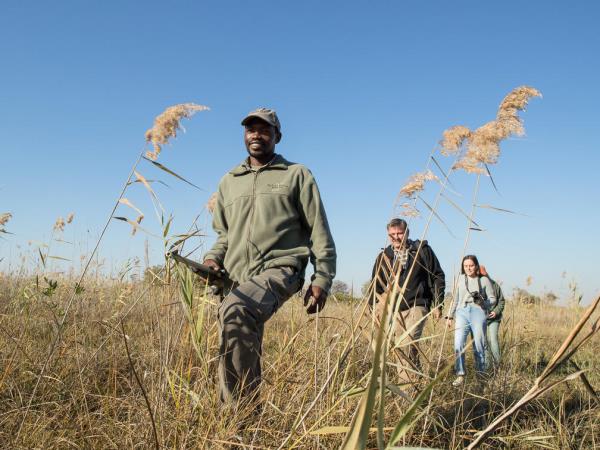
Local Guides and Services: San Bushman trackers at Tau Pan and expert polers at Setari lead game drives, walks, and mokoro trips, providing meaningful income and showcasing Botswana’s cultural heritage.
Craft Markets: A visit to a Maun craft market on Day 8 allows travelers to buy locally made goods, supporting artisans and cooperatives.
Village Sourcing: Camps source ingredients like vegetables and grains from nearby villages, boosting local agriculture and ensuring fresh, sustainable meals.
EMPLOYMENT, INCLUSIVITY AND DIVERSITY
This safari is committed to equitable employment and inclusivity, with over 90% of staff at all camps and ground operations being Botswana nationals, and approximately 60% hailing from local communities near each lodge. For instance:
Local Guides: San Bushman trackers at Tau Pan and polers at Setari collect ecological data during game drives and mokoro trips, contributing to research on species like wild dogs and elephants, shared with the Okavango Research Institute.
Khwai Expeditions Camp: Employs members of the Khwai community, including women and indigenous San people, as guides, trackers, and hospitality staff, creating income opportunities for historically marginalized groups. Around 40% of staff here are women, many in leadership roles like camp management.
Setari Camp: Provides jobs for 25 local polers, including individuals with disabilities, trained to lead mokoro excursions, enhancing inclusivity.
All camps and operating partners adhere to Botswana’s minimum wage standards and offer training programs to empower employees. For example, Ghoha Hills runs a hospitality training initiative for young women from the Savuti region, equipping them with skills for long-term careers.
The itinerary is LGBTQ+ friendly, with all camps maintaining inclusive policies and staff trained to ensure a welcoming environment for all travelers. The trip is also suitable for people with limited mobility, with Tau Pan and Ghoha Hills offering accessible chalets and modified game drive vehicles for those with mobility challenges. For guests with vision or hearing impairments, guides provide tailored narration and visual aids, though cognitive accessibility is limited due to the remote nature of the camps.
We operate a “Trip for a Trip” scheme, providing day trips to Chobe National Park for disadvantaged children from Maun and Kasane. In 2024, 150 children participated, experiencing guided wildlife tours and environmental education sessions, fostering a connection to Botswana’s natural heritage. The program is funded by a portion of each booking and run in partnership with local schools.
Popular similar vacations
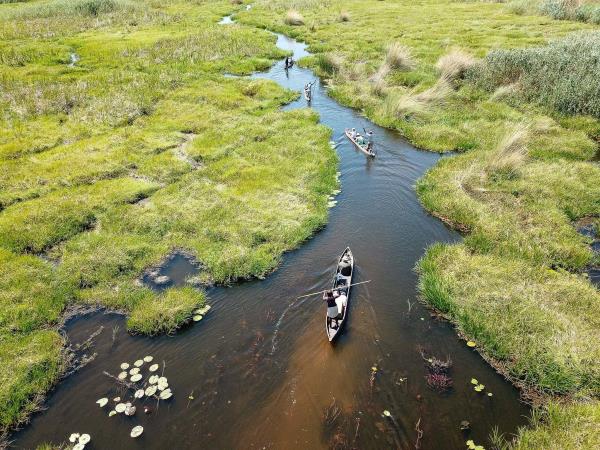
Botswana safari and wild camping
From US $2325 - US $2395 13 days excluding flights
Botswana's premier game parks, Okavango Moremi Savuti Chobe
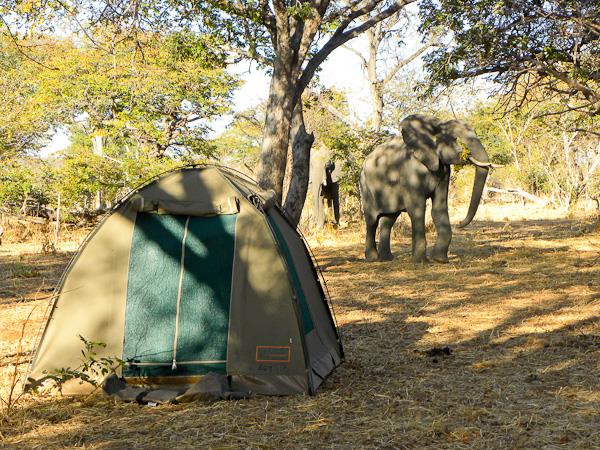
Botswana camping safaris
From US $2385 - US $2630 14 days excluding flights
Botswana's premier game parks, Okavango Moremi Savuti Chobe
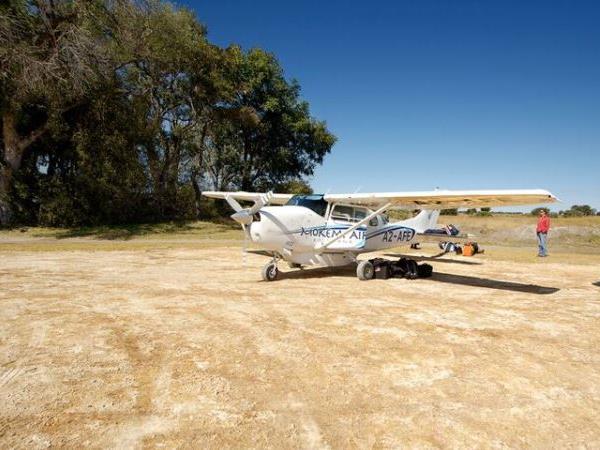
Botswana fly-in safari vacation
From £3355 7 days excluding flights
Experience Botswana on a 6 night fly-in Safari adventure