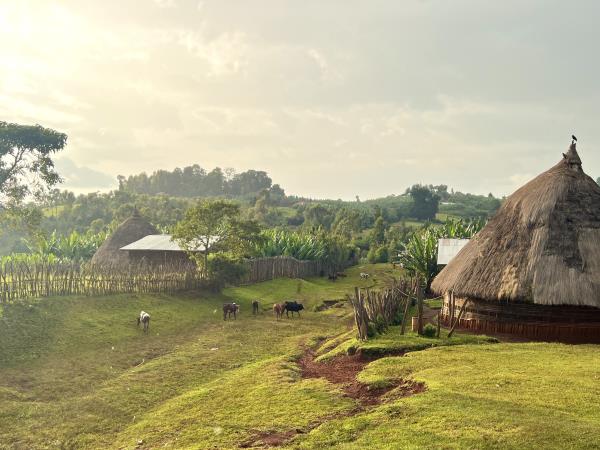
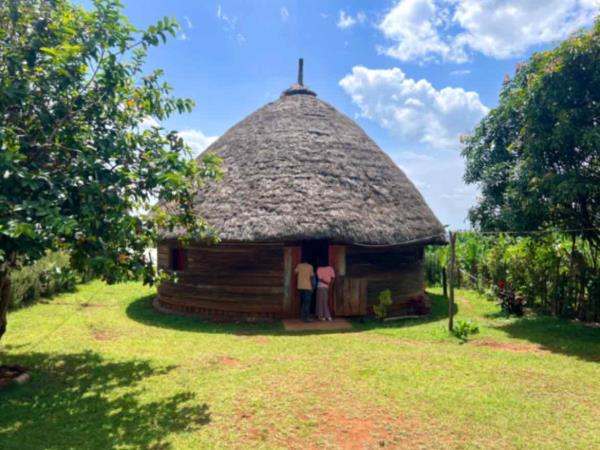
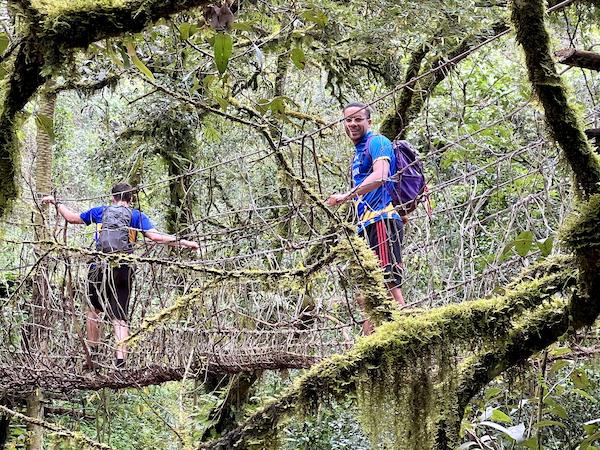
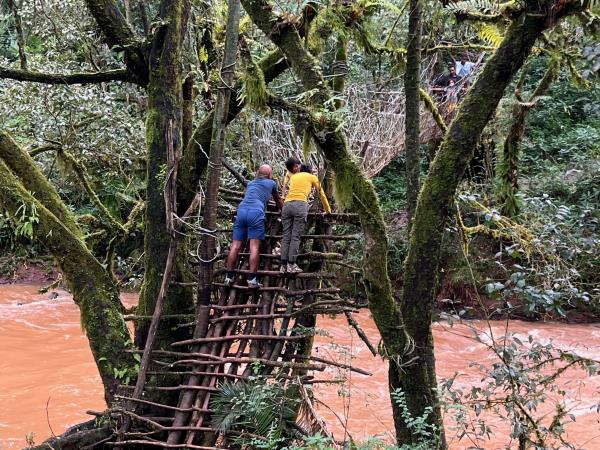
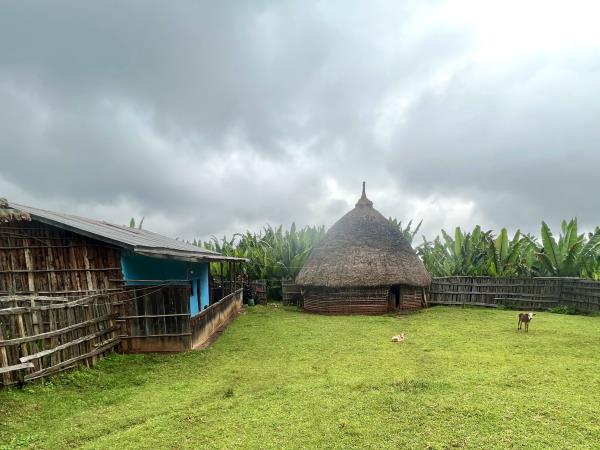
Gurage homestay and trekking vacation, Ethiopia
Price
US $349 excluding flights
Duration
4 Days
Type
Tailor made
More info
Based on 2 people in the group.
Including transport from Addis Ababa, back to Addis Ababa.
Will reduce for bigger groups and be more solo clients.
[Based on current fuel prices & exchange rates].
Note that no local flights required for this trip.
Including transport from Addis Ababa, back to Addis Ababa.
Will reduce for bigger groups and be more solo clients.
[Based on current fuel prices & exchange rates].
Note that no local flights required for this trip.

Description of Gurage homestay and trekking vacation, Ethiopia
Price information
US $349 excluding flights
Based on 2 people in the group.
Including transport from Addis Ababa, back to Addis Ababa.
Will reduce for bigger groups and be more solo clients.
[Based on current fuel prices & exchange rates].
Note that no local flights required for this trip.
Including transport from Addis Ababa, back to Addis Ababa.
Will reduce for bigger groups and be more solo clients.
[Based on current fuel prices & exchange rates].
Note that no local flights required for this trip.
Departure information
This trip can be tailor made throughout the year to suit your requirements
Travel guides
Pull on your hiking boots, grab a backpack and lose yourself in Ethiopia’s landscapes.
Our travel guide reveals a destination where you can step back seven years and explore with local guides.
Vacation information
Dietary requirements:
We can cater for vegetarian and vegan diets.
Community based tourism:
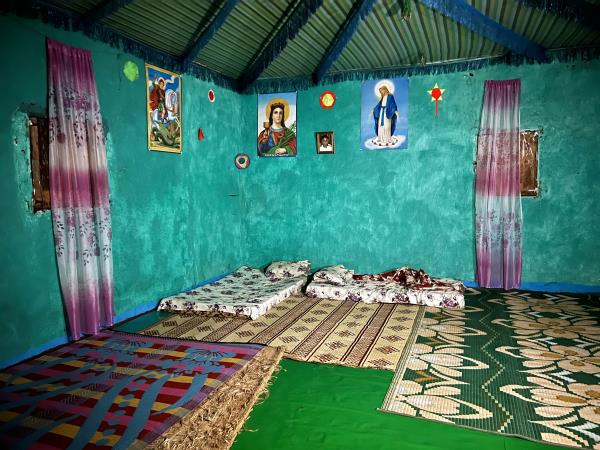
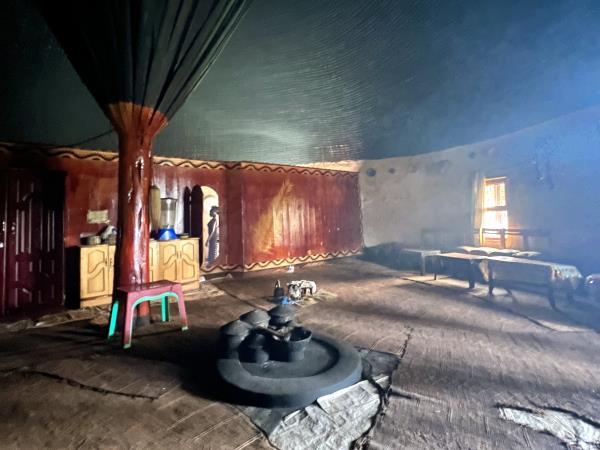
On this vacation you will stay in community-owned guesthouses. These gnerate income for some community members and the profits from your stay go into a fund that benefits the whole community.
Responsible Travel
As the pioneers of responsible tourism, we've screened this (and every) vacation so that you can travel knowing we've worked to maximise the benefits of your vacation to local people and places, and minimise any negative impacts.
Planet
There are a lot of environmental positives on the Gurage Homestay. It is probably the most environmentally positive vacation you can take in Ethiopia, and one of the most sustainable even from a global perspective. We have gone through a rigorous audit from Travelife and are now Travelife certified, one of only 3 travel companies in Ethiopia to achieve this level.CARBON REDUCTION
There are NO local flights to reach this location (an estimated 95% of trips in Ethiopia have 1 or more local flight).
For vehicle - it is NOT a vehicle supported trek so there is only a vehicle at the start and the end. Therefore each full day is a day without any fossil fuels.
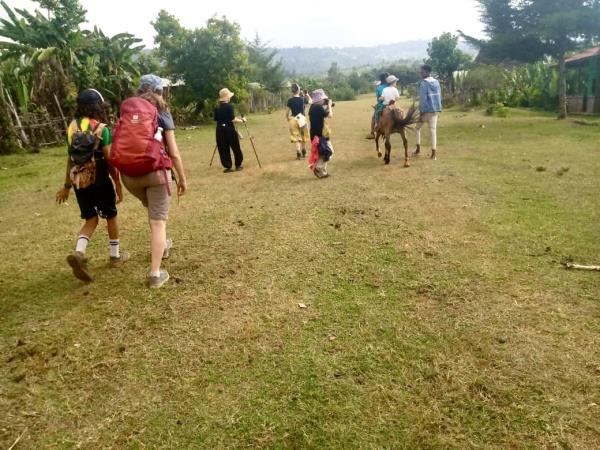
This is a hiking trip - human powered transport - the most sustainable possible activity.
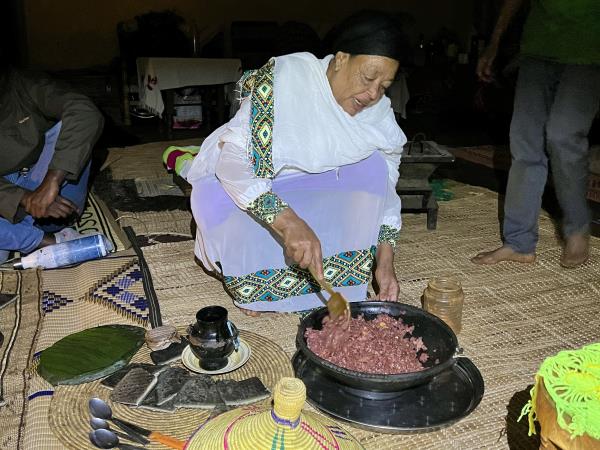
Food is prepared by local families and is almost all locally produced: potatoes, enset (false banana - the local staple), local grains, mustard greens and other vegetables, local cheese. If clients wish to taste the meat dishes this is an extra and only available at non- fasting times.
ENVIRONMENT AND WILDLIFE
You are staying in peoples homes - so no new constructions have needed to be built: no cement, no timber cut down, no water and mud mixed to use for the house. There is also no need to camp, no camping material are transported, so the trek crew is of minimal size (1 donkey carries 2 peoples luggage for the half day trek).
We do no use (and nor is there) running water. Water is available from jerrycans but its consumption is much smaller.
We provide the community with water filters, Ethiopian made steel filters that take out 99.9999 % of bacterias. So there is a much reduced use of plastic packed water bottles.
We use a long drop pit laterine with a seat over it. No waste and no water for flushing.
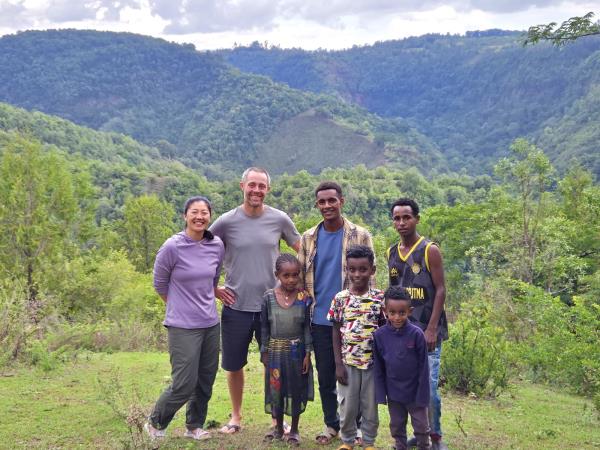
We focus on small groups typically the maximum is limited to 6-8, which reduces the physical impact.
The Gurage culture has within an intrinsic respect for nature and the environment and we are actively encouraging this aspect of their culture.
People
LOCAL ECONOMY: Going on a trek with the local communities in Ethiopia is the best way of directly supporting rural communities. This is because the Community owned homestays at which our guests stay on their treks across the rural landscapes are managed by the local village communities.Your visit will directly generates incomes for some community members as wages with the profit going into a fund for the whole community. This is not charity, but is payment for a quality service by local people. Their is a dignity to such exchanges which is not present in just handing over money. The tourism business in addition to giving the communities much needed income also gives them skills and the confidence to work together for joint benefit.
Of the payment for the trekking 55% of the (pre tax) payment goes directly to the community.
[25% is for the local guides that come from the main town and gives support to the communities, and 20% goes to marketing and booking services].
This income is used by the communities to pay wages for their own staff (from within the community), food and material costs.; the remaining profit goes inot their own bank account from which some is used for reinvestment, with the rest going support the local community endeavours. This may be for micro-loans, grain banks and stores or other activities.
EMPLOYMENT, INCLUSIVITY AND DIVERSITY
With the exception of the owner: Mark Chapman (who has lived in Ethiopia since 1997), all staff are local. We employ more women (6 out of 8 Addis based staff), and we employ 1 woman with disability (since Sep 2019). Our staff pay is adjusted twice a year to enable pay increases in real terms (adjusting to include cost of living increases as well as performance linked improvements).
At the homestay villages payments for services and work is set by the local villagers on the committee. It is a work in progress but we support them with frequent meetings and discussions as to how to ensure people are paid enough, and then how to use the profit that the village generate (this is still more for the future as it is a new activity). The guides who work on the Gurage homestay are local Gurage people themselves.
Popular similar vacations
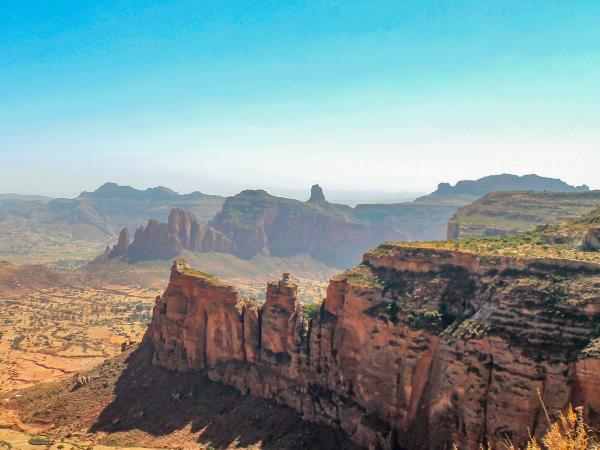
Ethiopia walking tour
From £5076 13 days including domestic flights only
A superb walking tour showcasing the best of Ethiopia
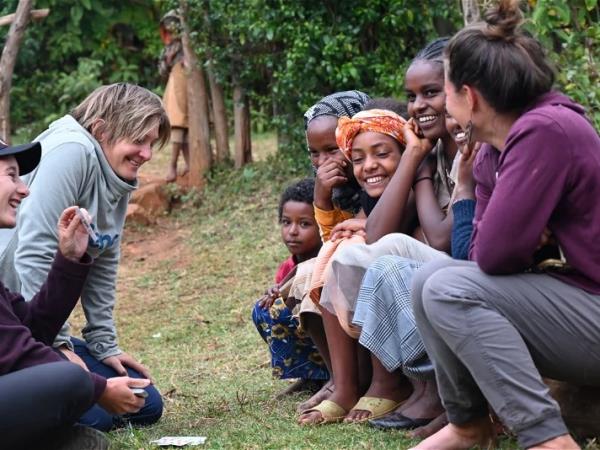
Community hiking in Gurage, Ethiopia
From US $890 - US $1170 5 days excluding flights
Hike through the beautiful Gurage villages
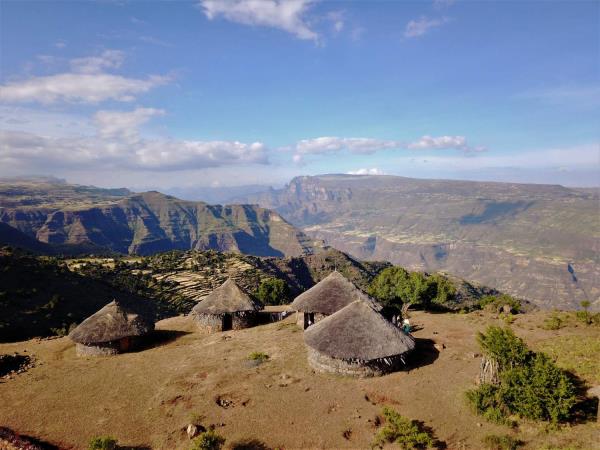
Simien mountains trekking in Ethiopia
From US $300 5 days excluding flights
Trek remote, beautiful farmland near Janamora