Best time to visit Bangladesh

During monsoon season, southeastern Bangladesh can get flattened by 1,000mm of rain in July – that’s as much as the UK’s yearly rainfall.![]()

Dry season is from November to March, when it’s warm and sunny. There are leftover showers in the southeast in November, when cyclones still brush the coast. December is one of the best times to visit Bangladesh, with warm sunny days and cooler nights. Dhaka is a comfortable 25°C around this time of year. Bangladesh swelters under a hot spring between March and May, when temperatures can climb over 40°C. The humidity is stifling, triggering spectacular thunderstorms. It’s broken by a long, rainy monsoon season that arrives at the end of May and doesn’t move on until October.

Dhaka Weather Chart
MIN °C
MAX °C
RAIN (mm)
JAN
13
25
7
FEB
16
28
25
MAR
20
32
65
APR
24
34
155
MAY
25
33
340
JUN
26
32
335
JUL
26
31
375
AUG
26
32
315
SEP
26
32
315
OCT
24
32
175
NOV
19
30
35
DEC
14
26
15
Bangladesh vacation advice
Aled Evans, from our partner Undiscovered Destinations, tells us why Bangladesh is one of his favorite countries in the world:
Tourist-free haven
“The lack of tourists sets Bangladesh apart from its neighbouring countries. You will rarely see another Western tourist and local people will come up to you in the street and ask where you are from. They are genuinely interested in who you are and why you have come to Bangladesh. All done with a big smile on their faces!”
Our top trip
Bangladesh tiger safari vacation
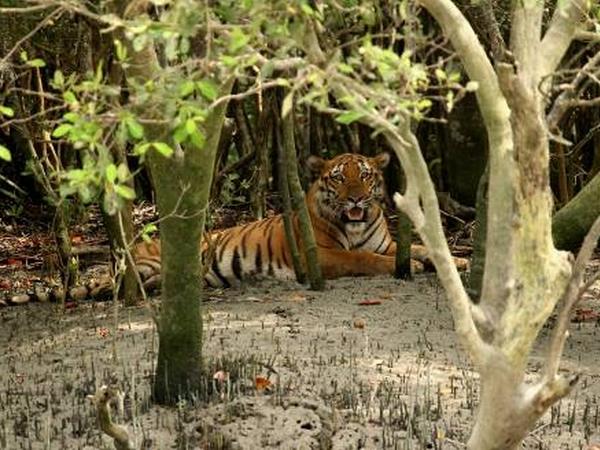
Cruise the Sunderbans Mangroves & track elusive tigers
From
£2495 to £2995
8 days
ex flights
Tailor made:
This trip can be tailor made throughout the year to suit your requirements
This trip can be tailor made throughout the year to suit your requirements
Contact Us

Call us for a chat about our vacations. We are happy to discuss your vacation and help in any way we can. No bots, queues or awful hold music.

1-866-821-6866
Call toll free
Calling from outside the USA


See the Sundarbans
“A walk through the Sundarbans mangrove forest allowed us a glimpse into the world of the local fishermen and honey collectors, who face the threat of tiger attack on a daily basis. Between 30 and 40 people are killed annually in this area by tigers. It was a fascinating if slightly nervous walk, even though we were told that the tigers were predominantly nighttime hunters. I was lucky enough to see dolphins, fish eagles and much more. We didn’t see the elusive Bengal tiger, but I did see footprints from a mother and cub that had passed by only hours earlier.”
Be prepared for Dhaka
“One of the largest cities in the world, Dhaka is complete and utter chaos. Double the amount of time anyone tells you it takes to get anywhere. Relax and try and enjoy the mayhem going on around you as you travel through the streets. You may even come to like it!”More Bangladesh articles
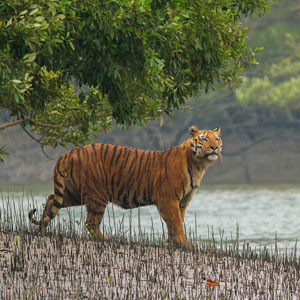
Read our Bangladesh travel guide, journeying from tiger-filled mangrove forests to Buddhist monasteries.