Main towns & cities in Borneo

One of the best things about Malaysian Borneo is meeting the people who live here.![]()

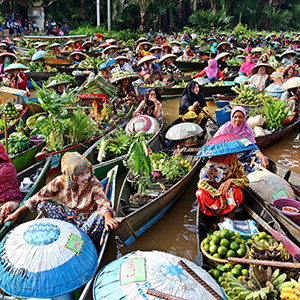
Sibu Central Market has over 1,000 stalls of meat, fish and fruit and vegetables. It’s a taste of the tropical: hairy rambutan and spiky durian fruit; wiggling live sago grubs and other produce from Borneo’s amazing jungles; food stalls serving kampua (noodles) and kongpia (bread stuffed with mincemeat). There are also live chickens and ducks, wrapped in newspaper secured with bands of twine. If you want a snapshot of Borneo’s tribal communities, urban living, and jungle-y geography all at once, look here.
Site of Malaysia’s largest indoor market, Sibu is a town in Sarawak that sits where the Rajang and Igan rivers meet, around 400km from Kuching by road. For tourists, it’s the gateway to visiting the Iban communities on the Rajang River. Its market is distinctly not for tourists – but a look-in gives you a great insight into the lives of the many people in Borneo who now live in towns and cities. In Sarawak the number of urban dwellers climbed from 16 percent in 1970 to 48 percent by 2000 – and has grown significantly from there.
Many travelers come to Borneo for the wildlife, but seeing the culture, and the people who live it, is a huge part of the experience, too. One of the best things about coming to Malaysian Borneo is meeting the people who live here.
The towns and cities can be very diverse. Some, like Sandakan and Sibu, are known for significant Chinese migrant populations. Others are associated with a particular Indigenous group, like Semporna, in Sabah, home of many Bajau people, or Mukah, Sarawak, home to the Melanau people. Meeting people is easier than you think. “One thing that’s really easy for travelers is that people all speak English as well as it’s a dual language country that uses English and Malay. For first time travelers to Asia, it’s great,” says Aimee Fogarty, Borneo specialist at our partner Odyssey World.
Malaysian Borneo’s cities are small are small and manageable: Kota Kinabalu has a population of 400,000; Kuching 600,000 – tiny compared to Kuala Lumpur’s nearly nine million residents. They are also considered to be very safe.
“Kota Kinabalu is a very charming little city, on the waterfront, with a backdrop of mountain, with islands off the mainland. It’s very pretty, but it is very small,” says Aimee. It means that the city can feel very local and social: “Last time I visited Seri Selera Kampung Air at Sedco Square. It’s Kota Kinabalu's must-visit seafood food court with rows and rows of tanks with every type of fish and crustacean you can imagine. They sometimes have local have dance groups perform in the central square and there is also a night market. Last time I was there, there was a dancing competition to watch.”
The geography of the region means that many communities remain quite small: think clusters of wooden houses, often on stilts to improve ventilation and protect from wild animals and floods – many people in Malaysian Borneo live closer to nature than to a main road. “You don’t get towns in between big cities because of the landscape – it’s often very small villages.” says Aimee. These villages, called kampungs, hold fewer than 10,000 people and are often far smaller.
Because of their size and remote locations, these villages offer ideal settings for rural and community-based tourism experiences. Visitors can immerse themselves in local culture, participate in traditional crafts or farming, and enjoy guided nature activities like jungle trekking, river cruising, or bird watching. Staying in homestays or eco-lodges within these communities allows for a deeper connection with the people and their environment, providing an authentic and meaningful travel experience.
Site of Malaysia’s largest indoor market, Sibu is a town in Sarawak that sits where the Rajang and Igan rivers meet, around 400km from Kuching by road. For tourists, it’s the gateway to visiting the Iban communities on the Rajang River. Its market is distinctly not for tourists – but a look-in gives you a great insight into the lives of the many people in Borneo who now live in towns and cities. In Sarawak the number of urban dwellers climbed from 16 percent in 1970 to 48 percent by 2000 – and has grown significantly from there.
Many travelers come to Borneo for the wildlife, but seeing the culture, and the people who live it, is a huge part of the experience, too. One of the best things about coming to Malaysian Borneo is meeting the people who live here.
The towns and cities can be very diverse. Some, like Sandakan and Sibu, are known for significant Chinese migrant populations. Others are associated with a particular Indigenous group, like Semporna, in Sabah, home of many Bajau people, or Mukah, Sarawak, home to the Melanau people. Meeting people is easier than you think. “One thing that’s really easy for travelers is that people all speak English as well as it’s a dual language country that uses English and Malay. For first time travelers to Asia, it’s great,” says Aimee Fogarty, Borneo specialist at our partner Odyssey World.
Malaysian Borneo’s cities are small are small and manageable: Kota Kinabalu has a population of 400,000; Kuching 600,000 – tiny compared to Kuala Lumpur’s nearly nine million residents. They are also considered to be very safe.
“Kota Kinabalu is a very charming little city, on the waterfront, with a backdrop of mountain, with islands off the mainland. It’s very pretty, but it is very small,” says Aimee. It means that the city can feel very local and social: “Last time I visited Seri Selera Kampung Air at Sedco Square. It’s Kota Kinabalu's must-visit seafood food court with rows and rows of tanks with every type of fish and crustacean you can imagine. They sometimes have local have dance groups perform in the central square and there is also a night market. Last time I was there, there was a dancing competition to watch.”
The geography of the region means that many communities remain quite small: think clusters of wooden houses, often on stilts to improve ventilation and protect from wild animals and floods – many people in Malaysian Borneo live closer to nature than to a main road. “You don’t get towns in between big cities because of the landscape – it’s often very small villages.” says Aimee. These villages, called kampungs, hold fewer than 10,000 people and are often far smaller.
Because of their size and remote locations, these villages offer ideal settings for rural and community-based tourism experiences. Visitors can immerse themselves in local culture, participate in traditional crafts or farming, and enjoy guided nature activities like jungle trekking, river cruising, or bird watching. Staying in homestays or eco-lodges within these communities allows for a deeper connection with the people and their environment, providing an authentic and meaningful travel experience.

Best ways to see Borneo’s towns & cities
Many travelers focus on the two largest cities in Malaysian Borneo: Kuching, capital of Sarawak, and Kota Kinabalu, capital of Sabah, one of Malasia’s fastest growing cities. Visitors tend to arrive into one or the other of these state capitals on their way to other parts of the state. It’s good to stop and enjoy the cities first: not least to get over the worst of your jetlag.Fly into Kota Kinabalu in Sabah and spend a day enjoying the floating mosque and the waterfront, and the evening dining out and exploring the pasar malam (night market), before heading on the next day to explore more of Sabah on a Borneo tailor made tour.
If you’re visiting Sarawak, base yourself in Kuching and use the pretty, historic city as a convenient base for daytrips, great if you don’t want to repack for a couple of days on a Sarawak vacation. From Kuching it’s just an hour to reach Semenggoh Wildlife Centre, to see orangutans. By boat you can head to Bako National Park for a day in the rainforest or Kuching Wetlands National Park to try and spot Irrawaddy dolphins.
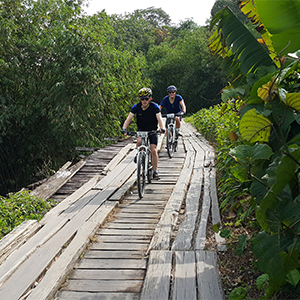
For more intrepid trips, you can cycle and explore more of Borneo by road. Cycling through Borneo you will visit other of towns and cities and get a sense of what life is like for the region’s many urban dwellers.
Towns & cities you might visit in Sabah
Kota Kinabalu
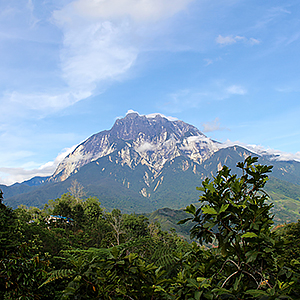
Your gateway into the state of Sabah, and many a traveler’s first introduction to Malaysian Borneo, Kota Kinabalu doesn’t disappoint. It’s a small, welcoming, safe city with great restaurants for your first taste of Borneo’s dining delicacies. Also known as KK, the city has received a lot of recent investment. “It’s a really good base,” says Aimee. Razed by the Japanese in World War II, the rebuilt city is modern, and growing. “Recently there’s been a lot of development along the waterfront, focussed on trying to bring a bit more tourism into the area.” The city is surrounded by nature – not least Mount Kinabalu (4,095m), the highest mountain in Malaysia, Malaysia’s first UNESCO World Heritage Site and also a designated UNESCO Global Geopark. The mountain’s iconic profile even appears on the state’s flag.
Sandakan
The capital of Sabah before it moved to KK, the city of Sandakan is a convenient hub for travelers visiting Sepilok – and it’s known as the ‘nature city’ for its proximity to wildlife attractions. It’s also a seafood city, known for fantastic fresh fish. Located 11km outside the city, the Sandakan Memorial Park commemorates the victims of World War II, including those who perished during the Sandakan Death Marches.
Semporna
The coastal town of Semporna is renowned for the annual Regatta Lepa, a vibrant celebration where beautifully decorated lepa (traditional sailing boats) are paraded and raced by the maritime Bajau community. Semporna remains an important hub for seafaring life, surrounded by picturesque stilt villages. It also serves as a popular gateway for travelers heading to Sabah’s southeastern islands, known for their world-class snorkelling and diving experiences.
Other towns & cities you might visit
The largest town in the southeast of Sabah, Tawau’s airport is used by travelers coming in to explore Tawau Hills Park, a relatively new destination for wildlife tourism. Similarly, Lahad Datu, which is found on the Dent Peninsula in Sabah further north, is a town with an airport, and so serves as a gateway for travelers heading on to famous virgin forests of the Danum Valley. Moving to the west, you might stop in Tenom, the center of Sabah’s Murut community, set in an agricultural, coffee-producing area – enjoy a cuppa whilst you’re here. Nearby is Keningau, one of the oldest towns in Sabah, close to the Crocker Mountains. Of the even smaller towns, you might visit Tambunan, a little valley town that’s in the hills, surrounded by rice terraces, and which makes a mean rice wine.
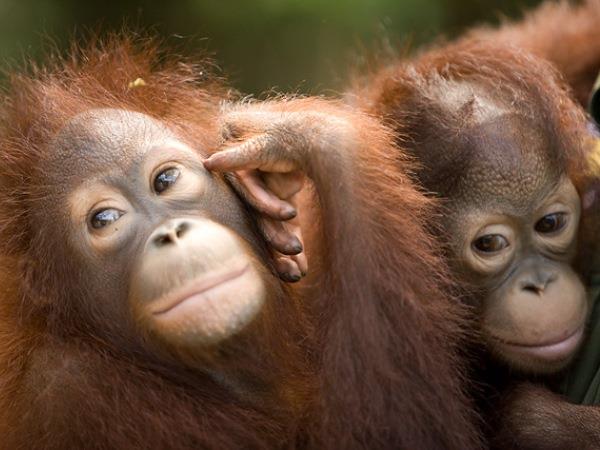
Borneo tailor made tour on a shoestring
The Best of Borneo at a great value price!
From
£1495
10 days
ex flights
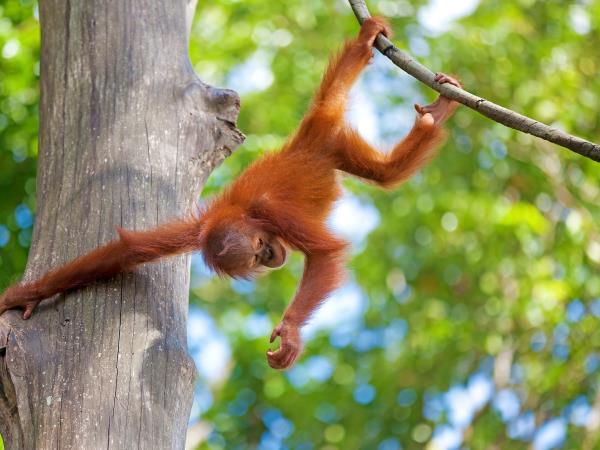
Sabah and Sarawak tailor made vacation
Adventure, wildlife & culture in Malaysian Borneo
From
£1640
12 days
ex flights
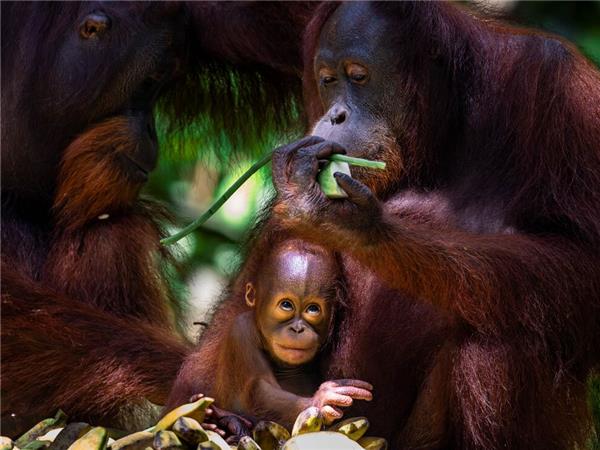
Borneo family vacation to see Orangutans
Come face to face with orangutans
From
US $1827 to US $2460
9 days
ex flights
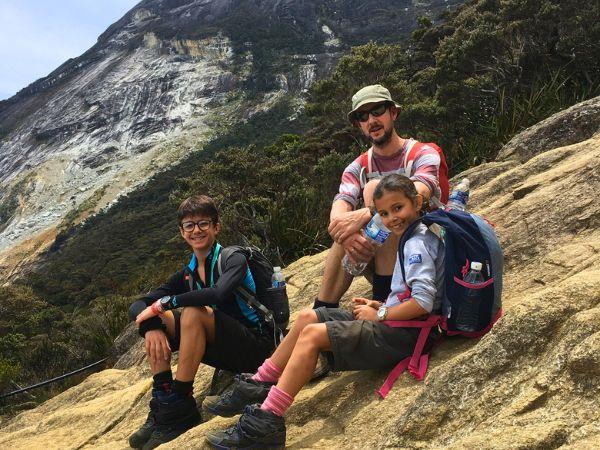
Borneo family vacation for all ages
Nature-focused adventure - see orangutans and explore caves
From
£3250
15 days
ex flights
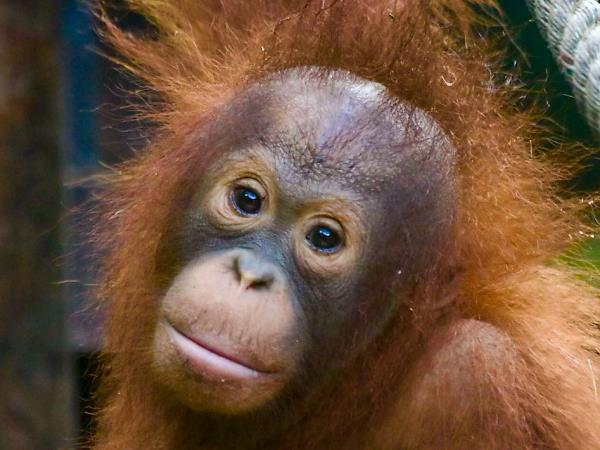
Orangutan volunteering in Borneo
Volunteer at an award winning orangutan rehabilitation center
From
£795 to £1995
8 days
ex flights
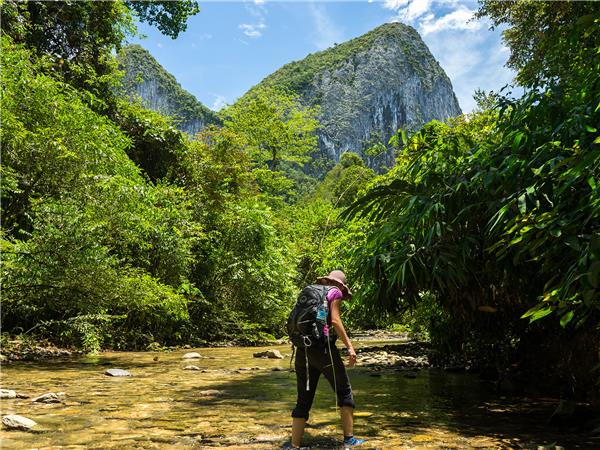
Sarawak wildlife & beach vacation
Encounter orangutans and hike through virgin rainforest
From
US $1388 to US $2930
10 days
ex flights


Contact Us
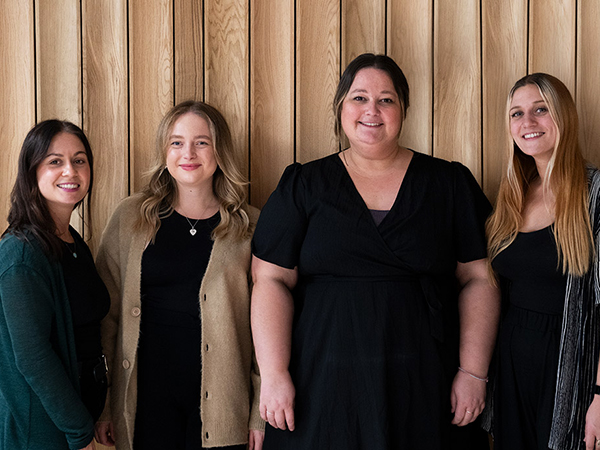
Call us for a chat about our vacations. We are happy to discuss your vacation and help in any way we can. No bots, queues or awful hold music.

1-866-821-6866
Call toll free
Calling from outside the USA

Towns & cities you might visit in Sarawak
Kuching
Historic, beautiful and very walkable, Kuching, capital of Sarawak, was once the seat of the ‘White Rajahs’ – a British family who ruled Sarawak for just over a century. Now, though, it’s ruled by cats; the city’s name means ‘cat’ in Malay, and all over you’ll find funny cat statues – not least in Kuching’s Cat Museum.
Spend an afternoon on the waterfront watching penambang (wooden ferry boats) potter past, or explore the city’s heritage trail and wait until your stomach starts to rumble. “What Kuching is really known for is food!” says Aimee. “It’s considered some of the best food in the world. There’s a melting pot of cuisines; you’ll not just find national dishes there but dishes special to Sarawak and Kuching, like Sarawak laksa, and kolo mee [noodles with pork].” Also look out for pastries and desserts, best enjoyed with Borneo-grown coffee – perhaps sweetened with some palm sugar syrup.
Spend an afternoon on the waterfront watching penambang (wooden ferry boats) potter past, or explore the city’s heritage trail and wait until your stomach starts to rumble. “What Kuching is really known for is food!” says Aimee. “It’s considered some of the best food in the world. There’s a melting pot of cuisines; you’ll not just find national dishes there but dishes special to Sarawak and Kuching, like Sarawak laksa, and kolo mee [noodles with pork].” Also look out for pastries and desserts, best enjoyed with Borneo-grown coffee – perhaps sweetened with some palm sugar syrup.
Miri
The third largest city in Malaysian Borneo, Miri, close to the Brunei border, was once a small fishing village. A derrick called The Grand Old Lady stands over the city, commemorating what changed its fortune: oil, which was discovered here in the early 20th century. The city is close to Mulu and Niah National Parks, and a string of sunset-facing beaches.
Other towns & cities you might visit
Known for its massive market, Sibu is your gateway into central Sarawak, and has significant populations of Malay and Iban people, as well as the descendents of Chinese migrants who arrived to farm the area in the 19th century. From here you can visit Dalat via the Rajang River and meet the Melanau people who are known for their extensive use of sago – palm starch – in their cuisine. If you head up to the coast, you’ll reach Mukah, a seaside resort city that also has a significant Melanau population. Among the smaller towns in Sarawak, you might visit Limbang on your way to Brunei. The town is made buzzy by its proximity to the Brunei border, which sees its markets full, and its streets very diverse – the town is home to Bruneian Malay, Kedayan, Iban, Lun Bawang, and Orang Ulu people.

Responsible Travel would like to thank Sarawak Tourism Board & Sabah Tourism Board for commissioning this article
More Borneo articles
Our month-by-month guide to when to go to Borneo reveals that there are a number of factors to consider beyond the weather.
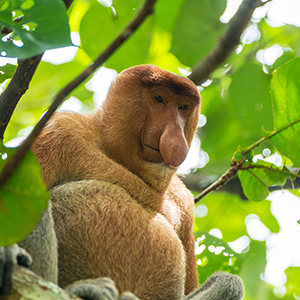
Our travel guide whisks you away to the world’s third largest island – a vast haven for endemic species.
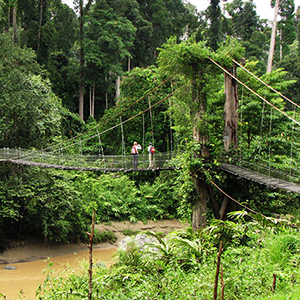
Explore Malaysian provinces of Sabah and Sarawak, Indonesian Kalimantan and the Kingdom of Brunei.
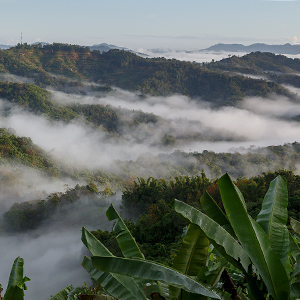
Mountain ranges, rainforests, marine national parks and a vast cultural heritage.
It is one state among many in Borneo, but it is one where the stories just keep coming.
Kalimantan is most famous for its rainforests and resident orangutans.
With so many rainforests, mangroves and mountains, there are primates and predators, elephants and birds everywhere.
You don't need to be hardened adventurers to enjoy a family vacation in Borneo.
First time travelers to Borneo might find themselves overwhelmed with options.
Here's our travel advice – for fans of turtles, volunteers and those who want to get further off the beaten track...
Read more about responsible tourism to find out how to make the most of your vacation.
Find all our Borneo guides in one place, from volunteering to luxury vacations and travel guides on Sabah and Sarawak.





.jpg)