PALESTINE TRAVEL GUIDE
Palestine is biblical. Not just literally, because it comprised the kingdoms of Israel and Judah in biblical times, but also in terms of its scale, its vast wilderness, its humungous history, and the people’s magnanimous capacity for welcoming people into their lands and homes.
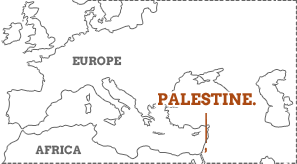

To change the game, you have to change the frame. From Hostility to Hospitality, from Terrorism to Tourism.![]()

– William Ury, founder of Abraham Path, the long distance walking trail going through Palestine all the way to Turkey
Yes, it’s a conflicted territory, and people panic about what to call it – Occupied Territories, West Bank or simply Palestine – but the most important thing to remember is that as a tourist, you are taking one of the most important steps towards helping Palestine gain peace. By going there, you are refusing to turn a blind eye to occupations, breaches of international law and human rights. You are saying, ‘I am visiting Palestine, I want to know more’. See more, and hear more. And then, ideally, you will return home so unexpectedly overjoyed by your experience, and spread the ‘good word’ to more and more tourists. And in this Palestine travel guide we say, Amen to that.

Palestine is…
bounteous in beauty. Rich in ancient tradition. Passionate about hospitality.
Palestine isn’t…
a walk in the park. It’s conflicted, but to walk here is to take steps towards peace.
Things to do in Palestine…
Contact Us

Call us for a chat about our vacations. We are happy to discuss your vacation and help in any way we can. No bots, queues or awful hold music.

1-866-821-6866
Call toll free
Calling from outside the USA


Things NOT to do in Palestine...
Always get up to date information at the Foreign and Commonwealth Office (FCO) travel advisory department before traveling to Palestine and also ensure that your travel insurance covers your trip. Read more details on FCO and insurance here.
Don’t go it alone. Always go to Palestine with a specialist tour operator, and one that works with experienced hospitality experts and expert walking guides on the ground. There is a lot of vast wilderness to explore, and tiny villages that are far from violence and strife. But as you will discover while traveling around Palestine, maps and territories are always changing, and being on the safe side may be different from one year to the next. Or one day to the next in some cases.
Palestine and the Occupied Territories have suffered at the hands of terrorist and violent activities for many years, mostly related to conflict over territory. Areas prone to violence are the Gaza Strip, the occupied West Bank and Golan Heights.
Don’t go it alone. Always go to Palestine with a specialist tour operator, and one that works with experienced hospitality experts and expert walking guides on the ground. There is a lot of vast wilderness to explore, and tiny villages that are far from violence and strife. But as you will discover while traveling around Palestine, maps and territories are always changing, and being on the safe side may be different from one year to the next. Or one day to the next in some cases.
Palestine and the Occupied Territories have suffered at the hands of terrorist and violent activities for many years, mostly related to conflict over territory. Areas prone to violence are the Gaza Strip, the occupied West Bank and Golan Heights.
More Palestine articles
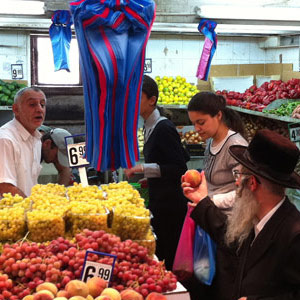
Avoid the hot summer season from June to September, especially if you're here hiking.
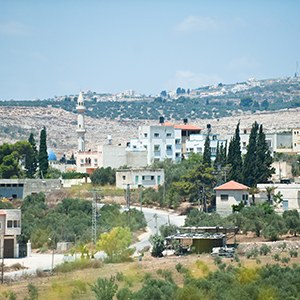
You can visit both these states at once as part of a small group vacation.