Puglia travel guide

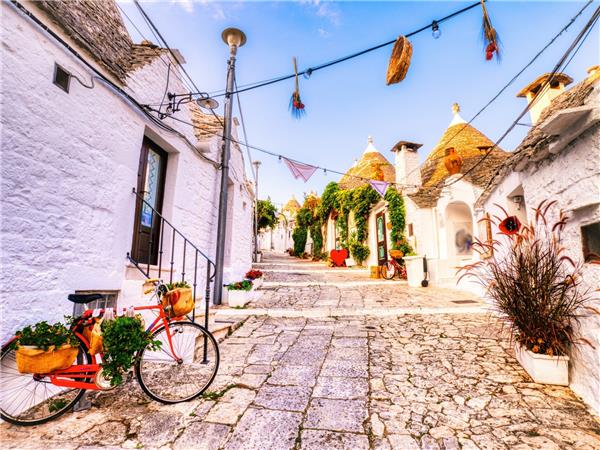
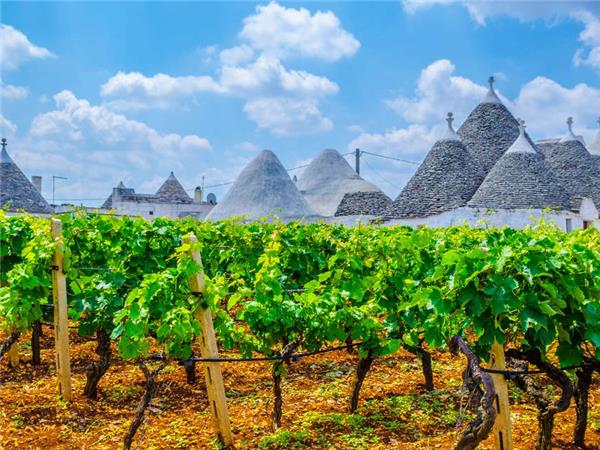
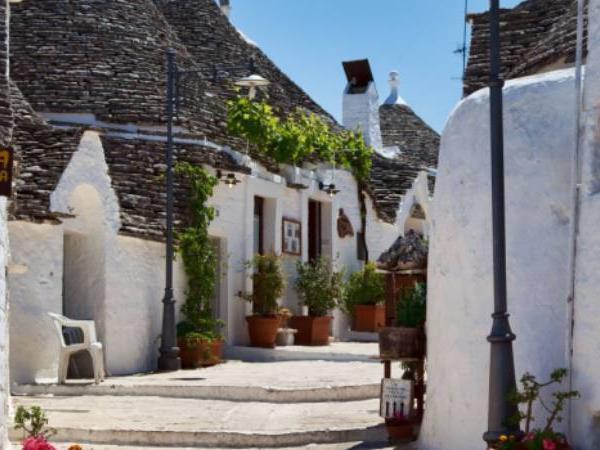
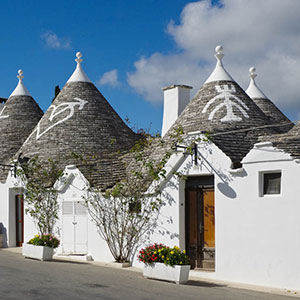
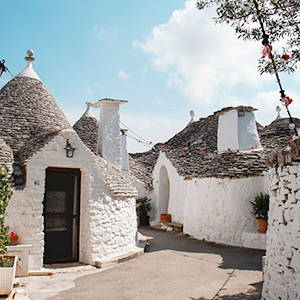
Puglia is a region filled with riches – architectural, geographical, gastronomical – all squeezed beautifully into a narrow strip of land in Italy’s far south. There are ancient towns where shady alleys speak of the past. There are baroque cathedrals crowning hilltop cities; curious trulli homes with conical roofs; and proud traditional farmhouses presiding over mile after mile of olive grove and vineyard. There are beautiful beaches and seafront restaurants, exquisite regional foods, traditional crafts (papier-mâché is big in Lecce) and layers of culture laid down over the centuries. Yet, despite this embarrassment of riches, much of Puglia still feels pleasantly under-visited.
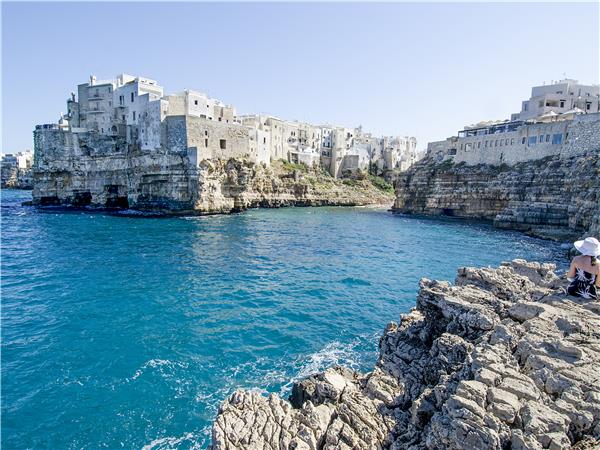
Forming the vertiginous heel on Italy’s stylish boot, Puglia is a truly elevated destination – with hilltop towns, clifftop villages perched above the Adriatic and sweeping valleys.
A small group or tailor made tour, complete with passionate local guides in all the right places will help you share every last drop from this delicious, multi-sensory region, ensuring you make the most of a week, or whatever time you have, in Puglia.
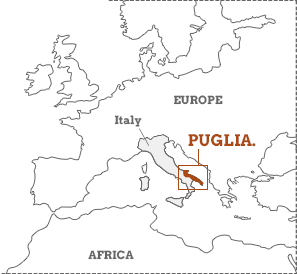
Puglia is…

popping with baroque churches, whitewashed towns, olive groves, vineyards and beaches.

Puglia isn’t…

as widely visited or as busy as other parts of Italy.

Things to do in Puglia…

Cycling in Puglia is a treat, with easy routes connecting olive groves and ancient towns, trulli and churches, the Adriatic and the Ionian, beaches and beautiful valleys. Go self guided or in a small group; pedal in a loop around the heel or hug the coast – whatever you do, allow time out of the saddle to swim and explore. Walking breaks reveal the landscapes of Puglia. Walk along the lush Valle d’Itria, amble through ancient olive groves and vineyards overlooking the Adriatic or explore the Murgia Plateau on foot, a vast protected area home to over 150 churches dating back to the 8th century. Stay somewhere with character. Forget boring, identikit hotel rooms – there is no shortage of interesting accommodation in Puglia. Spend a night in a trullo house, or a traditional Apulian farmhouse known as a masseria, where you can try the farm’s organic produce – it will bring you closer to the culture and cuisine of this region. Soak up some culture. Puglia is home to amazing architecture, from the trulli of Alberobello to its Baroque cathedrals adorned with extraordinary frescoes. Guided walks included on an organised tour reveal each town’s history, and you can dig deeper into Puglian culture with a pasta making lesson, a visit to a papier-mâché workshop in Lecce, or some wine or olive oil tasting.

Contact Us

Responsible Travel, Travel Team

Call us for a chat about our vacations. We are happy to discuss your vacation and help in any way we can. No bots, queues or awful hold music.

Responsible Travel, Travel Team

Things not  to do in Puglia…

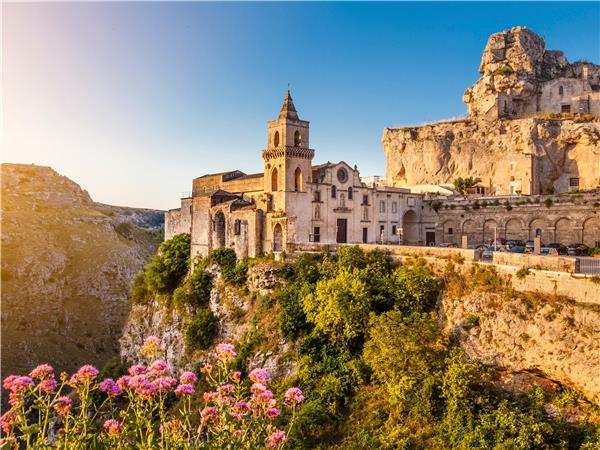
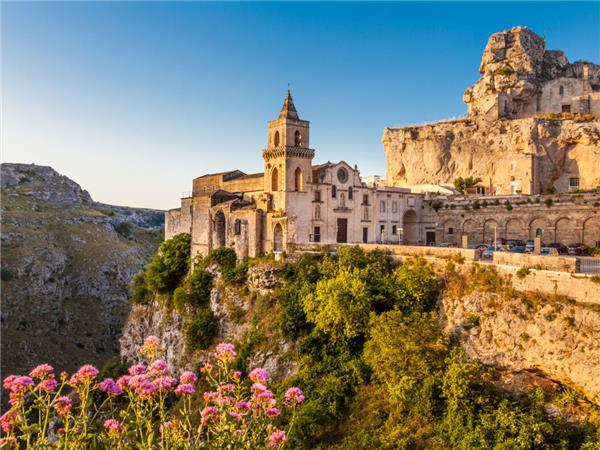
This is Italy, and Italy means eating, so a Puglia vacation is a bad time to be on a diet. Tuck into tasty regional treats, which include orecchiette (‘small ears’) pasta, creamy burrata cheese, fresh seafood and delicious olive oil. Some towns have their own speciality, too. Try capocollo ham in Martina Franca and the DOC white wine of Locorotondo. On an organised tour, guides can introduce you to local restaurants and farms that you would not find independently. Come just for the beach. Yes, Puglia can deliver a superb, stylish beach break, but don’t stick to the coast. Explore its ancient towns, home to Baroque architecture, hilltop cathedrals and kooky trulli houses and walk or cycle in its landscapes of olive trees and wildflowers. Miss Matera. Although technically in Basilicata, fascinating Matera is just over the border from Puglia and a must-see. Its jumble of buildings stands atop ancient sassi, stone houses carved out of the caves and cliffs and once denounced as ‘the Shame of Italy’ for their appalling living conditions. Although Puglia is a favorite summer destination, don’t assume you have to visit in peak season. The coast will be busy in July and August; June and September are quieter and more affordable. Walkers and cyclists will love the spring, when many species of butterfly, orchid and cyclamen are out, or the autumn, when temperatures are comfy and the sea still warm.
Written by Joanna Simmons
Photo credits: [Page banner: Sabino Parente] [Is/isn't: Dronkitmaster] [Things to do – cycling: Explore]