The whale shark Fitbit
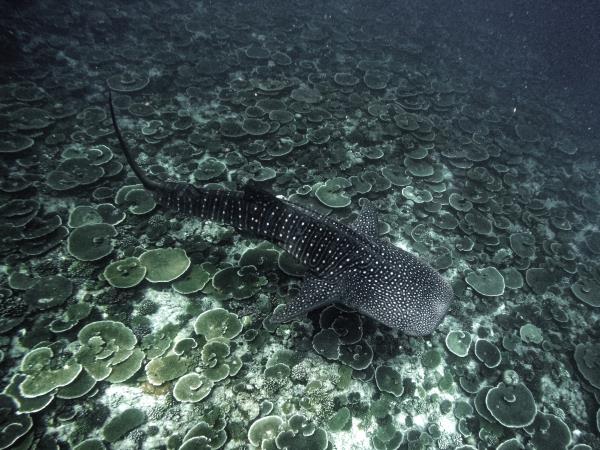
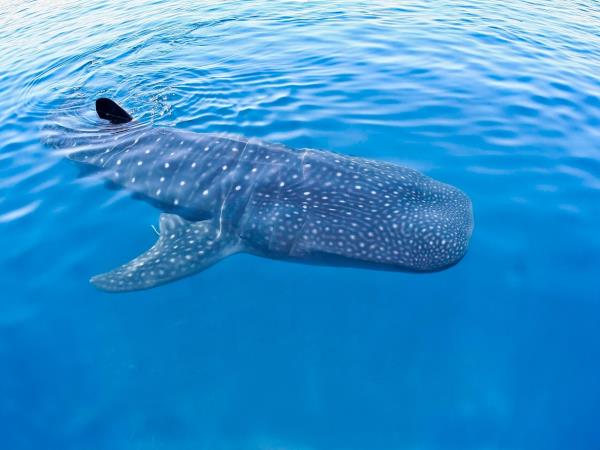
A team of scientists at Western Australia have used a form of ‘whale shark Fitbit’ to monitor whether whale sharks change their movements when swimmers are in the water, and found that the four percent of time that a whale shark swims with visitors has a negligible effect.
“The research is really great – the findings were that we’re not impacting them in any way.” Murray Pattison is co-founder of Live Ningaloo, one of the handful of small operators who can run whale shark tours in the NMP. “There’s regulations in how and why we do these swims – so long as you follow these rules, then you don’t impact the natural paths of these animals.”
For now, then, whale shark swimming is considered ok. In fact, in Western Australia it’s encouraged; with the hope that being in the presence of these amazing giants can prompt people to be evangelical about marine conservation and provide funds for further ocean protection.
How regulations have improved the whale shark swimming experience
Western Australia is one of the best-managed destinations for whale shark swimming experiences in the world. There are only 15 licences for whale shark swimming in the park, meaning that there are just a few operators managing tours.
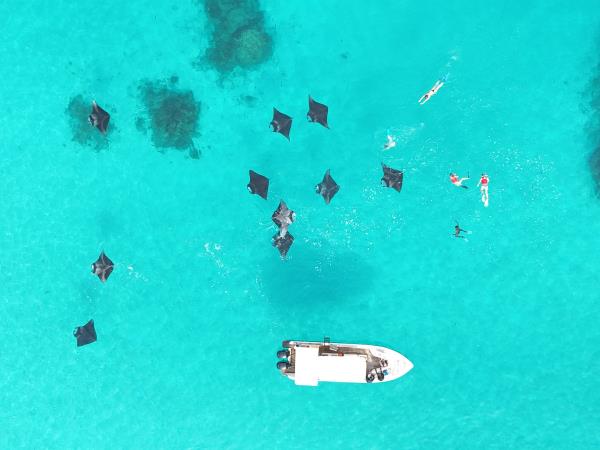
Over the years, and over thousands and thousands of whale shark swims, the area has been able to create and hone a best practice guide. This guidance doesn’t just help to protect whale sharks, it also improves the experience for swimmers. Only one boat is allowed to be near the whale shark at any time, others must stay 400m off. Only ten people are allowed to swim with the whale shark at once, which prevents your swimming experience being a jostling of elbows and flippers. Selfie sticks are banned – instead, you’ll get a dedicated photographer taking pictures. And you can’t use motors to propel you underwater near sharks (such as by using diving scooters) – meaning that it’s a quieter, calmer experience for sharks, and for swimmers, too.
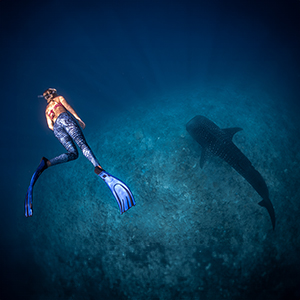
The guidance has improved as more information has come to light. Swimmers now have to stay three metres away from the head of the shark, four metres from its tail, rather than the previously stated one metre away. Freediving (diving without scuba equipment) – which might see swimmers unintentionally herding whale sharks to trap them at the surface from below – is also banned.
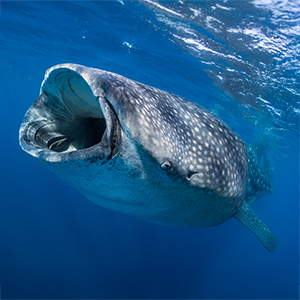
So is diving. Whale sharks love diver bubbles (it’s thought the popping bubbles sound a bit like krill, which is of great interest to them). They can also show signs of stress when swimmers approach from below. Scuba diving with whale sharks is no longer permitted at Ningaloo; only snorkelling. “It’s a good rule,” says Murray, “and honestly, with scuba gear you’re clumsy and clunky and you can’t keep a safe distance away from the whale sharks.” Snorkelling is an easier, more accessible way to see the sharks, and one that impacts them less.
All in all, the regulations allow you to see the whale sharks behaving normally in their natural environment, not under stress. “The truth is with any wildlife observation – if you force it, it’s not as good. Give it some space, let it do its thing and you’ll get a good experience,” says Murray.
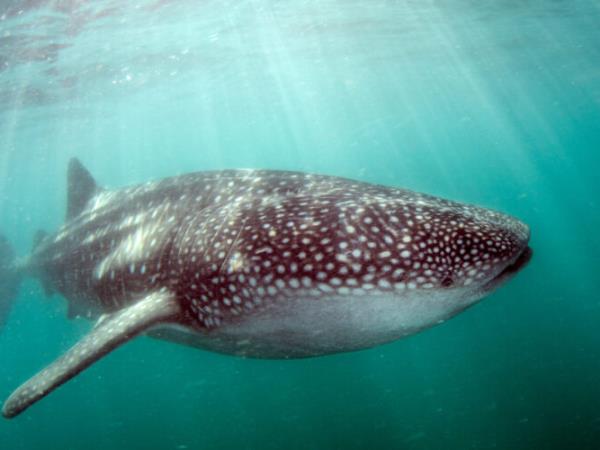
Relaxed whale sharks tend to stick around, you’re likely to see the whale shark very clearly, and for longer (visitors might spend 10 minutes or so hanging out with a whale shark before it dives, or wanders off).
Going beyond the regulations
Some dive boat operators in the area don’t just adhere to the regulations but surpass them. Live Ningaloo specialise in smaller tours, taking just ten swimmers at a time on their cruises, so that swimmers are never waiting around for their ‘turn’ with the whale shark. “Every single licence has pretty much the same conditions, but we have chosen to do our trips with a smaller number of people,” says Murray.
For Live Ningaloo tourism must be regenerative, not just sustainable. “It’s more than just not leaving a bigger footprint. It’s your culture and the culture you create with your business – when we eventually sell up we want to leave our environment better than how we found it. There are lots of ways to achieve that: getting involved in Indigenous tourism, reef regeneration, carbon reduction, how we conduct the driving, our fuel consumption – all of these are conscious things we do.”
You can also choose an operator who has achieved certain additional sustainability accreditations recognised by the Western Australia Department of Biodiversity, Conservation and Attractions: look out for dive boat operators with the Sustainable Tourism Accreditation, the higher level EcoStar Accreditation, and the Marine Tourism Accreditation. A number of boat operators have these accreditations, as do other responsible tourism businesses in the area, so you can ensure your wider vacation is beneficial to Western Australia’s wildlife.













.jpg)