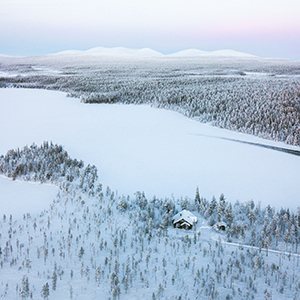
Wilderness vacations in Finnish Lapland are a fantastic and more eco-friendly alternative to alpine ski trips that flatten vegetation and consume huge volumes of water to make artificial snow. They’re most popular during winter, with late January through to late March or April the best for snowy conditions.
You can explore Tasmania’s many accessible wilderness areas, such as the Tarkine rainforest and Cradle Mountain-Lake St Clair National Park, all year round. However, February – at the tail end of peak season – sees even the most popular hiking trails far less busy than normal.
The Wild Taiga region, is at its most attractive to wildlife-seekers in Finland’s summer, between May and September, when bears and wolves are most active.
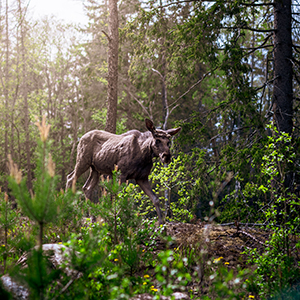
Moose tracking vacations in Sweden’s forests and Iceland self drive vacations that take you off the tourist track and into the lesser-seen highlands are both at their best between May and September.
You can barely move for bears in parts of North America between May and October. The salmon run makes for some spectacular photography opportunities in Alaska and Tweedsmuir National Park in British Columbia, Canada. Brown bears can also be seen in Kamchatka, in the far east of Russia, particularly between June and July.
The short Arctic cruise season peaks in July and August, but September is the best time to see the Northern Lights dancing across the sky. Polar bears are also seen further south around this time.
The rainforests of Guyana are less swampy during the dry season, between September and November, making it easier to trek through the thick vegetation. Late August is a good time, with the mighty Kaieteur Falls in full flow and the main tourism season yet to kick in.
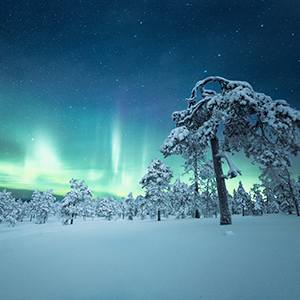
From the September equinox through to March you can witness the aurora borealis in Finnish and Swedish Lapland.
In Botswana, where wild camping beyond fenced areas is possible for a real wilderness safari, hot and cloudless October is the best month for seeing animals gather around waterholes, with great potential for predator-prey confrontations.
Optimal hiking season in Patagonia is between November and February – the summer months. However, you can also walk in Patagonia during winter if you can handle the cold. The trails are emptier, the wilderness feels closer, and you’ll occasionally see pumas at higher elevations as they come down in search of prey.
Antarctica’s cruise season is longer than that of the Arctic, getting underway from November.