Cape to Windhoek Namibia Desert tour

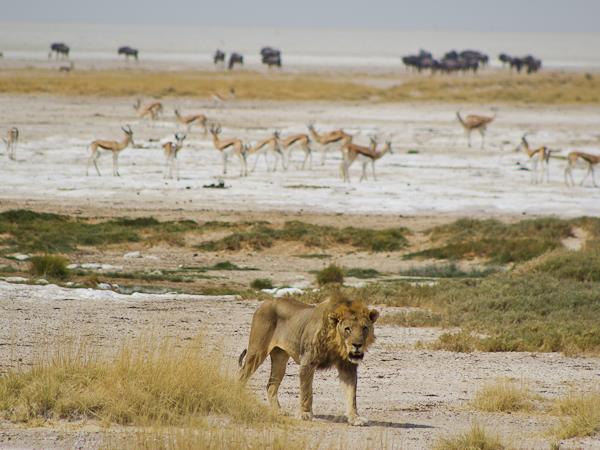
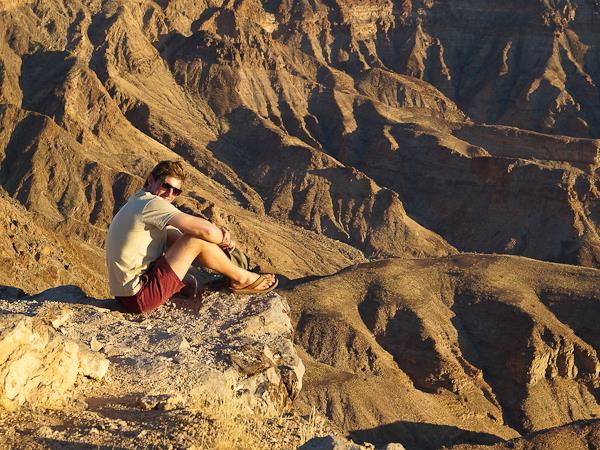
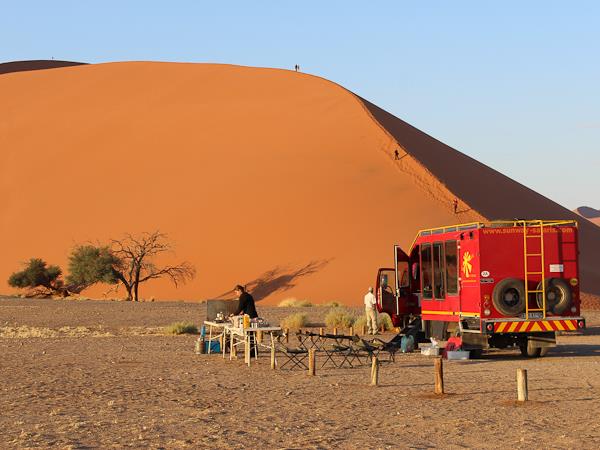
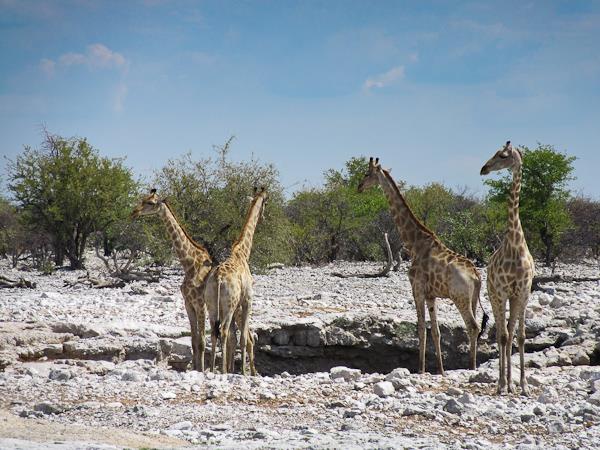
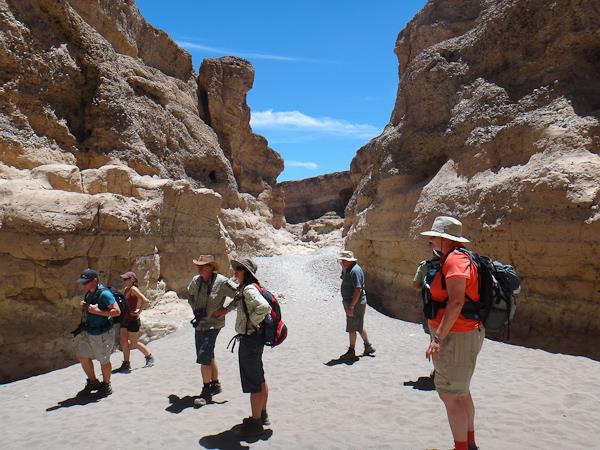
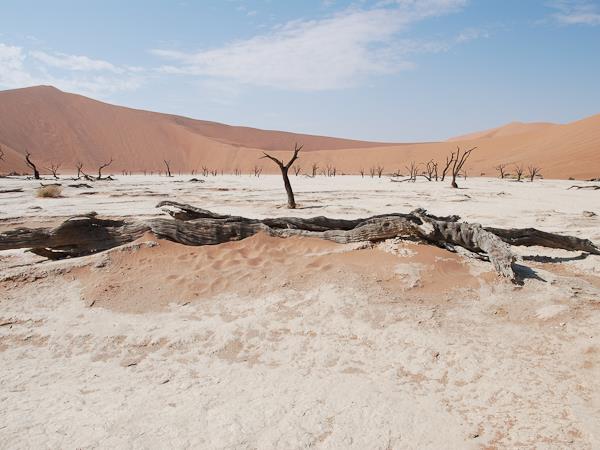
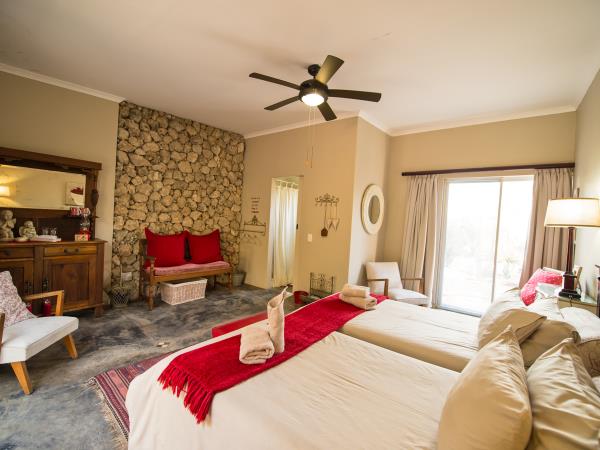
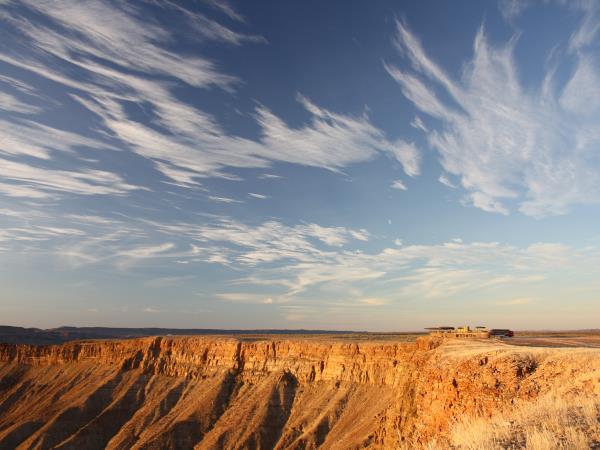
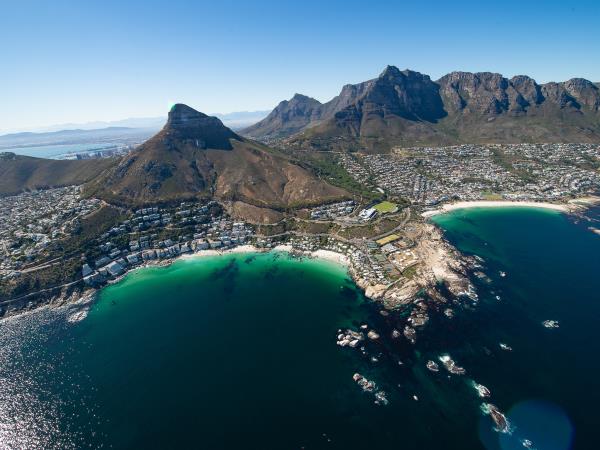
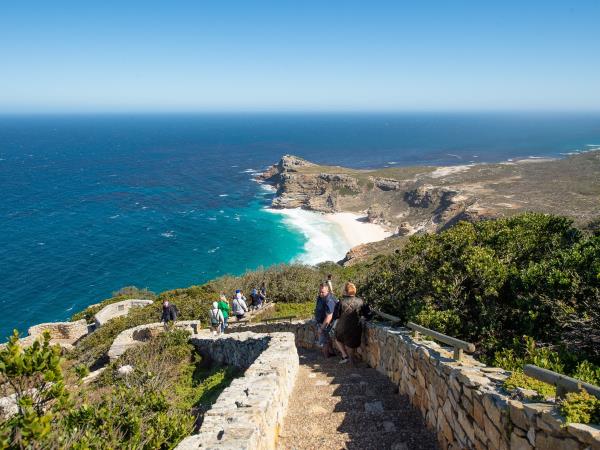
A thirteen day, small group overland tour, traveling through South Africa and mostly Namibia, with superb wildlife experiences. Staying in guesthouses or lodges, traveling in private minibus or safari truck.
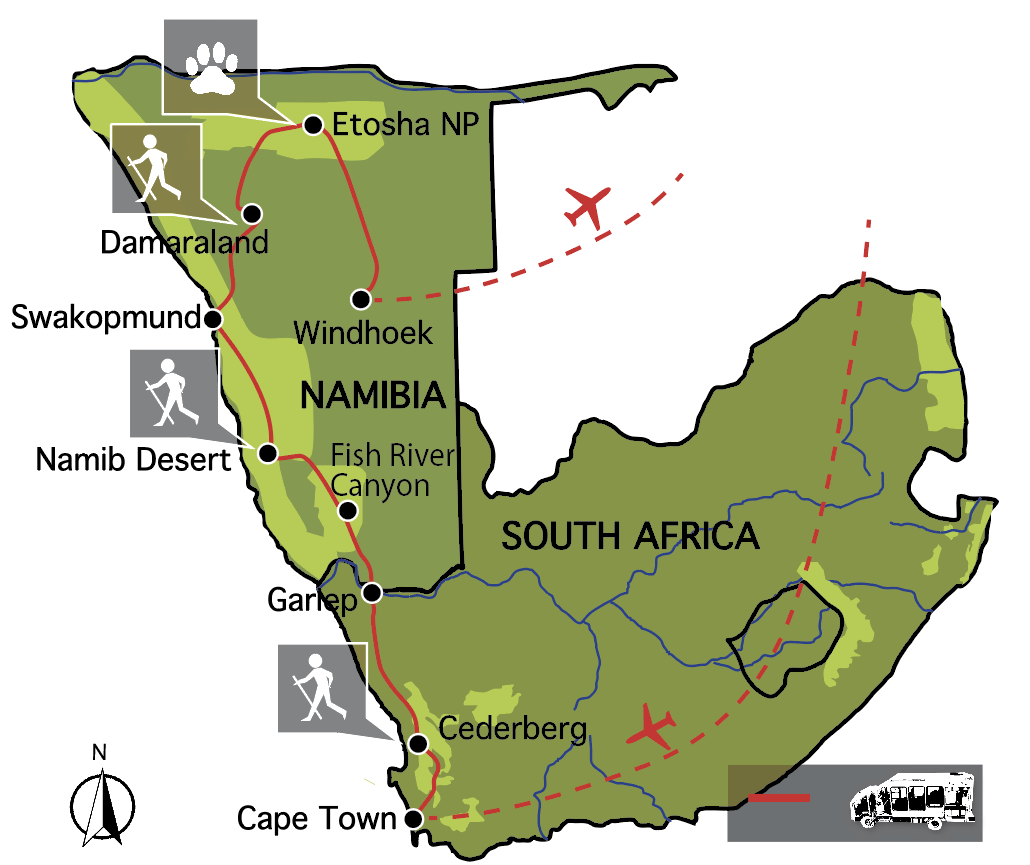
South Africa : Cape Town Cederberg Namibia: Gariep River Fish River Canyon Nambib Desert Sossusvlei Swakopmund Damaraland Etosha National Park Windhoek
Price
US $3255ToUS $3520excluding flights
More info
12 nights cabin / hotels / guesthouses
Entrance fees
Transport in minibus / safari truck
Meals as per itinerary
Professional guide
Single Supplement: US$ 441 (2024)
Last minute
We still have a few spots left on December 2026 departures - inquire now!

Description of Cape to Windhoek Namibia Desert tour
Map
Price information
US $3255ToUS $3520excluding flights
12 nights cabin / hotels / guesthouses
Entrance fees
Transport in minibus / safari truck
Meals as per itinerary
Professional guide
Single Supplement: US$ 441 (2024)
Check dates, prices & availability

Travel guides
There aren't many places you can see penguins on the beach, whales from the shore, and then go on an incredible safari.
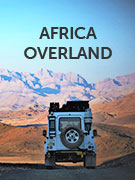
Jump aboard our Africa overland travel guide and pretty soon you’ll learn just what overlanding entails and whether it's for you.
Vacation information
'Free from' food:
We can cater for Vegans, Vegetarians, gluten free and celiac. We will just need to know this ahead of time when the bookings are being made.
LGBT:
With experience of personally guiding tours through a large number of African countries, and having previously led groups including LGBT travelers through those countries, I have not experienced any issues in accommodations or during the trip as a whole to date.
The important thing is to know the local laws and gain an understanding of local points of view before you travel – we can advise you on these and the UK Foreign office FCO also has lots of country-specific information on local laws and customs. If a country is on the conservative side, generally being careful not to openly show affection in public for example is enough to ensure a safe and enjoyable trip. All our guides are welcoming of LGBT travelers and will be happy to give advice on the trip when/where needed.
Reviews
2 Reviews of Cape to Windhoek Namibia Desert tour
5 out of 5 stars
Reviewed on 26 Oct 2026 by Adrian Kark
1. What was the most memorable or exciting part of your vacation?
Kruger National Park
2. What tips would you give other travelers booking this vacation?
It is quite strenuous, starting early in the day (5:30am) on most days and spending long hours in the mini bus on the road.
3. Did you feel that your vacation benefited local people, reduced environmental impacts or supported conservation?
Yes, but not noticeably different to conventional tourism.
4. Finally, how would you rate your vacation overall?
Wonderful!
Reviewed on 28 Jul 2022 by Caroline Banks
1. What was the most memorable or exciting part of your vacation?
Seeing wildlife outside of the national parks.
2. What tips would you give other travelers booking this vacation?
Do research of the destinations before you go.
3. Did you feel that your vacation benefited local people, reduced environmental impacts or supported conservation?
Yes, as we stayed at places off the beaten track we put money into more remote places.
4. Finally, how would you rate your vacation overall?
Very enjoyable with a wide range of destinations and experiences.
Responsible Travel
As the pioneers of responsible tourism, we've screened this (and every) vacation so that you can travel knowing we've worked to maximise the benefits of your vacation to local people and places, and minimise any negative impacts.
Planet
Small Group TravelWe specialise in small group safaris, with a maximum of 12 and a minimum of 4 clients per tour. Traveling together means transport and activities are shared between a limited number of travelers, while our experienced guides manage the driving and logistics.
Fuel Use
Our purpose built safari trucks average approximately 25L/100km. With an average of 9.5 clients on board, this equates to approximately 2.6L/100km per passenger. For comparison, a typical 4WD rental using 12L/100km and carrying two people uses around 6L/100km per passenger. Actual fuel use varies according to the vehicle, route, road conditions and passenger numbers.
Waste and Water
We follow a leave no trace approach and collect waste for disposal at appropriate facilities. At our workshop, we recycle used oil and containers, use oil traps and use biodegradable cleaning products wherever practical. Our safari vehicles carry tanks of clean, safe tap water, which clients can use to refill reusable bottles, reducing the need for single use plastic water bottles.
Resources and Wildlife
Where practical, we use gas rather than wood or charcoal for cooking, particularly in remote areas where firewood is limited. We also ask clients to use water thoughtfully, especially in the drier regions we visit. Our guides follow established wildlife viewing practices, including maintaining appropriate distances, avoiding unnecessary disturbance and never feeding wild animals.
Okavango SOS Trees Project, Botswana
For generations, mokoros in the Okavango Delta have been made from sausage trees. As tourism has increased, so has demand for mokoros. To reduce the need for new trees, the host company supports the use of fibreglass mokoros, which are more durable than traditional wooden mokoros. A portion of the tour fee contributes to this project, and guests can also make additional donations. Since the project began, more than 30 traditional mokoros have been replaced with fibreglass versions, while local poler communities continue to benefit from mokoro based activities.
People
Local Crafts and MarketsWhen visiting curio markets, we encourage clients to buy locally made crafts and to consider smaller wooden items rather than large pieces. This supports local artisans while reducing the amount of timber required for larger carvings. When bartering, we encourage clients to do so respectfully and remember that even a small purchase can be meaningful to a local vendor.
Tours for Young People, South Africa
We run educational trips to South Africa’s national parks for young people aged 14 to 18 from Johannesburg, in partnership with the PEN Organisation. Many participants have never visited a protected area or experienced wildlife in the wild. The trips provide an opportunity to learn about nature, conservation and careers in tourism.
National Park Fees
National park entry fees contribute towards the operation and management of protected areas. Depending on the park, these funds can contribute to infrastructure, conservation activities and services for park staff and surrounding communities. Clients can ask their guide about the park fees included in their safari and how they are used.
Locally Owned Accommodation
Where practical, we use locally owned lodges, guesthouses, B&Bs and tented camps. Staying at locally owned properties means that our accommodation spend contributes to businesses operating in the areas we visit, including through local employment and the use of local services and suppliers.
Local Guides and Community Experiences
Our safaris include two professional Sunway guides, and we also use local guides and community experts for specific activities. Their knowledge provides a direct connection to the places we visit, while the activities provide income and employment within local communities.
Popular similar vacations
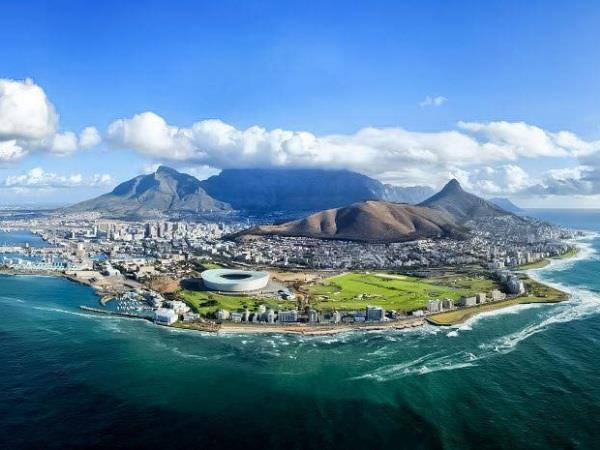
South Africa vacation
From £3120 - £4165 13 days excluding flights
Explore Cape Town, Winelands & the Garden Route
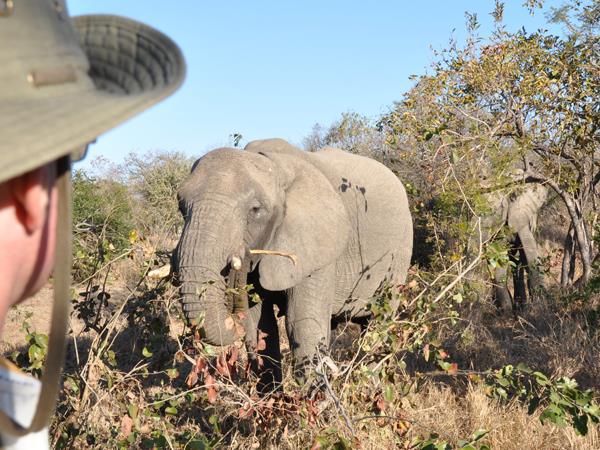
Three Reserve safari in South Africa
From £3550 - £3750 10 days excluding flights
A 10 day big game safari visits 3 different game reserves
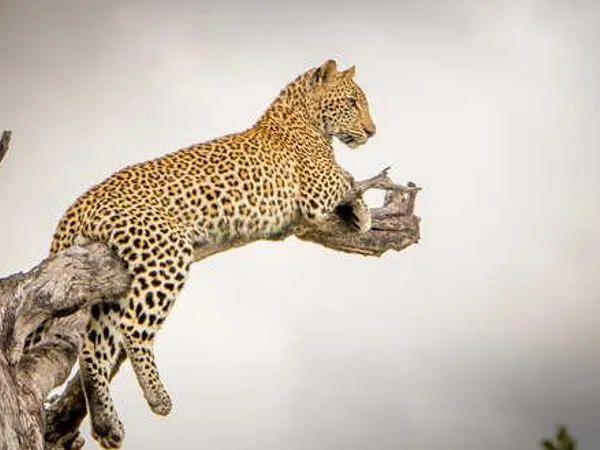
Cape Town, Kruger and Victoria Falls vacation, South Africa
From £2750 11 days including domestic flights only
Great value highlights tour of South Africa