Tasmania fishing vacation
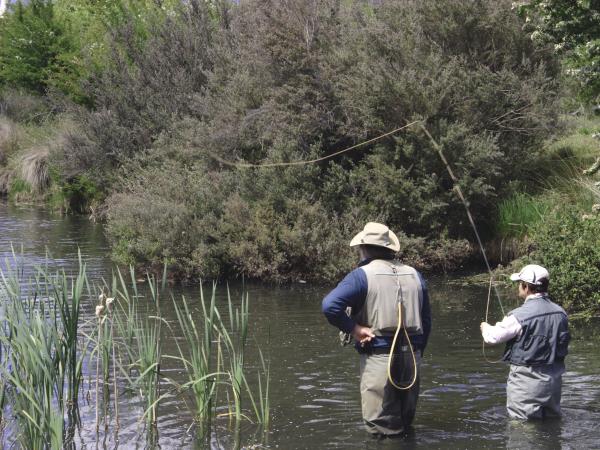
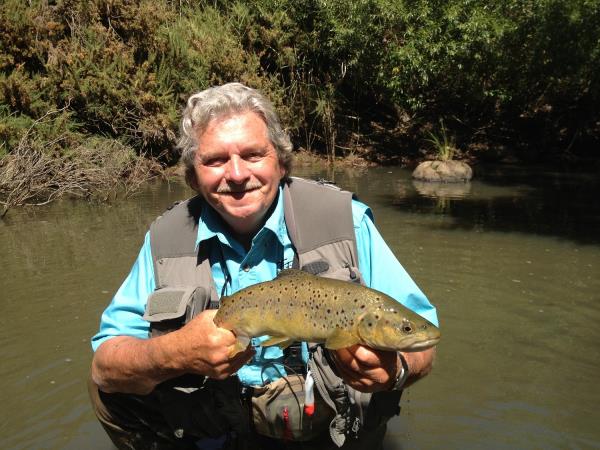
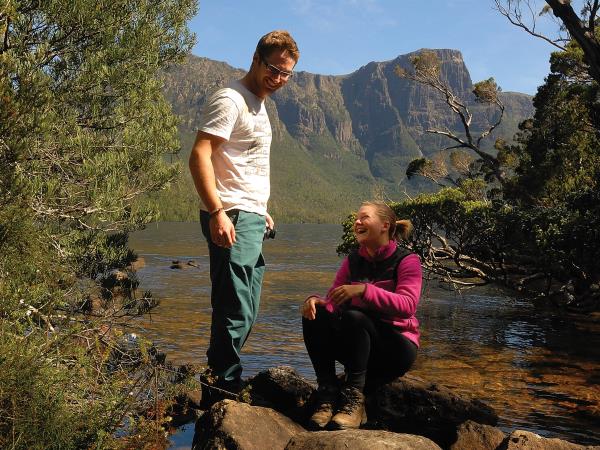
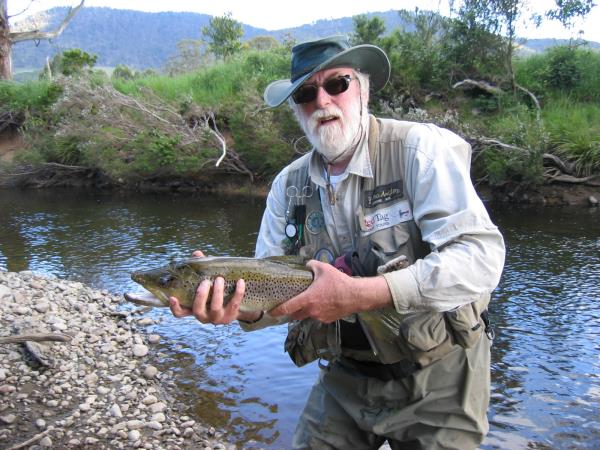
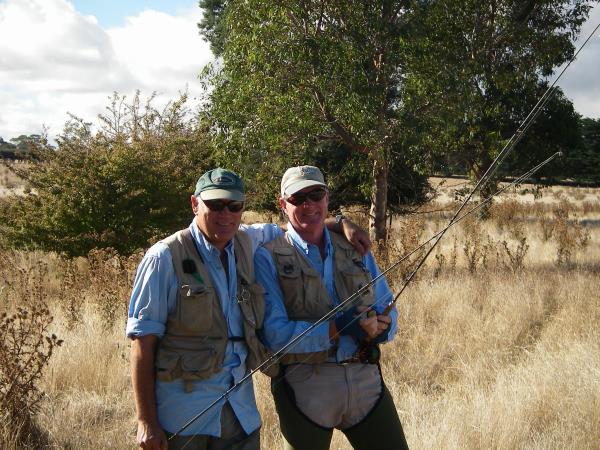
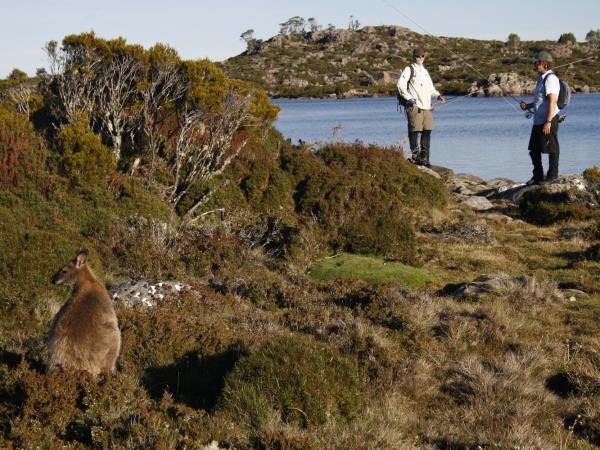
You don’t get trout fishing like this anywhere else in the world. This ten day fly fishing itinerary, with expert guides, is like something out of a movie. There are only two words. Go fish.
Hobart Expert Tasmania fly fishing guide Macqurie River in Ross Currawong Lakes Brickendon RiverFly Wilderness Camp Walls of Jerusalem National Park Launceston Lake St. Clair Pumphouse Point Wilderness Lodge
Price
AU $2195ToAU $5695 excluding flights
Duration
4 Days
Type
Tailor made
More info
Tours can be arranged from one day to two weeks or longer.
Prices are based on two traveling in twin or double rooms but solo travelers are very welcome.
Please inquire for a trip that suits your experience, time, budget and interests.
Prices are based on two traveling in twin or double rooms but solo travelers are very welcome.
Please inquire for a trip that suits your experience, time, budget and interests.

Description of Tasmania fishing vacation
Price information
AU $2195ToAU $5695 excluding flights
Tours can be arranged from one day to two weeks or longer.
Prices are based on two traveling in twin or double rooms but solo travelers are very welcome.
Please inquire for a trip that suits your experience, time, budget and interests.
Prices are based on two traveling in twin or double rooms but solo travelers are very welcome.
Please inquire for a trip that suits your experience, time, budget and interests.
Departure information
This trip can be tailor made throughout the year to suit your requirements
Travel guides
Fantastic for self drive adventurers, walkers and lovers of wildlife and wilderness.
Our Australia travel guide contains more gems than Kylie's back catalogue.
Responsible Travel
As the pioneers of responsible tourism, we've screened this (and every) vacation so that you can travel knowing we've worked to maximise the benefits of your vacation to local people and places, and minimise any negative impacts.
Planet
Several of the properties on this itinerary are either within the World Heritage listed wilderness, on the very edge of it, or in National Parks. For example, Riverfly Huts are simple, modern & lightweight structures, constructed with insulated walls, canvas roofs and ceilings, and wrap-around decks, all perched above the native flora on raised platforms. Ninety pe rcent of the materials used were manufactured in Australia, and the huts were built to strict environmental impact-minimisation principles. Currawong Lakes is a sustainable trout fishery, and to ensure the general welfare of the property long term the owners have taken extensive measures to ensure well functioning ecosystems and adequate habitat. In consideration of this soil erosion, sediment control and re vegetation are both economically and ecologically important. The approach to habitat management, vegetation and rehabilitation has been designed with focus on the integration of conservation over the long term. Defining what resources existed on the property and how they interacted with the environment was the first step of a journey undertaken to stabilize and enhance habitats and rehabilitate aquatic environments, including both riparian and upland activities as well as lowland activities, such as repairing connections in the floodplains and addition of habitat structures in streams. The property was relieved of livestock interaction and an ongoing game management program put in place so as to prevent further degradation and to allow new seedlings an opportunity to grow. Reconstruction of creek areas, the addition of extra channels and formation of habitat structures all slow winter flows and were constructed to be stable in a wide range of flows. Stabilisation measures in the form of sediments ponds have been constructed. The overall design of this aimed at achieving long term stability, erosion control and also to harmonise with more general rehabilitation and re vegetation strategies. The result is a much improved habitat, the return of creek and lakeside vegetation and insect populations to support a self sustaining fishery, the return of a diverse array of bird life, a dramatically improved health amongst the wildlife population, clean flowing waterways, and an overall ambiance and balance. The property continues to monitor and work upon ecosystem function variables, such as vegetation production, plant and soil respiration, litter decomposition rates, etc as a means of determining functionality in the rehabilitating ecosystemPumphouse Point is in the World Heritage Area of Tasmania - , the outstanding natural environment of Lake St Clair was recognised by UNESCO in 1982 and included on the World Heritage List within the Western Tasmania Wilderness World Heritage Area, and the site of the pump-house itself is recognised for its significant industrial heritage and placed on the Tasmanian Heritage Register. Many of other B&Bs used by us are on protected Land for Wildlife or private reserve conservation areas and a number of them are part of the Tasmanian Land Conservancy scheme which is a non profit organisation that acquires and manages land in Tasmania, protecting important natural places. You are urged not to drive at dawn, dusk or at night when wildlife is likely to be on the roads and always to take extreme caution at all times. The operator makes a donation to the Tasmanian Land Conservancy every year.
People
The company is the only one in the UK, Europe and USA that has been established world to only inherently Tasmanian experiences and locally owned authentic family run Tasmanian bed and breakfast accommodation. Almost every accommodation has been, built using locally sourced labour and materials dating from the early 1800s through to present day. The wildlife tours recommended all use local staff, not only from Tasmania but from their regions within Tasmania. Many of your accommodation providers are wildlife carers and the wildlife sanctuaries you may visit during your tour are NOT zoos - all the animals are rescued as orphans or injured animals, brought back to health or raised until they are old enough to survive in the wild, rehabilitated and released if at all possible. Entrance fees to these sanctuaries goes towards the wellbeing of Tasmania's wildlife, such as Bonorong Wildlife Sanctuary which runs the state's official wildlife rescue line, and many operators donate a high percentage of their profits to wildlife and conservation schemes.Popular similar vacations
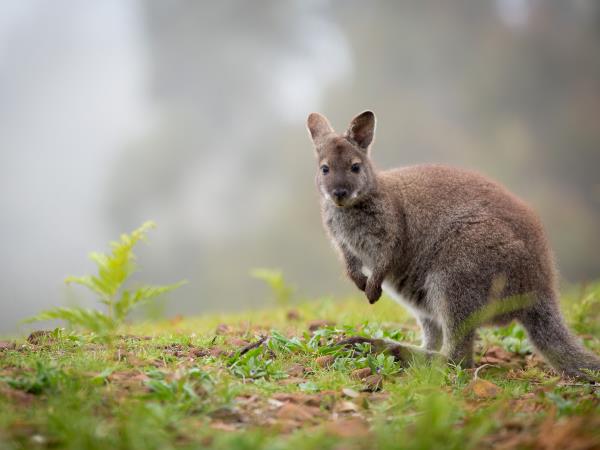
B&B self drive tour of Tasmania, meet the locals
From AU $1995 - AU $8000 10 days excluding flights
Self-drive staying in Tasmania's most charming B&Bs
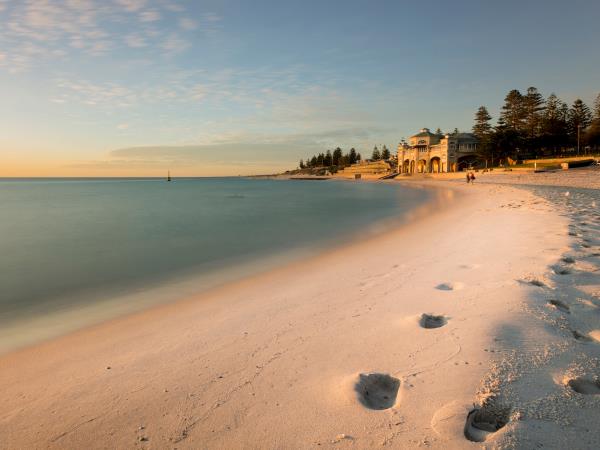
Southwest Australia tour, coast, forest & wineries
From US $3325 14 days excluding flights
A travel itinerary to Southwest Australia
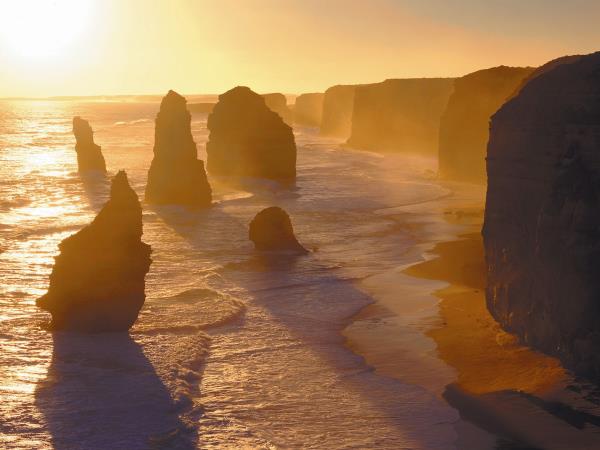
Southern Australia & Tasmania tailor made vacation
From £10900 15 days excluding flights
See Tasmania, Victoria and South Australia, tailor-made