Japan walking tour of Shikoku

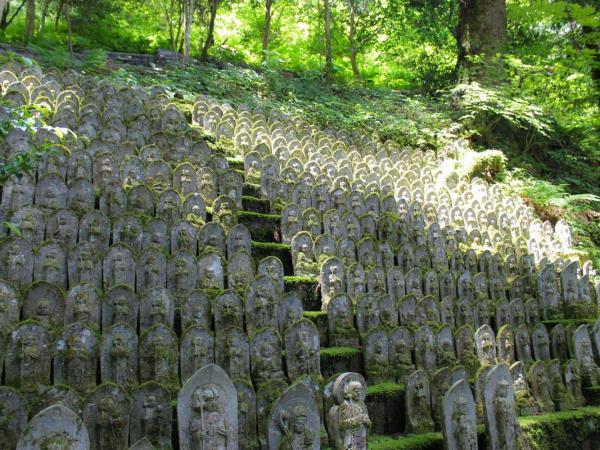
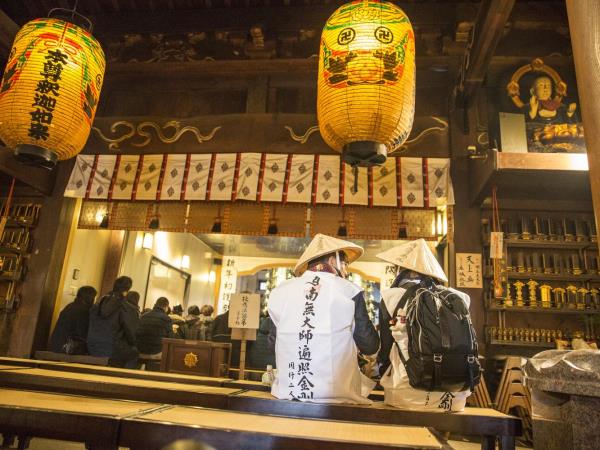
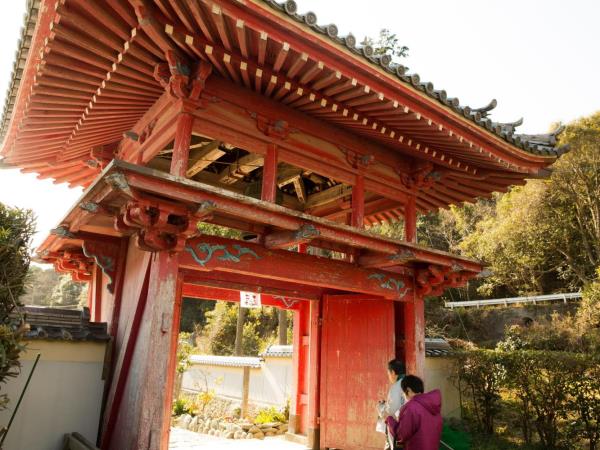
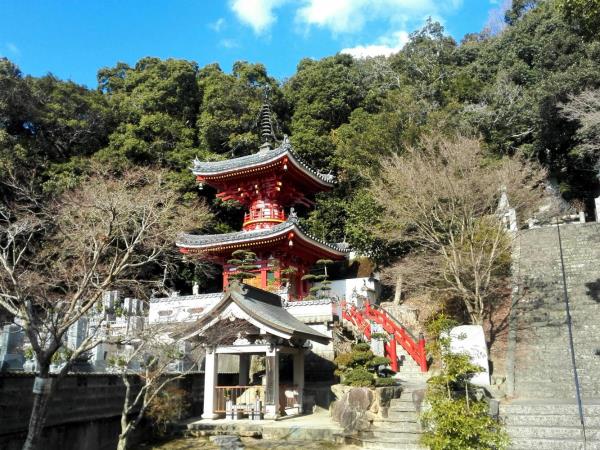

Our only Japan vacation that is dedicated to one island, Shikoku. A small group, guided walking vacation through some of Japan’s most sacred spots.
Osaka Mount Koya Kobo Daishi’s mausoleum Tokushima Prefecture Ryozen-ji temple Gokuraku-ji temple Konsen-ji Fujiidera temple Henro-korogashi trail Kakurin-ji temple Tairyu-ji temple Mt Tsurugi-san Kochi Kumakogen Highlands Matsuyama Ishiteji temple Dogo Awa Kokubunji temple Shiromine-ji temple Mount Shiromine Negoro-ji temple Kotohira Spa Nagao-ji temple Okubo-ji temple Nyotai-san Mountain Okubo-ji
Price
US $7070 excluding flights
More info
The tour begins in Osaka and ends in Kotohira Spa on Shikoku Island

Description of Japan walking tour of Shikoku
Price information
US $7070 excluding flights
The tour begins in Osaka and ends in Kotohira Spa on Shikoku Island
Check dates, prices & availability

Travel guides
Open up a world of ancient long distance walking trails, summit seeking opportunities and city walking.
Be part of a pack on your next outing. These small group walks promise fun and friendship on the trail.
Reviews
1 Reviews of Japan walking tour of Shikoku
5 out of 5 stars
Reviewed on 30 May 2023 by Jennifer Steward
1. What was the most memorable or exciting part of your vacation?
Hearing the Temple Bell ringing and the chanting of pilgrims as you walk down to a Temple through a forest of tall Japanese Cedars - magical!
2. What tips would you give other travelers booking this vacation?
Reading up on the Shikoku Henro pilgrimage is valuable to appreciate the Buddhist history and principles underlying the Henro tradition
3. Did you feel that your vacation benefited local people, reduced environmental impacts or supported conservation?
Local accommodation was used where available, walking between Temples and public transport was used where practical as well as interactions with local people along the pilgrimage route
4. Finally, how would you rate your vacation overall?
Excellent! A good balance of peaceful forest walking, city sightseeing, taking onsen
baths, eating regional foods and learning about the Shingon Buddhist principles.
Including the opportunity to attend Temple ceremonies. The accommodation was
excellent and our guide was exceptional.
Responsible Travel
As the pioneers of responsible tourism, we've screened this (and every) vacation so that you can travel knowing we've worked to maximise the benefits of your vacation to local people and places, and minimise any negative impacts.
Planet
1. Protection of Local environmentOur tours are all small-group, both avoiding the need for large vehicles and hotels, and ensuring we don’t overwhelm the places we visit.
Where our tours use mountain or countryside trails, we ensure that we don’t damage vegetation by using only established trails. We leave what we find, so no taking of plants, rocks, archaeological artifacts, etc. Introducing visitors to the loveliest sections of the Shikoku 88 Pilgrimage Trail, such as the Henro-Korogashi on Day 4 , we hope to promote interest in preservation of these historic routes. At a time when most visitors travel from temple to temple by car or coach, we want to show the enduring value of walking instead.
2. Wild life
We respect wildlife by avoiding quick movements, loud noises, getting too close and feeding animals. We help with the preservation of local culture by educating visitors about local traditions and crafts, and making the history and culture a central theme of their visit.
3. Energy
We reduce the consumption of energy by unplugging all electronic appliances when leaving the office. During the day when it is bright we use natural sunlight and avoid turning on the light. During the summers we use electric fans instead of air conditioners.
4. Waste
We follow the principles of ‘Leave no Trace’ on our walking tours. We do not leave behind any waste on our tours. On our walking tours we dispose of all waste properly to avoid contamination of water sources. We avoid as much the use of paper, and do as much of our marketing as possible on-line, using internet fax and avoid printing out paper. When we do print we use double side as much as possible.
5. Transport
We use local public transport as much as possible where this is an option, lessening the environmental impact of extra vehicles on small country roads.
We encourage our employees to walk/bike to the office
People
Traveling with respectThe presence of a Japanese-speaking tour leader makes a big difference in cultural interaction; it allows for communication between the visitors and local people and lessens the possibility of minor cultural gaffes by foreigners that might otherwise create nervousness on the part of local people about hosting foreign guests.
Our local guides spend a huge amount of time and effort explaining to our clients about local customs and etiquette, so that our clients can interract appropriately with the local community. Japanese culture can feel extremely unfamiliar and habits which we might be second-nature to us (such as blowing our nose) can seem rude to the Japanese. Our pre-departure literature alerts our clients to ways they can avoid giving unintended offence.
Local Crafts & Culture
The tour introduces clients to the cultural heritage of an area which has a history going back centuries, but has perhaps not been fully appreciated in recent decades. Our guides are local, knowledgeable individuals who can introduce our guests to the culture, history and traditions of this area of central Japan.
Small group tourism encourages young people who would otherwise leave to find work in the cities to stay and start small-scale sustainable enterprises that cater to visitors. We try to avoid the destinations that cater to mass-market tourism, taking our guest to the lesser-known but more rewarding places that larger tour companies tend to avoid due to their unsuitability for large groups. This means our clients money will end up in small community that may have little in the way of work for its young people.
Uchiko is a rare example of a rural location in Japan where service industry opportunities are encouraging young people to stay and live, instead of following the decades-long general drift towards the major cities.
We are delighted to use the locally owned and locally operated temple lodgings on nights 2 and 3 of our tour; the Japanese inns on nights 4, 5 and 6 are similarly rooted in their communities. On all eight occasions where dinner is included in the itinerary, locally-sourced ingredients and specialities will be important features of the menu, supporting suppliers in the immediate surroundings.
Popular similar vacations
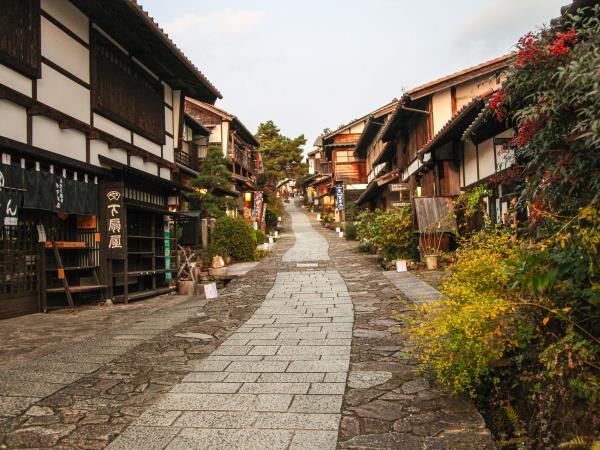
Japan self guided trekking vacation, Nakasendo Trail
From US $1135 - US $1815 5 days excluding flights
Self-guided walking along Japan’s ancient Nakasendo trail
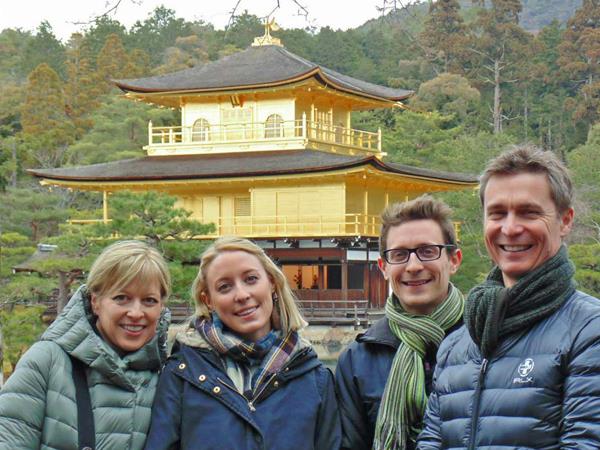
Japan golden route vacation
From US $3080 10 days excluding flights
9-night classic Japan trip: Tokyo, Fuji, Kyoto
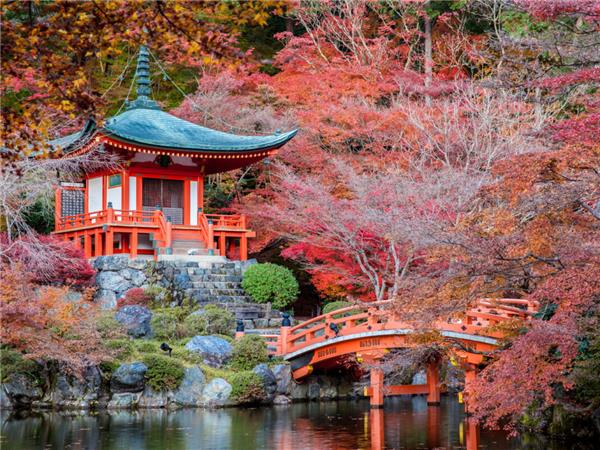
Japan vacation, ancient and modern
From US $7195 - US $9525 14 days excluding flights
Explore the attractions of this vibrant nation