London to Morocco by rail vacation
Price
£4995 excluding flights
Duration
13 Days
Countries
Morocco, Spain
Type
Small group
More info
All train journeys and accommodation are included.
Some transfers and sightseeing are included as per the itinerary. Compulsory Single Supplement - £895
Some transfers and sightseeing are included as per the itinerary. Compulsory Single Supplement - £895

Description of London to Morocco by rail vacation
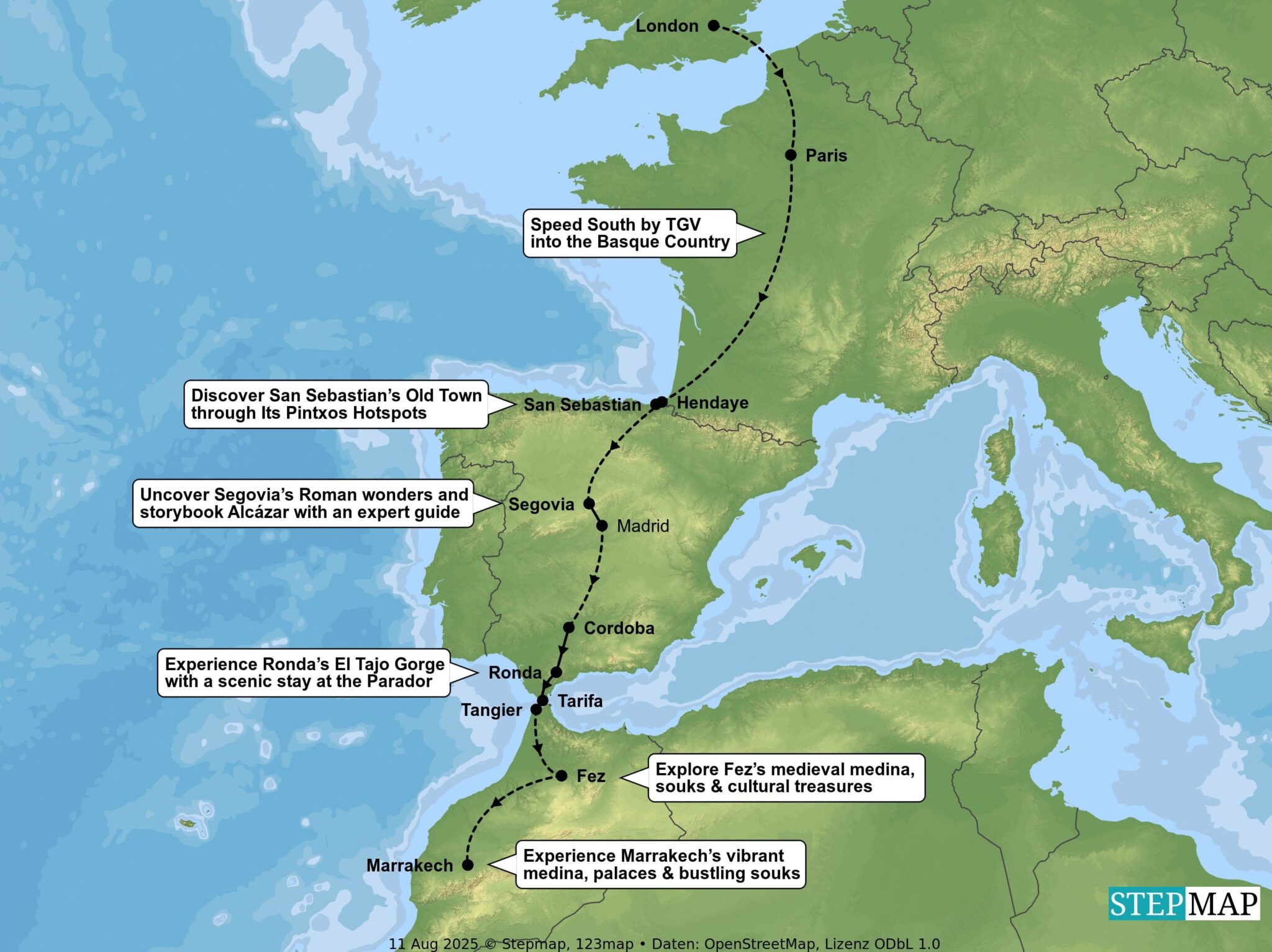
Map
Price information
£4995 excluding flights
All train journeys and accommodation are included.
Some transfers and sightseeing are included as per the itinerary. Compulsory Single Supplement - £895
Some transfers and sightseeing are included as per the itinerary. Compulsory Single Supplement - £895
Check dates, prices & availability

Travel guides

It makes sense to combine Spain with Morocco - our guide explains.
Classic train routes in the world’s most dramatic locations.
Responsible Travel
As the pioneers of responsible tourism, we've screened this (and every) vacation so that you can travel knowing we've worked to maximise the benefits of your vacation to local people and places, and minimise any negative impacts.
Planet
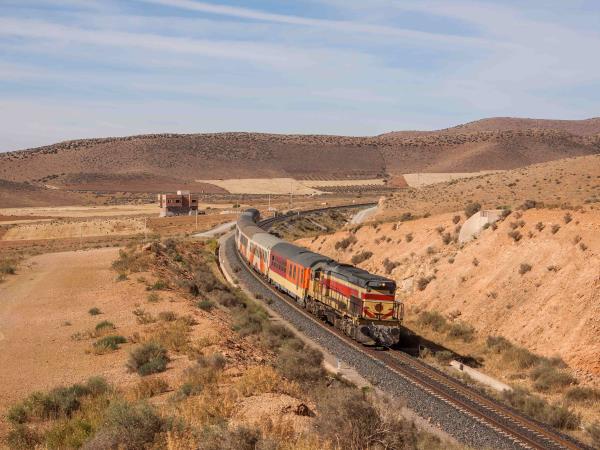
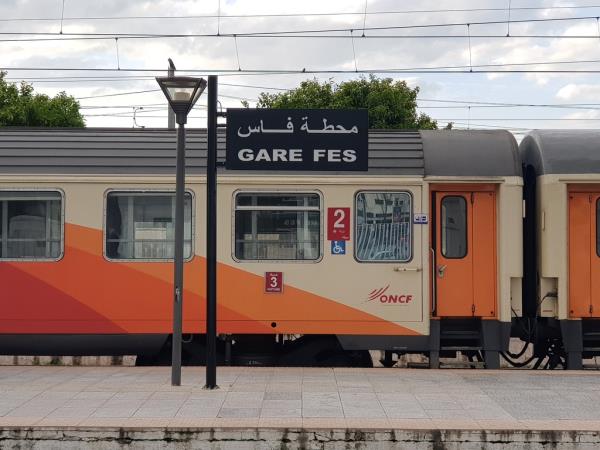
CARBON REDUCTIONThis itinerary has been designed around rail travel rather than short haul flights wherever possible. Travelers depart London by Eurostar to Paris and continue through France and Spain using high speed rail services such as the TGV and AVE. Within Morocco, long distance travel also takes place by train between Tangier, Fez, and Marrakech. By prioritising rail connections across much of the journey, the trip significantly reduces carbon emissions compared with equivalent air travel.
Shared public transport forms an important part of the journey. High speed trains and the scheduled ferry crossing between Tarifa and Tangier provide efficient shared transport, reducing emissions per traveler compared with individual vehicles or flights. Road transfers are used only where rail connections are not available, helping to minimise the overall environmental footprint of the trip.
Many activities throughout the itinerary are undertaken on foot, including guided walking tours in Segovia, Ronda, Tangier, Fez, and Marrakech. Exploring historic centers in this way reduces the need for motorised transport while allowing travelers to experience destinations in a low impact way. Culinary experiences also highlight regional cuisine prepared with locally sourced ingredients, supporting local producers and reducing the environmental impact associated with imported food.
ENVIRONMENT AND WILDLIFE
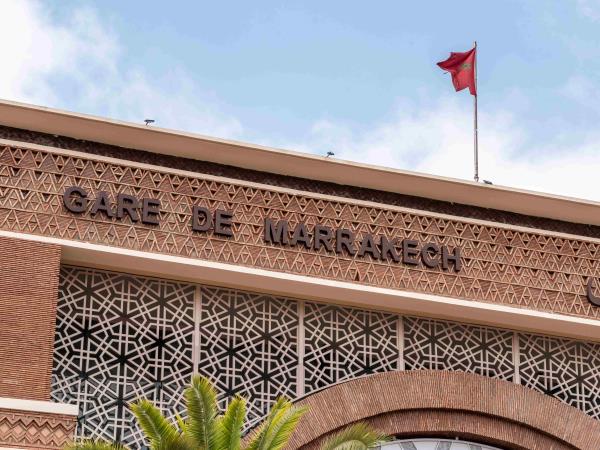
Accommodation providers are selected with consideration for their environmental practices. Many of the properties used throughout Spain and Morocco operate programmes to reduce water and energy consumption, minimise single use plastics, and encourage recycling. Traditional Moroccan riads, such as Riad Karmela in Marrakech, also rely on climate appropriate architecture, including internal courtyards and natural ventilation, which helps reduce energy use compared with more intensive cooling systems.
The itinerary supports the preservation of historic environments and cultural landscapes through visits to protected heritage areas such as Segovia’s old town, the Alcázar of Segovia, and the medinas of Fez and Marrakech. Entrance fees contribute towards conservation and maintenance of these important UNESCO recognised sites, helping sustain the historic urban environments that form a key part of the region’s identity.
Local guides accompany travelers throughout the journey and play an important role in promoting responsible travel practices. As members of the local community, they provide insight into the environmental and cultural context of each destination while encouraging respectful behaviour, minimising waste, and supporting responsible local businesses during the trip.
People
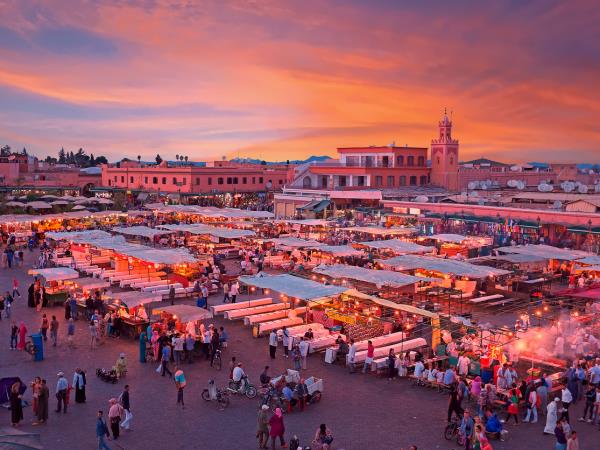
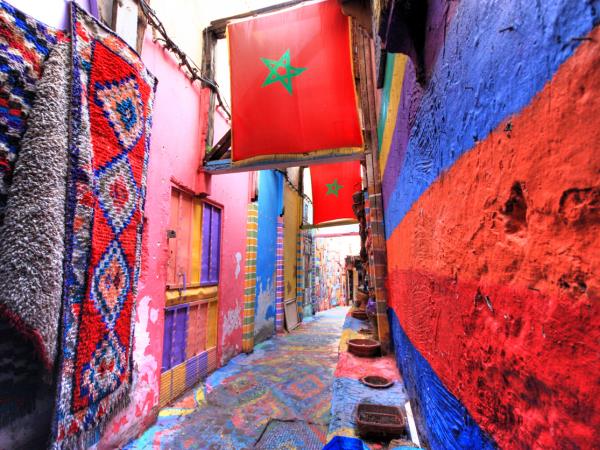
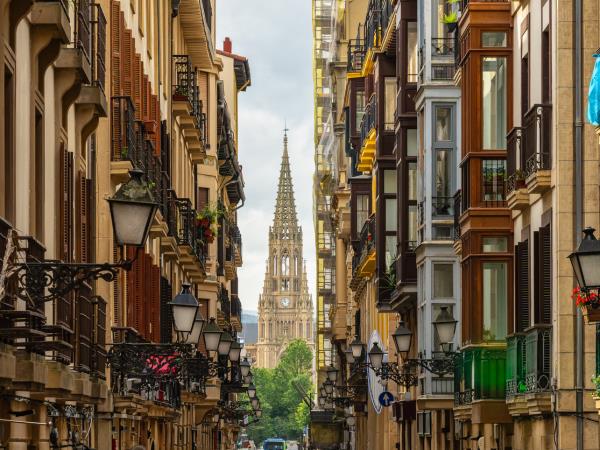
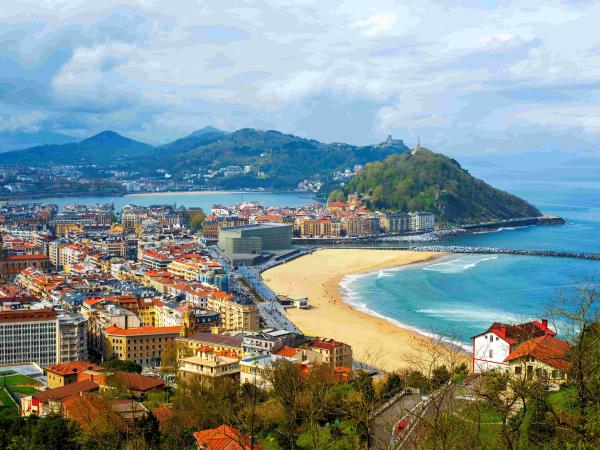
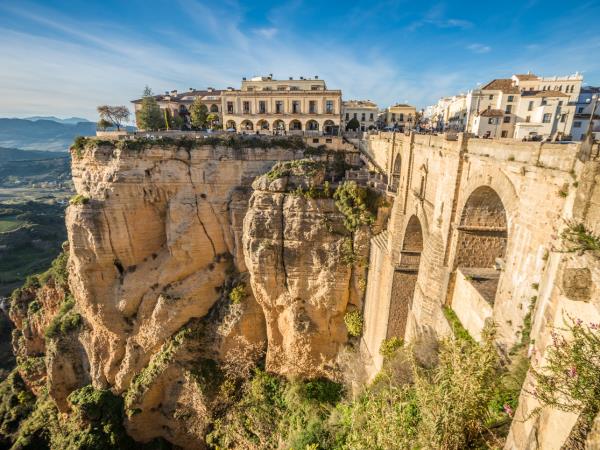
LOCAL ECONOMY This itinerary supports a range of locally owned and locally operated accommodation providers throughout Spain and Morocco. While some international branded hotels are used in larger cities where they provide the most practical locations and facilities, several properties are locally managed establishments. Notably, the stay in Marrakech is at a traditional riad within the historic medina, a style of accommodation typically owned and operated by Moroccan families or local hospitality groups. Properties such as the Parador in Ronda also play an important role in preserving historic buildings and supporting local tourism economies. Local economic opportunities are maximised through the use of local guides and small businesses throughout the journey. Private city tours in San Sebastián, Segovia, Ronda, Tangier, Fez, and Marrakech are led by local professional guides who share their expertise and benefit directly from tourism income. Culinary experiences such as the pintxo tour in San Sebastián support small, independently owned bars and restaurants, while visits within the medinas of Fez and Marrakech introduce travelers to artisan workshops producing traditional crafts such as ceramics, woodwork, leather goods, and textiles. These visits help sustain centuries old skills and provide direct economic benefit to local craftspeople and family run businesses. Meals included within the programme also prioritise local restaurants and traditional cuisine, supporting regional food producers and hospitality providers. By incorporating food experiences and guided visits within historic districts and markets, the trip channels tourism spending into local neighbourhoods and small scale enterprises rather than concentrating benefits only within large international chains. EMPLOYMENT, INCLUSIVITY AND DIVERSITY Across Spain and Morocco, the vast majority of the staff involved in delivering the trip are from the country in which the services are provided. Local guides, drivers, hospitality staff, and service providers are typically recruited directly from their local communities, ensuring tourism income supports regional employment and local livelihoods. The itinerary also supports employment and income generating opportunities within traditional artisan sectors. Visits within the medinas of Fez and Marrakech include workshops where craftspeople continue longstanding traditions in leatherwork, ceramics, metalwork, and woodworking. These sectors provide employment for skilled artisans and apprentices, helping preserve cultural heritage while sustaining local families and communities. Our operating partners in both Spain and Morocco commit to fair employment practices and pay staff at least the legal minimum wage in their respective countries, with many experienced guides and drivers earning above minimum wage due to their specialist knowledge and professional qualifications. Workplace diversity and inclusivity are important principles for both us and our local partners. Employment decisions are made without discrimination based on gender, nationality, religion, or sexual orientation, and local teams often reflect the diversity of the regions in which they operate. This trip is generally welcoming to LGBTQ+ travelers, particularly in Spain where social attitudes and legal protections are strong. In Morocco, cultural attitudes are more conservative and discretion is advised, but travelers are welcomed respectfully and professionally throughout the programme. Due to the nature of the destinations visited, including historic medinas with uneven surfaces, narrow streets, and steps, the itinerary may present challenges for travelers with limited mobility. While the programme is suitable for most active travelers who are comfortable walking for periods of time, it may not be ideal for guests with significant mobility limitations. Where possible, guides will provide assistance and adjust pacing to ensure a comfortable experience for the group.Popular similar vacations
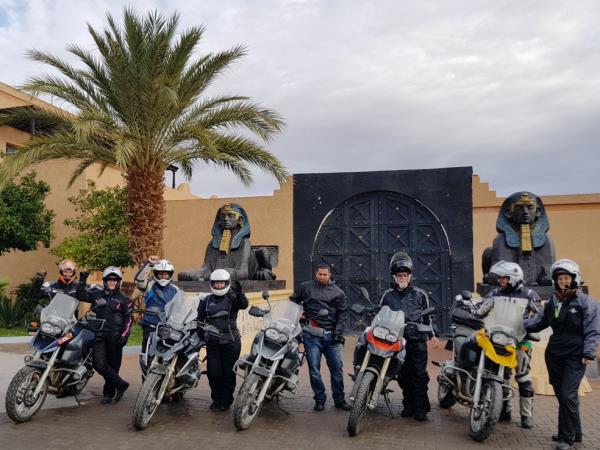
Motorcycle tour of Morocco & Southern Spain
From €4179 15 days excluding flights
Ride the famous hair pins curves of Southern Spain & Morocco
Spain and Morocco vacation
From €3000 16 days excluding flights
A seamless and immersive trip from Madrid to Marrakech