Nairobi to Dar Es Salaam 2 week tour
Price
£1845To£1945 excluding flights
Duration
14 days
Countries
Kenya, Tanzania
Type
Small group
More info
Please note there is an additional local payment payable at the start of the trip in US Dollars cash: $320
Last minute
Late availability on these dates: 18 Oct

Description of Nairobi to Dar Es Salaam 2 week tour
Map

Price information
£1845To£1945 excluding flights
Please note there is an additional local payment payable at the start of the trip in US Dollars cash: $320
Check dates, prices & availability

Travel guides
Jump aboard our Africa overland travel guide and pretty soon you’ll learn just what overlanding entails and whether it's for you.
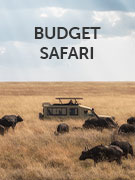
Our guide will bag you a bargain and help find out whether a budget safari is right for you.
Vacation information
THIS TYPE OF TRIP:
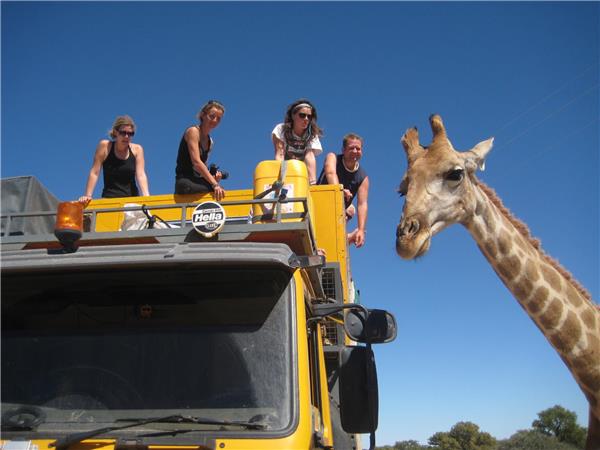
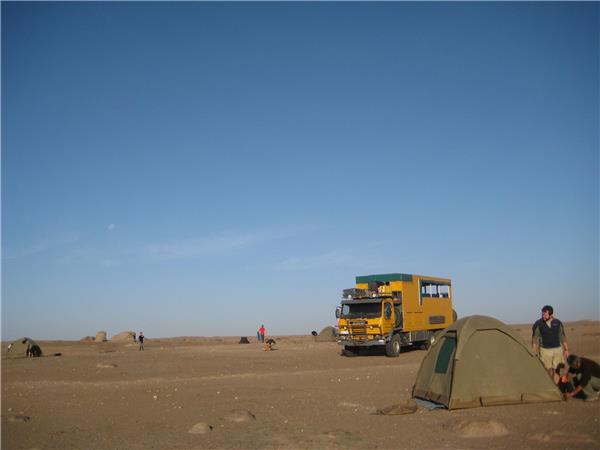
This is an overland adventure trip on our own purpose built overlanding vehicles. Trips are run on a participatory basis – you’ll be involved in the day to day running of the trip and have fun helping to cook for the group. Expect to sometimes get dusty and dishevelled and not to be able to have hot showers every night.
GROUP SIZE:
On most of our adventures our vehicles can carry a maximum of 22 to 24 travelers, the average however is around 12-18 on any one trip. There will be 2 crew members per group.
ACCOMODATION:
Accommodation is predominantly camping, though there may be opportunities to upgrade this locally where rooms are available.
FITNESS LEVEL:
A positive attitude and an open mind are probably more important than being physically fit. We expect you to help with day to day tasks such as cooking and cleaning the truck interior, but any person that leads a normal, active life should be able to cope.
LOCAL PAYMENT:
This is a pre-determined amount which covers the cost of your trips day to day expenses such as food, local guides, firewood, gas, some entrance fees to certain sites and game parks, accommodation etc. It goes towards a variety of services which your Tour Leader pays for in cash, direct to local people on the ground as international money transfers can be expensive and problematic. This helps reduce the overall price of the trip which in turn passes cost savings onto you.
Responsible Travel
As the pioneers of responsible tourism, we've screened this (and every) vacation so that you can travel knowing we've worked to maximise the benefits of your vacation to local people and places, and minimise any negative impacts.
Planet
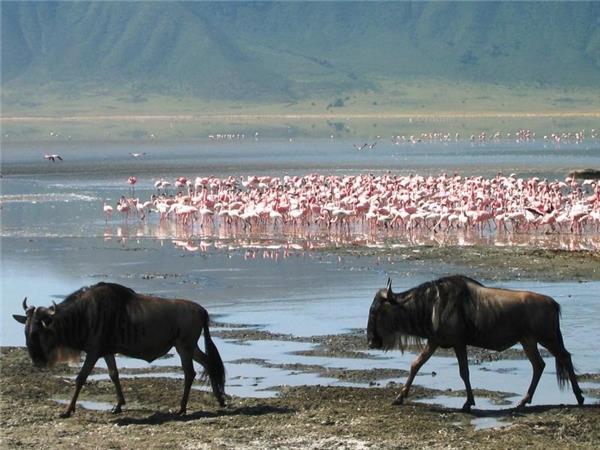
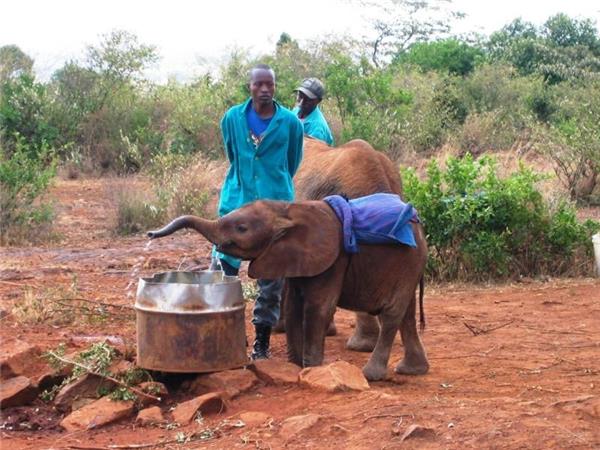
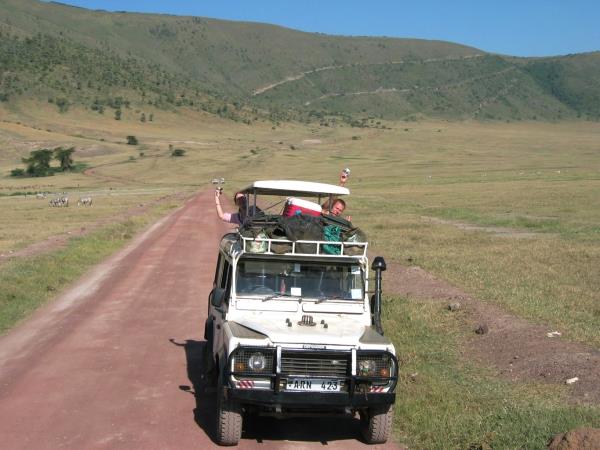
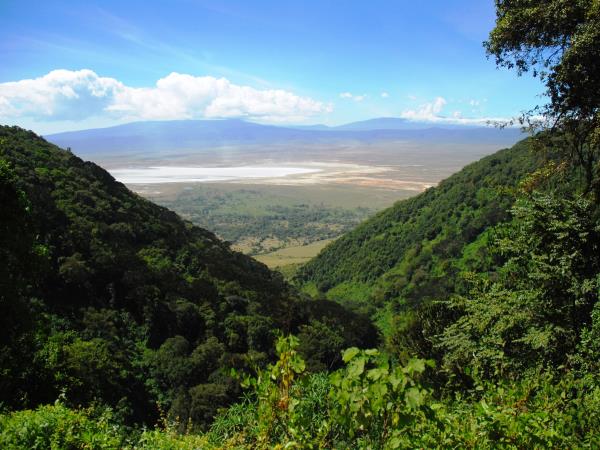
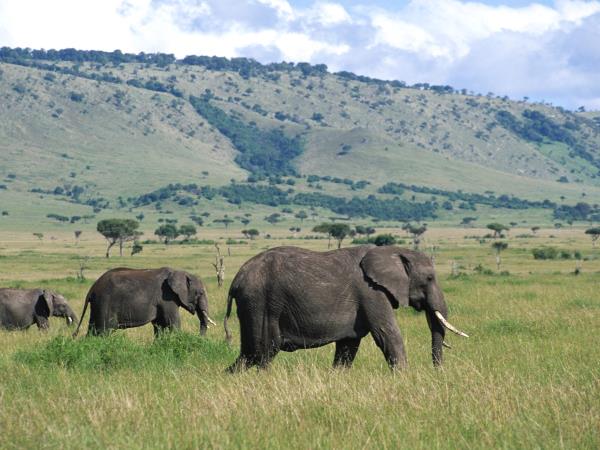
Water: Before traveling on any of our trips all of our travelers are supplied with detailed pre-departure information which includes information on traveling responsibly. Water conservation is one of the key elements of this. We encourage our travelers to bring a reusable water bottle from home and to fill it using purified water supplied on our expedition vehicle, rather than purchase plastic water bottles. The water we carry with us in jerry cans is used for drinking, cooking and washing (on occasions). The jerry cans have to be filled on route and we find that filling and carrying them helps focus the mind on the importance of water conservation!Wildlife: There is plenty of opportunity on this trip for wildlife viewing-from the open plains of the Serengeti, to the unique Ngorongoro Crater. We ensure that all our travelers adhere to National Parks guidelines on responsible game viewing-for example not encouraging guides to get too close to the wildlife, not making loud noises, and disposing of food and litter inappropriately etc. In Nairobi, we sponsor an orphaned elephant, Kamboyo, at the David Sheldrick Wildlife Trust.
Part of the money paid for many of the wildlife viewing experiences on this trip goes towards the conservation/ protection of the animals and their habitat. This trip does travel through a variety of natural habitats and we are very aware that we need to respect these.
As responsible travelers, we recognize the need to reduce our plastic consumption and provide sustainable alternatives to our customers. That's why we've partnered with Water to Go to offer a fantastic solution.
Water to Go is a company on a mission to tackle the issue of plastic pollution by providing travelers with reusable filter bottles. These bottles are not your average water containers. They are designed with advanced filtration technology that allows you to safely refill your bottle from natural water sources, taps, and even in places where tap water is not typically considered safe to drink.
People
Volunteering and Charity: As a company we recognise that we are very fortunate to visit the destinations that we do and to be able to introduce these destinations to our travelers. Although we try to spend as much of the trip costs locally as possible and choose to support small suppliers on the way-small locally run campsites, restaurants and suppliers rather than big multi-national chains we know that some local people will rarely benefit from tourist income. To this end, we have a number of charities that we support across our area of operation. In Arusha, for example, we stay at the Meserani Snake Park and Camp site. This campsite has set up a health clinic and school for the local community which it funds from it's income from travelers.Local Crafts and Culture: We visit a number of local artisan/craft markets during this tour and encourage our travelers to support these. In our detailed pre-departure information we also provide information on bargaining responsibly and paying what you think the item is worth, rather than trying to bargain as low as possible. The difference of a pound or two to us is minimal but for a local artisan it could mean the difference between their family eating or not that night.
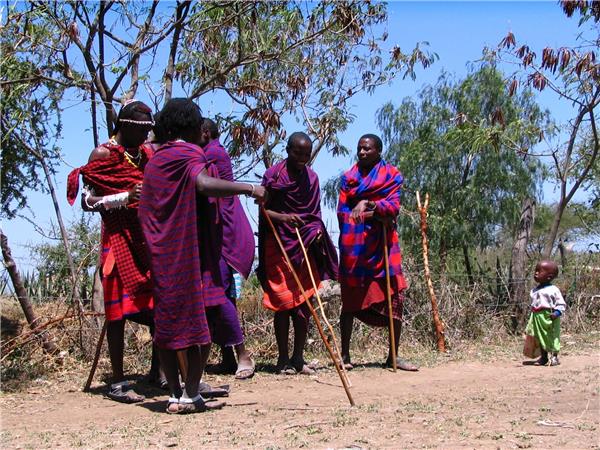
There is also the option to visit a number of cultural attractions en route, including a Maasai village and cultural center. Local villagers act as guides and also use the opportunity to produce local crafts to sell.
Popular similar vacations
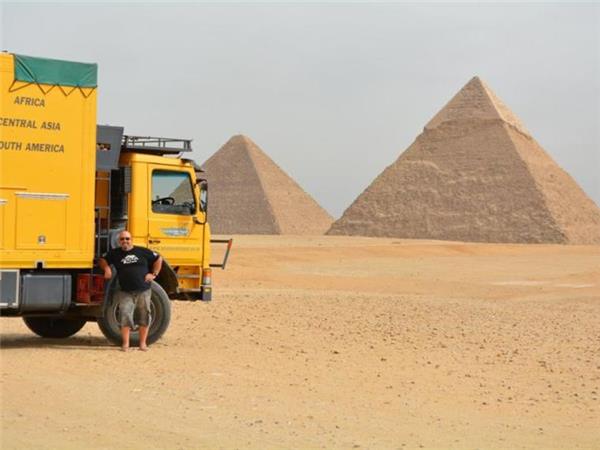
Complete Africa overland expedition, 47 weeks
From £10995 - £11495 331 days excluding flights
The ultimate Trans African overland camping adventure
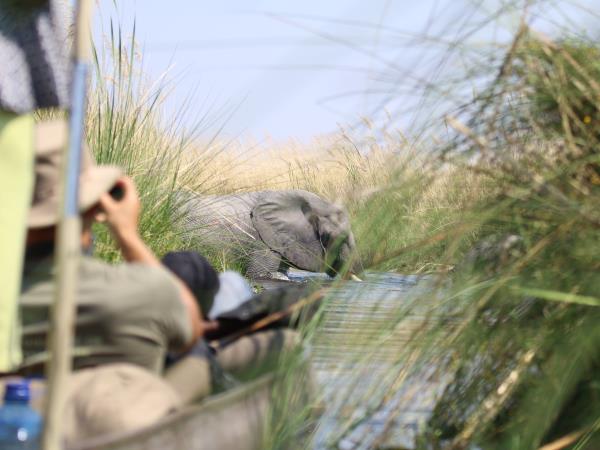
Namibia and Botswana camping safari
From US $3365 - US $3595 21 days excluding flights
Camping safari to Namib desert, Caprivi, Etosha & Okavango
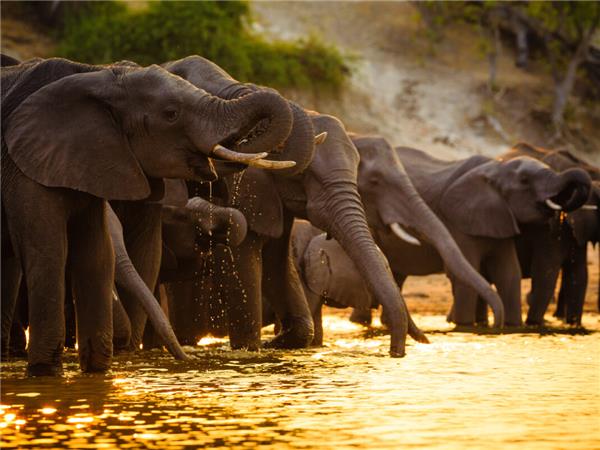
Vic Falls to Cape Town vacation in Southern Africa
From US $3885 - US $4730 20 days excluding flights
A spectacular and diverse African journey