Thailand and Laos on a shoestring vacation
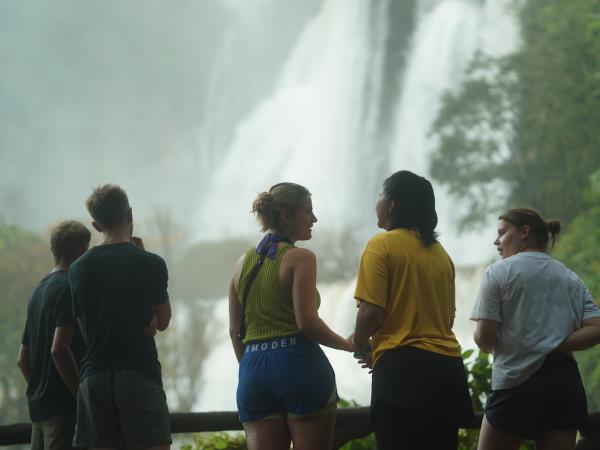
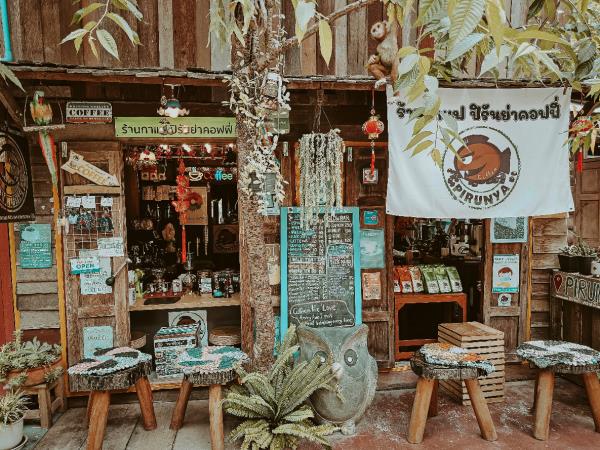
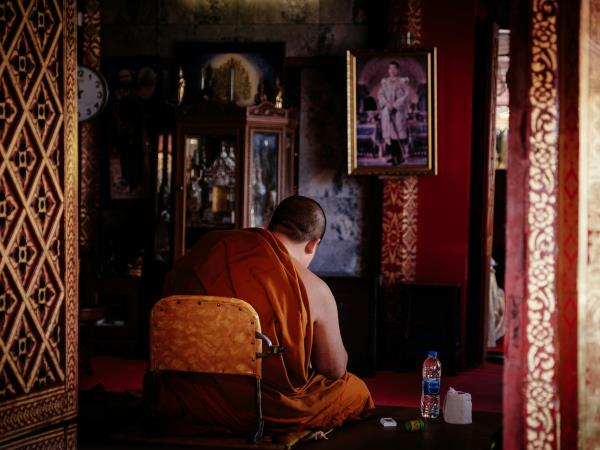

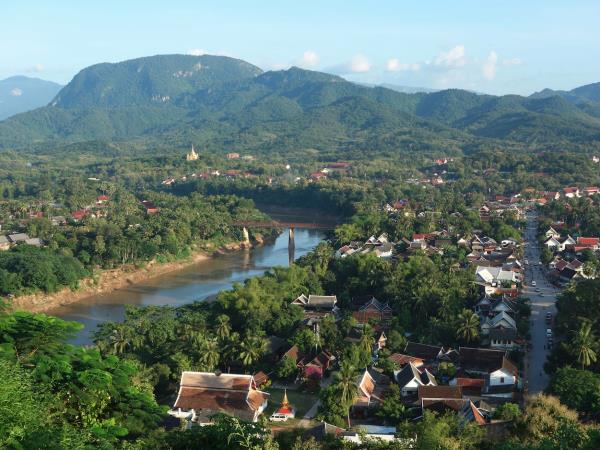
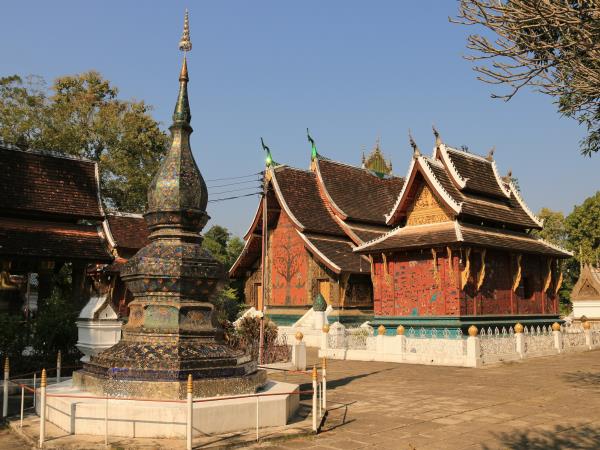
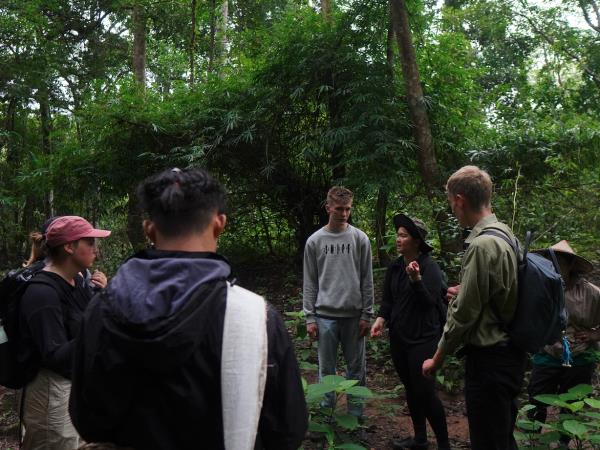
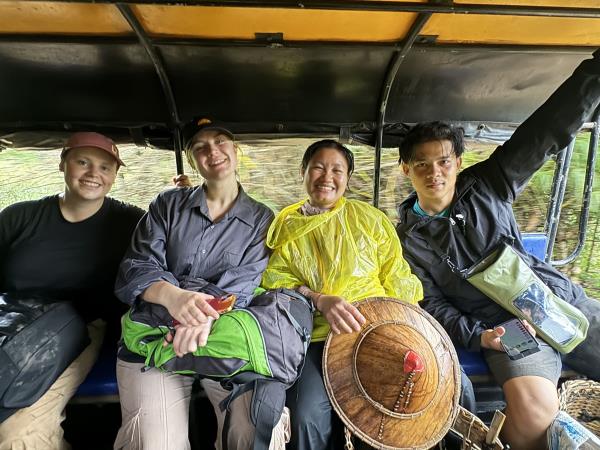
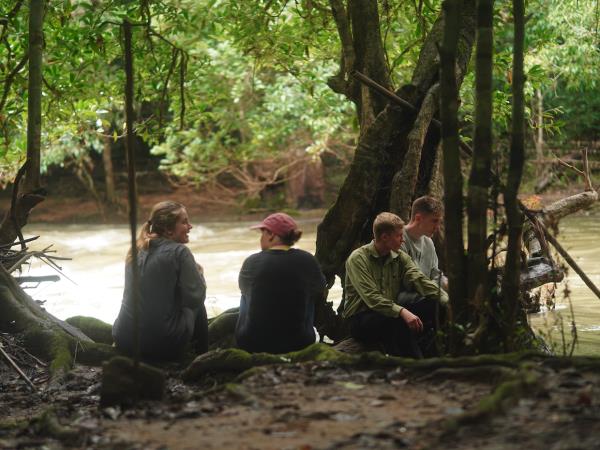
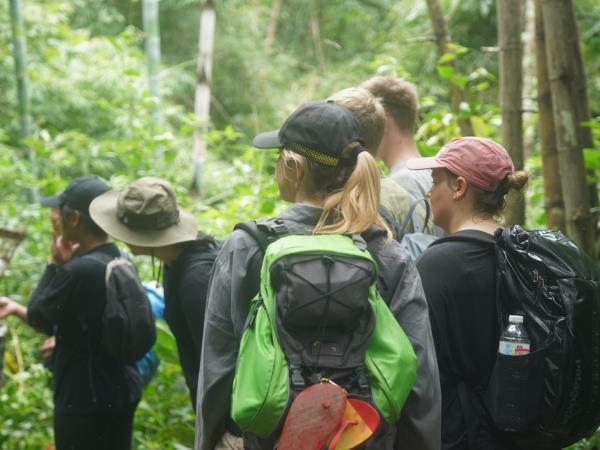
This Thailand and Laos on a shoestring vacation takes in must-see destinations from Bangkok and Chiang Mai to Luang Prabang and Vientiane. The small group tourt also features several awesome experiences like elephant tracking and river rafting.
Bangkok Mae Sot Karen village homestay Track wild elephants in the forest Easy river rafting Swim beneath a waterfall! Camp overnight in the forest Free time in Chiang Mai Chiang Khong Take the public slow boat to Pakbeng Cruise down the Mekong River to Luang Prabang Vientiane Take the sleeper train back to Bangkok
Price
£900 excluding flights
Duration
16 Days
Countries
Laos, Thailand
Type
Small group
More info
What’s included:
ACCOMMODATION - 2 nights in a Simple Homestay, 1 night in a Camping Tent,1 Standard Room in Mae Sot, Chiang Mai, Chiang Khong, Pakbeng, Luang Prabang and Vientiane.
MEALS - 13 Breakfasts, 4 Lunches, 4 Dinners.
MEALS - 13 Breakfasts, 4 Lunches, 4 Dinners.

Description of Thailand and Laos on a shoestring vacation
Price information
£900 excluding flights
What’s included:
ACCOMMODATION - 2 nights in a Simple Homestay, 1 night in a Camping Tent,1 Standard Room in Mae Sot, Chiang Mai, Chiang Khong, Pakbeng, Luang Prabang and Vientiane.
MEALS - 13 Breakfasts, 4 Lunches, 4 Dinners.
MEALS - 13 Breakfasts, 4 Lunches, 4 Dinners.
Check dates, prices & availability

Travel guides

Under 40s vacations have transformed, and now you can travel across the globe.

Away from the Full Moon parties and bawdy bars, there are national forests protecting an array of Southeast Asian wildlife.
Responsible Travel
As the pioneers of responsible tourism, we've screened this (and every) vacation so that you can travel knowing we've worked to maximise the benefits of your vacation to local people and places, and minimise any negative impacts.
Planet
CARBON REDUCTIONNo Flights: All 16 days are overland: bus and songthaew in Thailand, the public slow boat down the Mekong, the train from Luang Prabang to Vientiane and the overnight sleeper train from Vientiane back to Bangkok. Per passenger, these produce lower emissions than flying the same routes.
Shared and Public Transport: Songthaews, buses and the Mekong slow boat are shared with other travelers and local passengers.
On Foot and on the River: Jungle trekking, elephant tracking and rafting in Umphang are done on foot or by raft, not in motorised vehicles.
Local Food: Meals in Palatha are cooked by host families, and elsewhere we point you to local restaurants and market stalls.
ENVIRONMENT AND WILDLIFE
Mahouts Elephant Foundation: We work with the Mahouts Elephant Foundation, which relocates elephants back into the forest around Palatha. You observe the elephants in the forest alongside the foundation's mahouts.
Homestays, Camping and Hostels: You stay with Karen host families in Palatha, camp one night by Ko Tha waterfall, and use hostel dorms in Chiang Mai, Luang Prabang and Vientiane.
National Park Fees Included: Entrance fees for Umphang National Park and the waterfalls are included and paid to the park.
People
LOCAL ECONOMYLocally Owned Accommodations: The trip includes stays in locally owned accommodations, including guesthouses and hostels. This supports local entrepreneurs and ensures that the benefits of tourism are directly felt by the local communities. The homestays in Umphang offer an authentic experience, where visitors interact with the Karen people and contribute to the local economy.
Maximizing Local Economic Opportunities: The trip supports the local economy by employing local guides, drivers, and hosts. Additionally, visitors are encouraged to buy souvenirs from local artisans and visit local markets, ensuring that the financial benefits of tourism stay within the community.
EMPLOYMENT, INCLUSIVITY AND DIVERSITY
Local Employment: The majority of staff employed throughout the trip, including guides, drivers, and hotel personnel, are from the local communities in both Thailand and Laos. This ensures that the trip provides meaningful employment opportunities and supports the local economy.
Inclusive Employment: The trip provides income-generating opportunities for marginalized groups, such as women and indigenous people. For example, women are employed in local guesthouses and handicraft production, where they can earn a fair wage and contribute to the economic development of their communities.
Popular similar vacations
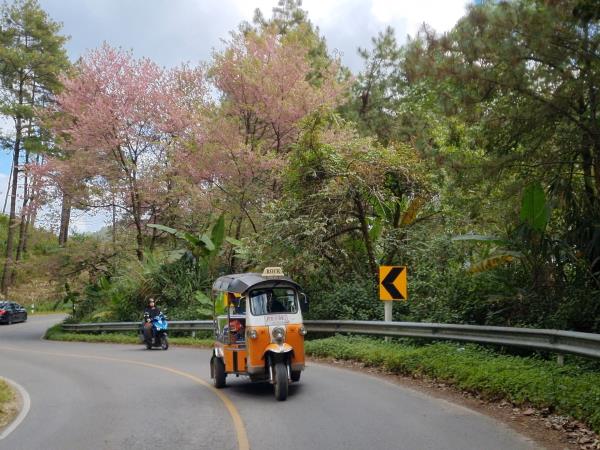
Self drive Tuk Tuk adventure vacation Thailand
From £1595 - £1895 11 days excluding flights
A Tuk Tuk Adventure in the stunning mountains of Thailand
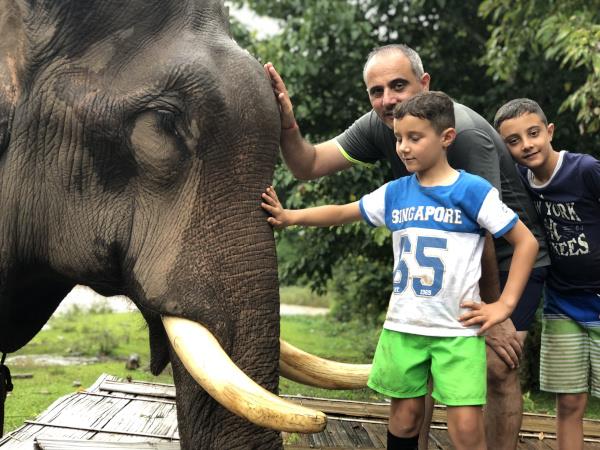
Thailand family adventure vacations
From US $2180 14 days excluding flights
Elephant encounters, jungle treehouses and stunning islands
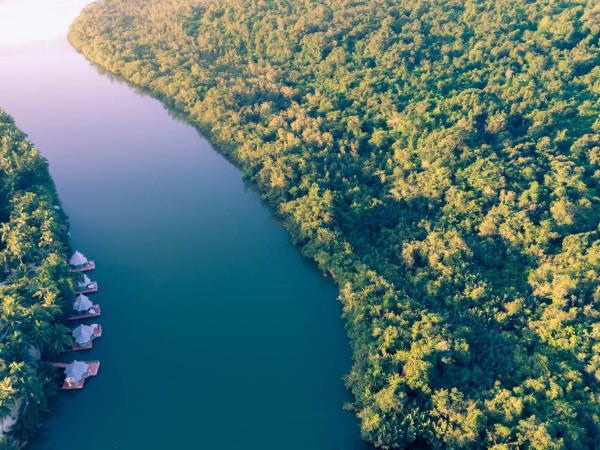
Thailand countryside tour, rivers & reef by train
From US $5600 - US $6000 15 days excluding flights
Scenic bespoke train vacation through Thailand