Tanzania northern circuit safari vacation
Price
£3535 including domestic flights only
More info
Price includes accommodation and meals as listed.
Price is per person and is based on a group of 4 people on the trip.
Price is per person and is based on a group of 4 people on the trip.

Description of Tanzania northern circuit safari vacation
Price information
£3535 including domestic flights only
Price includes accommodation and meals as listed.
Price is per person and is based on a group of 4 people on the trip.
Price is per person and is based on a group of 4 people on the trip.
Departure information
This trip can be tailor made throughout the year to suit your requirements
Travel guides
The Serengeti is the world’s greatest wildlife stage, with no prologue necessary, because here you go straight to the drama.
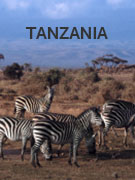
Tanzania plays host to some of Africa's most iconic sights: the plains of the Serengeti and the Wildebeest Migration.
Vacation information
Diet:
We can cater for vegetarians on this vacation. Sadly we cannot offer vegan food.
Reviews
1 Reviews of Tanzania northern circuit safari vacation
5 out of 5 stars
Reviewed on 05 Feb 2026 by Darren Burge
1. What was the most memorable or exciting part of your vacation?
A pair of Carmine bee eaters, following and swooping around our vehicle, catching the bugs we disturbed whilst trundling along. Large bull elephant chomping on the lush vegetation aroung our chalet.
2. What tips would you give other travelers booking this vacation?
Travel light, make good use of the excellent included laundry service. Take small torches. Carry a camera at ALL times. Even moving between tent and dinning room can reveal some extraordinary experiences.
3. Did you feel that your vacation benefited local people, reduced environmental impacts or supported conservation?
Hopefully the majority of staff, guides and Masai are local. Enviromental impact is reduced by solar power and several other measures, but still more work to be done. We felt both camps supported conservation even if the government seems determined to increase the pressure on wildlife with bigger airstrips encouraging lots of day trippers.
4. Finally, how would you rate your vacation overall?
We enjoyed our vacation. The camps were nice and quiet. Both camps were very good as were all the staff. It would have been nice to find something to do on arrival at Dar domestic airport. We had a 4 hour wait for our flight and there is very little on offer.
Responsible Travel
As the pioneers of responsible tourism, we've screened this (and every) vacation so that you can travel knowing we've worked to maximise the benefits of your vacation to local people and places, and minimise any negative impacts.
Planet
CARBON REDUCTIONThis itinerary is structured around a single continuous overland circuit through Northern Tanzania, reducing the need for domestic flights between safari regions. Travel is conducted in a private 4x4 safari vehicle with an expert guide, which consolidates all game drives and transfers into one shared transport system rather than multiple independent vehicles or internal flight segments.
The route follows a logical geographic progression through Tarangire, Ngorongoro, Serengeti and Grumeti, avoiding backtracking and unnecessary mileage between parks. This linear design helps reduce total fuel consumption compared with itineraries that repeatedly return to Arusha between regions.
Multi-night stays in each location, particularly within the Serengeti and Grumeti concessions, reduce daily packing and relocation, limiting short-distance transfers that cumulatively increase emissions. Once inside the parks, all wildlife viewing is conducted from a single base or within defined concession areas, further reducing driving distances.
Accommodation is selected in part for its small-scale footprint and reliance on solar energy systems**, which reduces dependence on diesel generators for day-to-day operations. Many camps used on this route operate off-grid, using solar power for lighting and water heating where possible, lowering ongoing energy emissions in remote environments.
While international travel to Tanzania represents the largest share of emissions for this itinerary, the in-country structure prioritises efficient routing, shared vehicle use, reduced internal flying, and lower-impact accommodation systems, helping to minimise additional carbon output once in destination.
ENVIRONMENT AND WILDLIFE
This itinerary travels through some of East Africa’s most significant conservation landscapes, including **Tarangire National Park, the Ngorongoro Conservation Area, Serengeti National Park and the Grumeti Game Reserve**, all of which are managed under protected status with regulated tourism access.
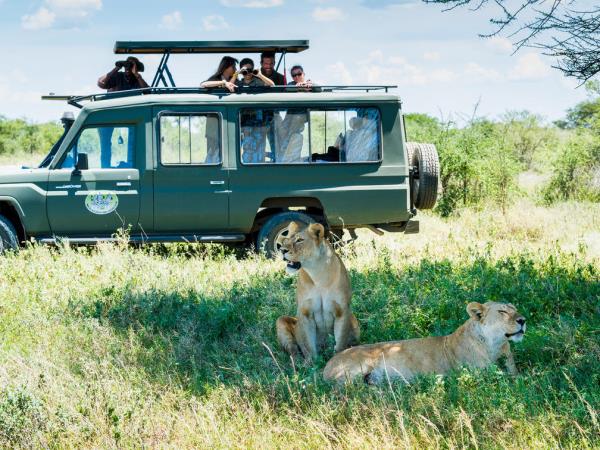
In Tarangire National Park, game drives take place on designated road networks only, helping to protect seasonal wetland ecosystems and elephant migration corridors. The park is known for its large elephant populations and ancient baobab trees, both of which are safeguarded through controlled visitor access and park management regulations.
The Ngorongoro Conservation Area operates a dual land-use model, where wildlife conservation coexists with Maasai pastoralist communities. Visitor movement is regulated within the crater, with strict vehicle limits and designated routes to reduce erosion and minimise disturbance to resident species such as black rhino, lion and buffalo.
The Serengeti ecosystem, one of the most important wildlife landscapes in the world, is protected through national park status and surrounding conservation zones. Game viewing is carefully managed through regulated off-road restrictions and controlled vehicle densities, particularly in high-use areas such as central Serengeti.
In Grumeti Game Reserve, tourism operates within a private concession model, which allows for stricter visitor controls and a lower density of vehicles. This enables more flexible wildlife viewing practices, including low-impact night drives and walking safaris under guided supervision, while still maintaining conservation oversight through concession agreements.
Across all locations, park fees and concession revenues directly support anti-poaching operations, wildlife monitoring, habitat management and long-term ecological research programmes. This includes protection of key species such as lion, elephant, leopard and critically endangered black rhino populations in the Ngorongoro region.
Accommodation throughout the itinerary is generally small-scale and designed to operate within fragile ecosystems. Many camps use solar power systems, controlled water usage and structured waste management processes, including removal of waste from remote areas where disposal infrastructure is limited.
This combination of protected landscapes, controlled access and conservation-linked tourism ensures that visitor activity contributes directly to the long-term protection of Tanzania’s northern safari ecosystem.
People
LOCAL ECONOMYThis itinerary supports a regionally distributed tourism economy across northern Tanzania, rather than concentrating spend in a single destination. Accommodation, guiding and logistics are spread across national parks, conservation areas and private reserves, ensuring that tourism revenue benefits multiple communities and operational partners.
The use of a private safari vehicle and dedicated driver-guide team ensures consistent employment across the full duration of the itinerary, with staff based within Tanzania’s established safari industry. These roles are long-term positions within the tourism sector, supporting both driving expertise and wildlife interpretation skills.
Spending is directed through park fees, concession payments and accommodation partnerships, all of which contribute financially to conservation authorities and land management bodies. In areas such as Ngorongoro and Serengeti, these revenues are an important part of the funding model for protected area management.
Local procurement is used wherever possible within lodges and camps, including food sourcing from regional suppliers around Arusha, Karatu and surrounding agricultural zones. This supports Tanzania’s domestic supply chains, particularly small-scale farming and food distribution networks.
The inclusion of Grumeti Game Reserve ensures that tourism spend also supports **private conservation initiatives funded through concession agreements**, which reinvest revenue into habitat protection and wildlife monitoring across the western Serengeti corridor.
EMPLOYMENT, INCLUSIVITY AND DIVERSITY
Employment across this itinerary is heavily rooted in Tanzanian-led guiding, driving and hospitality roles, with safari guides forming a core part of the experience. These guides are typically trained within Tanzania’s national guiding framework and bring detailed knowledge of wildlife behaviour, ecosystems and cultural context.
Across camps and lodges, staff roles include hospitality teams, cooks, maintenance crews and wildlife trackers, most of whom are recruited locally or regionally. This creates a broad employment base across rural and semi-rural areas, where tourism is one of the primary formal employment sectors.
In conservation areas such as Ngorongoro, tourism also intersects with Maasai pastoralist communities, where land-sharing arrangements support both traditional grazing practices and wildlife protection. This model enables continued cultural land use alongside conservation-focused tourism.
In private reserves such as Grumeti, employment extends into specialist conservation roles, including wildlife monitoring, anti-poaching patrol support and ecosystem management, funded directly through tourism revenue.
The small-group, private-vehicle structure of this itinerary ensures that guest numbers remain manageable across all destinations, reducing pressure on local infrastructure and enabling more balanced interaction between visitors, guides and community partners.
By linking protected area fees, concession agreements and local employment structures, this itinerary helps ensure that tourism supports both conservation outcomes and sustainable livelihoods across northern Tanzania’s key wildlife regions.
Popular similar vacations
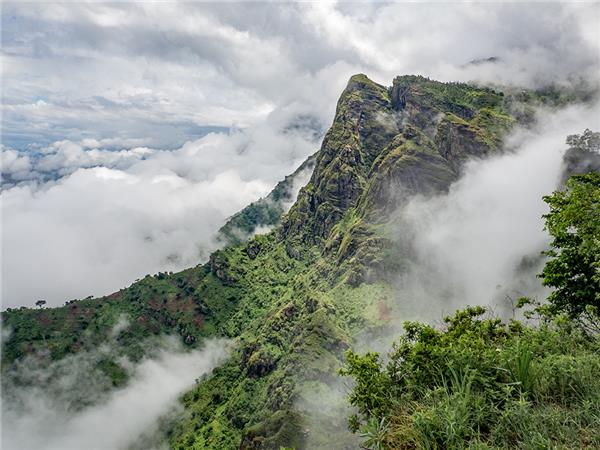
Tanzania small group safari
From US $2236 - US $3030 12 days excluding flights
Experience the beauty of Africa from Nairobi to Zanzibar
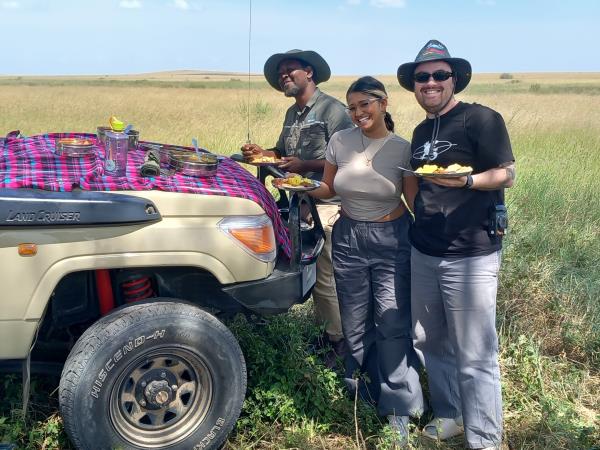
Serengeti vacation in Tanzania, the big five
From US $2570 - US $3500 5 days excluding flights
The best National parks of Tanzania northern circuit
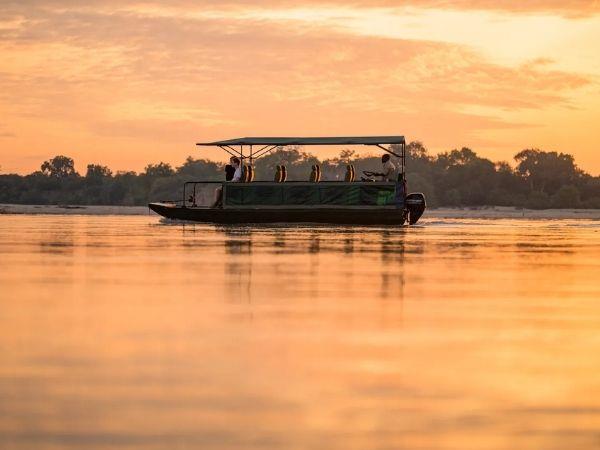
Tanzania safari and Zanzibar beach vacation
From £3360 11 days excluding flights
Discover southern Tanzania, then relax beside the sea