Japan hot springs honeymoon
Price
£9896 excluding flights
Duration
9 Days
Type
Tailor made
More info
International flights, meals not specified, single supplements and optional activities are excluded.

Description of Japan hot springs honeymoon
Price information
£9896 excluding flights
International flights, meals not specified, single supplements and optional activities are excluded.
Departure information
This trip can be tailor made throughout the year to suit your requirements
Travel guides
This guide reveals not only the most exquisite places to visit in terms of natural and cultural heritage, but also the ways to visit them in style...
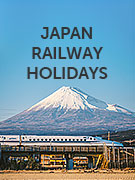
Traveling between Tokyo, Kyoto and the Japanese Alps by train is easy, fast and unmissable.
Responsible Travel
As the pioneers of responsible tourism, we've screened this (and every) vacation so that you can travel knowing we've worked to maximise the benefits of your vacation to local people and places, and minimise any negative impacts.
Planet
CARBON REDUCTIONThis itinerary is based around multi-night stays in four key locations (Kyoto, Yamanaka Onsen, Tokyo and Hakone), reducing the need for daily transfers and limiting transport-related emissions within Japan.
Rail is used as the primary form of long-distance transport between regions, including Japan’s high-efficiency bullet train network, which offers a lower-emission alternative to domestic air travel for intercity journeys.
Once in each destination, travel is minimal and typically conducted on foot or via short local transfers, reducing daily fuel use and keeping movement concentrated within compact urban or regional areas. While international flights account for the majority of emissions on this itinerary, the structure of the trip helps minimise additional in-country transport impact.
ENVIRONMENT AND WILDLIFE
The itinerary focuses on established cultural and urban environments in Kyoto, Tokyo and Hakone, alongside rural onsen regions such as Yamanaka. Activities are based within existing tourism infrastructure, avoiding pressure on sensitive natural habitats or undeveloped landscapes.
In Hakone, visits to volcanic landscapes and geothermal zones are carefully managed through designated pathways and viewing areas, helping to protect fragile terrain formed by ongoing geothermal activity. In rural onsen areas, hot spring resources are carefully regulated and shared between accommodation providers to ensure sustainable water use.
Accommodation includes traditional ryokan and boutique hotels that typically operate with seasonal menus, local sourcing and controlled energy use, reflecting Japan’s broader emphasis on resource efficiency and seasonal living.
Wildlife interaction is not a feature of this itinerary, which reduces direct impact on natural ecosystems and keeps the focus on cultural landscapes rather than biodiversity pressure points.
People
LOCAL ECONOMYThis itinerary supports a wide range of independent Japanese businesses, including family-run ryokan, local guides, traditional restaurants, and artisan food producers. Spending is distributed across both urban centers and rural onsen regions, helping to support smaller economies outside major city hubs.
In Kyoto and Kanazawa, visits include long-established cultural districts where small shops, tea houses and craft businesses form an important part of the local economy. In Yamanaka Onsen, tourism directly supports a rural hospitality network that relies on seasonal visitors to sustain traditional inns and local food suppliers.
Meals and food experiences are based on regional ingredients and locally prepared dishes, supporting Japan’s domestic agricultural and fishing supply chains rather than imported goods.
________________________________________
EMPLOYMENT, INCLUSIVITY AND DIVERSITY
This itinerary relies on locally employed guides, hospitality staff, and cultural practitioners throughout Japan, ensuring that interpretation and service delivery remain rooted in local expertise.
In Kyoto, cultural experiences such as tea ceremonies and temple visits are delivered by trained local practitioners who preserve and share traditional skills. In rural onsen regions, ryokan staff maintain long-standing hospitality traditions that are central to Japan’s cultural identity and provide stable employment in less urbanised areas.
The itinerary also engages a diverse range of small-scale employers, from independent chefs and cooking instructors to market vendors and craft specialists, supporting a broad spectrum of roles within Japan’s tourism and cultural sectors.
The structure of the trip, with longer stays in each location, helps reduce pressure on local services and allows for more balanced interaction between visitors and host communities
Popular similar vacations
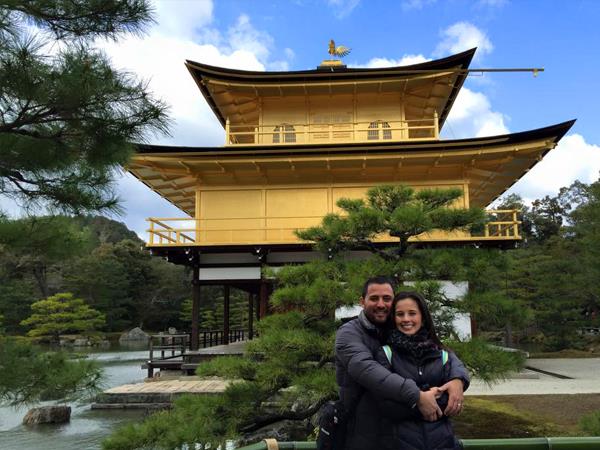
Classic Japan honeymoon tour
From US $3976 12 days excluding flights
Simple hotels, rustic ryokan, unforgettable honeymoon
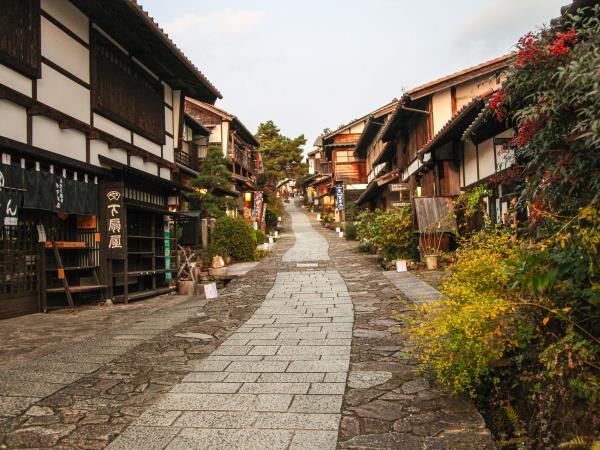
Japan self guided trekking vacation, Nakasendo Trail
From US $1135 - US $1815 5 days excluding flights
Self-guided walking along Japan’s ancient Nakasendo trail
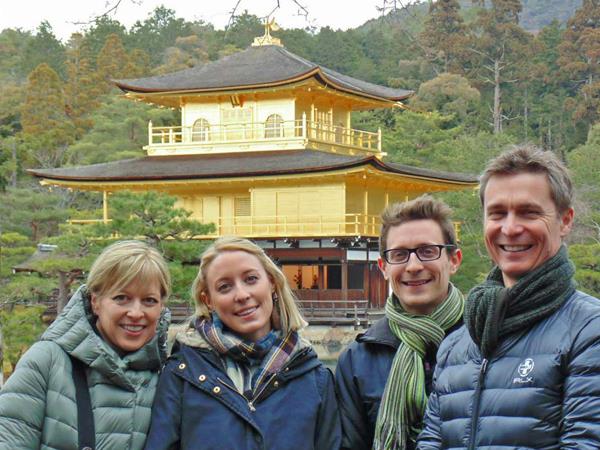
Japan golden route vacation
From US $3080 10 days excluding flights
9-night classic Japan trip: Tokyo, Fuji, Kyoto