China wildlife vacation
Price
£10995 including domestic flights only
Duration
22 Days
Type
Small group
More info
Price based on 2 pax sharing places on the group tour.
Inc.
local naturalist guides, all meals, transfers & wildlife excursions as mentioned & domestic transport (flights and high speed trains); exc.
international flights, visa, tips & drinks.
Inc.
local naturalist guides, all meals, transfers & wildlife excursions as mentioned & domestic transport (flights and high speed trains); exc.
international flights, visa, tips & drinks.

Description of China wildlife vacation
Price information
£10995 including domestic flights only
Price based on 2 pax sharing places on the group tour.
Inc.
local naturalist guides, all meals, transfers & wildlife excursions as mentioned & domestic transport (flights and high speed trains); exc.
international flights, visa, tips & drinks.
Inc.
local naturalist guides, all meals, transfers & wildlife excursions as mentioned & domestic transport (flights and high speed trains); exc.
international flights, visa, tips & drinks.
Check dates, prices & availability

Travel guides

Our China travel guide features everything from advice on food and shopping to a brief history of China.

Responsible Travel was built out of a love of solo travel, and we want to share the joy of it with you.
Vacation information
Diet:
We can cater for vegetarians on this vacation. Sadly we cannot offer vegan food.
Responsible Travel
As the pioneers of responsible tourism, we've screened this (and every) vacation so that you can travel knowing we've worked to maximise the benefits of your vacation to local people and places, and minimise any negative impacts.
Planet
In China (as with everywhere we go) we carefully choose accommodation, suppliers and transportation that either minimise their effect on the environment or that help to contribute to its sustainable development.CARBON REDUCTION
On this trip we make full use of the incredible public transport system China has developed over the last couple of decades. The vast majority of the long distance travel we need to undertake on this trip is done on the high-speed trains that crisscross the country. When we had to take a vehicle, we use one vehicle for the whole group and baggage and thus reduce the carbon emissions per person on the trip.
When in rural areas we stay in community run accommodation, often guest houses and lodges which have good environmental policies, such as rainwater capture for washing water and solar panels for electricity and heating water for showering.
A very common part of travel in rural China is the local connection to food, nearly all of the food we will eat when in rural parts of the country (which is the vast majority of the trip) the food we consume comes from the immediate surrounding areas. Local communities around national parks and natural nature reserves (particularly in Yunnan) get all of their food from local farms. Vegetarian meals can be provided easily as tofu, vegetables and mushrooms are a large part of Chinese cuisine.
ENVIRONMENT AND WILDLIFE
Our local guides have good relationships with government researchers and conservationists who study many of the species we will be looking for and so are constantly helping out with the ongoing research by providing sighting data as well as any behavioral information we observe.
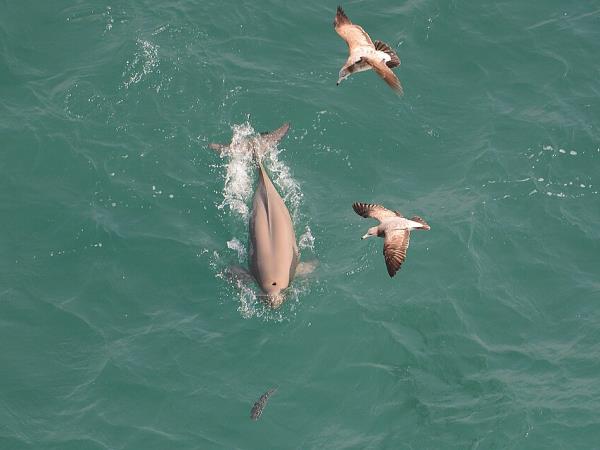
On this trip there are a couple of specific conservation projects we are directly contributing to, such as in Nanjing, the dedicated conservation efforts have turned the urban sections of the Yangtze River into a thriving sanctuary for the critically endangered Yangtze finless porpoise.
The primary local and regional conservation initiatives driving this success include:
• Habitat Protection & Dedicated Reserves: Nanjing established a provincial nature reserve specifically for the species to strictly regulate sand dredging, illegal fishing, and vessel traffic. The city also created the Yangtze Finless Porpoise City Park, a 4 km stretch of protected shoreline dedicated to ecological restoration and monitoring.
• The 10-Year Fishing Ban: Implemented in 2021, China’s strict 10-year fishing ban across the Yangtze basin has eliminated commercial fishing stress, drastically increasing local fish stocks and providing the porpoises with an abundant food supply.
• Scientific Monitoring & Rescue: The Nanjing Yangtze Finless Porpoise and Aquatic Life Conservation Association actively conducts scientific research, water quality tracking, and acoustic monitoring, alongside running dedicated emergency rescue programs for injured animals.
• Public Outreach & Global Engagement: The city has successfully mobilized the community through extensive public education. These efforts have drawn the participation of more than 300 international volunteers from over 10 countries to assist in local preservation and awareness activities.
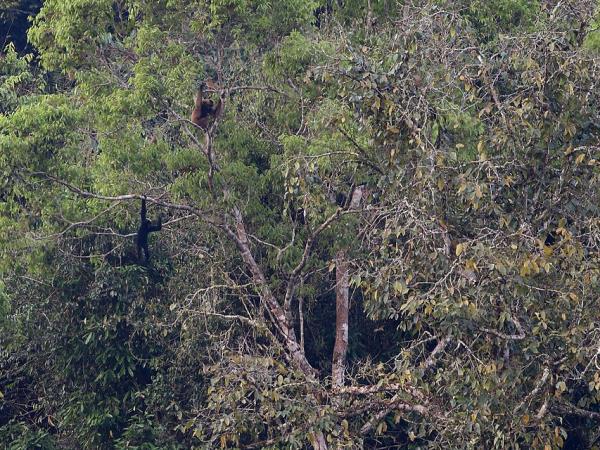
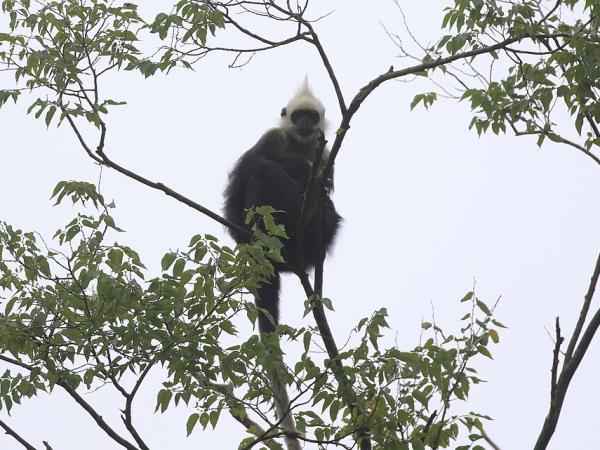
Other projects are then centered around gibbon species, such as the Skywalker hoolock gibbon in Yunnan, where the local villagers, supported by grassroots groups like the Cold Mountain Conservation NGO, have transitioned from historical hunting or farming into full-time forest rangers. Rangers meticulously track the fragmented gibbon groups, map their migratory routes, remove poachers' traps, and use pre-recorded gibbon songs to monitor their locations and ensure they are safe.
• "Gibbon-Friendly" Eco-Agriculture: Agricultural expansion (primarily coffee and tsaoko or black cardamom) has historically fragmented the gibbons' canopy habitat. Today, local authorities and farmers collaborate to transition to eco-friendly farming practices. In Baoshan, plantations like "Huke Manor" actively market sustainably grown "gibbon coffee," aligning economic livelihood with the protection of the primate's native ecosystem.
• Canopy Corridor Restoration: Because these arboreal primates strictly refuse to travel on the ground, habitat fragmentation can isolate single gibbons permanently. Local communities work alongside scientists from Sun Yat-sen University to plant native fruit and sleeping trees, rebuilding the overhead canopy bridges necessary for disparate gibbon families to connect and mate.
• Flagship Pride & Public Advocacy: Elevating the Skywalker gibbon to a regional "flagship species" has built deep local pride. Educational campaigns across mountain villages have turned the gibbons' legendary, rhythmic dawn duets into a celebrated symbol of a healthy local forest, ensuring the community actively self-polices illegal logging and poaching.
By bringing people here with our local guides we are directly contributing to these programs.
People
LOCAL ECONOMYOn this trip the accommodation we stay at in rural areas are locally owned, many of which are run by local village communities which have built up the accommodation for tourists coming to see their flagship animals. Most if the time in China this is around primates, as they attract both international and domestic tourists. On this trip, we visit several such sites in both Chonging, Guangzou, Yunnan and Sichuan.
As with any of our tours throughout Asia or elsewhere in the world we always employ local guides and drivers. We also do our best to employ as many local guides as possible, so that we can share the money from tourism around more than one regularly used guide. On this trip our drivers at different locations are local to that province, we also try and encourage the hiring of ethnically local people in each province.
This not just helps in supporting the local people with income direct from wildlife tourism but these local people often have much better local knowledge of the wildlife.
There is not much around in terms of villages or shops for local souvenirs where we are spending the majority of our trip, but when in areas where souvenirs are available we encourage the purchasing of locally made and sourced handicrafts and products.
EMPLOYMENT, INCLUSIVITY & DIVERSITY
All of the people employed as part of this trip are from China and many of the drivers we employ are from the local communities we are visiting for wildlife which in this case are indigenous peoples of Sichuan and Yunnan in particular who still live in the forested hills of these provinces.
For all of the local guides we hire we work hard to provide a genuine pathway from driver to guide, by helping educate English speaking as well as providing coaching and informal training on guiding techniques. We also donate equipment which can help in this progression in the form of binoculars, field guide books and torches.
This trip, like all of our trips, is LGBTQ+ friendly.
Nearly all of this trip is conducted from a vehicle, however some walking may be needed, to get closer to wildlife and this walking will be done on uneven ground and often in hilly and mountainous areas. So people with severe mobility issues will struggle, the trip is not wheelchair safe.
Popular similar vacations
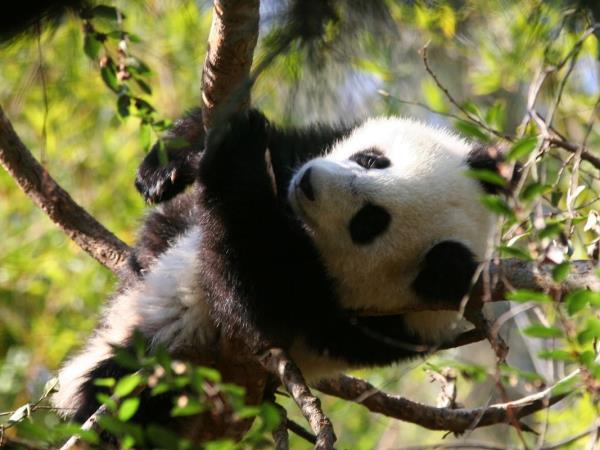
China Giant Panda and rare mammals tour
From £4250 14 days excluding flights
China's most comprehensive panda & rare mammal tour
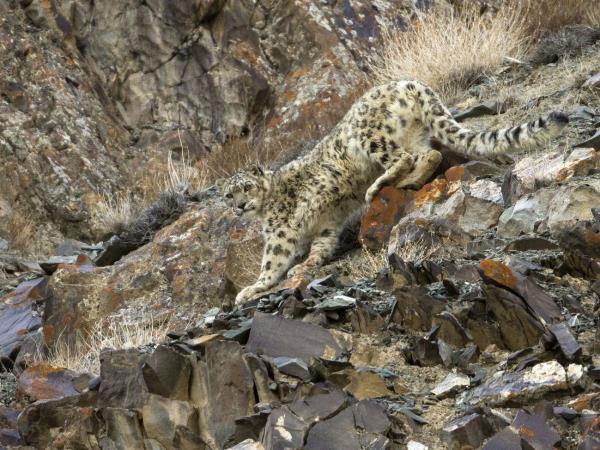
Snow leopard and wildlife vacation in China
From £4595 15 days excluding flights
Explore the Tibetan Plateau and it's incredible wildlife
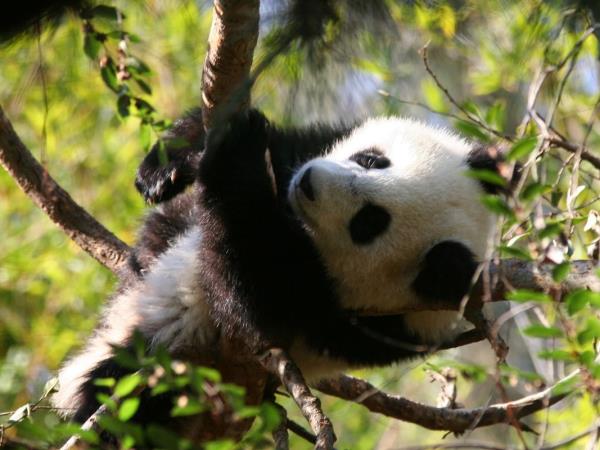
China panda tour
From £4250 - £4495 14 days excluding flights
Group ecotour to Sichuan focusing on giant panda