Southern Africa camping safari


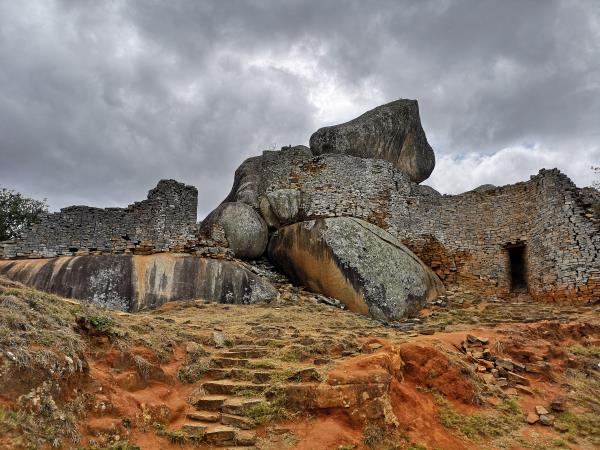
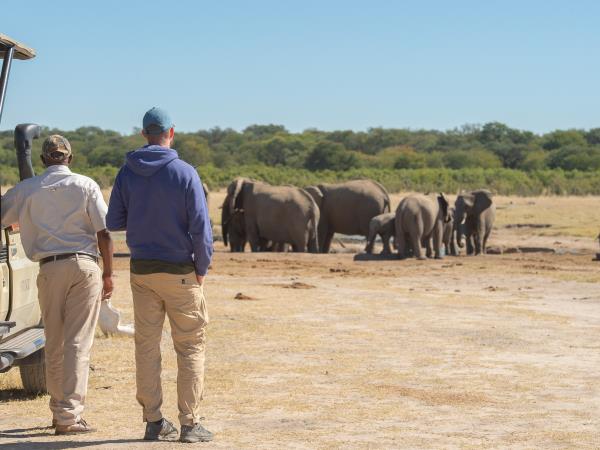
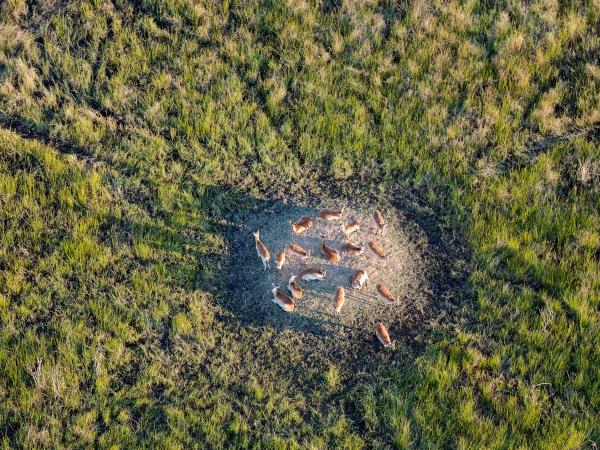
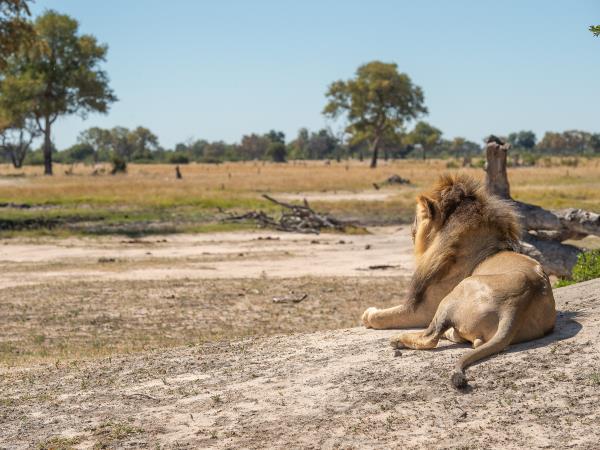
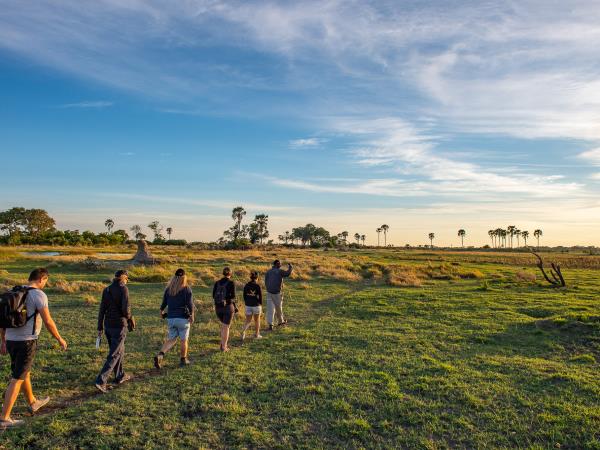
Take two weeks to explore southern Africa overland as you hike, safari and drive across Botswana and Zimbabwe via South Africa's Johannesburg and Kruger National Park.
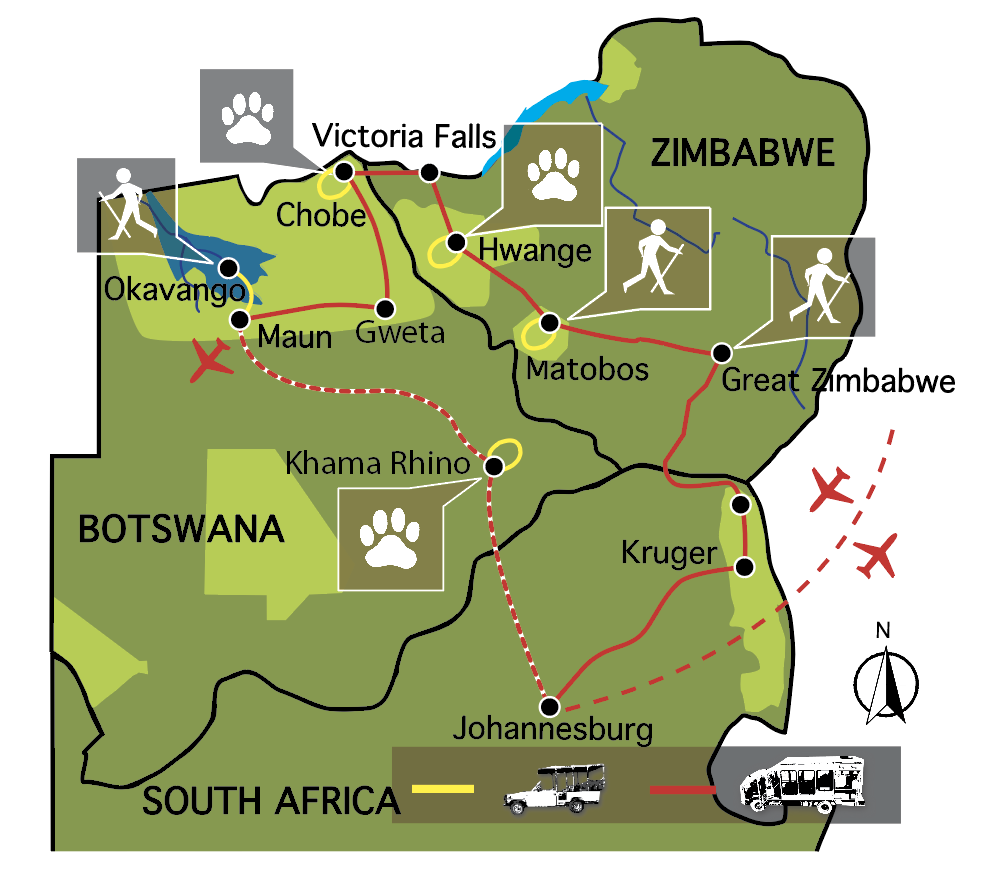
Kruger National Park Great Zimbabwe Monument Matobos National Park World’s End Bushmen’s rock paintings Hwange National Park Victoria Falls Zambezi River Chobe National Park Kasane Forest Reserve Mokoro ride on Okavango Delta Kalahari Desert Khama Rhino Sanctuary Optional safari drives in Chobe NP, white-water-rafting, bungee jumping and scenic flights over Victoria Falls
Price
US $2780excluding flights
Duration
16 Days
Countries
Botswana, South Africa, Zimbabwe
Type
Small group
Group size
Up to 12 people
Reviews
More info
15 nights camping entrance fees, camping equipment (except sleeping bag & pillow), safari transport, meals per itinerary, professional guides, Okavango Delta visit.
Single supplement US$ 217 US$ 300 local payment. Min age 12 years.
Single supplement US$ 217 US$ 300 local payment. Min age 12 years.

Description of Southern Africa camping safari
Map
Price information
US $2780excluding flights
15 nights camping entrance fees, camping equipment (except sleeping bag & pillow), safari transport, meals per itinerary, professional guides, Okavango Delta visit.
Single supplement US$ 217 US$ 300 local payment. Min age 12 years.
Single supplement US$ 217 US$ 300 local payment. Min age 12 years.
Check dates, prices & availability

Travel guides
There aren't many places you can see penguins on the beach, whales from the shore, and then go on an incredible safari.
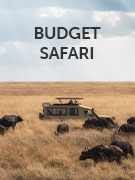
Our guide will bag you a bargain and help find out whether a budget safari is right for you.
Vacation information
'Free from' food:
We can cater for Vegans, Vegetarians, gluten free and celiac. We will just need to know this ahead of time when the bookings are being made.
LGBT:
With experience of personally guiding tours through a large number of African countries, and having previously led groups including LGBT travelers through those countries, I have not experienced any issues in accommodations or during the trip as a whole to date.
The important thing is to know the local laws and gain an understanding of local points of view before you travel – we can advise you on these and the UK Foreign office FCO also has lots of country-specific information on local laws and customs. If a country is on the conservative side, generally being careful not to openly show affection in public for example is enough to ensure a safe and enjoyable trip. All our guides are welcoming of LGBT travelers and will be happy to give advice on the trip when/where needed.
Reviews
1 Reviews of Southern Africa camping safari
4 out of 5 stars
Reviewed on 25 Oct 2018 by Babs van Eck
1. What was the most memorable or exciting part of your vacation?
The beautiful and remote camping sites were at times breathtaking. Or laying in your tent and hear the hyenas call in the distance.. Sitting in your mocoro in the morning sun or at sundown with your guide, gliding silently down waterways. How special!!!
2. What tips would you give other travelers booking this vacation?
It would be a great idea to book some extra days in the Okavango Delta since there is so much to see!
3. Did you feel that your vacation benefited local people, reduced environmental impacts or supported conservation?
During our trip we have visited projects that either benefit the local people or had conservation purposes. There were several opportunities to visit and / or donate to specific projects.
4. Finally, how would you rate your vacation overall?
We had a great crew, our vehicle was perfect, the meals where very tasteful! Lets do it again!
Responsible Travel
As the pioneers of responsible tourism, we've screened this (and every) vacation so that you can travel knowing we've worked to maximise the benefits of your vacation to local people and places, and minimise any negative impacts.
Planet
Small Group TravelWe specialise in small group safaris, with a maximum of 12 and a minimum of 4 clients per tour. Traveling together means transport and activities are shared between a limited number of travelers, while our experienced guides manage the driving and logistics.
Fuel Use
Our purpose built safari trucks average approximately 25L/100km. With an average of 9.5 clients on board, this equates to approximately 2.6L/100km per passenger. For comparison, a typical 4WD rental using 12L/100km and carrying two people uses around 6L/100km per passenger. Actual fuel use varies according to the vehicle, route, road conditions and passenger numbers.
Waste and Water
We follow a leave no trace approach and collect waste for disposal at appropriate facilities. At our workshop, we recycle used oil and containers, use oil traps and use biodegradable cleaning products wherever practical. Our safari vehicles carry tanks of clean, safe tap water, which clients can use to refill reusable bottles, reducing the need for single use plastic water bottles.
Resources and Wildlife
Where practical, we use gas rather than wood or charcoal for cooking, particularly in remote areas where firewood is limited. We also ask clients to use water thoughtfully, especially in the drier regions we visit. Our guides follow established wildlife viewing practices, including maintaining appropriate distances, avoiding unnecessary disturbance and never feeding wild animals.
Camping in National Parks
Some of our safaris include camping within national parks and protected areas. Where applicable, camping fees and park entry fees contribute to the management and operation of these protected areas. By camping within national parks, we support the systems that help maintain these areas for wildlife, visitors and local communities.
Okavango SOS Trees Project, Botswana
For generations, mokoros in the Okavango Delta have been made from sausage trees. As tourism has increased, so has demand for mokoros. To reduce the need for new trees, the host company supports the use of fibreglass mokoros, which are more durable than traditional wooden mokoros. A portion of the tour fee contributes to this project, and guests can also make additional donations. Since the project began, more than 30 traditional mokoros have been replaced with fibreglass versions, while local poler communities continue to benefit from mokoro based activities.
Matobo Rhino Trust Support
Rhino conservation is an important part of protecting Zimbabwe’s wildlife and the natural areas in which rhinos live. Sunway Safaris supports the Matobo Rhino Trust, an organisation involved in rhino monitoring and protection in Matobo National Park, Zimbabwe. Established in 2013, the Matobo Rhino Trust works with teams involved in protecting rhinos and monitoring populations in the park. The work can involve long periods in rugged terrain and challenging conditions. Sunway has donated equipment to support the Trust’s field teams and continues to raise funds for practical items needed during their work. Current fundraising includes support for durable boots and hydration backpacks for personnel working in the field. Clients and other supporters are welcome to contribute to the fundraising campaign or contact Sunway for more information about the project and how to donate.
People
Local Crafts and MarketsWhen visiting curio markets, we encourage clients to buy locally made crafts and to consider smaller wooden items rather than large pieces. This supports local artisans while reducing the amount of timber required for larger carvings. When bartering, we encourage clients to do so respectfully and remember that even a small purchase can be meaningful to a local vendor.
Tours for Young People, South Africa
We run educational trips to South Africa’s national parks for young people aged 14 to 18 from Johannesburg, in partnership with the PEN Organisation. Many participants have never visited a protected area or experienced wildlife in the wild. The trips provide an opportunity to learn about nature, conservation and careers in tourism.
National Park Fees
National park entry fees contribute towards the operation and management of protected areas. Depending on the park, these funds can contribute to infrastructure, conservation activities and services for park staff and surrounding communities. Clients can ask their guide about the park fees included in their safari and how they are used.
Locally Owned Accommodation
Where practical, we use locally owned lodges, guesthouses, B&Bs and tented camps. Staying at locally owned properties means that our accommodation spend contributes to businesses operating in the areas we visit, including through local employment and the use of local services and suppliers.
Local Guides and Community Experiences
Our safaris include two professional Sunway guides, and we also use local guides and community experts for specific activities. Their knowledge provides a direct connection to the places we visit, while the activities provide income and employment within local communities.
Popular similar vacations
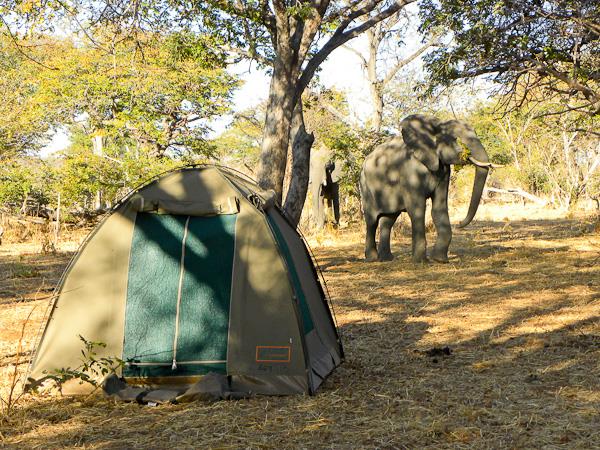
Botswana camping safaris
From US $2385 - US $2630 14 days excluding flights
Botswana's premier game parks, Okavango Moremi Savuti Chobe
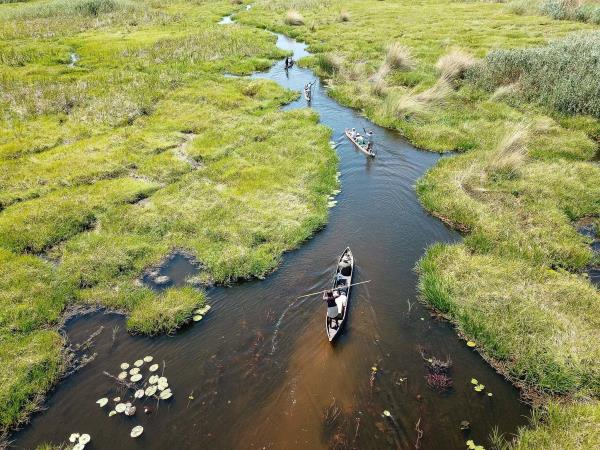
Botswana safari and wild camping
From US $2395 13 days excluding flights
Botswana's premier game parks, Okavango Moremi Savuti Chobe
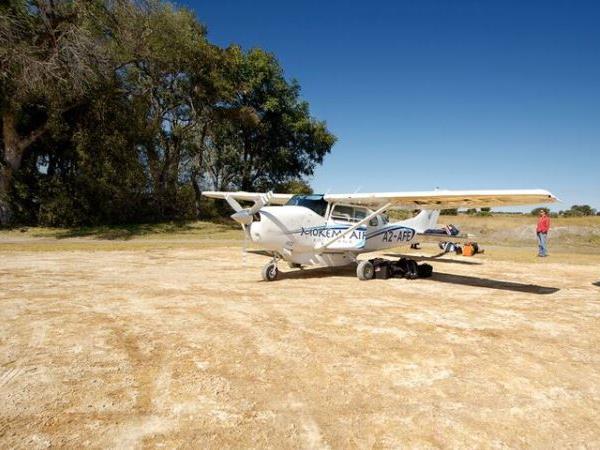
Botswana fly-in safari vacation
From £3355 7 days excluding flights
Experience Botswana on a 6 night fly-in Safari adventure