Ghardaia & the M’Zab Valley in Algeria

How do you protect a society on the edge of the Sahara Desert? The M’Zab Valley’s fortified hill villages have preserved their way of life since the 12th century.

How do you stay cool in 40°C heat? Or preserve water when it takes decades to dig a well? And how many uses can you find for the fat from the hump of a camel?

The inhabitants of the M’Zab Valley in Algeria have followed the same way of life for centuries. Their innovative architecture, irrigation systems and food production all reflect their isolated location.

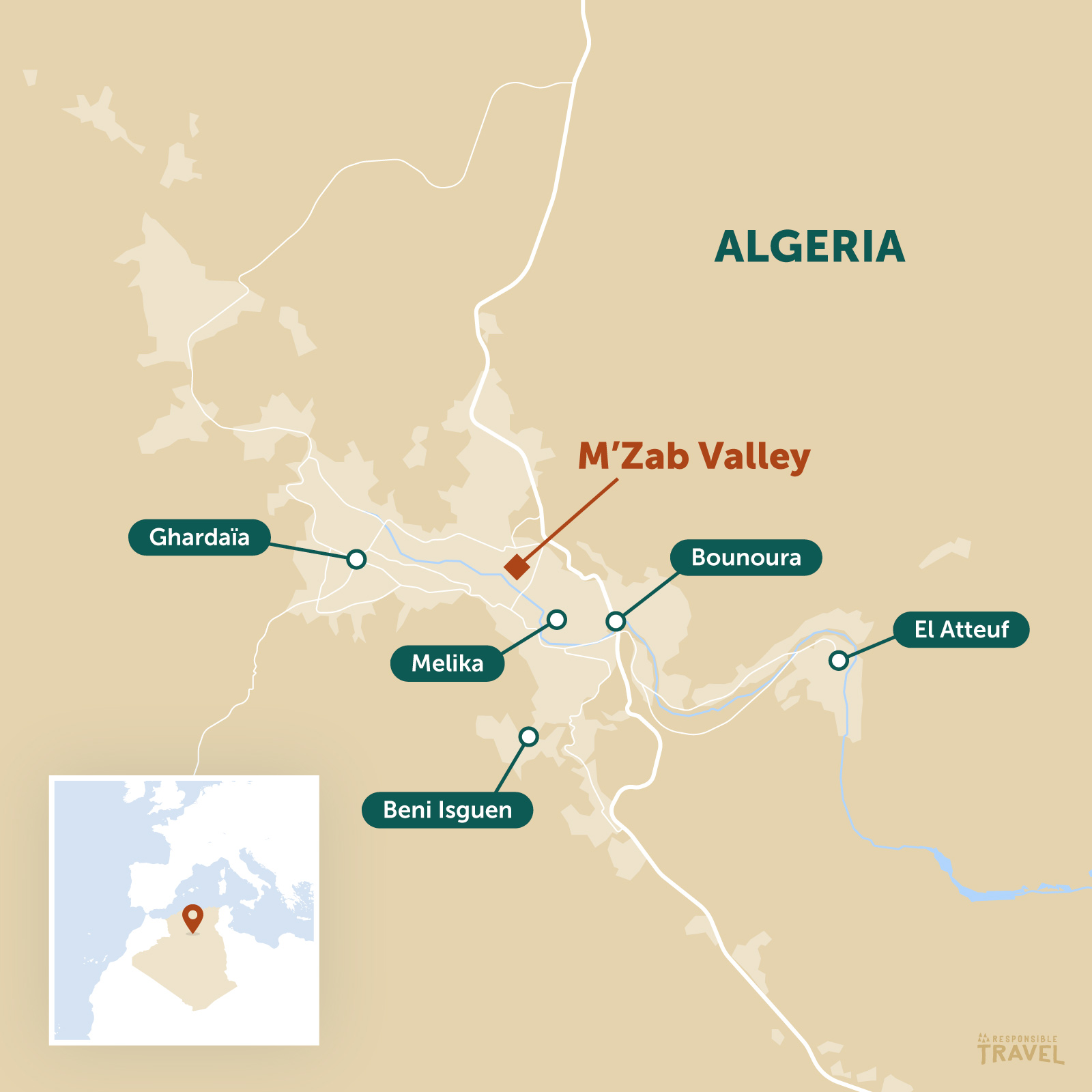
Around 350,000 people live here on the fringes of the Sahara Desert, around 500km south of Algiers, most of them in five UNESCO-listed ksours (fortified towns) built along the valley riverbed: capital Ghardaia, the highly conservative city Beni Isguen, beautiful El Atteuf, and Bounoura and Melika. Collectively, these five settlements, which have merged together as they have grown, are known as the ‘Pentapolis’. You can visit them on our Algeria and the M’Zab Valley small group vacation. There are two other oasis towns, Guerrara and Berriane, further north.

“The reason we go to the M’Zab Valley is that culturally it feels very different from the far north,” says Antony Barton, North Africa expert at our partner Explore. “The first full day in Algeria we spend on the coast then we take an evening flight and then we get a full day in M’Zab.”

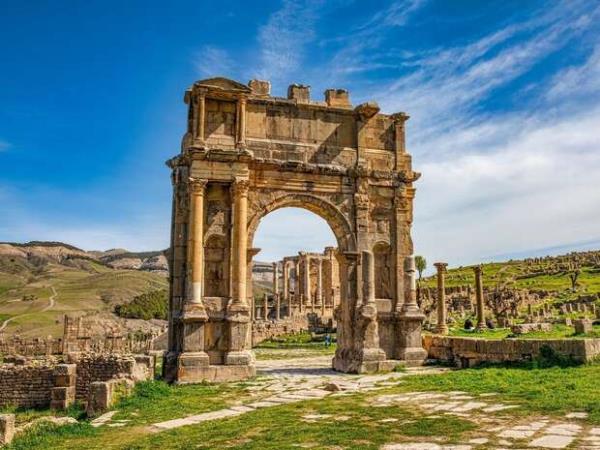
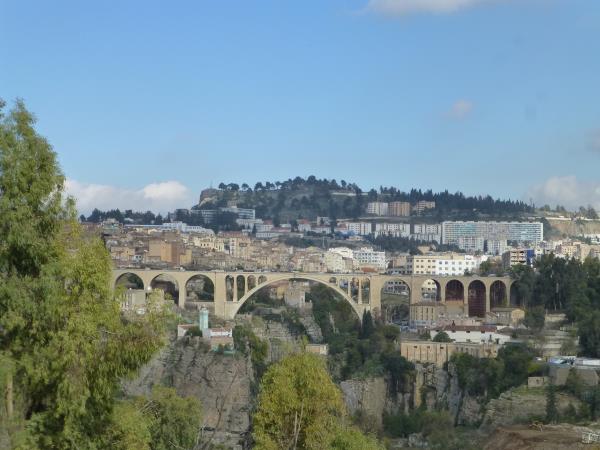
North Algeria feels somewhat Mediterranean: green hills, a French-influenced capital, and Roman ruins. By heading south you get a very different perspective on the largest country in Africa, especially if you go somewhere as unusual as this valley.

The towns in the M’Zab Valley are inhabited by Mozabites, a Berber ethnic group. Most are Ibadi Muslims and follow a conservative and traditional way of life. They settled here in the 11th century and have lived for centuries in relative isolation from other parts of the country, which has preserved their culture to a huge degree.

Their valley is an oasis; ground water feeds shade-giving date plantations between the towns, whilst the hills are reserved for settlements. Everything has been designed to preserve water (dry spells can last for years), keep out heat, and keep out intruders.

Map of M’Zab Valley in Algeria

M’Zab Valley map, Algeria

Algeria's M’Zab Valley highlights

Discovering the architecture and culture of the M’Zab Valley

The M’Zab towns have existed for centuries in relative isolation; unlike the north of Algeria, which have been invaded and settled over the years, these towns have fewer outsider influences. “They’ve retained their distinctive culture because they’re in the middle of the country,” says Antony.

Today, the towns protect their strict religious principles, are run by religious councils, and limit tourist interactions: you cannot stay in the town of Beni Isguen itself overnight, there are specific visiting hours, and it’s forbidden to tour without the employment of a local guide. You’ll need to follow local rules: covering up, not smoking, limiting phone use and listening to your local guide about what you can and cannot photograph.

Another striking feature is the architecture. Buildings here are built to keep out the heat, keep out intruders, and give privacy to their inhabitants – a unique combination of restraints that has led to some unique-looking structures, including the Sidi Brahim Mosque, near El Atteuf, which inspired the modernist architect Le Corbusier. The rough surfaces of the square stone homes scatter light and heat, alleys are narrow to keep out the sun. You’ll pass under covered walkways – roofs of mud and palm tree trunks provide shade in the street, and the towns have kept up the traditional practice of painting buildings blue to keep them cool and deter mosquitoes.

You’ll still see the historic old defences lapping the towns. Many towns have single entry points with massive gates. Arrow slits line the city walls, and towering mosques on the hilltops once served a dual purpose as watchtowers.

The architecture also reflects the religious culture of the valley. Street level is the preserve of men, who go out to work, or meet at the market. The rooftops are for women and were often completely interconnected so that women could pass between houses without setting foot at street level – you can still see some bridges today. Private courtyards are places for women to relax away from men. The mosque tower at Beni Isguen is closed during the day so that overlooked spaces can have some privacy. People wear traditional dress; conservative women cover up in public spaces, wearing a full white garment with a single eye hole in the fabric, called a haik.
One of the best parts of visiting the M’Zab Valley towns is exploring the unique elements of the houses.

Seeing inside a traditional home

“I found it fascinating how they built the houses,” says Antony. “They are all built to keep the heat out – covered walkways, really thick walls, and they’ve designed all the street system to maximise shade - keeping the sun out. All the houses use natural ventilation in order to keep their houses as cool as possible.”

One of the best parts of visiting the M’Zab Valley towns is exploring the unique elements of the houses. This starts at each front door, which is offset with its neighbours’ so that each household has privacy at street level. There are peep holes above each threshold.

Go inside to find modest homes with white plastered walls, including nooks for nesting birds – electricity arrived in the area in the 1950s but many other parts of life exist much as they would have done hundreds of years ago. “We spend a full day,” says Antony. “We’ll see three or four settlements and go into one of them in detail. Our guide takes us round and he will explain the architecture.”

Wandering the markets of the M’Zab

After touring inside the homes themselves, you can explore the wider area. “It’s surprisingly green – it has its own natural water source,” says Anthony. Wells around the towns, some of which are hundreds of years old and took 40 years of digging to complete, are supplemented by other irrigation systems. The foggara, sophisticated irrigation channels, shares water fairly between farmers, so that each can sustain his crops in the valley.

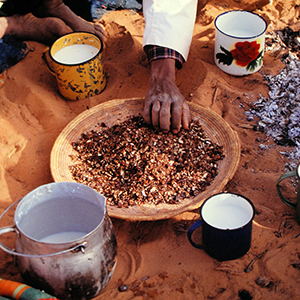
Ghardaia and Beni Isguen have great markets. Beni Isguen has an auction market, and Ghardaia is known for its carpets, which are woven with Berber symbols – artisans and your guide can help interpret their meanings for you. You can wander down streets dedicated to different produce, buying olives from vast tubs, eyeing up produce in the butchers, or trying coffee alternatives made from ground date pits. In a society founded on fairness and honesty, haggling isn’t part of local culture and prices aren’t inflated for tourists.

“It struck me that I was not hassled even once, not once,” says Antony. “Local prices were insanely cheap. People in our group bought things like rugs, stoneware and tagines. I bought some delicious fruit that was grown in the valley.”

How to get to the M’Zab Valley

It’s hard to cut out internal flights in the largest country in Africa, especially if you’re heading away from the coast and towards the desert. You can reach Ghardaia by direct plane from Algiers – it’s an hour and a half flight and you may find yourself traveling in a twin turbo prop to get there. Leave by car so you only fly one way: Ghardaia is five and a half hours’ drive from El Oued, and seven hours drive to Timimoun. “I think the drive back was really interesting you can see the changing landscapes,” says Antony.

Contact Us

Responsible Travel, Travel Team

Call us for a chat about our vacations. We are happy to discuss your vacation and help in any way we can. No bots, queues or awful hold music.

Responsible Travel, Travel Team

Our M’Zab Valley vacations: in summary

Our vacations spend one or two nights in the M’Zab Valley. You’ll usually stay close to but outside of the towns in the oases between them. Hotels often have pools. Algeria is massive – you can fly into Ghardaia from Algiers, or drive over multiple days. Our tours often fly one way, and drive the other, so you can see more of the country. Visit outside of the summer months – even the palm groves and oases will be hotter than hot come June. On our small group guided tours you’ll be joined by a second local guide who can show you around the towns. It’s important to respect local customs and follow the instructions of your guide at all times. Seeing the architecture, climbing the mosque tower for the views, exploring local homes and visiting the markets are key activities you can enjoy here. Experiences might also include a home-cooked meal in one of the towns, prepared by a local family.
Written by Eloise Barker
Photo credits: [Page banner: Camille Gillet] [Intro: Bernard Gagnon] [Discovering the architecture and culture of the M’Zab Valley: Bernard Gagnon] [Wandering the markets of the M’Zab: Camille Gillet]