Ross Sea cruises, Antarctica
24-hour daylight means partying with emperor penguins into the small hours and midnight hikes on the sea ice – all part of the adventure when you journey to the bottom of the Earth.
In January and February – high summer in the southern hemisphere – there is 24-hour daylight in the Antarctic Circle. For two months of the year, the sea ice shrinks back just enough to allow ships into the Ross Sea, the world’s most southerly body of water, a sea only discovered in the 19th century. Traveling here, you can get as far south as it’s possible to go by boat, to an astonishing 77° 51’ S.
On a cruise via New Zealand and the Subantarctic Islands, you’ll travel on ice-strengthened expedition ships with a range just shy of 16,000km, armoured with the highest ice class rating afforded to passenger ships.
To travel this far south is to enter the domain of emperor penguins, of sea ice metres thick, and to follow in the footsteps of some of the world’s most intrepid explorers. It’s also to enter the boundaries of Antarctica, one of the windiest, driest, most hostile places on Earth, where your adventure is based entirely on the conditions you’re handed. Not a moment is to be wasted.
In January and February – high summer in the southern hemisphere – there is 24-hour daylight in the Antarctic Circle. For two months of the year, the sea ice shrinks back just enough to allow ships into the Ross Sea, the world’s most southerly body of water, a sea only discovered in the 19th century. Traveling here, you can get as far south as it’s possible to go by boat, to an astonishing 77° 51’ S.
On a cruise via New Zealand and the Subantarctic Islands, you’ll travel on ice-strengthened expedition ships with a range just shy of 16,000km, armoured with the highest ice class rating afforded to passenger ships.
To travel this far south is to enter the domain of emperor penguins, of sea ice metres thick, and to follow in the footsteps of some of the world’s most intrepid explorers. It’s also to enter the boundaries of Antarctica, one of the windiest, driest, most hostile places on Earth, where your adventure is based entirely on the conditions you’re handed. Not a moment is to be wasted.


If the conditions are right, we will be going on an expedition no matter what the time is, day or night.![]()

24-hour daylight: Sleepless in the sea ice
“Expedition opportunities will be offered as they present themselves – so say ‘yes’ to walking on the ice at 2am,” says Isaac Wilson, from our partner Heritage Expeditions. “You can sleep on the way back.”
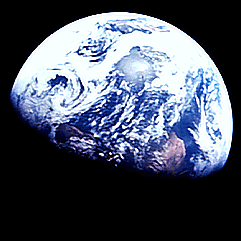
You’re somewhere very special indeed. From space, the Ross Sea at this time of year can look green, not blue, as one of the largest phytoplankton blooms on Earth takes place, and microscopic organisms stain the blue ice green, brown and even red.
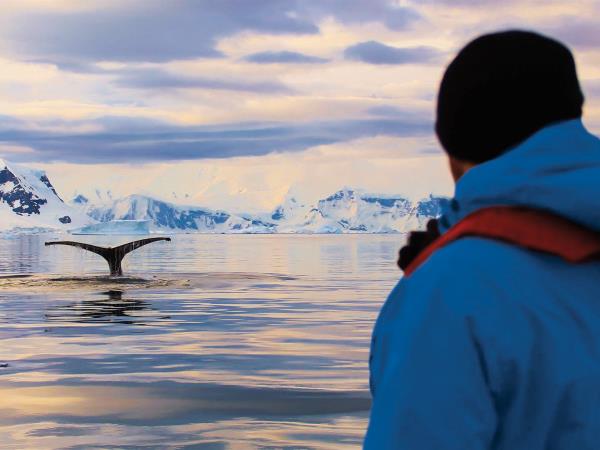
This nutrient rich sea is very special – it’s a feeding ground for krill, fish, penguins and whales. Humpback whales travel here from the South Pacific, minke and southern right whales dine here too, and Type C orcas, the world’s smallest orca, have made the sea their home. Some 40 fish species are found nowhere else, making the Ross Sea an unusual pocket of biodiversity near the pole.
The sea is one of the few places where an ecosystem can be seen playing out completely naturally with minimal human intervention. In 2017 the Ross Sea became a Marine Protected Area after a campaign that highlighted the irresponsibility of toothfish fishing operations which had been taking place in the area: the large fish is a keystone species. If the Ross Sea is something of a last Eden now, it may become even more crucial in the future. As sea ice disappears from other parts of Antarctica due to climate change, this sea will become one of the last refuges for species that depend on the ice.
For now, though, it’s still an epic adventure. Just 280 passengers come a year with our partner. “It’s a powerful shared experience,” says Isaac. “You will form enduring connections and friendships with like-minded travelers.”
You’re somewhere very special indeed. From space, the Ross Sea at this time of year can look green, not blue, as one of the largest phytoplankton blooms on Earth takes place, and microscopic organisms stain the blue ice green, brown and even red.
This nutrient rich sea is very special – it’s a feeding ground for krill, fish, penguins and whales. Humpback whales travel here from the South Pacific, minke and southern right whales dine here too, and Type C orcas, the world’s smallest orca, have made the sea their home. Some 40 fish species are found nowhere else, making the Ross Sea an unusual pocket of biodiversity near the pole.
The sea is one of the few places where an ecosystem can be seen playing out completely naturally with minimal human intervention. In 2017 the Ross Sea became a Marine Protected Area after a campaign that highlighted the irresponsibility of toothfish fishing operations which had been taking place in the area: the large fish is a keystone species. If the Ross Sea is something of a last Eden now, it may become even more crucial in the future. As sea ice disappears from other parts of Antarctica due to climate change, this sea will become one of the last refuges for species that depend on the ice.
For now, though, it’s still an epic adventure. Just 280 passengers come a year with our partner. “It’s a powerful shared experience,” says Isaac. “You will form enduring connections and friendships with like-minded travelers.”
The Ross Ice Shelf: The barrier at the end of the world
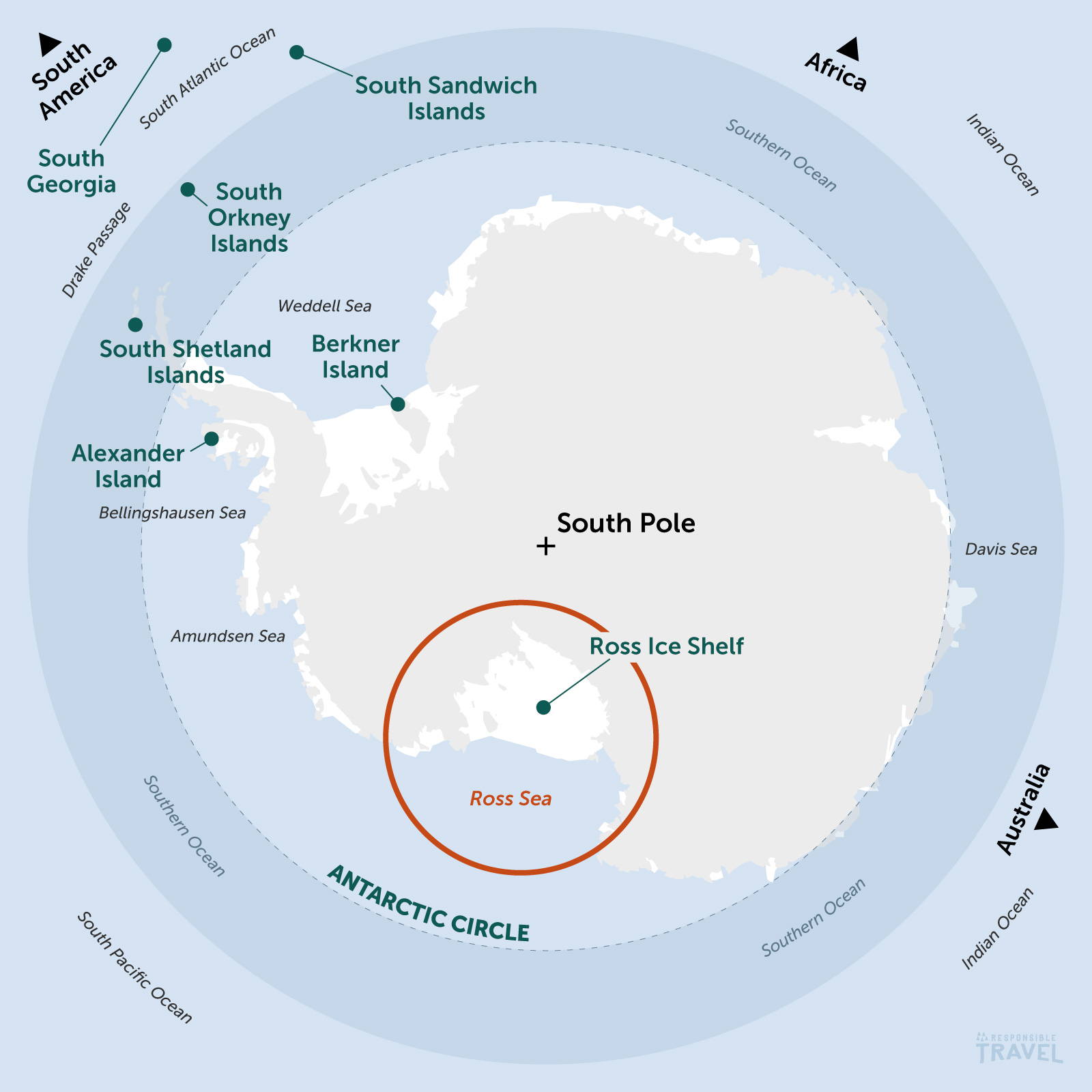
Ice tongues, ice shelves, icebergs, fast ice and sea ice – don’t expect a warm welcome in the Ross Sea. At the south end of the sea is the Ross Ice Shelf – a sheet of ice the size of France, 600km long and up to 50m high, from which icebergs are birthed.
The Ross Ice Shelf feels like the end of the world – but of course it was only the beginning for South Pole explorers, who had to overcome what they named simply ‘the Barrier’ in order to journey to the pole itself. The rich sea life of the Ross Sea could sustain explorers at their bases as they prepared to head even further south.
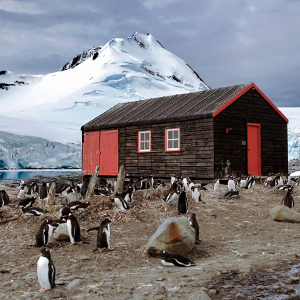
You can see huts set up by three legendary explorers, including Borchgrevink – the first explorer to spend winter on the Antarctic mainland – plus Scott and Shackleton, who also set out from here on polar expeditions. If conditions allow, you can visit the huts of all three explorers. “Visiting all of the huts was the highlight of my voyage,” says Alex Hogg, a traveler on this expedition. “We were lucky to have been able to do that.”
You can also visit modern research stations whose inhabitants are conducting scientific research at various locations around the sea. Your own visit here can contribute to research by photographing logging the whereabouts of whales and other animals as you cruise.
The Ross Ice Shelf feels like the end of the world – but of course it was only the beginning for South Pole explorers, who had to overcome what they named simply ‘the Barrier’ in order to journey to the pole itself. The rich sea life of the Ross Sea could sustain explorers at their bases as they prepared to head even further south.
You can see huts set up by three legendary explorers, including Borchgrevink – the first explorer to spend winter on the Antarctic mainland – plus Scott and Shackleton, who also set out from here on polar expeditions. If conditions allow, you can visit the huts of all three explorers. “Visiting all of the huts was the highlight of my voyage,” says Alex Hogg, a traveler on this expedition. “We were lucky to have been able to do that.”
You can also visit modern research stations whose inhabitants are conducting scientific research at various locations around the sea. Your own visit here can contribute to research by photographing logging the whereabouts of whales and other animals as you cruise.
The Ross Sea map
Ross Sea cruise highlights
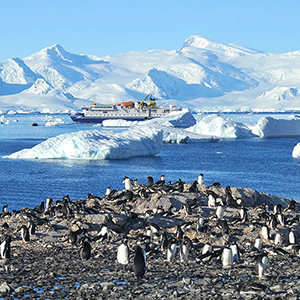
See (and hear, and smell) Antarctica’s largest Adelie penguin colony at Cape Adare, and also visit Carsten Borchgrevink’s hut, where he spent humanity’s first winter on the continent in 1899. There are also plenty of penguins sporting for a portrait photographer at Cape Hallett, Franklin Island and the rarely explored Possession Islands.
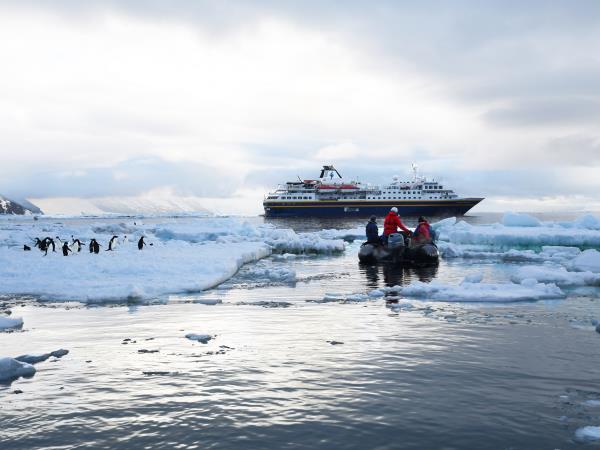
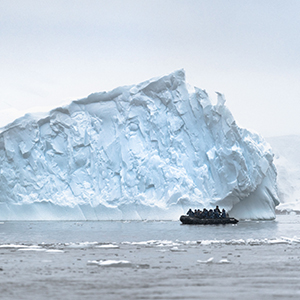
You can decamp to a zodiac to explore along the Ross Ice Shelf and get close enough to feel its chill and hear the tremble as icebergs calve into the water around you.
You can decamp to a zodiac to explore along the Ross Ice Shelf and get close enough to feel its chill and hear the tremble as icebergs calve into the water around you.
A highlight in the Ross Sea is Ross Island itself, guarded by active volcano Mount Erebus. Here you can visit the huts of Shackleton and Scott. If the ice and weather are in your favour, head to McMurdo Station, the largest research station on the continent. You can also visit an Italian research station at Terra Nova Bay.
Antarctica semi-circumnavigation expedition cruise
Epic Expedition Cruise Ushuaia to New Zealand
From
£20890
4 weeks
ex flights
Ross Sea & Antarctic Circle voyage
Scott & Shackelton Huts, Mount Erebus, Macquarie Island
From
£25190 to £26795
4 weeks
ex flights
Antarctica and New Zealand Subantarctic Islands cruise
Travel from New Zealand on the ultimate Antarctic voyage
From
US $33075 to US $34750
4 weeks
ex flights


Contact Us

Call us for a chat about our vacations. We are happy to discuss your vacation and help in any way we can. No bots, queues or awful hold music.

1-866-821-6866
Call toll free
Calling from outside the USA


What are expeditions to the Ross Sea like?
Best time to go to the Ross Sea
The best time to visit the Ross Sea is during the brief period of the year where it is not covered in sea ice. Month-long voyages depart from New Zealand in January and February, the height of the austral summer, and go via the Subantarctic Islands.
How to get to the Ross Sea
Reaching the Ross Sea is part of the adventure – and takes time and money. You’ll reach the Ross Sea on day 11 of a voyage that hits the Subantarctic Islands first: a fitting precursor – they are strange worlds of their own, with endemic megaherbs and huge breeding bird populations.
You get day 11 to day 22 to cruise in the ‘heart of Antarctica’, then it takes two days to voyage back to the Campbell Island group on the way back to New Zealand.
You get day 11 to day 22 to cruise in the ‘heart of Antarctica’, then it takes two days to voyage back to the Campbell Island group on the way back to New Zealand.
Seizing the day (and night)
There is a lot of time at sea, and these expeditions are less activity-packed than, say, visiting the Antarctic Peninsula. The long passages are filled with lectures from subject experts.
“I am not usually interested in presentations and lectures, but I found the ones on the expedition to be very informative and were presented by people who are very passionate about what they do… I surprised myself by attending all but one of them,” says Alex.
You need to be as opportunistic as a leopard seal on these voyages, snatching every chance that comes to go onshore. Alex quotes the mantra of the crew: "If the conditions are right, we will be going on an expedition no matter what the time is, day or night." There are 14 zodiacs on board the ship, ready to be deployed.
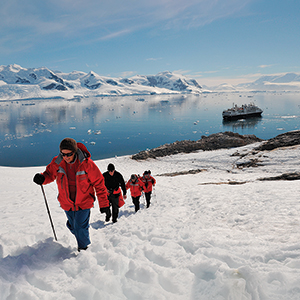
This is remote, expedition-style traveling – there’s less leisure time at landings for hiking and activities – the Ross Sea is no playground and a strong wind can come scything off the Ross Ice Shelf, the weather can change very quickly.
After a long journey by sea to get here, you’ll be raring to go: “Take photos, be involved and active in all excursions,” says Isaac. “But make sure to take a moment by yourself to be truly present and take in the surrounding wonder.”
“I am not usually interested in presentations and lectures, but I found the ones on the expedition to be very informative and were presented by people who are very passionate about what they do… I surprised myself by attending all but one of them,” says Alex.
You need to be as opportunistic as a leopard seal on these voyages, snatching every chance that comes to go onshore. Alex quotes the mantra of the crew: "If the conditions are right, we will be going on an expedition no matter what the time is, day or night." There are 14 zodiacs on board the ship, ready to be deployed.
This is remote, expedition-style traveling – there’s less leisure time at landings for hiking and activities – the Ross Sea is no playground and a strong wind can come scything off the Ross Ice Shelf, the weather can change very quickly.
After a long journey by sea to get here, you’ll be raring to go: “Take photos, be involved and active in all excursions,” says Isaac. “But make sure to take a moment by yourself to be truly present and take in the surrounding wonder.”
Taking leave
At the end of it all, you might find yourself sitting with strong feelings. “You will be surprised by the strength of the emotional connection you have to the region, its history, wildlife and landscapes,” says Isaac. “It’s not an easy farewell.”
It’s difficult to get this far south, but – as you try to tear your eyes away from the floating icebergs and surfacing whales – you might find it’s even more difficult to leave.
It’s difficult to get this far south, but – as you try to tear your eyes away from the floating icebergs and surfacing whales – you might find it’s even more difficult to leave.
More Antarctica articles
Visit in the months when the sun rises above the horizon and the sea ice melts.
Our guide reveals a vast, icy continent that is considered by many to be Earth’s last slice of wilderness.
Cruises take in islands, the peninsula, and can depart from Argentina or New Zealand.

Discover the best value itineraries, ships, cabins and activities.
The best activities include snowshoeing, kayaking, hiking and even scuba diving.
Our guide on how to choose a cruise ship for Antarctica covers all the essentials.
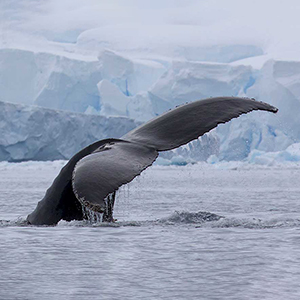
The frozen continent might be just one destination, but there are lots of different ways to approach it by boat.
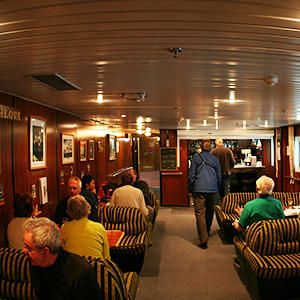
Before taking the leap and booking your vacation, discover what life is really like on board.
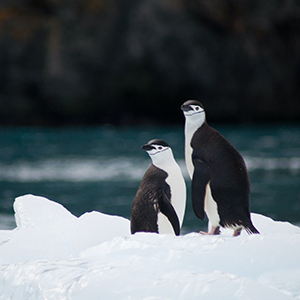
Many are surprised by the quantity of wildlife in Antarctica, from whales and seals to penguin rookeries.
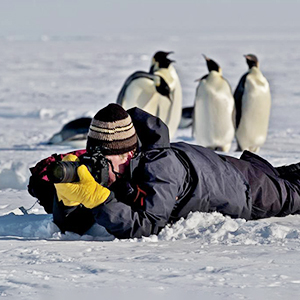
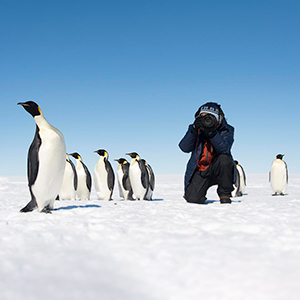
Our Antarctica photography tips will take your shots to the next level.
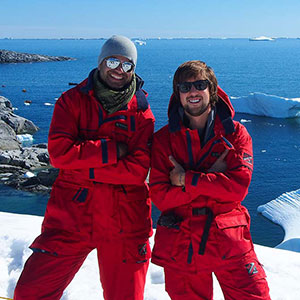
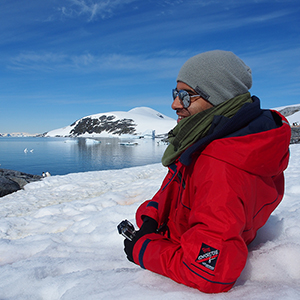
Our expedition specialists share their travel advice – from choosing a boat to exploring the Ross Sea.
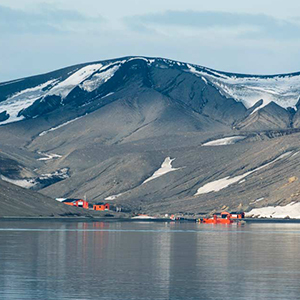
Read about the islands of Antarctica and the many Southern Ocean outposts along the way.
How to get to Antarctica is one of the first questions that polar explorers ask themselves. Our guide clears up conundrums.
We shed light on life in Antarctica, from Scott and Shackleton to modern research stations.
What you can do to be a responsible tourism when you visit Antarctica.
A semi circumnavigation of Antarctica gives you more than your fair share of excitement.
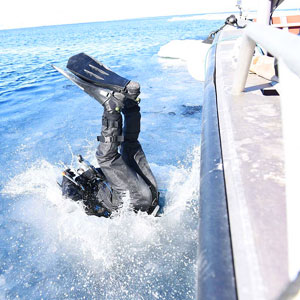
Nothing will truly prepare you for the experience of Antarctic ice up close.
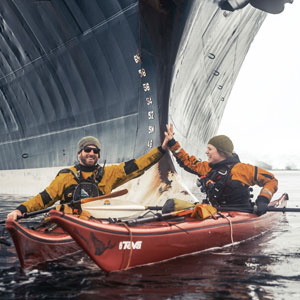
Kayaking in Antarctica is usually done in small groups far away from the cruise ship and the noise of the motor boats.
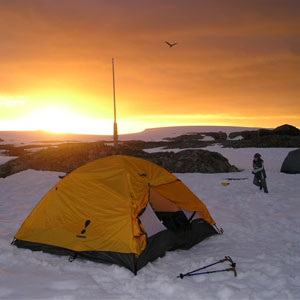
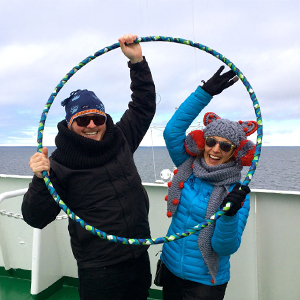
The Antarctic Circle lies tantalisingly out of the reach of most travelers.