Bush camp safaris in Zambia

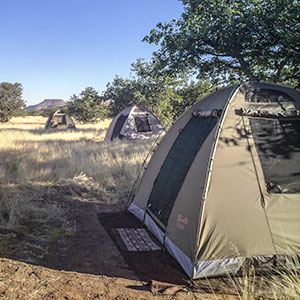
“I was right by a tamarind tree,” says Grace Kemp, recalling one of her favorite moments while guiding our bush camping safari in Zambia.

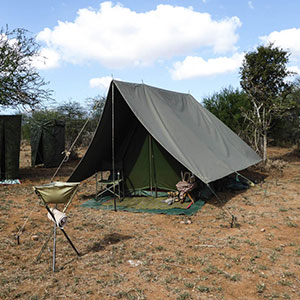
One evening, after the guests had gone to bed, a big bull elephant ambled into camp – far more interested in seeking out a dessert of tasty tamarind fruit than in Grace camped under the tree’s canopy.

“It shook the tree, the fruits falling onto my tent and the floor, and picked them off my tent so gently,” says Grace. “He was by my tent for about 15 minutes in total, and that was the most amazing, magical feeling. I was so close to him… A massive privilege.”

“So yeah,” Grace concludes, “that’s wild camping!”

Zambia: the guides’ favorite

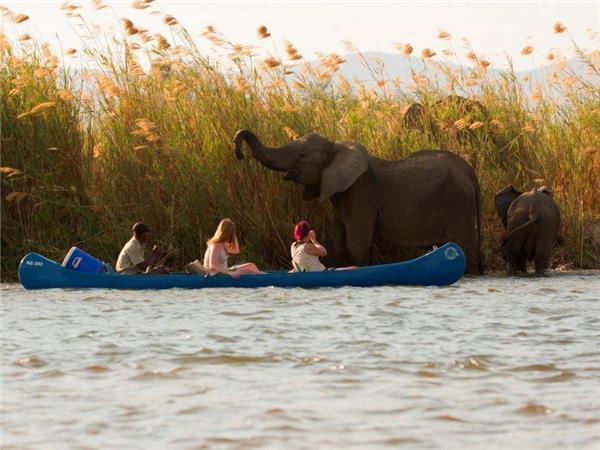
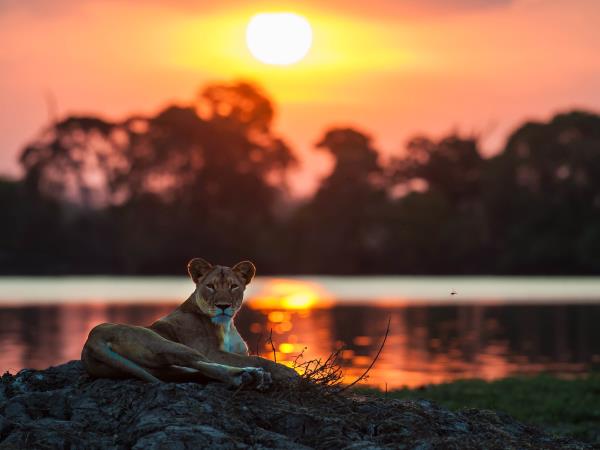
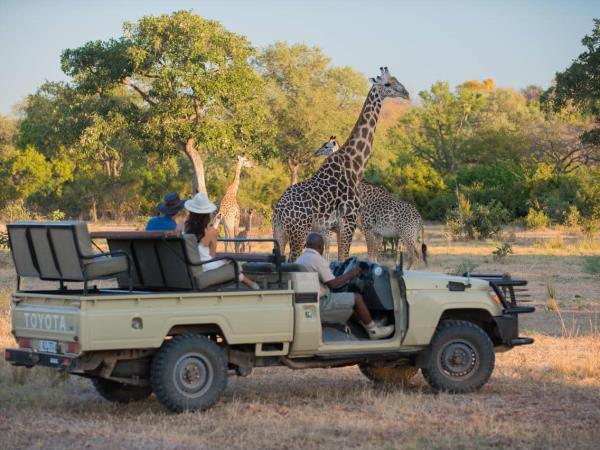
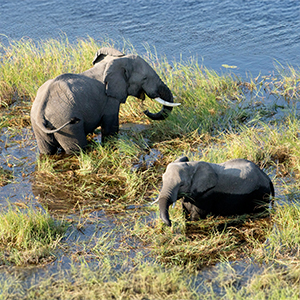
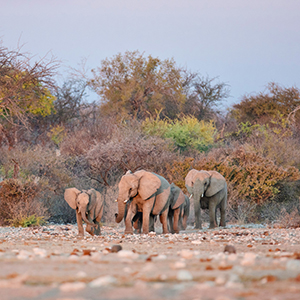
Botswana, Kenya, Tanzania and South Africa get most of the attention when it comes to safaris in southern Africa. But our partners often name Zambia as being one of their favorite places for wildlife viewing – especially when combined with camping. Lions roam throughout the national parks, elephants queue up along the rivers to wash and drink, hippos wallow in huge numbers, and leopards hunt in the dark of night.

It’s also great for endangered African wild dogs. “It’s incredible,” says Joshua Flatman from our safari specialist Faran Travel. “When I was last there, I saw them pretty much every day.” What was once a super pack of 45 – the biggest pack on record – is now split up into several roaming gangs. With running speeds of more than 40mph and ingenious group hunting tactics, they’re increasingly at the top of visitors’ wildlife wish lists.

South Luangwa is especially good for sightings. “I saw more wild dogs than leopards,” says Joshua, “and leopards are the main thing there.”
It shook the tree, the fruits falling onto my tent and the floor, and picked them off my tent so gently.

Under canvas & under the radar in Zambia

Remote camps

The campsites on our trips often have a connecting road for supplies, but that’s about it. Getting there is part of the adventure – arrival might involve catching a boat across a river or walking in. Some campsites have a handful of chalets; others are bigger, with closer links – and possible day trips – to nearby towns.

You might stay in a camp hosted by the Coppinger family that’s built from scratch each year and includes a vegetable garden that supplies the dining area. “The family has all these amazing stories about the camp,” says Joshua.

Nsefu Camp has resided in South Luangwa since the mid-20th century. It was set up by Norman Carr – a wildlife ranger and warden who collaborated with Senior Chief Nsefu from the local Kunda tribe to start walking safaris on their land. It was the first conservation-led photographic camp in Zambia. “They involved the community and put back into the community from the start,” says Joshua.

In Luambe, meanwhile, there’s one camp in the whole park, so you’ll be the only people there.

“Almost every camp has something that they’re doing,” Joshua adds. “The common theme across Zambia is that they’re all very eco-friendly apart from the super high end, which are a bit more air-con and plunge pool… Most of the others – even the bigger camps – are very open, with minimal disturbance to the environment.”

Most of our camping safaris in Zambia are tailor made, so you can also choose to add some lodge stays. Lodges in the Lower Zambezi and South Luangwa are among the best in Africa, but often overshadowed by those in South Africa, Tanzania and Botswana. They’re also a little trickier to get to; Zambia has fewer direct flights than its neighbours. However, that’s great news for those who like to travel a little off the main tourist track.

Sociable solitude

There often won’t be another vehicle in sight while on safari in Zambia. The solitude and silence are amazing; you can hear every rustle and creak of the bush.

That’s not to say our trips aren’t sociable. Camping always comes with a communal feel, especially if you travel in a small group.

“I think traveling in a group is great,” says Grace. “We have a maximum of 12 guests so you get to know everybody. With those bigger tour buses of 20-plus people, it ends up being a bit cliquey at times. Whereas with 12, everyone gets to talk to everybody and we encourage people to participate – so we might ask people to help chop vegetables or come and do the dishes. Often, we have a family of four or single travelers and we encourage them to talk to other travelers, and that’s really nice.”

“And it means that as a guide, you know everybody’s name,” adds Grace. “You know where they come from and chat to them about what they like. Whereas, if you had many people you wouldn’t get the personal feel. It’s really nice for solo travelers because it’s easy for them to feel like they fit in and feel part of the group.”
A lot of the guides have been there 10, 15 or 20 years… Real experts in the bush.

Contact Us

Responsible Travel, Travel Team

Call us for a chat about our vacations. We are happy to discuss your vacation and help in any way we can. No bots, queues or awful hold music.

Responsible Travel, Travel Team

Walking into camp

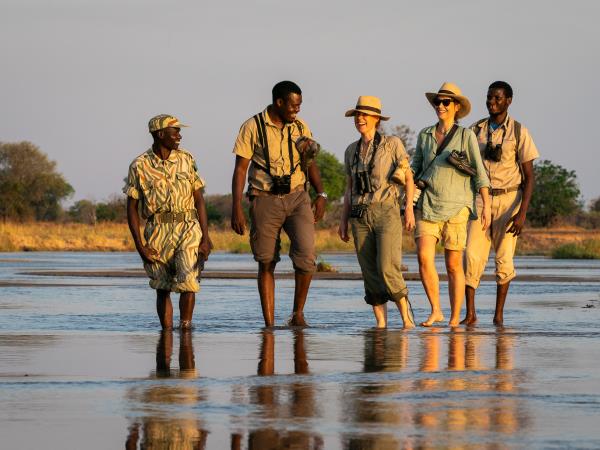
You’ll see more wildlife by 4x4, but you might just see more of life by hiking – and where better to walk than in Zambia, where walking safaris for tourists took their first steps?

“People are often put off by walking safaris,” says Joshua. “They think it’s hot and dangerous, but it’s not like that at all… The guide might see a new insect or a new phenomenon you’ve never seen before. By interpreting tracks from the night before, you gain a deeper safari understanding.”

Guiding is a sought-after job in areas like South Luangwa, where there are lots of opportunities to train to the walking safari level – which in turn opens up more opportunities for work. You’ll be traveling with local wildlife whizzes.

“A lot of the guides have been there 10, 15 or 20 years,” says Joshua. “Real experts in the bush.”

Zambia also stands out for its choice of walking safaris. They include easy afternoon rambles, multi-day treks – and everything in-between. For those up for a challenge, there’s our mobile walking safari. You might stay for a few days before moving on to the next camp – or go on a longer, even more intrepid trip that involves hiking between a different camp each day. “Walking between camps between destinations is a really cool feeling,” says Joshua.

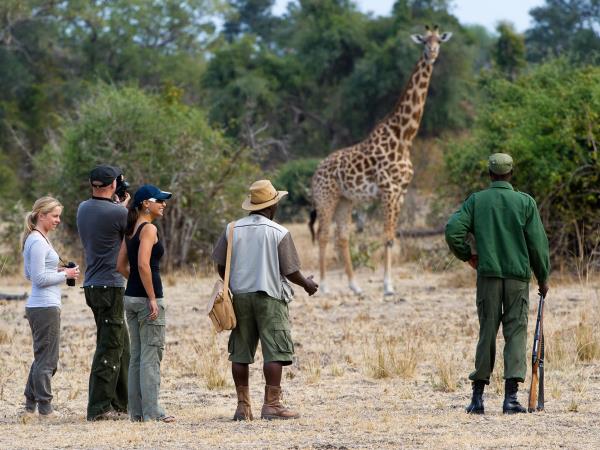
Whatever type of bush camping safari you go on, guides will always be accompanied by an armed scout from the Zambia Wildlife Authority who’ll keep an eye out for any lions or buffalos around the corner. No one wants to surprise a buffalo. Walks can also be finely tuned to your interests in ways that are impossible when in a jeep with other people.

“If people want to spend two hours looking for a certain type of bird or go for a march across the land, that’s fine,” says Joshua. You also have the flexibility of seeing what’s around the corner; on driving safaris in South Luangwa, you can’t drive off the road. “The guides make it… Out in the bush on foot is when they really come into their own.”
Photo credits: [Page banner: Getty Images / Unsplash+] [Intro: Getty Images / Unsplash+] [Walking safaris: Remote Africa Safaris]