Caucasus travel guide
Chacha toasts in Georgia, carved stone khachkars in Armenia, and karabakh horses in Azerbaijan; if you're looking to untangle the cultural characteristics of the Caucasus then start in the south, the Transcaucasus, a region that's as varied in terms of ethnicity as it is biodiversity. Persian leopards, brown bears and grey wolves are all known to prowl the densely forested slopes of the Lesser Caucasus; however, as our Caucasus travel guide explains, there's a larger predator in the north that often casts a far greater shadow over this region.
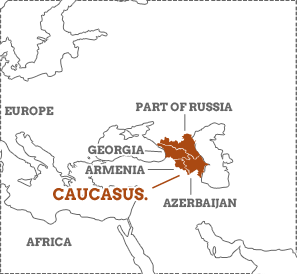

Come to the Caucasus for hospitable Georgians, ecclesiastical Armenians, and ancient etchings in Azerbaijan as well as the intrigue of Russian republics, beyond the Roki Tunnel.![]()

South Ossetia offers an initial inkling as to the relationship with Russia and if you've got plans to explore the region as a whole, including the republics of North Ossetia, Chechnya, Ingushetia and Dagestan, then tread lightly as wounds are raw and tourism a relatively new concept. Europe meets Asia or Islam meets Christianity; whatever you're expecting from the Caucasus, discard your preconceptions and approach with an open mind and healthy instinct for adventure.

The Caucasus is…
the dividing line where languages, religions and continents collide.
The Caucasus isn’t…
to be taken lightly especially when traveling north of the border.
Things to do
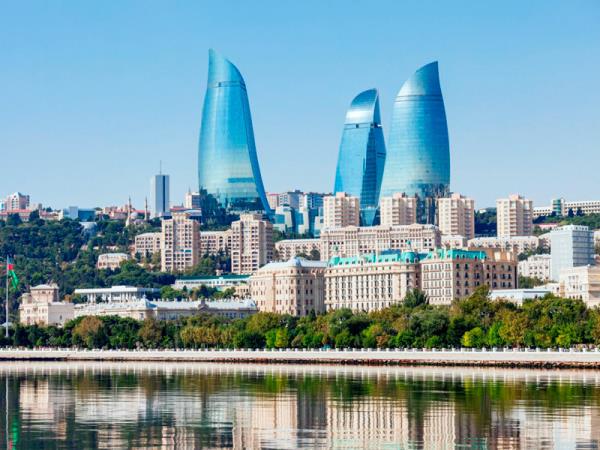
Azerbaijan Georgia and Armenia vacation
Enjoy the uniqueness of three colorful Caucasian countries
From
£2167 to £2521
17 days
ex flights
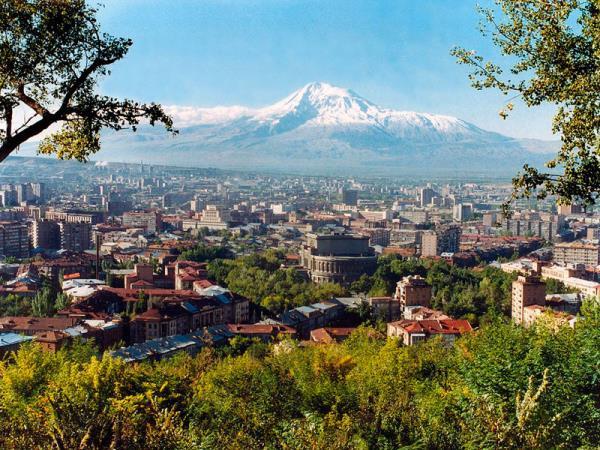
Armenia, Georgia and Azerbaijan highlights tour
Three stunning countries in one unforgettable tour
From
£1731 to £2005
13 days
ex flights
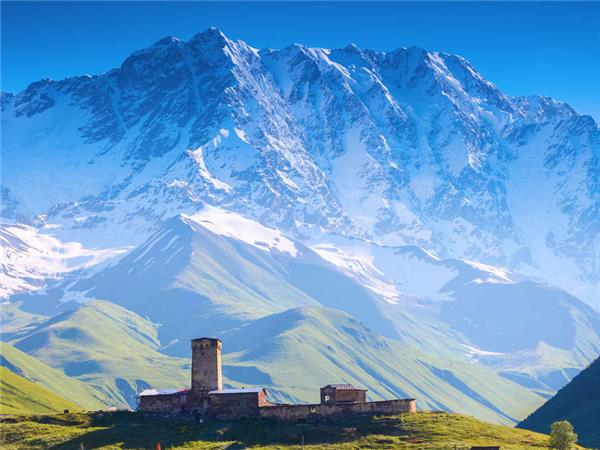
Hiking in the Caucasus vacation
Hiking in the gorges of Georgia's Greater Caucasus Mountains
From
US $1770 to US $1840
9 days
ex flights
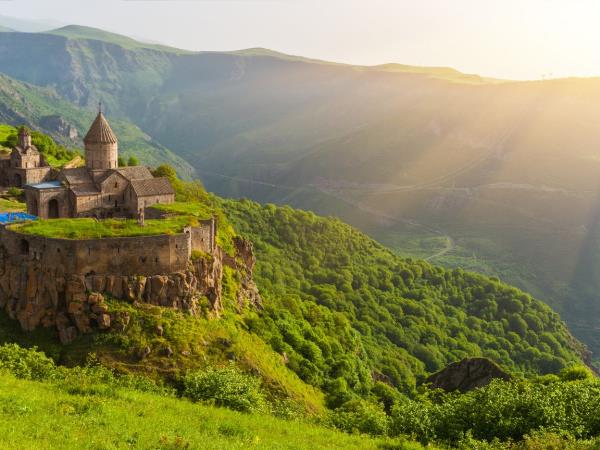
Caucasus small group tour
Charms and contradictions of Azerbaijan, Georgia and Armenia
From
US $4585
15 days
ex flights
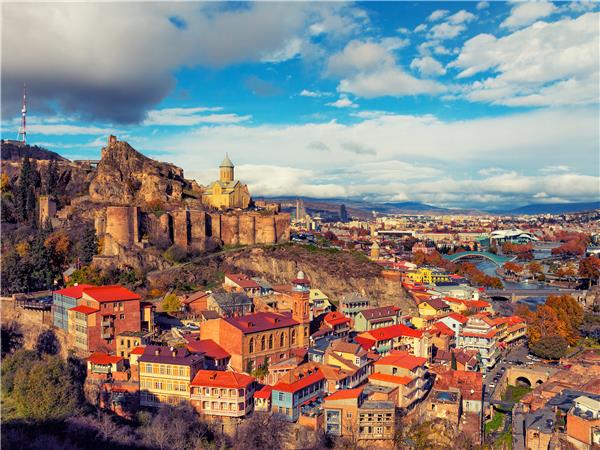
A week in Georgia, guided tour
Churches, monasteries, snow capped mountains, lakes & waterfalls
From
US $3100 to US $3225
9 days
ex flights
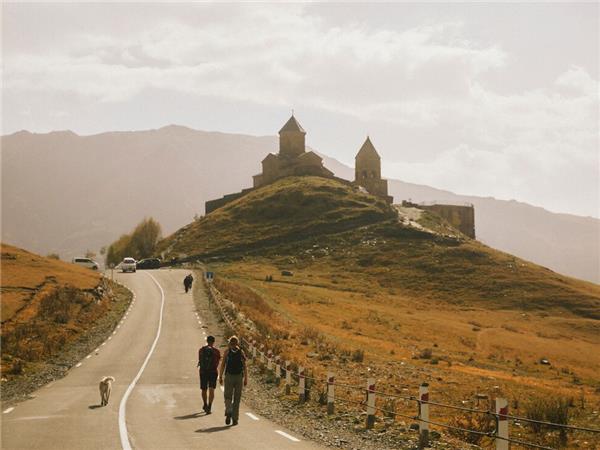
Azerbaijan, Georgia & Armenia tours with added comfort
Discover the unexplored territories of The Caucasus
From
US $6460 to US $7325
16 days
ex flights


Contact Us

Call us for a chat about our vacations. We are happy to discuss your vacation and help in any way we can. No bots, queues or awful hold music.

1-866-821-6866
Call toll free
Calling from outside the USA


Things not to do in the Caucasus…
More Caucasus articles
The best time to visit the Caucasus is either side of summer. Find out why.
The Caucasus is a little slice of heaven for hikers, with sublime scenery and routes.
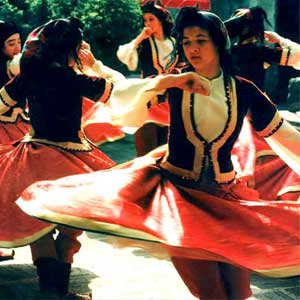
Buffeted by many influences, each of the Caucasus states has forged its own identity.