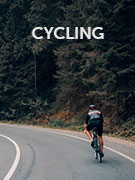
European cycling tours guide

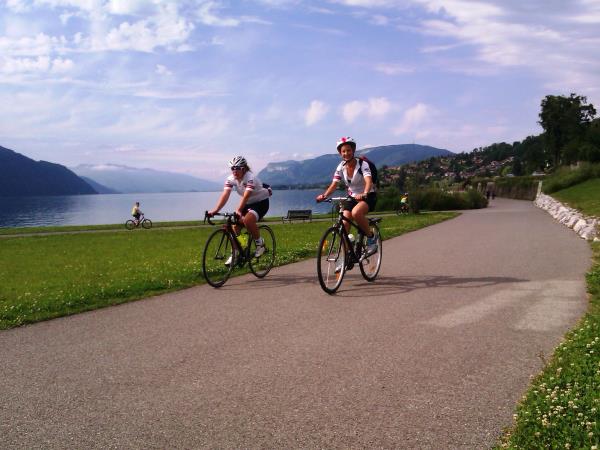
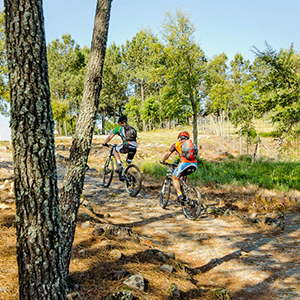
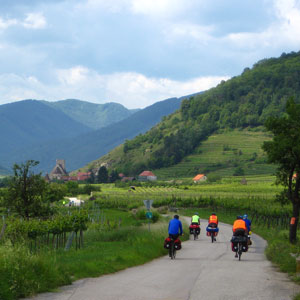
Less about getting from point to point and all about enjoying the scenery, the long distance bike journey is an antidote to fast-paced modern life. The beauty of bike travel is being able to turn off the well trodden tourist trail and roam through rural landscapes and communities. It’s immersive, slow – a great way to discover Europe. Rather than relying on towns already overstretched by tourism, you can shop in small villages, sleep in family-run hotels and eat home-cooked dishes sourced from the farm just down the road.
Great journeys are about the route, not the destination, so slow down and enjoy the ride.
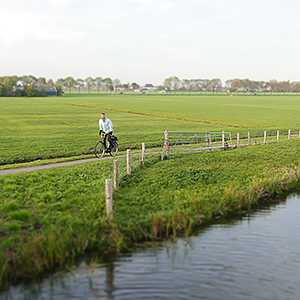
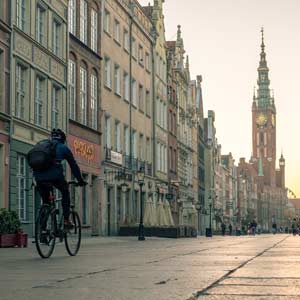
In much of Europe, cycling is integral to everyday life. The land here lends itself to two-wheeled travel; the bike culture makes for safer cycling, city infrastructure is intact and a network of cycle paths runs like arteries through the countryside. Quit the confines of car travel and live like a local for a week. You’ll soon find the humble bicycle makes you more approachable, and your surroundings more accessible, than as a tourist looking through a window.

What does a cycling tour in Europe entail?

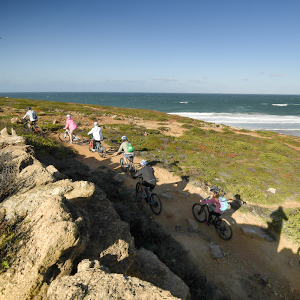
Not a circular route nor center-based, cycling tours are point-to-point journeys. Distance and terrain vary from one tour to the next. You can cross an entire continent, cycle from coast to coast or from one city to the next. The challenge is as great as you make it. Typically, the terrain will be tarmac, easy gravel roads, cycle paths and dirt trails, with some harder mountains routes. Tours include an appropriate bike and full vehicle support, but if in doubt of your cycling stamina you can choose a vacation with an optional e-bike upgrade. You will be staying in intimate, locally owned and staffed hotels, providing a financial benefit to smaller communities, and enjoying the freshest, and tastiest, regional food at nearby restaurants.
A typical European cycling tour will take around 11 days, covering distances of between 30 and 70km every day, but pedalling is at a relaxed pace. The terrain is usually moderate, ideal for those that enjoy pottering along but perhaps not so appealing for those in search of a challenge. Electric bikes can also be hired on some routes if preferred. As such these trips are very accessible, so long as you have a reasonable level of fitness. Example routes include Prague to Budapest, or around the (conveniently flat) Baltic states. While other European tours sometimes incorporate a day or two of cycling, on a specifically labelled cycling tour you will spend majority of your time in the saddle, only occasionally making use of public transport or catching a lift in the support vehicle.

Small group or self-guided?

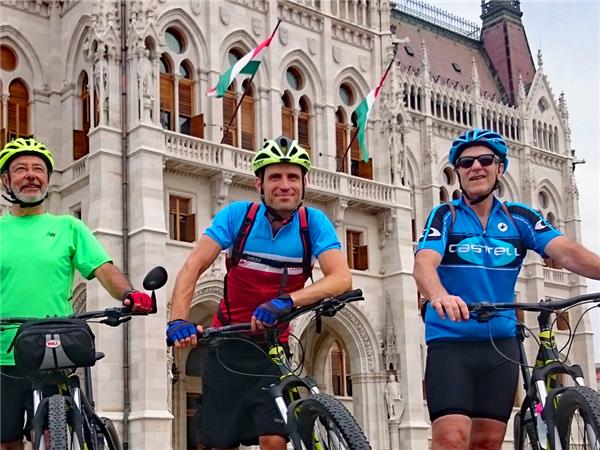
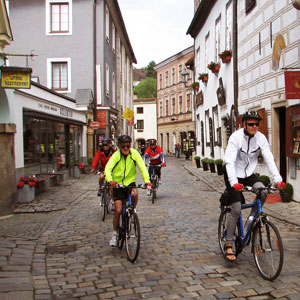
If the only cycle touring you’ve come across is the Tour de France then fear not, vacation cycling tours are not a race. Small group tours are aimed at social cycling, with an experienced guide who will monitor the speed to suit the slowest. Groups are kept small to minimise disruption to the small towns and peaceful countryside you’ll pass through, and to give you more face to face time with your knowledgeable guide.

If the thought of peloton pedalling puts you in a cold sweat, then a self-guided tour offers the freedom of independent travel with the support of a guided vacation. Your time on the road can be tailored made, for flexible days of cycling, sometimes with the option to choose a longer or shorter route. Self-guided cycling is a more suitable option for families as there’s no need to keep pace with the group and, if little legs get tired, you have more freedom to stop and rest.

Contact Us

Responsible Travel, Travel Team

Call us for a chat about our vacations. We are happy to discuss your vacation and help in any way we can. No bots, queues or awful hold music.


Responsible Travel, Travel Team

Best time to go on a cycling
tour in Europe

Spring is best for cities and southern Europe, head north for cool summer rides in the sun.
The best time to go on a cycling tour of Europe is spring, summer and early autumn, from April to October, although winter in southern Europe is an option for the hardiest of cyclists. City cycling in central Europe is also more enjoyable in cooler temperatures, when the streets are quieter and fewer visitors mean more opportunities for sightseeing and less time spent in crowds. If you’re limited to the school vacations then a spring cycling tour over Easter will be better for the kids, as summers can be scorching. Autumn is a colourful time for forest trails and warm afternoons breezing through vineyards.

Cycling tours in Europe,
month by month

March but especially April and May are the best time to see fields of flowers in bloom, tulips in the Netherlands, orange blossom and spring fiestas in Spain. Central European cities like Vienna, Budapest and Prague are also more peaceful than in the peak summer months. June, July and August are best suited to the cooler summers in Northern Europe, although the lowlands of Belgium and the Netherlands are ideal for lazy summer cycling. Portugal’s roasting summer heat is tempered by welcome winds along the Atlantic coast, but temperatures can still reach the low 30°Cs. September and October are still pleasantly warm in Southern Europe, averaging 20°C in Spain, Italy and Croatia, but be sure to have a lightweight waterproof with you just in case. The winter months of November, December and January aren’t best suited to cycling in Europe, which is often wet and usually cold, especially in the northern countries. If your availability is limited, your best option would be southern Italy, Spain or southern Portugal, where temperatures only drop as low as 7°C.

How to pack

European cycling tours require a lot of organisation. Groups are accompanied by a tour leader, there to smooth out any wrinkles and stick to the route but advising and assisting rather than serving as a guide. During some trips, local guides will be employed in key destinations. On the traveler’s part, methodical packing is essential due to the number of transfers involved – usually a different accommodation every night. Luggage is transferred by vehicle, but you will still want to pack no more than you need. All trips require you to bring your own helmet, and in some cases local bike hire is supplemental.

Family cycling tours in Europe

Ambitious families can get a lot from this kind of tour – the minimum age for travel can be as low as 16. European cycling vacations tend to run between spring and autumn with the majority organised in the summer, when the weather is most likely to be reliably good and kids are on vacation from school.
It’s worth noting that the focus of these trips is very much getting out on the road; time in each destination is limited. Some travelers therefore like to add on a night or two to bookend the trip and allow themselves more scope for exploring at their own pace.
Written by Bryony Cottam
Photo credits: [Page banner: Jeff Holker Photography] [What do cycling tours in Europe entail?: Alexander Ishchenko] [Best time to go: Pixabay] [Luggage on bike: Dainis Matisons] [Family cycling: Gloria]