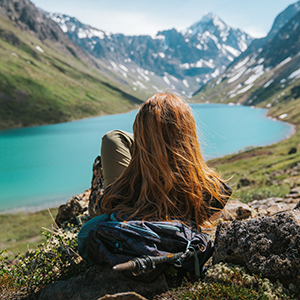
Costa Rica is a tiny country where you can have some big adventures, and they don’t come much bigger than traveling coast-to-coast on one of our hike, bike and raft expeditions. Starting in Manuel Antonio National Park on the Pacific coast and finishing 10 days later in Cahuita on the Caribbean coast, you’ll cover around 250km in total, using no motorised transport whatsoever, and having an awesome time throughout.
Christopher Lapcevic is a guide for our partner World Expeditions and has led Costa Rica coast to coast trips more than 40 times. “It’s hard to pick a favorite memory when there are so many. There is never a dull moment though. Some days are tough but it’s always manageable. I personally love the multi-activity aspect of the journey as each day feels different. We provide a trip of a lifetime and we are very proud of it.”
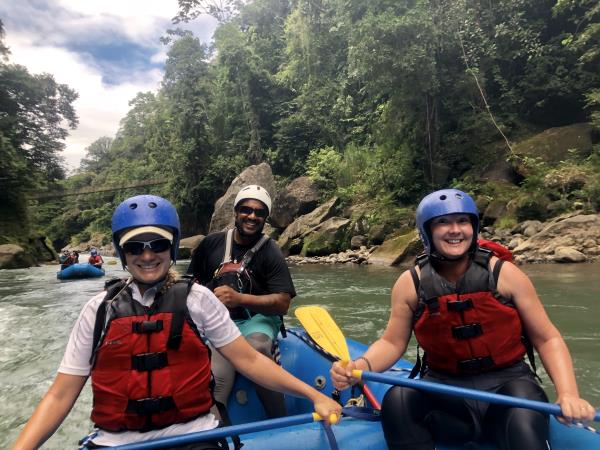
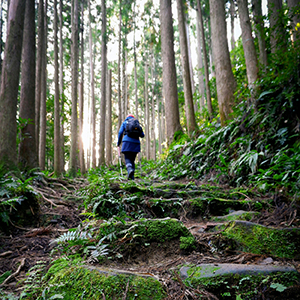
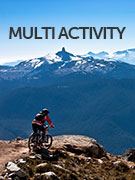
Taking in rainforest, highlands and coast and traversing the country’s mountainous spine, our trips steer clear of the most well-known and touristy destinations, allowing for an excitingly unique take on Costa Rica. One day might see you trekking uphill through banana and coffee plantations before switching over to bikes for a thrilling descent. Another might find you starting out in the saddle and then, on reaching the river, climbing into rafts to paddle on to that night’s campsite. “Being able to see the country like this is really unique,” says Christopher. “You spend most of the trip without seeing other tourists and experiencing the real Costa Rica and the lives of its people.”
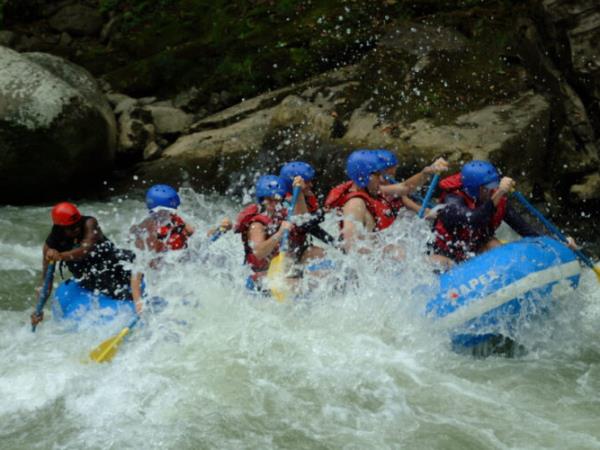
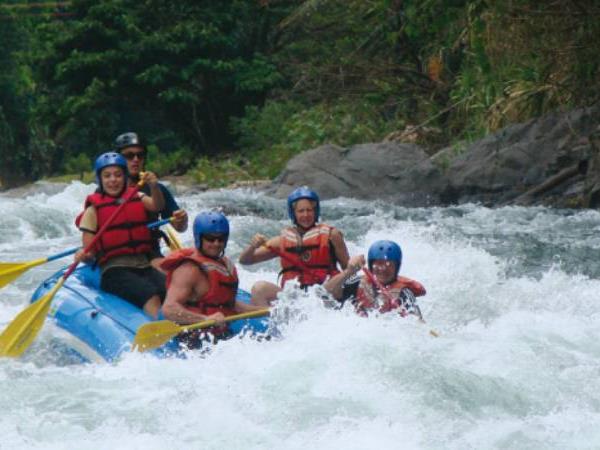
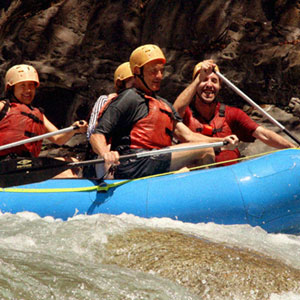
Terrain-wise, the cycling is mostly a mix of dirt tracks and single-track trails, with a brief section at the start on the Pan-American Highway, the longest road in the world. The hiking involves some steep ascents, as well as the potential for occasional river crossings on foot. And for the rafting, the rapids on the Pacuare River range from Class II to Class IV. During quiet stretches you can lie back and stare up at the near-vertical green walls that tower hundreds of metres above you.
All the while the trees ring with the sound of birdsong and monkeys hooting to each other through the branches. You may see toucans, sloths and pythons, the wildlife in these areas remains largely unruffled by the sight of groups of people going past. Your presence will be noticed, however, in the communities you pass through. Stopping for drinks at a roadside café or spending a night in the home of a local family, helps spread the economic benefits of tourism far beyond the hotspots, and means you get a taste of rural Costa Rican culture alongside your activities.
Between treks and rides a few nights by the Pacuare River make for a refreshing pause. The rafting camp here was built by local people, several of whom still work there today. You can enjoy floating along in just buoyancy aid, or rest in a hammock; short walking trails through primary rainforest in the area lead to waterfalls and swimming holes.
Other sure-fire highlights of these adrenaline-packed trips include an infamous 13km hike known as Cemetery Hill (hey, you’ll probably be fine), and a 14km uphill climb by bike to the Continental Divide, the steepest bit of the whole journey – which you’ll accomplish before breakfast. But be in no doubt, the views from the top make it more than worth the effort.
In fact, while the distances might seem a bit daunting when you’re strapping on your bike helmet on the Pacific coast, by the time you clamber into a kayak for the final few kilometres to the Caribbean coast, you’ll be sorry the adventure’s almost over. When asked his advice for others contemplating this trip, we think our traveler Alejandro Hahn Menacho summed it up perfectly: