Horse riding safari vacations

Riders and horses entrust their safety to each other – and that incredible bond makes for a thrilling safari adventure.

It’s a savannah standoff. Two animals stood face to face, just ten metres apart, their ears pricked forward towards each other. One pair of ears belong to a kudu, the other – just a few inches from your hands – belong to your horse.

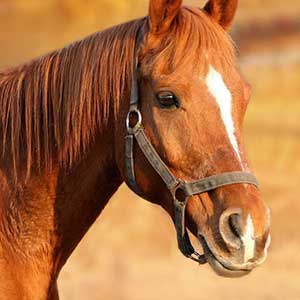
Ears feature a lot on horseback safaris. Riders can’t resist including the back of their mount’s head in the foreground of all their photographs; proof that this is no ordinary safari.

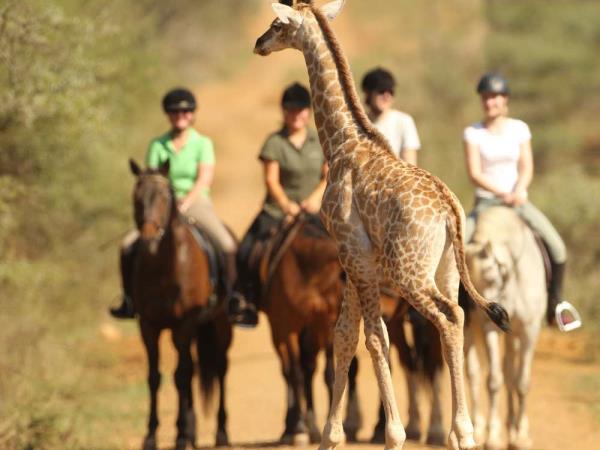
As indeed it isn’t. Riding safaris in Africa are an unusual way to see African landscapes, but they’re one of the best ways to connect to the experience. Canter with giraffes, get eye to eye with elephants, and understand how predator prey dynamics shape the ecosystems in which you ride – because you are riding on a prey animal yourself.

Riding safaris are safe – and totally rewarding – but it takes a great deal of trust to trot off into the bush. Read on to find out how it’s done.

Why go on a riding safari?

Imagine being two and a half metres tall: on horseback, you can see more as you go than you would on foot. Horseback rangers are used in some wildlife reserves – they’re able to cover three times the distance as rangers on foot. They can also patrol quietly, sneaking up on poachers, and are able cover difficult terrain, so rangers can check difficult to reach areas for snares, or broken fences.

Horses can go where Jeeps cannot, and can travel at pace when needed – at gallop a horse can outstrip a giraffe or a zebra. You might find yourself riding through teak woodlands where the paths have been made, not by hikers, cyclists, or the local council, but by families of elephants. Thank the elephants for the paths through the trees – and thank them again for pushing over a few trees too – the fallen trunks make great makeshift jumps.

In areas where wildlife is habituated to horses, you may find you see more wildlife than you would on foot. Riders get the use of an extra pair of eyes – and ears – and nostrils. Horses have the largest eyes of any land mammal, positioned to give a 350° view of the savannah – they’ve evolved to scan for movements that might signal an approaching predator. Their sense of smell outstrips our own, and their ears can hear frequencies ours cannot. Your horse might sense wildlife long before you do.

Lastly – and if you love riding you’ll already know this – riding is an exhilarating trust exercise. You and your horse have entrusted your safety to each other. You are a pair – to animals in the bush, you are a single entity. That flash of anticipation you feel, approaching a waterhole? Your horse will feel it too. In unexpected situations, you are together, and can be reassured by the presence of each other.

Riders form very strong bonds with their horses, even on short riding trips, and that’s what makes the experience so special.

Is it safe?

Horseback safari is made safe by mitigating as many of the risks associated with both safari country and horse riding as possible. Some rides, for example, take places in reserves where you won’t commonly find lions. Others, however, do take you riding in areas known for big cats, alongside wild dogs, elephant, buffalo and hippo. So, what stops you and Dobbin becoming a wandering meal deal?

It comes down to experience: first, you’re riding horses that are experienced with the terrain. Second, you’re seeing wildlife that is habituated to seeing horses and riders. Third, you need to bring your own riding experience: most rides require you to be capable of handling a horse in open country – this means being comfortable galloping out of danger if required. Our well-run horseback safaris are safe, because they have mitigated risks and taken the time to craft – and test – great horseback itineraries.

Horses on our riding safaris are habituated to savannah life and are riding on their home turf. For example, on our riding safaris in South Africa, the herd of horses come and go as they please, wandering the reserve alongside the gazelle. You dismount for the day, untack your horse and send them out to wander as they please – usually straight for the nearest grass. Once you see your horse out grazing with the other animals, you understand how used to the area they are.

Contact Us

Responsible Travel, Travel Team

Call us for a chat about our vacations. We are happy to discuss your vacation and help in any way we can. No bots, queues or awful hold music.

Responsible Travel, Travel Team

Where to go on a horse riding safari

Horse riding safaris aren’t allowed just anywhere, you’ll find them in particular parts of parks and private conservancies. They are banned alongside walking safaris from areas like Masai Mara National Reserve.

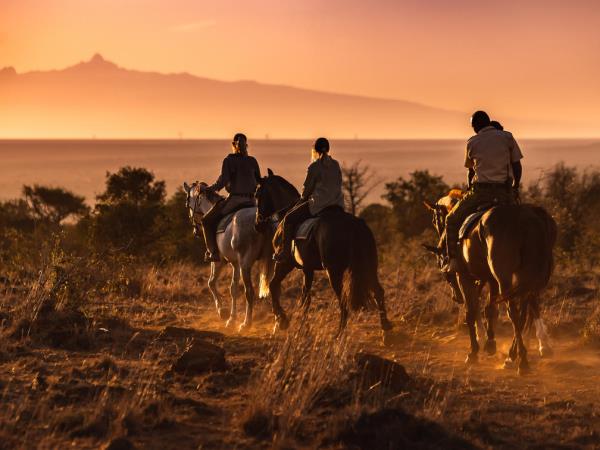
Riding safaris started in Kenya. British colonial rule in Kenya meant that the British passion for equestrianism was popularised here. The Laikipia Plateau is a less-visited region of the country, north-west of Mount Kenya. Try a horse riding vacation in Laikipia. This is also a rare destination where you can go on safari by camel.

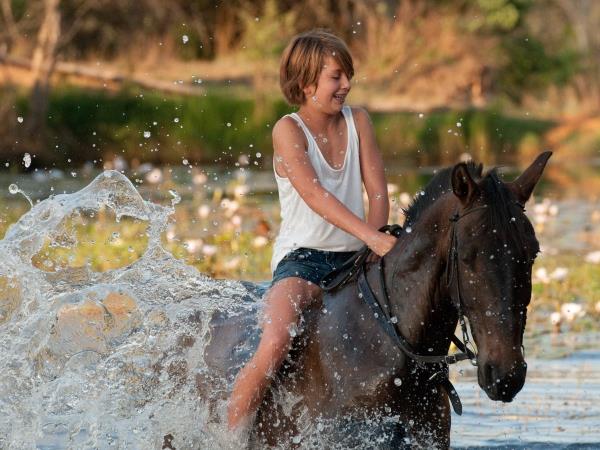
South Africa has a strong riding culture, and its malaria-free areas are popular with families. Try a family-friendly horse riding vacation in the Waterberg region – where, alongside safari, you can try cattle mustering and even swimming with horses.

The vast plains of Hwange National Park in Zimbabwe, with their enormous herds, are a spectacular place to ride. On a Zimbabwe riding safari vacation you can spend nine days in the country, visiting Victoria Falls, then heading on to Hwange, where experienced riders can ride from a tented camp in the park.

What does a horse riding safari entail?

Many – but not all – of our horse riding vacations are for experienced riders only. Horse riding safaris usually involve a few days of riding, interspersed with other activities like jeep safari and walking safari. You often need a break from the saddle after long safari rides – especially if you’re not used to riding every day. On intrepid trips you may ride up to 40-50km a day. Some riding safaris go camp to camp, allowing you to ride further into the park. Your luggage is transferred separately. Horses have strict weight limits for their own wellbeing, and you may not be able to ride if there isn’t a horse available that can take your weight. This can be found out in advance of booking. No one loves horses as much as their owners. Horse wellbeing is front and center on these vacations – their workloads are tracked, they have regular check-ups, and our partner in South Africa also gives them ‘horse sports massage’ when needed – that’s true love. Horse riders are never riding unaccompanied on safari – you’ll be riding in small groups with high guide to guest ratios. On some trips you’ll get a choice of saddle, depending on your riding style. You may be asked to bring your own helmet. Non-riding partners can take part in jeep and walking safaris. Whilst some of our riding vacations swear by speedy thoroughbreds as the best safari horses – (think of them as getaway cars with incredible gas tanks), you might also ride African breeds, like the Boerperd, from South Africa. Some stables have managed to rehabilitate ‘problem’ horses and turn them into reliable safari steeds. All our riding trips have something in common on their itinerary – you say goodbye to your horse at the end. It’s usually a special moment. You’ve travelled, sweated, eaten and rested together. But look back at your photos – there they are again – those familiar ears.
Written by Eloise Barker
Photo credits: [Page banner: Hugh Lunnon] [Why go on a riding safari?: Hugh Lunnon] [Where to go: Far and Wild Travel]