

Lake Garda, Italy

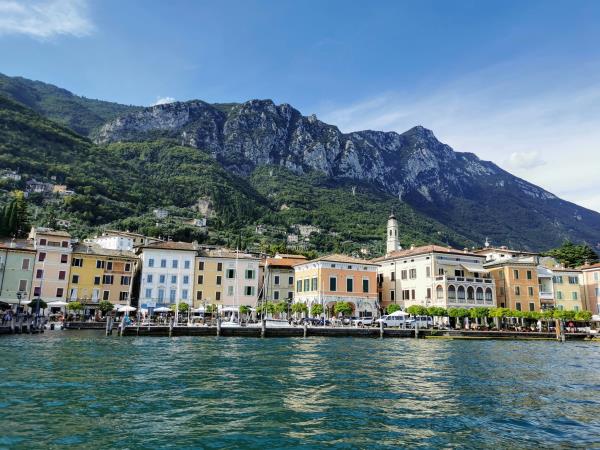
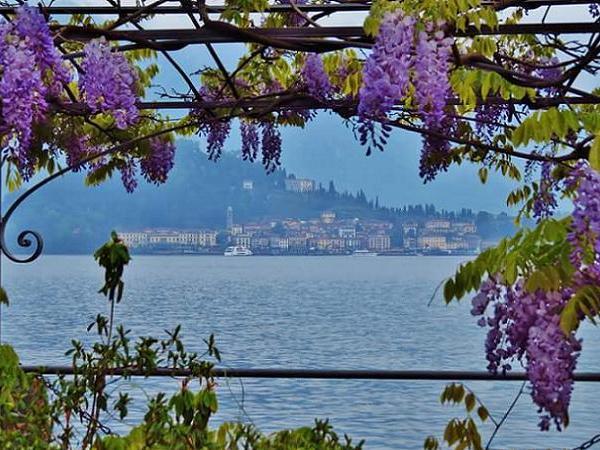
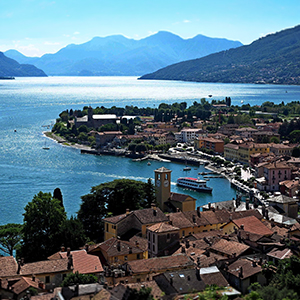
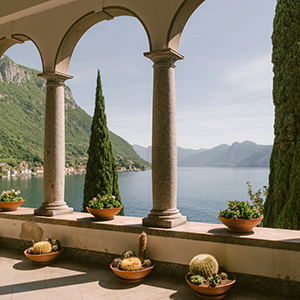
The easternmost of the Italian lakes, Lake Garda is flush with attractions: thermal spas, ancient Roman ruins, medieval towns with weekly markets, lemon-scented gardens, castles and cable cars and old churches that cling to mountainsides, seemingly reliant on little more than faith to keep them up.

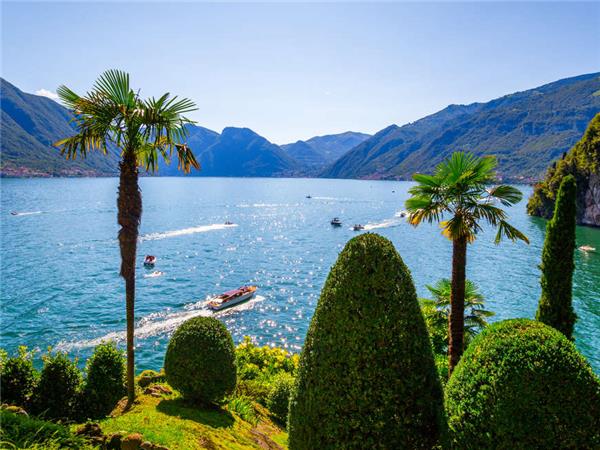
Lake Garda itself seems to defy gravity at times. Like many other picturesque parts of Europe, it is immensely popular, particularly from May to September. Yet those who brave the summer crowds are rarely disappointed. Landscapes like this can lighten any mood.

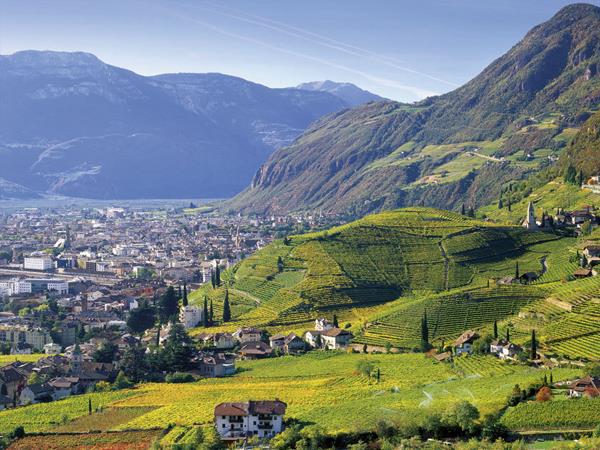
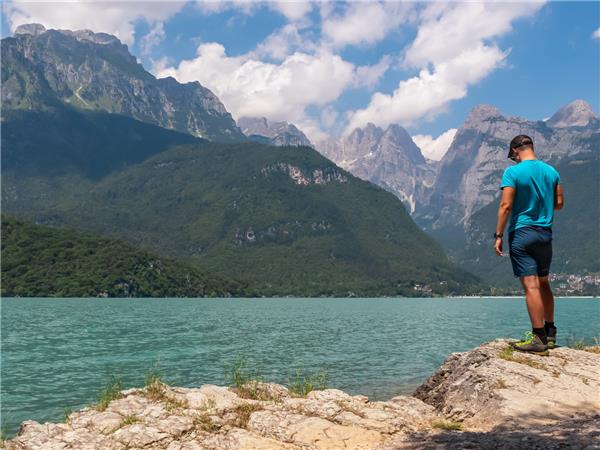
Though Lake Garda is only a little over 50km long, the geography from one end to the other is quite distinct. To the north, the terrain is mountainous, the southern Alps forming an imposing backdrop. The terrain in the south of Lake Garda is flatter, allowing for more agriculture – the slopes are spread with vineyards, orchards and olive groves. Temperatures in the south of the lake also tend to be a few degrees warmer than in the north.
Our vacations have a positive impact on the lake’s environment and the communities around it, so you enjoy a more relaxed, more genuine side of Lake Garda.
On our cultural vacations that tour northern Italy, visits to Lake Garda focus mostly on the south. They stay in lovely towns like Peschiera del Garda, which is listed as a UNESCO World Heritage Site thanks to the majestic Venetian walls surrounding the old town, or Gargnano on Garda’s western shore.

Giovanna Consonni designs our vacations for our partner, Stile Italiano. “Guests often stay in a small, family-run hotel in Gargnano, set in the quieter lemon-growing area and managed by several generations of women from the same family. Their home-baked bread, fruit from their own orchard and homemade jams capture the simplicity of a traditional stay.”

Contact Us

Responsible Travel, Travel Team

Call us for a chat about our vacations. We are happy to discuss your vacation and help in any way we can. No bots, queues or awful hold music.

Responsible Travel, Travel Team

Cycling in Lake Garda

For the finest introduction to this region, however, consider going by bike. “Cycling is the best way to explore the lake,” says Francesco Vaccaro of our partner Itinera Bike. “They are slow, they have little impact on the local population and traffic, and they can take you to less-visited attractions.” In fact, you can even get to Lake Garda by bike – it’s a 40km ride from Verona, which you can do in just three hours. Although, why rush?

“Even if you have visited Lake Garda before, everything will appear different by bike,” Francesco continues. “Outside of the main villages and towns on the lake, the countryside is full of beautiful landscapes, authentic villages, and peace, that most visitors don’t even know exists. Passing through these ‘unknown’ areas, you can support local shops, museums and communities.”
Even if you have visited Lake Garda before, everything will appear different by bike.
Our Lake Garda cycling routes weave inland, to places like Borghetto sul Mincio, reached by a lovely riverside bike path renowned for its historic watermills and fortified bridge as well as the local speciality of tortellini. You can have lunch in a family-run workshop where the stuffed pasta is made by hand, supporting this culinary heritage.

Then there is Custoza, its rolling hills cultivated for vines. Our tours tend to stop at smaller organic producers for tastings rather than the busy big names. “Lake Garda itself reminds me of a big bottle,” says Francesco, “wide in the south and narrow in the north.” Trips may also pass Sirmione, one of Lake Garda’s most beautiful towns, known for its thermal springs and historic center, as well as the crowds that descend upon it in summer. Yellow-vested volunteers have been recruited here to help coordinate visitors and discourage poor behaviour.

“I’ve spent many weekends by Lake Garda with my family,” says Francesco, “and during summer the traffic is not sustainable anymore. There is also a problem with consumption of public land. Many luxury hotels have been built, as well as vacation homes for people who only live in them for a few months a year.”
We use electric boats for sightseeing from the water, slashing polluting fuel emissions and helping to make the lake that little bit quieter.
Water consumption is another pressing issue in the Lake Garda tourism industry. The climate crisis is shrinking Alpine snowfall in the winter, and the lake’s water levels are dropping. Lake Garda is an important freshwater reservoir, and the ever-growing number of hotels around the lake are putting further pressure on it, in competition with the needs of farms and local communities.

Our vacations to Lake Garda visit the famous places, of course: Sirmione, Limone, Bardolino, Peschiera del Garda and Borghetto sul Mincio. But they also help your visit have a positive impact on the lake’s environment and the communities around it while working to reduce the negatives of tourism.

For instance, evening meals are not usually included, freeing you up to sample regional cuisine such as fish from the lake in a host of local restaurants that our partners can happily recommend to you. And our tours will often use electric boats for sightseeing from the water, slashing polluting fuel emissions, as well as helping to make the lake that little bit peaceful.
Written by Rob Perkins
Photo credits: [Page banner: Rasmus Andersen] [Intro: Jonny Gios] [Cycling in Lake Garda: Andrea Sonda]