Timanfaya National Park, Lanzarote
Timanfaya National Park lies in the southern part of Lanzarote, between the towns of Yaiza and Tinajo. Covering an area of 51 square kilometres, the national park stretches from the Montañas del Fuego to the sea, following the extraordinary rock formations of gullies and jameos (collapsed lava tubes) created when the volcanoes here began erupting in 1730.
For some six years the island was shaken by massive explosions and covered in thick black fumes. 30 farms and hamlets were inundated with molten lava or buried in fine black volcanic gravel, known locally as picón.
Amazingly no one was killed, although a third of the island’s best farmland was lost. Today the park is Lanzarote's most important tourist attraction, with César Manrique’s extraordinary glass walled restaurant the El Diablo at its center. This offers marvellous views over the lunar-like landscape to the sea.
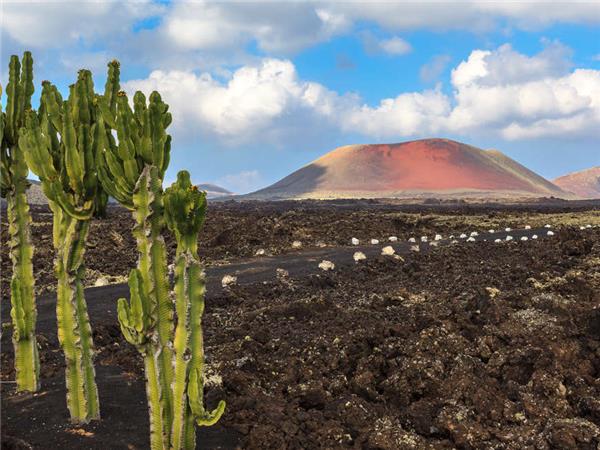
The casual observer could be forgiven for thinking the volcanoes in Timanfaya National Park erupted only weeks before, because the bizarre lava formations here look as if they have only just cooled to the touch. The craters are dormant, but vents by the vantage point at the Islote de Hilario give out superheated air at 400 degrees centigrade, providing the perfect natural cooker to grill meat and sweet potatoes for the nearby restaurant. The heat comes from a boiling chamber of magma – estimated to be safely 4km beneath the surface.
Timanfaya National Park now contains many interesting micro habitats as plants and animals begin to repopulate the barren lava flows, known as the malpais – literally the "badlands". With more than 200 species of lichen, and some of the oldest fig trees on the island dotted amongst the volcanic cones and rolling slopes of picón, the area is by no means as sterile as it seems. Barbary falcons nest here and can regularly be seen swooping down on rabbits and other small mammals which inhabit the fractured lava flows.
For some six years the island was shaken by massive explosions and covered in thick black fumes. 30 farms and hamlets were inundated with molten lava or buried in fine black volcanic gravel, known locally as picón.
Amazingly no one was killed, although a third of the island’s best farmland was lost. Today the park is Lanzarote's most important tourist attraction, with César Manrique’s extraordinary glass walled restaurant the El Diablo at its center. This offers marvellous views over the lunar-like landscape to the sea.
The casual observer could be forgiven for thinking the volcanoes in Timanfaya National Park erupted only weeks before, because the bizarre lava formations here look as if they have only just cooled to the touch. The craters are dormant, but vents by the vantage point at the Islote de Hilario give out superheated air at 400 degrees centigrade, providing the perfect natural cooker to grill meat and sweet potatoes for the nearby restaurant. The heat comes from a boiling chamber of magma – estimated to be safely 4km beneath the surface.
Timanfaya National Park now contains many interesting micro habitats as plants and animals begin to repopulate the barren lava flows, known as the malpais – literally the "badlands". With more than 200 species of lichen, and some of the oldest fig trees on the island dotted amongst the volcanic cones and rolling slopes of picón, the area is by no means as sterile as it seems. Barbary falcons nest here and can regularly be seen swooping down on rabbits and other small mammals which inhabit the fractured lava flows.

How to visit Timanfaya National Park
The best way to visit Timanfaya is to start at the visitors center on the road between Yaiza and Tinajo, also designed by Manrique. Set into the black landscape of jagged lava the center is virtually invisible from the road. It houses interactive displays and videos which graphically describe the volcanic processes and their effect on the history of Lanzarote and the Canary Islands.
The entrance to the park, marked by a horned devil designed by Manrique, is 3km further south. From here, you can drive up to the Islote de Hilario at the center of the Montañas del Fuego, where El Diablo Restaurant stands at the point where the major eruptions took place.
The entrance to the park, marked by a horned devil designed by Manrique, is 3km further south. From here, you can drive up to the Islote de Hilario at the center of the Montañas del Fuego, where El Diablo Restaurant stands at the point where the major eruptions took place.
Lanzarote walking vacation in Canary Islands
Discover the unique landscape of Lanzarote
From
US $1550 to US $1930
8 days
ex flights
Lanzarote eco barn accommodation, Canary Islands
Self-catering stunning eco-accommodation, at the beach
From
€200 to €700
per accommodation per night
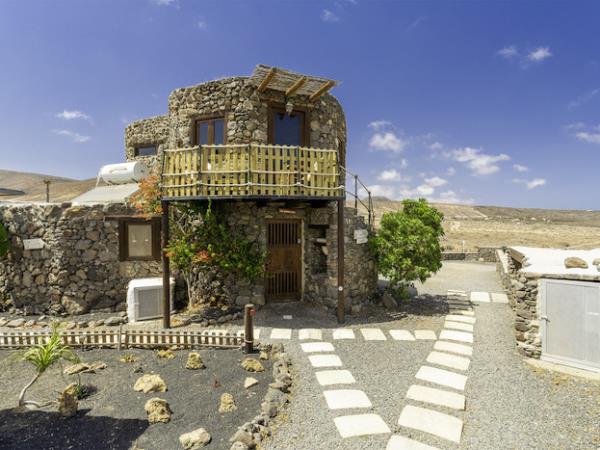
Unusual accommodation in Lanzarote, Canary Islands
360º sea & mountain views, cozy studio cottage
From
€170 to €400
per accommodation per night
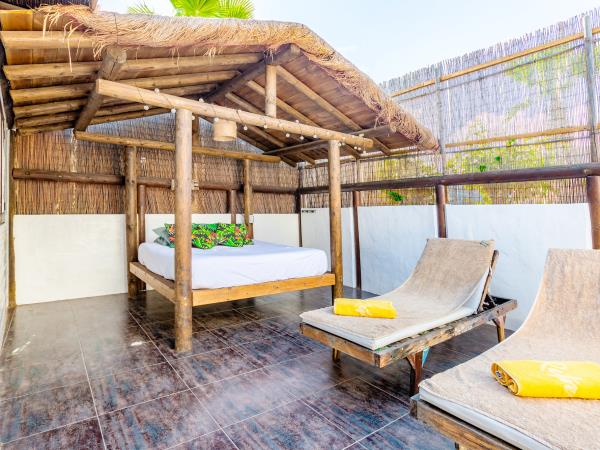
Eco lodge in Lanzarote
Eco beach lodge, relaxation & year round sunshine
From
€170 to €650
per accommodation per night
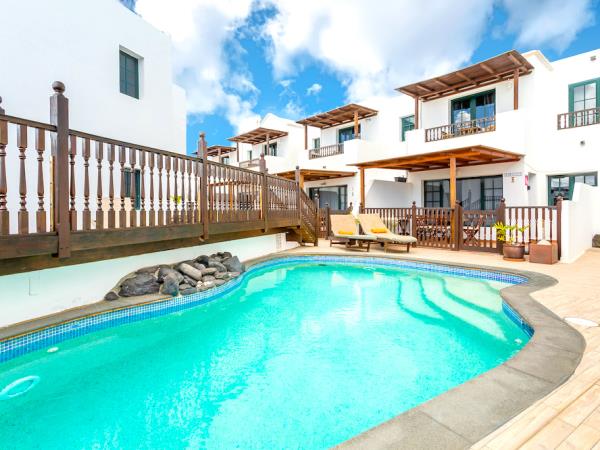
Lanzarote north coast villa vacation, Canary Islands
Stunning villa in quaint fishing village by the sea
From
€80 to €300
per accommodation per week
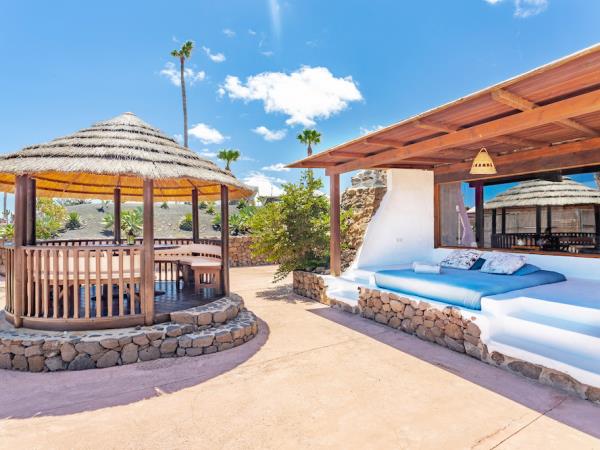
Lanzarote villa accommodation, Canary Islands
300mt to Beach, Tropical Gardens, Pool, Eco Village, Family
From
€330 to €1100
per accommodation per night


Contact Us

Call us for a chat about our vacations. We are happy to discuss your vacation and help in any way we can. No bots, queues or awful hold music.

1-866-821-6866
Call toll free
Calling from outside the USA


Walking in Timanfaya National Park
Unescorted hiking in Timanfaya National Park is not permitted, due to the fragility of the rocks and the possible danger of collapsing lava tubes and gullies. However, from El Diablo special buses leave every 20 minutes for the Ruta de los Volcanes, following a narrow hairpin road which winds through the craters of the Montañas del Fuego. The buses have pre-recorded commentaries in three languages. The colours of the landscape are extraordinary, with the dark slopes of picón giving way to black, maroon and grey folds of volcanic rock inside the steep sided craters.
Far below, the jagged malpais, where the lava cascaded down to the sea, is fissured with gaping holes and gullies where lava tubes formed by the fast flowing magma slowly solidified, and then collapsed.
Those who wish to explore Timanfaya on foot can take the Ruta de Tremesana. The three-hour walk starts within the park and is escorted by a park ranger. It takes place four times a week and is very popular so be sure to book in well in advance at the visitors center or online. Your accommodation will be able to provide more information.
Far below, the jagged malpais, where the lava cascaded down to the sea, is fissured with gaping holes and gullies where lava tubes formed by the fast flowing magma slowly solidified, and then collapsed.
Those who wish to explore Timanfaya on foot can take the Ruta de Tremesana. The three-hour walk starts within the park and is escorted by a park ranger. It takes place four times a week and is very popular so be sure to book in well in advance at the visitors center or online. Your accommodation will be able to provide more information.
More Lanzarote articles
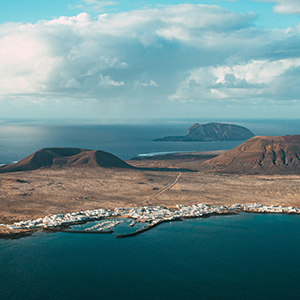
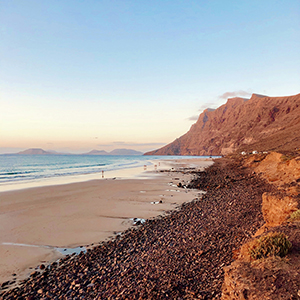
Our tips on when to go, with a handy month by month guide and festival highlights.
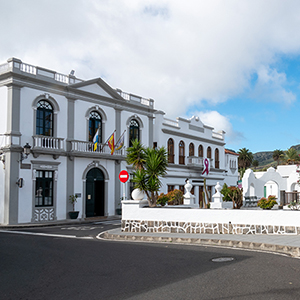
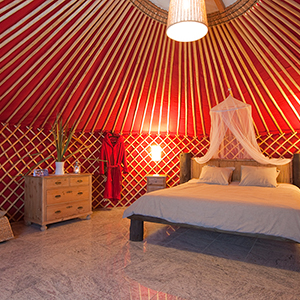
Swerve the all-inclusive resorts for these characterful Lanzarote properties.
More relaxing, rewarding and downright satisfying than the resorts.
Lanzarote is one of the finest family destinations in Spain - here's why.
Where to get your feet sandy in Lanzarote - our pick of the island's beaches.
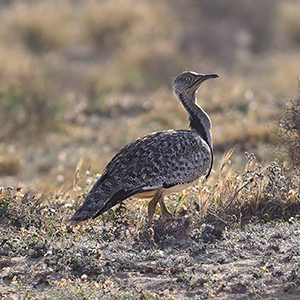
Volcanic activity and island isolation leads to fascinating flora and fauna.