Lanzarote food & drink
Traditional food in Lanzarote draws on several historic culinary influences. There are the deserts of nearby Africa, the seafood and tapas heritage of Spain, and the multifarious spices that would be traded by passing merchant ships. And of course there are the superb ingredients that Lanzarote produces itself, in which islanders take great pride. From delicious vegetables grown in fields coated with black volcanic gravel, to an immense variety of fish and shellfish caught in the surrounding seas,
the quality of Lanzarote’s cuisine can come as a surprise to many visitors. But it won’t to you, if you’ve read our guide to the best Lanzarote food and drink to try during your stay.

12 Lanzarote dishes not to miss
Papas arrugadas
Arguably the Lanzarote national dish, papas arrugadas are a staple of most substantial meals. Literally "wrinkled potatoes", they tend to have a very distinct, almost nutty flavour, and are grown in the neat fields of black gravel, the volcanic picón, which retains vital moisture in the semi desert climate and boiled in salty water. Keep an eye out too for papas crías, wild potatoes that grow on rocky hillsides and compensate for their diminutive size in the richness of their flavour.
Mojo
You’ll encounter mojos everywhere – all of the best restaurants in Lanzarote tend to have their own versions. These rich sauces of garlic, olive oil, vinegar, herbs and spices are absolutely delicious and accompany many dishes. You’ll also find homemade varieties on sale at many local markets in Lanzarote. Green mojos are herby and will often contain avocado or pepper, while the red versions are typically spicier.
Fresh fish
The most common fish served in Lanzarote are dorada, (sea bream), vieja (parrot fish) and cherne (sea bass). Usually grilled (a la plancha), the fish will have been caught not far from the restaurant and could hardly be fresher.
Lapas
Limpets are typically fried in a creamy garlic and butter sauce, topped with coriander, and serves in the frying pan they were cooked in. Think of them as marine snails, like mussels but a little chewier, and scrumptious when served with a green mojo.
Gofio
Gofio is a vital staple of Lanzarote cuisine. Made from toasted corn and maize flour, in the past it would have been ground in the many windmills which once dotted the landscape of the island. Until the end of the 19th century when bread was a luxury eaten only at special occasions, gofio would have been an important part of every meal. Today it is used to thicken and flavour soups, stocks and stews. A speciality here is escaldon de gofio de caldo de pescado – or just ask for ‘fish stew’.
Soups & stews
Lanzarote restaurants typically feature lots of hearty soups and stews that hark back to rural peasant cuisine – seafood, rabbit and goat, along with vegetables, are typical flavourings. Order plenty of bread to ensure you don’t waste a bit of sauce.
Boquerones
Boquerones are anchovy fillets, marinated in olive oil, vinegar and garlic, and they taste simply amazing fresh off the grill and sandwiched between two slices of bread.
Santa prawns
The prawns that are caught off the coast of La Santa, a village on the north coast of Lanzarote, are a highly prized delicacy, but not one that crops up very often, so if they’re on the menu, order with abandon. Typically served on a bed of sea salt, they are also known as ‘soldier prawns’, and go perfectly with an ice cold beer or a white Lanzarote wine.
Cactus
Lanzarote’s arid climate means that cactus grows well, and the flesh is used for a variety of dishes, including croquettes, fritters, jams and veggie burgers. You can even get cactus-flavoured ice cream.
Goats’ cheese
Given the climate on Lanzarote, there isn’t a great deal of pasture suitable for cows or sheep. Goats, however, are hardier, and so you’ll find quite a few excellent goats’ cheese around, some sprinkled with paprika for a dash of heat.
Puntillas de Calamar
Puntillas de Calamar are deep-fried baby squids, served whole. Squeeze a little lemon juice on them, or dip them into a pot of mojo, and enjoy the delicious flavour as you crunch.
Bienmesabe
One of the most popular desserts in the Canary Islands, bienmesabe is made with egg yolk, honey and ground almonds and is wonderfully sweet. Bienmesabe means ‘tastes good to me’ and wherever you find it, from gourmet restaurants to beach shacks, you’ll probably agree.
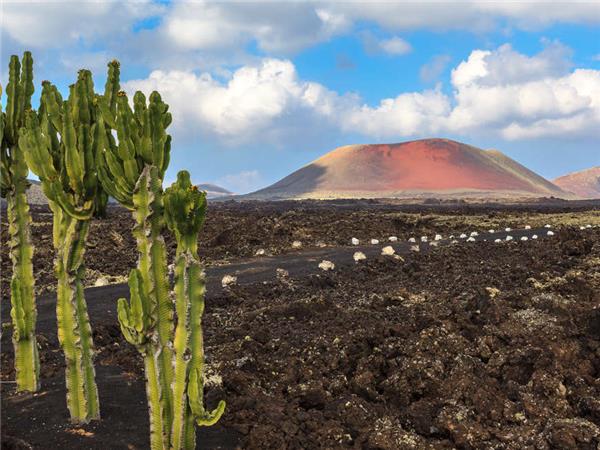
Lanzarote walking vacation in Canary Islands
Discover the unique landscape of Lanzarote
From
US $1550 to US $1930
8 days
ex flights
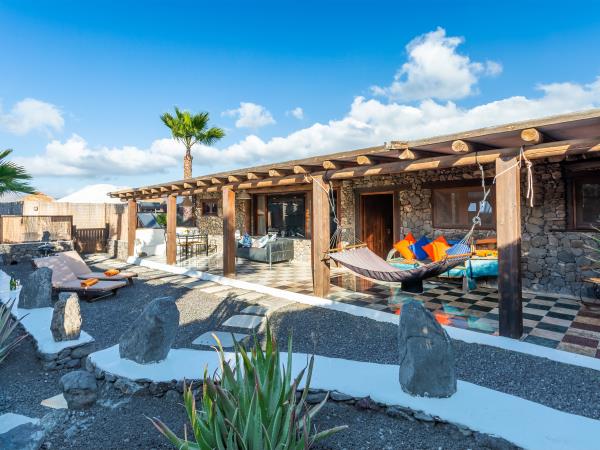
Lanzarote eco barn accommodation, Canary Islands
Self-catering stunning eco-accommodation, at the beach
From
€200 to €700
per accommodation per night
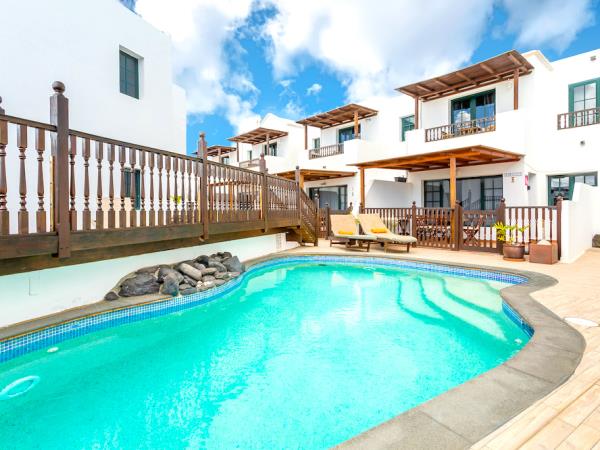
Lanzarote north coast villa vacation, Canary Islands
Stunning villa in quaint fishing village by the sea
From
€80 to €300
per accommodation per week
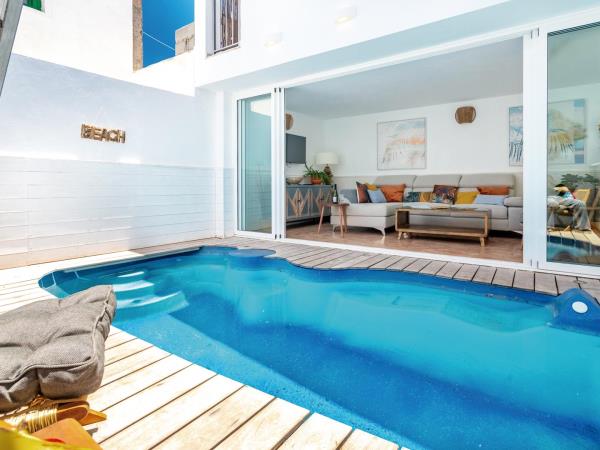
Lanzarote beach house, Canary Islands
Beautiful Villa 100m to beach, private plunge pool & Wifi
From
€160 to €400
per accommodation per night (sleeps 2-4)
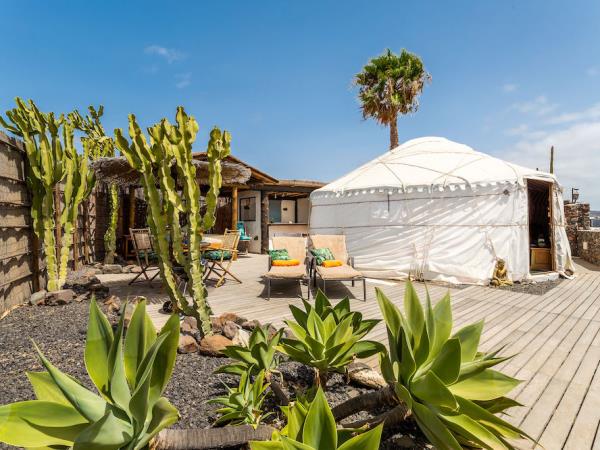
Luxury yurt accommodation in Lanzarote, Canary Islands
Off grid eco yurt & by the beach restaurants
From
€170 to €500
per accommodation per night
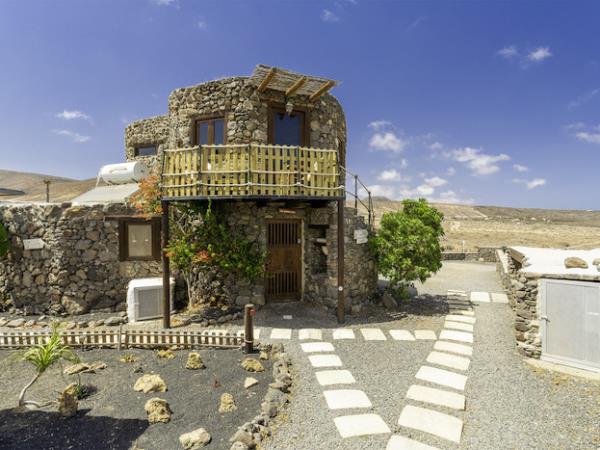
Unusual accommodation in Lanzarote, Canary Islands
360º sea & mountain views, cozy studio cottage
From
€170 to €400
per accommodation per night


Contact Us

Call us for a chat about our vacations. We are happy to discuss your vacation and help in any way we can. No bots, queues or awful hold music.

1-866-821-6866
Call toll free
Calling from outside the USA


What do people have for breakfast in Lanzarote?
Forget the full English breakfasts that are a feature of menus in big resorts. If you want a traditional Lanzarote breakfast, or desayuno, then it’s coffee and a pastry, or a bread roll filled with cheese or ham. Islanders will typically enjoy a late breakfast, at about 11am, sticking with coffee before then.
Local markets near Arrieta
Yurts, villas, cottages and farmhouses near the small fisherman’s town of Arrieta, in the far northeast of the island, are some of our most popular Lanzarote accommodations. Browsing the stalls of local markets near Arrieta is not only a great way to meet people from the community and explore the island’s cuisine, but also keeps your vacation’s carbon footprint down.
On a Saturday morning in nearby Haria you can find locally grown fruit and vegetables, as well as freshly baked bread, cheeses and wines, as well as jars of homemade mojo sauce. There’s also a larger market, 20 minutes south of Arrieta by car, in Teguise on Sunday mornings.
On a Saturday morning in nearby Haria you can find locally grown fruit and vegetables, as well as freshly baked bread, cheeses and wines, as well as jars of homemade mojo sauce. There’s also a larger market, 20 minutes south of Arrieta by car, in Teguise on Sunday mornings.
Lanzarote wine
Perhaps surprisingly, given its parched desert climate, Lanzarote has a reputation for producing some superb wines. In fact, even one William Shakespeare was a fan – he mentioned Canarian wine in many of his plays. Those Malvasia wines are still grown on the island today, and have won international prizes. But it’s actually quite amazing that Lanzarote can still grow grape vines.
The huge volcanic eruptions that back in the 1730s blanketed a third of the island with thick layers of fine, black gravel known as picón buried much fertile land was disastrously lost. However, farmers learned to adapt, planting vines deep so they can take root in the soil beneath the picón, and protecting them from the wind with curving, dry stone walls, or zocos.
Vine-growing on Lanzarote remains challenging, due to the heat and there being very little rain, so not a great deal of wine is produced, and much of what is never leaves the island. But there are several well-regarded wineries producing mainly white Malvasia wines, but some excellent reds too including Syrahs.
The huge volcanic eruptions that back in the 1730s blanketed a third of the island with thick layers of fine, black gravel known as picón buried much fertile land was disastrously lost. However, farmers learned to adapt, planting vines deep so they can take root in the soil beneath the picón, and protecting them from the wind with curving, dry stone walls, or zocos.
Vine-growing on Lanzarote remains challenging, due to the heat and there being very little rain, so not a great deal of wine is produced, and much of what is never leaves the island. But there are several well-regarded wineries producing mainly white Malvasia wines, but some excellent reds too including Syrahs.
More Lanzarote articles
Our tips on when to go, with a handy month by month guide and festival highlights.
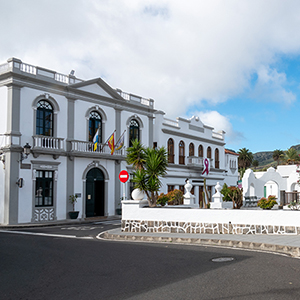

Swerve the all-inclusive resorts for these characterful Lanzarote properties.
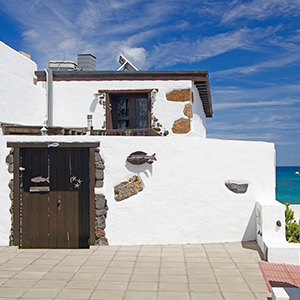
More relaxing, rewarding and downright satisfying than the resorts.
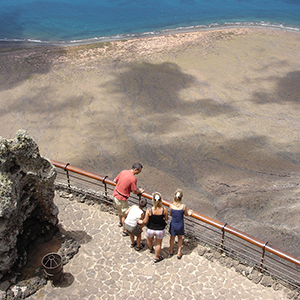
Lanzarote is one of the finest family destinations in Spain - here's why.
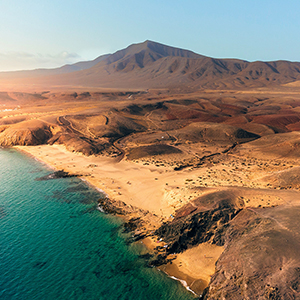
Where to get your feet sandy in Lanzarote - our pick of the island's beaches.
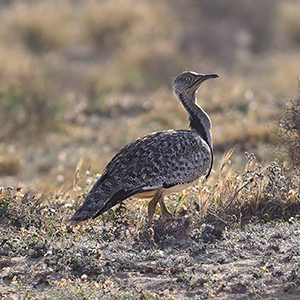
Volcanic activity and island isolation leads to fascinating flora and fauna.
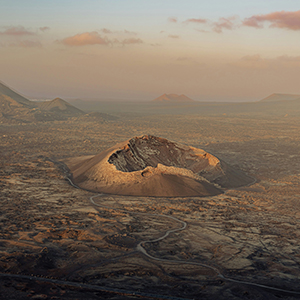
Explore what we consider the must-see destination in Lanzarote.