LGBTQ+ vacations guide
It is the 21st century and same-sex marriage may have been legalised across 34 countries (and increasing with every update of this guide), but when it comes to traveling overseas, LGBTQ+ travelers can still face regressive laws, prejudiced hosts, and being criminalised simply for who they are. Laws are complex, local attitudes are difficult to gauge, and even within a country, different communities may have different stances on sexuality and gender.

In 2023, Booking.com reported that over 80 percent of those surveyed consider their safety as a LGBTQ+ person when picking a destination.![]()

A huge problem is the lack of information, including from tour companies themselves. Same-sex relationships are legal in Mexico, for example, but how can a couple be sure they won’t face discrimination there for requesting a double room? What about sharing with a host family that they’re married? And what are the attitudes in deeply religious societies?
We’ve created this travel guide as an introduction to understanding more about LGBTQ+ issues around the world. We endeavour to update this guide regularly, but do check the news, Human Rights Watch and the Human Dignity Trust and for the latest information Equaldex. The Equality Index measures the current status of LGBT rights, laws, and freedoms as well as public attitudes towards LGBT people.

Who is this guide for?
Our vacations focus overwhelmingly on wildlife, culture and activities such as hiking, cycling or kayaking, and this guide aspires to answer some of the questions that LGBTQ+ travelers may have when visiting certain countries, and to do so in an honest way. Responsible tourism benefits destinations and local communities, but it also needs to support travelers and not shy away from difficult issues.
Why are there so few LGBTQ+ vacations listed on Responsible Travel?
Our partners do not exclude people based on their orientation and we have over 5,800 vacations on our website that welcome LGBTQ+ travelers. However, at present, just a few of our trips are listed as LGBTQ+ vacations. These are itineraries designed specifically with LGBTQ+ travelers in mind. They might be tours, retreats or cruises with dedicated departure dates for those who identify as LGBTQ+ or tailor made itineraries where LGBTQ+ topics are the focus. It’s impossible for any vacation company to guarantee that their travelers will be free of harassment or discrimination, no matter where they travel or what precautions are taken; there will always be exceptions. But these trips have endeavoured to create as LGBTQ+-positive itineraries as possible.
This is an ongoing effort. We hope that in the coming months and years many more of our trips will be classed as LGBTQ+ vacations as more and more tour operators become aware of the importance of providing trips that ensure LGBTQ+ travelers can enjoy our vacations just as much – and as safely – as anyone else.
Contact Us
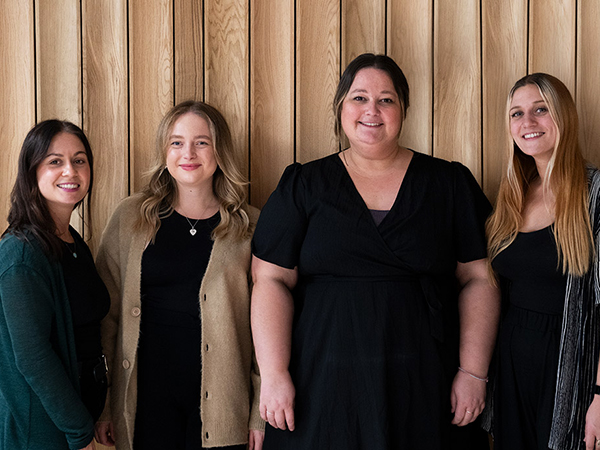
Call us for a chat about our vacations. We are happy to discuss your vacation and help in any way we can. No bots, queues or awful hold music.

1-866-821-6866
Call toll free
Calling from outside the USA

Why do LGBTQ+ people need dedicated travel guides?
Most LGBTQ+ travelers have positive experiences on vacation, but sadly, the reality is that many countries still have laws which discriminate against LGBTQ+ people. In 2023, Booking.com reported that over 80 percent of travelers surveyed consider their safety as a LGBTQ+ person when picking a destination. Same-sex relationships may be a criminal offence; marriage or partnerships may not be recognised; discrimination may be legal; even kissing, holding hands or simply identifying as LGBTQ+ may result in penalties. It is important to familiarise yourself with the laws of the country you are visiting to help you decide whether to visit, as well as to understand how open to be about your orientation or gender identity while in the destination.
In some countries, the situation is more complex than simply reading up on the legal issues. South Africa, for example, has very progressive anti-discrimination laws and was one of the first countries – and remains the only one in Africa – to legalise same-sex marriage. However, outside of the more metropolitan areas, deeply conservative attitudes prevail, and harassment and violence towards LGBTQ+ people is commonplace. LGBTQ+ travelers, then, will need to know what questions to ask their vacation companies to ensure their safety, to find out if experiences such as community homestays are feasible, and to understand how open to be about relationships and gender identity in some regions.
Sometimes, it works the other way around. In Japan, same-sex couples do not have the same legal protections as other citizens, yet this very private nation does not believe in interfering in other people’s personal business, and LGBTQ+ people will be treated no differently to anyone else.
More LGBTQ articles
In this formerly closed country, mindsets have taken a while to shift. But times are changing.
Costa Rica has a liberal mindset, increasingly progressive laws and superb nature.
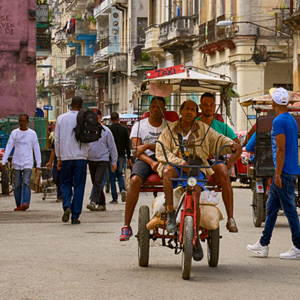
After decades of persecution and harassment, new laws and a new constitution are giving LGBTQ+ Cubans long-denied rights.
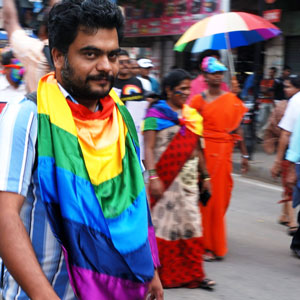
India’s changing laws have opened space for conversations, protests, festivals and a creeping acceptance of LGBTQ+ rights.



Malaysia is one of the more conservative countries in Southeast Asia.

Morocco is one of the safest countries in Africa for LGBTQ+ travelers.
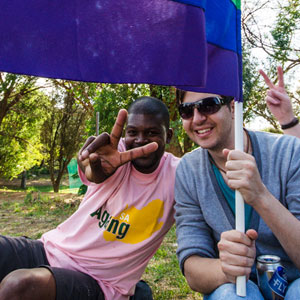
South Africa is seen as one of the most welcoming country in Africa for LGBTQ+ travelers.
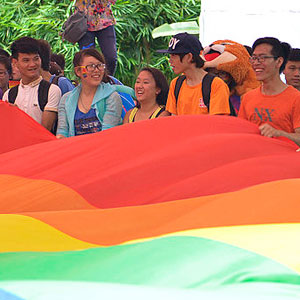
Thailand may be known as the gay capital of Asia, but Vietnam is at the forefront too.
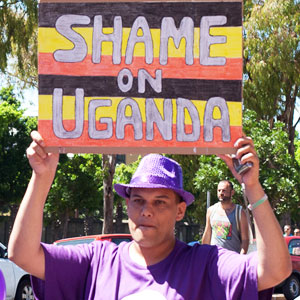
Uganda has some of the harshest anti-LGBTQ+ laws in the world. Some people face the death penalty, and Pride parades and other events are shut down.
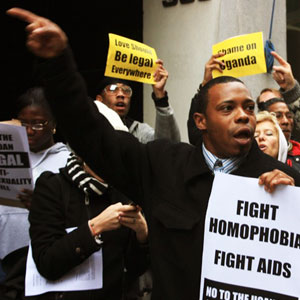
Our guide aims to help LGBTQ+ travelers make informed choices about where they travel.